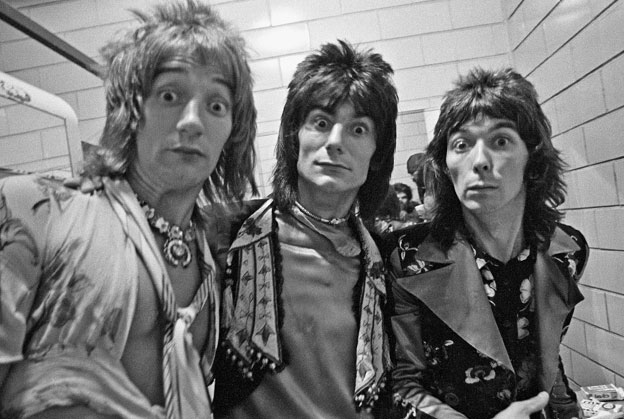
Few bands ever captured the loose, swaggering spirit of rock and roll quite like Faces. Blending hard rock, rhythm and blues, folk influences, and a gloriously ragged sense of fun, The Faces created music that felt alive, unpredictable, and completely authentic. Fronted by the charismatic voice of Rod Stewart and powered by the fiery guitar work of Ronnie Wood, the band became legendary for songs filled with humor, heartbreak, late night energy, and working class soul. Their records never sounded overly polished or calculated. Instead, they carried the warmth of musicians feeding off one another in real time, turning loose jams into unforgettable rock anthems. Whether delivering rowdy singalong classics or emotionally worn ballads, The Faces brought personality and raw humanity into every performance, leaving behind a catalog that still feels effortlessly cool decades later.
1. Stay With Me
“Stay With Me” is the Faces song that most perfectly captures the band’s wild, swaggering, gloriously disheveled rock and roll personality. Everything about it feels alive in the moment: Ronnie Wood’s guitar crashes in with ragged authority, Ian McLagan’s keys add barroom color, Kenney Jones and Ronnie Lane keep the groove loose but dangerous, and Rod Stewart delivers one of his most cocky, unforgettable vocals. The song does not try to sound refined. Its magic comes from the way it feels like a late night party that has spilled into the street, full of laughter, bad decisions, and a band playing with absolute confidence.
What makes “Stay With Me” endure is its irresistible blend of humor, lust, and musical muscle. The lyric has the cheeky bluntness of a roguish narrator who knows exactly how shameless he sounds, while the band plays with a rough charm that no polished studio perfection could improve. The Faces were never about strict precision. They were about chemistry, swing, and personality, and this song has all three in abundance. It remains their most famous recording because it defines their essence in one explosive burst: dirty guitars, raspy vocals, pub rock soul, and a chorus that still sounds built for shouting with friends long after midnight.
2. Ooh La La
“Ooh La La” is one of the Faces’ most beloved songs, a bittersweet reflection on youth, experience, and the lessons people usually learn too late. Sung by Ronnie Wood rather than Rod Stewart, the track has a gentle, weathered charm that gives it a special place in the band’s catalog. Its acoustic warmth, easy melody, and famous refrain create the feeling of advice passed down over drinks, half joking and half aching. The line about wishing one knew then what one knows now has become one of rock music’s great summaries of regret, wisdom, and rueful humor.
The song works because it never becomes heavy handed. It smiles while admitting the truth. The Faces were often known for rowdy energy, but “Ooh La La” reveals their softer side, full of folk color and human vulnerability. Ronnie Lane’s spirit is especially present in the song’s warmth and earthiness, giving it a pub singalong quality that feels communal rather than grand. The arrangement is simple but deeply effective, with guitars and rhythm moving like old friends around a table. Its popularity has only grown over time because it speaks across generations. Every listener eventually reaches a moment where the song’s wisdom lands differently. “Ooh La La” remains a classic because it is charming, sad, funny, and painfully true all at once.
3. Cindy Incidentally
“Cindy Incidentally” is the Faces at their most effortlessly melodic, combining ramshackle rock and roll charm with a chorus that feels instantly familiar. The song has a bright, rolling momentum, driven by piano, guitars, and Rod Stewart’s unmistakable rasp. It sounds casual in the best possible way, as if the band stumbled into a perfect groove and decided not to overthink it. That looseness is part of the appeal. The Faces had a rare gift for making songs feel lived in rather than manufactured, and this track captures that quality beautifully.
The lyric has a wandering romantic quality, filled with movement, farewell, and invitation. Stewart sings as though he is half teasing and half pleading, giving the title character a presence that feels both specific and mysterious. Around him, the band plays with cheerful abandon, but the tune never falls apart. Ian McLagan’s keyboard work gives the song bounce and warmth, while Ronnie Wood’s guitar adds grit without overpowering the melody. “Cindy Incidentally” became one of the group’s most popular singles because it balances accessibility with personality. It is catchy enough to work as a pop rock hit, yet rough enough to remain unmistakably Faces. There is no forced drama, no elaborate concept, and no glossy disguise. Just a great band, a great hook, and the feeling of a song leaving town with a grin.
4. Had Me A Real Good Time
“Had Me A Real Good Time” is practically the Faces’ mission statement set to music. The title alone captures the band’s reputation for cheerful disorder, late night excess, and good natured chaos, but the song is more than a party slogan. It is a brilliantly constructed piece of rough edged rock and roll that turns celebration into sound. Rod Stewart sings with a grin in his voice, sounding like a man recounting a night that may have gotten out of hand but was worth every consequence. The band barrels along behind him with the perfect mixture of looseness and control.
What makes the track so appealing is how naturally it embodies the Faces’ collective personality. Ronnie Wood’s guitar has grit and bite, Ian McLagan’s piano adds pub room sparkle, and the rhythm section keeps everything bouncing forward. The song feels communal, as though the listener has been invited into the room rather than placed at a distance. “Had Me A Real Good Time” is full of rock and roll appetite, but it also has warmth. There is no cold arrogance here. The Faces sound like they are enjoying themselves as much as the audience is. That sense of shared fun is why the song remains such a fan favorite. It captures the band’s beautiful imperfection, their humor, their swagger, and their ability to make ragged music feel absolutely life affirming.
5. Pool Hall Richard
“Pool Hall Richard” is a prime example of the Faces’ talent for character driven rock and roll. The song moves with a tough, playful swagger, placing the listener in a world of smoky rooms, sharp talkers, hustlers, and working class theater. Rod Stewart’s vocal is full of attitude, delivering the lines with the sly confidence of someone who has met plenty of characters like Richard and lived to tell the tale. The band gives the song a punchy, rolling attack that feels perfectly suited to its subject. It is streetwise without becoming grim, funny without becoming lightweight.
The appeal of “Pool Hall Richard” lies in its vividness. The Faces were never just a band of riffs and choruses. They created scenes, moods, and personalities. This track feels like a short story told over a noisy pint, with every instrument contributing to the atmosphere. Ronnie Wood’s guitar digs in with rough precision, Ian McLagan’s keys add color, and the rhythm section keeps the song moving with barroom confidence. It may not have the massive universal recognition of “Stay With Me”, but among fans it stands as one of the group’s great late period rockers. “Pool Hall Richard” captures the Faces as expert observers of messy human comedy, turning a local legend type figure into a swaggering, memorable rock and roll portrait.
6. Maybe I’m Amazed
“Maybe I’m Amazed” may have begun as a Paul McCartney composition, but the Faces made it one of their most celebrated performances through sheer emotional force and band chemistry. Their version strips away any sense of delicate studio polish and replaces it with ragged soul, turning the song into a roaring confession. Rod Stewart’s voice is ideally suited to the material. He sounds grateful, frightened, exposed, and overwhelmed all at once, bringing a rawness that makes the lyric feel newly urgent. The song becomes less like a carefully crafted love ballad and more like a man admitting that love has shaken him to the core.
The band’s performance is wonderfully human. The Faces do not smooth every edge, and that is exactly why the recording works. The guitars, keys, drums, and bass move with an organic looseness that gives the song room to breathe. Ian McLagan’s keyboard textures add gospel flavored warmth, while Ronnie Wood’s guitar brings a rough glow to the emotional climb. “Maybe I’m Amazed” became a concert favorite because it allowed the group to show depth beyond rowdy rockers. It proved they could take another writer’s song and inhabit it so completely that it felt like part of their own story. Their version remains popular because it balances tenderness and grit, transforming romantic awe into something sweaty, soulful, and unmistakably Faces.
7. Three Button Hand Me Down
“Three Button Hand Me Down” is one of the Faces’ great early statements, a song that shows how fully formed their rough and ready identity already was. The title refers to secondhand style, and the song carries that same proudly worn, lived in character. It is full of bluesy swagger, working class humor, and the kind of looseness that made the band sound less like a polished product and more like a gang of musicians kicking open the doors. Rod Stewart’s vocal has grit and theatrical charm, while the band surrounds him with a rolling groove that feels equal parts pub, street corner, and rehearsal room magic.
The performance is important because it bridges the spirit of the Small Faces with the bigger, scruffier personality of the new band. Ronnie Lane’s bass gives the track bounce and soul, Kenney Jones keeps the rhythm tough and unpretentious, Ian McLagan colors the corners with keys, and Ronnie Wood’s guitar adds rough edged spark. “Three Button Hand Me Down” is not merely an early album cut. It is a blueprint for the Faces’ entire approach. They took blues, folk, soul, and rock and made them sound like a night out with friends who knew every old song but wanted to spill beer on them anyway. The song remains popular with devoted fans because it captures the band’s rootsy confidence at the beginning of their wild ride.
8. Miss Judy’s Farm
“Miss Judy’s Farm” is a hard charging Faces rocker with a wicked sense of mischief and one of the band’s most irresistible grooves. It opens with a rough confidence that immediately places the listener inside the group’s rowdy world. The guitars have a dry bite, the rhythm section moves with swagger, and Rod Stewart sings with the sly charisma of a narrator who knows the story is a little strange and enjoys every second of telling it. The track has a rural title, but its spirit is pure backroom rock and roll, full of sly humor and loose limbed energy.
What makes “Miss Judy’s Farm” stand out is the way the Faces turn a simple groove into a living, breathing performance. The band never sounds stiff. Every part seems to lean, shuffle, and grin. Ronnie Wood’s guitar work has that perfect Faces quality: gritty enough to cut, relaxed enough to swing. Ian McLagan’s keys add warmth and movement, while the rhythm section gives the song a sturdy, infectious base. Stewart’s vocal makes the whole thing sparkle, selling the lyric with both character and confidence. This is the Faces doing what they did better than almost anyone: making rock music sound spontaneous without losing musical intelligence. “Miss Judy’s Farm” remains a favorite because it captures their humor, their groove, and their refusal to sound respectable when unruly sounded so much better.
9. Too Bad
“Too Bad” is a lean, bluesy Faces rocker that thrives on attitude, feel, and beautifully ragged execution. The song has the sound of a band comfortable in its own scruffy skin, pushing forward with confidence while leaving enough space for personality to spill out between the beats. Rod Stewart’s vocal is full of teasing bite, carrying the lyric with a mixture of complaint and swagger. He sounds like someone who has been wronged, amused, and energized by the whole situation. That mixture of emotion was one of his great gifts as a singer, and the Faces knew exactly how to frame it.
The track’s strength lies in its groove. It does not need grand arrangement tricks or dramatic production. The guitar tone is tough, the rhythm feels loose but grounded, and the band plays like a unit that trusts instinct over polish. “Too Bad” is a song for listeners who understand that the Faces’ greatness often lived in the details: a drum fill that lands with a grin, a guitar phrase that sounds half drunk and fully brilliant, a vocal aside that feels spontaneous. It captures the group’s bar band spirit elevated by serious talent. Though not always the first song mentioned by casual fans, “Too Bad” remains deeply loved because it represents the Faces at their most natural. No posing, no excess gloss, just sharp rock and roll with soul in its bones.
10. Flying
“Flying” is one of the Faces’ most evocative early songs, showing a more expansive and reflective side of a band often remembered for rowdy good times. The track has a drifting, soulful quality that lives up to its title, moving with a sense of open space and emotional lift. Rod Stewart’s vocal feels searching and heartfelt, while the band creates an atmosphere that is less about swagger and more about release. There is still grit in the performance, but it is softened by melody, patience, and a slightly dreamlike mood.
The song matters because it reveals how broad the Faces’ musical identity really was. They were not only a loud, boozy rock outfit. They could be tender, atmospheric, and deeply musical when the moment called for it. Ronnie Lane’s influence can be felt in the earthiness and emotional honesty of the arrangement, while Ronnie Wood’s guitar adds texture rather than simple flash. Ian McLagan’s playing gives the song warmth, helping it float without losing shape. “Flying” has a feeling of transition, as though the band is rising out of its past and discovering the open road ahead. It remains a rewarding favorite because it captures the Faces before their mythology hardened, still exploring what they could become. The result is soulful, loose, and quietly beautiful, a reminder that their ragged charm often carried real depth.

Samuel Moore is a frequent contributor to Singers Room. Since 2005, Singersroom has been the voice of R&B around the world. Connect with us via social media below.