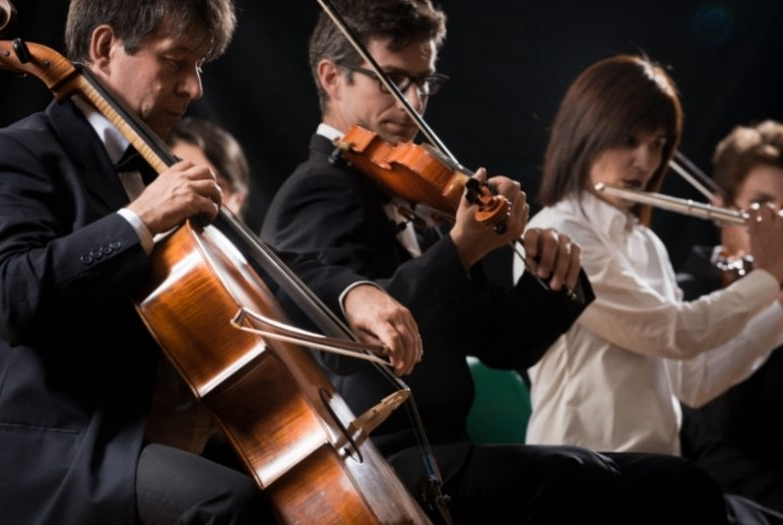
From sweeping orchestral masterpieces to hypnotic guitar melodies and unforgettable piano themes, instrumental music has a timeless power that transcends language and culture. These songs don’t rely on lyrics to stir emotion — they tell stories through soaring arrangements, unforgettable hooks, and pure musical expression. Across decades of film scores, jazz standards, classical crossover hits, rock instrumentals, and electronic anthems, certain compositions have become woven into the soundtrack of everyday life. Whether inspiring nostalgia, excitement, romance, or reflection, the greatest instrumental songs prove that sometimes music speaks loudest when no words are spoken at all. This collection celebrates the legendary instrumental tracks that have captivated listeners and stood the test of time.
1. Take Five by The Dave Brubeck Quartet
Few instrumental recordings have crossed from serious jazz appreciation into everyday popular culture as gracefully as Take Five. Performed by The Dave Brubeck Quartet and written by alto saxophonist Paul Desmond, the song became a defining piece from the landmark album Time Out. Its famous five beat pulse gave the recording a quietly daring edge, yet the melody is so smooth and memorable that many listeners absorb its rhythmic oddity without even realizing how unusual it is. Desmond’s saxophone tone floats with a cool, dry elegance, while Brubeck’s piano work gives the performance a polished architectural feel. Joe Morello’s drum feature adds both technical brilliance and suspense, turning the track into a showcase of controlled swing.
The Dave Brubeck Quartet helped make modern jazz feel both sophisticated and accessible. Brubeck was a pianist with a gift for structure, contrast, and rhythmic experiment, and his group brought adventurous ideas into the mainstream without sacrificing charm. Take Five remains the ensemble’s signature achievement because it feels intellectual and relaxed at the same time. It is music for late night listening, record collecting, film soundtracks, café speakers, and serious jazz study. More than a famous instrumental, it is a reminder that popular music can be quietly revolutionary when the groove, melody, and personality are this strong.
2. Green Onions by Booker T. and The M.G.’s
Green Onions is one of the coolest instrumentals ever committed to tape. Built around Booker T. Jones’s smoky Hammond organ riff, the song sounds like it walked into the room wearing sunglasses and never needed to introduce itself. Released by Booker T. and The M.G.’s, the track became a foundation stone of soul instrumental music, bringing together blues grit, R and B pocket, and Memphis studio elegance. Steve Cropper’s clipped guitar phrases answer the organ with perfect restraint, while Duck Dunn and Al Jackson Jr. lock the rhythm section into a groove that feels simple only because it is played with such authority.
Booker T. and The M.G.’s were far more than a hit instrumental group. They were central architects of the Stax Records sound, backing legendary singers while also building their own identity as one of the great studio bands in American music. Green Onions became their calling card because it captured everything they did best. It is economical, funky, instantly recognizable, and endlessly reusable in films, commercials, radio shows, and playlists. The song does not need flashy solos to make its point. Its power comes from mood, repetition, taste, and feel. Decades later, that organ riff still announces danger, confidence, nightlife, humor, and soul with just a few notes.
3. Classical Gas by Mason Williams
Classical Gas is a dazzling example of how an instrumental can feel both virtuosic and immediately catchy. Written and performed by Mason Williams, the piece fuses classical guitar inspiration, pop arrangement, orchestral color, and a restless sense of movement. The opening guitar figure is crisp and urgent, pulling the listener into a composition that keeps expanding as strings, brass, percussion, and dramatic shifts enter the picture. It feels cinematic without belonging to a specific film, as though it is scoring a chase, a memory, and a triumph all at once. That sense of momentum helped make it one of the rare guitar instrumentals to become a major mainstream hit.
Mason Williams was not only a musician but also a writer and creative personality with a sharp sense of timing and wit. That broader artistic background may help explain why Classical Gas feels so carefully staged. It has sections, surprises, tension, release, and a strong melodic identity. The performance celebrates the guitar as both a folk instrument and a concert instrument, bridging popular music and formal composition in a way that still feels fresh. Its influence can be heard in countless acoustic showcases, television themes, and guitar recitals. For many listeners, it remains the instrumental that made nylon strings sound heroic.
4. Walk Don’t Run by The Ventures
Walk Don’t Run helped define the sound of electric guitar driven instrumental rock. The Ventures took a tune originally associated with jazz guitarist Johnny Smith and transformed it into a clean, ringing surf rock classic. The result became one of the most important guitar instrumentals of the early rock era. Its melody is sharp, bright, and instantly memorable, carried by twanging lead guitar over a propulsive rhythm section that seems to glide forward with youthful confidence. The recording has a sense of motion that perfectly suits its title, moving quickly but never sounding rushed.
The Ventures became one of the most successful instrumental groups in popular music history, especially beloved by guitar players and fans of surf rock, garage rock, and early rock and roll. Their sound was clear, melodic, and tightly arranged, making their records a blueprint for countless young musicians learning electric guitar. Walk Don’t Run stands at the center of that legacy. It is not just a nostalgic oldie. It is a lesson in tone, phrasing, and economy. Every note has purpose, and the band’s performance makes instrumental rock feel exciting without needing vocals. The song’s staying power comes from its simplicity, its elegance, and its pure guitar charisma.
5. Sleep Walk by Santo and Johnny
Sleep Walk is one of the most hauntingly beautiful instrumentals of the rock and roll era. Recorded by brothers Santo and Johnny Farina, the song is built around the shimmering voice of the steel guitar, an instrument that seems to cry, sigh, and dream all at once. The melody has a slow, floating quality that makes it feel suspended in time. It is romantic, lonely, and deeply atmospheric, with a tone that evokes late night streets, slow dances, fading memories, and teenage heartbreak. Few instrumental hits have ever communicated sadness and sweetness with such direct emotional force.
Santo and Johnny created a signature sound that was instantly recognizable. Their blend of steel guitar and gentle accompaniment gave Sleep Walk a dreamlike identity far removed from the louder rock and roll records of its period. The song became a number one hit and has remained a favorite in films, television, oldies radio, and guitar circles. Its influence reaches beyond nostalgia because the melody is so emotionally precise. It proves that an instrumental does not need speed or complexity to become unforgettable. Sometimes the right tone, the right bend of a note, and the right sense of space can say more than a full lyric sheet ever could.
6. Rumble by Link Wray and His Ray Men
Rumble is one of the most dangerous sounding instrumental records ever made. Link Wray’s guitar does not simply play a melody. It snarls, growls, and threatens. Built on thick power chords, raw distortion, and a slow menacing pulse, the track became a crucial ancestor of hard rock, punk, garage rock, and heavy metal. At a time when much popular instrumental music leaned toward polished dance rhythms or smooth orchestration, Rumble sounded like trouble arriving in leather boots. Its impact came not from technical complexity but from attitude, volume, and atmosphere.
Link Wray was a pioneering guitarist whose influence has only grown with time. His use of distortion and chordal force helped expand what the electric guitar could represent in popular music. He gave the instrument a darker personality, one that could communicate rebellion without a singer. Rumble became infamous because of its title, sound, and association with youth unrest, yet that controversy only added to its myth. The recording still feels primal. Every pause matters, every chord lands like a warning, and the tremolo soaked guitar tone seems to vibrate with underground energy. For guitar based instrumental music, Rumble is not merely popular. It is foundational.
7. A Taste of Honey by Herb Alpert and The Tijuana Brass
A Taste of Honey became one of Herb Alpert and The Tijuana Brass’s most beloved recordings because it captures the group’s bright, stylish, and unmistakably playful personality. The trumpet melody is bold but relaxed, polished but never stiff. Alpert’s sound has a sunlit quality, bringing together pop sophistication, Latin flavored rhythm, lounge charm, and easy listening elegance. The arrangement moves with a spring in its step, making the tune feel both classy and casually joyful. It is the kind of instrumental that can fill a room without overwhelming it, which helps explain its enduring presence in popular culture.
Herb Alpert was one of the great instrumental pop figures of the twentieth century. As a trumpeter, bandleader, and music executive, he helped shape the sound of accessible instrumental music while reaching an audience far beyond traditional jazz or orchestral listeners. The Tijuana Brass sound was crisp, melodic, and full of personality, and A Taste of Honey became one of its finest showcases. The song won major recognition and helped define the group’s image during the 1960s. Its appeal lies in the balance between musicianship and pleasure. The performance is expertly arranged, yet it feels effortless, like a sophisticated party that everyone is invited to join.
8. Chariots of Fire by Vangelis
Chariots of Fire is one of the most recognizable instrumental themes in film history. Composed by Vangelis for the motion picture of the same name, the piece became inseparable from images of athletic determination, slow motion triumph, and spiritual ambition. Its opening synthesizer pattern is gentle but instantly iconic, creating a feeling of movement that is both physical and emotional. As the melody rises, the music suggests endurance, grace, and inner focus. It is not a loud victory march. It is more reflective, almost prayerful, which makes its inspirational power feel unusually deep.
Vangelis was a visionary Greek composer and electronic musician whose work helped bring synthesizer based scoring into the cinematic mainstream. His music often combined futuristic textures with grand emotional themes, and Chariots of Fire remains one of his defining achievements. The track became a major popular hit, proving that electronic instrumental music could carry the emotional weight of a traditional orchestral score while sounding completely modern. Its legacy extends through sports broadcasts, ceremonies, parodies, and motivational culture, but the original recording still has dignity and beauty. Beneath its fame is a carefully shaped composition that turns a simple melodic idea into a universal symbol of aspiration.
9. The Pink Panther Theme by Henry Mancini
The Pink Panther Theme is a masterclass in musical character creation. Henry Mancini’s sly, jazzy theme does not merely accompany the famous animated panther and detective comedy universe. It creates the entire mood. The saxophone melody creeps in with a wink, moving through shadowy chromatic phrases that suggest mischief, elegance, secrecy, and comic timing. The arrangement is smooth and sophisticated, with brushed percussion, walking bass, and big band color used in a way that feels both cool and theatrical. Few instrumental themes have ever communicated a personality so clearly within the first few seconds.
Henry Mancini was one of the great composers of film and television music, known for his ability to merge jazz language with memorable popular melody. His catalog includes romantic themes, suspense cues, lounge flavored gems, and orchestral scores, but The Pink Panther Theme remains one of his most enduring creations. The song became a standard because it works outside the screen as well as inside it. Musicians love its sleek harmonic movement, audiences love its instantly recognizable hook, and arrangers continue to find new ways to reinterpret it. It is playful without being silly, elegant without being cold, and clever without losing warmth. That balance is Mancini’s genius.
10. The Good, the Bad and the Ugly by Ennio Morricone
The Good, the Bad and the Ugly is one of the most famous instrumental film themes ever written, and its opening cry is among cinema’s most instantly recognizable sounds. Ennio Morricone created a world with this music. The piece blends whistles, electric guitar, percussion, voices, brass, and unusual textures into a soundscape that feels dusty, dangerous, and mythic. Rather than relying only on traditional orchestral grandeur, Morricone used strange colors and bold motifs to reinvent the sound of the Western. The result is a theme that suggests wide landscapes, moral tension, and larger than life characters before a single word is spoken.
Ennio Morricone was one of the most influential film composers of all time, with a catalog that stretches across Westerns, dramas, thrillers, romances, and art cinema. His partnership with director Sergio Leone produced some of the most distinctive music in screen history. The Good, the Bad and the Ugly remains central to that legacy because it is both experimental and wildly popular. Its melody can be whistled by casual listeners, yet its arrangement is full of daring choices. The track proves that instrumental music can define visual mythology so completely that the sound becomes inseparable from the image. It is cinematic music as folklore.
11. Tequila by The Champs
Tequila is one of the most joyful instrumental hits of the rock and roll era. Recorded by The Champs, the song is driven by a lively saxophone riff, a tight dance rhythm, and the unforgettable spoken title that punctuates the arrangement. Although it contains that famous one word vocal shout, its identity is overwhelmingly instrumental, built around groove, humor, and party energy. The track has a loose, celebratory feel, as if it was designed to get people moving immediately. Its simplicity is part of its brilliance. The riff is easy to remember, the rhythm is infectious, and the personality is impossible to miss.
The Champs were a studio assembled group that unexpectedly scored a massive hit with Tequila. The recording reflects the energy of late 1950s rock and roll, when saxophones, guitars, drums, and dance floor rhythms were reshaping popular music. The song became a number one hit and has remained a staple at parties, sporting events, films, and nostalgic radio formats. What makes it last is not just novelty. The musicianship is tight, the arrangement is smart, and the groove has real punch. Tequila captures the fun side of instrumental music, showing how a compact riff and a memorable mood can become a cultural fixture.
12. Theme from A Summer Place by Percy Faith
Theme from A Summer Place is one of the defining easy listening instrumentals of the twentieth century. Percy Faith and His Orchestra turned the film theme into a sweeping pop phenomenon, creating a recording that feels warm, romantic, and almost weightless. The melody glides with graceful inevitability, supported by lush strings and a polished arrangement that captures the dreamy optimism of its era. It is sentimental in the best sense, designed to carry memory, longing, and beauty without becoming heavy. For many listeners, it represents a golden age of orchestral pop, when instrumental records could dominate the charts and become household favorites.
Percy Faith was a master arranger and conductor whose work helped bring orchestral music into mainstream popular listening. He had a remarkable ability to shape melodies so they felt elegant, accessible, and emotionally direct. Theme from A Summer Place became his signature recording because it distilled that gift into a single unforgettable performance. The song’s popularity was enormous, and its influence can still be heard in romantic scoring, vintage pop collections, and cinematic nostalgia. Its appeal lies in its smoothness, but beneath that smooth surface is careful craft. The strings rise and fall with exquisite control, giving the melody a sense of glow that has never faded.
13. Tubular Bells by Mike Oldfield
Tubular Bells is not a typical instrumental hit. It is ambitious, strange, progressive, and immersive, yet its opening piano figure became one of the most famous instrumental passages in popular music. Mike Oldfield created a sprawling composition that moves through folk, rock, classical, and experimental textures, performing many of the instruments himself. The piece became especially famous after its use in The Exorcist, where its delicate repeating pattern gained an eerie cultural association. Still, the full work is much broader than horror atmosphere. It is a journey through layered sound, shifting moods, and inventive studio construction.
Mike Oldfield was only a teenager when he recorded much of Tubular Bells, which makes the scope of the project even more remarkable. The album helped establish Virgin Records and became a landmark of progressive instrumental music. Its popularity showed that audiences could embrace extended, unconventional compositions when the ideas were vivid enough. The famous opening is hypnotic, but the larger piece rewards deep listening, moving through passages that feel pastoral, intense, playful, and majestic. Tubular Bells stands as a reminder that instrumental music can be both commercially successful and structurally adventurous. It is a record of imagination, discipline, and youthful audacity.
14. Songbird by Kenny G
Songbird is one of the most recognizable smooth jazz instrumentals ever released. Kenny G’s soprano saxophone tone is instantly identifiable, with a lyrical, breathy quality that turns the melody into something close to a vocal performance. The track moves gently, supported by polished production and a relaxed groove, but its main strength is the clarity of its melodic line. It is romantic, reflective, and easy to remember, which helped it reach listeners far beyond the jazz audience. For many people, Songbird became the sound of quiet evenings, adult contemporary radio, and instrumental pop intimacy.
Kenny G became one of the most commercially successful instrumental musicians of the modern era, bringing saxophone led music into homes, offices, weddings, and radio playlists around the world. While critics have often debated smooth jazz as a genre, the popularity of Songbird is undeniable. Its appeal comes from direct emotional communication. The song does not ask the listener to analyze complex harmony or fast improvisation. Instead, it offers a carefully shaped melody delivered with a highly personal tone. That tone became Kenny G’s signature. Songbird remains his defining recording because it captures exactly why his music connected with millions: warmth, simplicity, polish, and a saxophone voice that feels unmistakably his own.
15. Frankenstein by The Edgar Winter Group
Frankenstein is one of the wildest instrumental rock hits ever made. Performed by The Edgar Winter Group, the track earned its title because it was assembled from edited sections of tape, stitched together like a musical creature. That origin story perfectly suits the sound. The song is explosive, muscular, and full of sudden shifts, moving through heavy guitar riffs, synthesizer lines, saxophone blasts, drum breaks, and keyboard fireworks. It has the energy of a rock band showing off in the best possible way, turning technical command into pure excitement. Unlike smoother instrumentals, Frankenstein thrives on impact and surprise.
Edgar Winter was already known as a versatile multi instrumentalist, singer, and bandleader, and this recording showed just how adventurous his group could be. The Edgar Winter Group blended rock, blues, jazz fusion, and progressive energy with a strong sense of showmanship. Frankenstein became a number one hit, proving that an instrumental could still dominate the rock charts in the 1970s. Its synthesizer sounds were especially forward looking, while the rhythm section gave the track a massive physical punch. The song remains a favorite among classic rock fans because it sounds alive, unpredictable, and thrillingly overcharged. It is instrumental rock as a monster movie, a jam session, and a technical showcase all at once.

Samuel Moore is a frequent contributor to Singers Room. Since 2005, Singersroom has been the voice of R&B around the world. Connect with us via social media below.