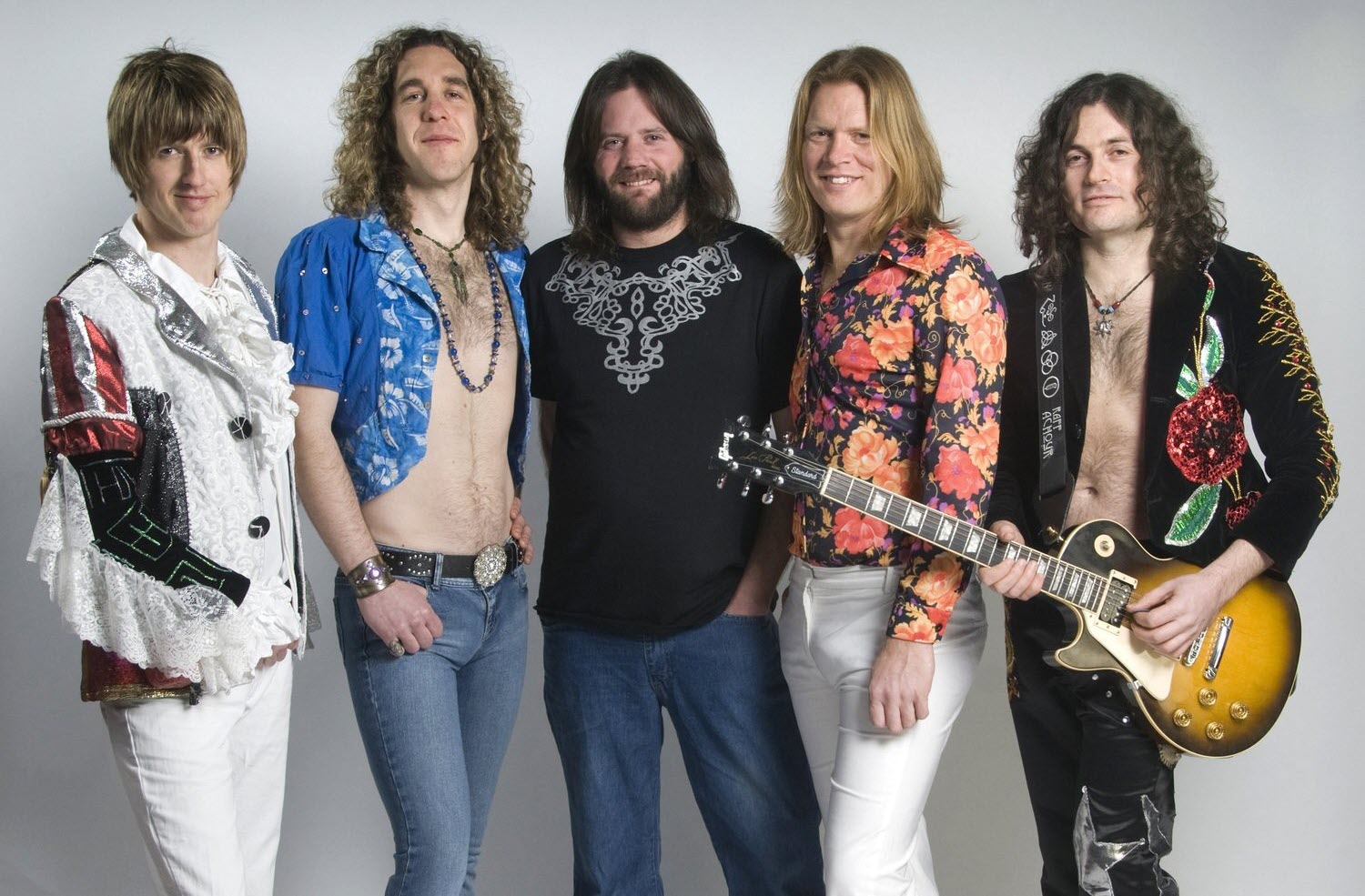
Few bands in the history of rock ‘n’ roll have left a mark as deep and thunderous as Led Zeppelin. Born from the ashes of The Yardbirds and ignited by the raw power of four musical visionaries—Jimmy Page, Robert Plant, John Paul Jones, and John Bonham—Led Zeppelin redefined what rock could be. Blending blues, psychedelia, folk, and hard rock into a colossal sound, they became the blueprint for generations of musicians and the soundtrack to countless lives. Their songs weren’t just hits—they were epic journeys, filled with mysticism, fury, and soul. From stadium-shaking anthems to haunting ballads, Zeppelin’s catalog is a treasure trove of timeless tracks that still electrify speakers and stir hearts decades later. In this article, we dive into the top 10 most popular Led Zeppelin songs of all time—the tracks that fans still blast, guitarists still learn, and critics still revere. Whether you’re a die-hard fan or just discovering the magic, get ready to crank the volume and take a powerful ride through the sound that changed rock forever. These are the songs that built the legend—bold, brilliant, and utterly unforgettable. Let the hammer of the gods fall!
1. “Stairway to Heaven” (1971)
Released in 1971 on Led Zeppelin IV, “Stairway to Heaven” has transcended the boundaries of rock music to become a cultural touchstone. It opens with a delicate acoustic guitar figure and a wistful recorder melody that feels almost medieval in tone, slowly evolving into an epic crescendo of electric fury and emotion. Robert Plant’s lyrics, cloaked in poetic imagery and spiritual overtones, evoke a sense of quest and introspection, while Jimmy Page’s guitar arrangement guides listeners through shifting moods and textures. By the time the song explodes into its final section, listeners are swept into one of the most iconic guitar solos in rock history—a soaring, cathartic expression of passion and power. John Bonham’s drums and John Paul Jones’s bass remain subtle yet essential, anchoring each transition with finesse. Despite never being released as a commercial single, the song found immense success through FM radio and live performances, becoming a rite of passage for generations of fans and guitarists alike. “Stairway to Heaven” isn’t just a song—it’s a journey through sound, emotion, and existential yearning, and remains one of the greatest achievements in rock history.
2. “Whole Lotta Love” (1969)
With the opening riff alone, “Whole Lotta Love” declares war on convention. Released in 1969 as the first track on Led Zeppelin II, the song signaled a seismic shift in the direction of hard rock. Jimmy Page’s fuzzed-out, blues-influenced guitar riff is among the most recognizable in music, setting the tone for a track that oozes sensuality, swagger, and sonic innovation. Robert Plant’s vocals—equal parts primal scream and suggestive croon—turn up the heat, making the song as raw as it is seductive. The middle breakdown ventures into psychedelic territory, where sound effects and studio experimentation blur the line between music and atmosphere. It was a bold move, but it paid off spectacularly. John Bonham’s explosive drumming and John Paul Jones’s groovy bass lines hold the chaos together, grounding the song in undeniable rhythm. “Whole Lotta Love” became Led Zeppelin’s first hit in the United States, peaking at No. 4 on the Billboard charts. It was more than a success—it was a revelation, a daring blueprint for what rock music could be. The track established Zeppelin as innovators unafraid to push boundaries, and it’s still a benchmark of hard rock greatness.
3. “Kashmir” (1975)
“Kashmir,” from 1975’s Physical Graffiti, is Led Zeppelin at their most majestic and experimental. The song is built around a hypnotic, Middle Eastern-influenced riff that cycles endlessly, creating a trance-like effect that feels both grounded and otherworldly. John Bonham’s drumbeat is militaristic and thunderous, adding a sense of looming grandeur, while Jimmy Page’s guitar work is powerful in its restraint—each note chosen for maximum emotional impact. Robert Plant’s lyrics were inspired not by the actual Kashmir region, but by a drive through the deserts of Morocco. Still, the song conjures vast, exotic landscapes and a deep sense of spiritual yearning. With added orchestration and Mellotron layers from John Paul Jones, “Kashmir” becomes almost cinematic in scale. The band moves away from their blues roots here and embraces modal scales and repetitive structures that evoke both ancient rituals and futuristic visions. It’s a song that doesn’t rely on speed or flash, but on atmosphere and sheer presence. “Kashmir” became a staple of the band’s live shows and remains a towering achievement in their catalog. It’s not just a track—it’s a musical odyssey that proves the band’s creative ambition had no borders.
4. “Immigrant Song” (1970)
Short, fierce, and utterly unforgettable, “Immigrant Song” blasts open Led Zeppelin III with a burst of mythological fire. Released in 1970, this two-minute track packs the fury of an ancient Norse army. Robert Plant’s piercing wail—“We come from the land of the ice and snow!”—instantly transports listeners to a world of Vikings, longships, and icy conquests. Inspired by the band’s visit to Iceland, the song channels the stark beauty and raw power of that land into a driving rock anthem. Jimmy Page’s riff slices like a blade, sharp and relentless, while John Paul Jones’s bass and John Bonham’s drumming create a galloping rhythm that never lets up. The song’s brevity is part of its power—there’s no excess, no pretense, just pure energy. Despite its compact runtime, “Immigrant Song” has become one of Zeppelin’s most iconic tracks and a major influence on the heavy metal genre that followed. It proves that a great song doesn’t have to be long to be legendary. With its mythic lyrics, explosive sound, and primal energy, “Immigrant Song” remains one of the most electrifying moments in Zeppelin’s career.
5. “Black Dog” (1971)
“Black Dog,” the opening track of Led Zeppelin IV (1971), is a masterclass in controlled chaos. It starts with Robert Plant’s now-iconic a cappella tease—“Hey, hey mama, said the way you move…”—before launching into a riff so rhythmically twisted it’s practically a puzzle. Jimmy Page’s guitar plays in one time signature while John Bonham and John Paul Jones hold down a groove that constantly shifts and jerks in unexpected ways. The result is a song that feels loose and wild, yet technically precise. Plant’s vocals are raw and teasing, full of sexual tension and bluesy bravado, while the band navigates the intricate structure with effortless cool. Despite its complexity, “Black Dog” became a huge hit and a live favorite, partly because of its gritty blues foundation and partly because of its undeniable swagger. The title, funnily enough, has nothing to do with the lyrics—it was inspired by a stray Labrador retriever that wandered around the studio. “Black Dog” is Led Zeppelin at their most confident and daring, proving they could take a complex musical idea and still make it groove like mad.
6. “Rock and Roll” (1971)
With a drum intro that crashes in like a shot of lightning, “Rock and Roll” is Led Zeppelin’s fiery homage to the roots of rock music. Released on Led Zeppelin IV in 1971, the song was born out of an impromptu jam session and retains that raw, unfiltered spirit. John Bonham’s opening drum pattern pays tribute to Little Richard’s “Keep A-Knockin’,” setting the tone for a blistering, high-octane ride through classic rock and roll territory. Jimmy Page tears into a 12-bar blues riff with furious energy, while Robert Plant belts out lyrics that look back on lost time with both reverence and defiance. There’s no deep symbolism here—just a celebration of the joy, chaos, and catharsis that rock and roll offers. John Paul Jones’s piano and bass provide a rich, rhythmic undercurrent that drives the whole thing forward. “Rock and Roll” is Zeppelin in party mode, and it works because of its simplicity, speed, and sincerity. It’s not about reinventing the wheel—it’s about honoring it, burning rubber, and leaving smoke behind. The track became a live staple and one of their most beloved songs, connecting generations through its explosive, timeless energy.
7. “Ramble On” (1969)
“Ramble On,” from Led Zeppelin II (1969), captures the band’s unique ability to blend gentle folk with thunderous rock in one seamless package. The song begins with an enchanting acoustic guitar, bongos, and a melodic bass line that suggest a pastoral, almost mystical calm. But just as the listener settles in, the chorus erupts with electric guitar, heavy drums, and an emotional punch that elevates the whole piece. Robert Plant’s lyrics explore themes of love, longing, and self-discovery, peppered with references to Tolkien’s The Lord of the Rings—invoking Gollum, Mordor, and the eternal wanderer’s path. Jimmy Page’s guitar work is both lyrical and fierce, while Bonham’s drumming adds drive and dynamics. The contrast between quiet verses and powerful choruses mirrors the song’s exploration of inner and outer journeys. “Ramble On” is as much about moving forward as it is about reflecting on where you’ve been. It showcases Zeppelin’s ability to craft songs that are both introspective and anthemic. With its poetic storytelling, genre-blending sound, and emotional depth, it remains one of the band’s most beloved and enduring tracks.
8. “Dazed and Confused” (1969)
“Dazed and Confused,” from Led Zeppelin’s groundbreaking 1969 debut album, is a dark, sprawling statement of intent—equal parts blues, psychedelia, and raw experimentation. Originally written by folk singer Jake Holmes, the song was reimagined by the band into a powerful and immersive experience. It opens with a moody, descending bass line that sets an ominous tone before Jimmy Page’s eerie, reverberating guitar creeps in, signaling the descent into something far deeper and more chaotic. Robert Plant’s vocals are haunting and tormented, perfectly matching the lyrics’ themes of betrayal and confusion. But what truly sets the track apart is the wild, unstructured middle section—an improvisational frenzy where Page famously uses a violin bow on his guitar, creating ghostly, unearthly sounds that became legendary in live performances. John Bonham and John Paul Jones hold the madness together with unshakable rhythm, allowing the band to go off the rails without ever crashing. “Dazed and Confused” feels like a fever dream set to music—intense, unpredictable, and emotionally charged. It became a live centerpiece and helped define the heavy, exploratory sound that would become Zeppelin’s signature, influencing generations of hard rock and metal acts.
9. “When the Levee Breaks” (1971)
Closing out Led Zeppelin IV, “When the Levee Breaks” is a thunderous reimagining of a 1929 blues song by Kansas Joe McCoy and Memphis Minnie. But in Zeppelin’s hands, it becomes something mythic—a towering wall of sound that feels like the earth itself is cracking open. The track opens with John Bonham’s now-legendary drumbeat, recorded in the stairwell of Headley Grange to give it a booming, cavernous echo. That beat would go on to be one of the most sampled in music history. Jimmy Page’s use of slide guitar adds a mournful, almost supernatural element, while John Paul Jones’s harmonica wails like a warning siren. Robert Plant’s vocals are distant and urgent, describing the devastation of the 1927 Mississippi flood with apocalyptic intensity. The song doesn’t follow a typical structure—it’s more of a slow, unstoppable swell of tension and release. “When the Levee Breaks” is not just a cover—it’s a transformation, turning traditional blues into a monumental rock experience. It’s Zeppelin at their heaviest and most atmospheric, and a powerful reminder of nature’s force and the blues’ enduring relevance.
10. “Since I’ve Been Loving You” (1970)
“Since I’ve Been Loving You,” from Led Zeppelin III (1970), is an emotional outpouring set to one of the most hauntingly beautiful blues arrangements in rock history. The song begins with a plaintive organ and a sorrowful, aching guitar line that immediately sets a melancholic mood. Robert Plant’s vocals enter with raw vulnerability, delivering lyrics soaked in heartache and desperation. His voice quivers with emotion, as if each line is being torn from deep within. Jimmy Page’s guitar work here is especially masterful—his solos are soulful and restrained, yet they bleed feeling and tension. There’s no flashy shredding—just carefully chosen notes that seem to cry along with the vocals. John Bonham’s drumming is subtle but dynamic, punctuating the rises and falls with perfect nuance, while John Paul Jones’s organ playing adds a church-like solemnity to the arrangement. “Since I’ve Been Loving You” is Zeppelin’s ultimate love letter to the blues—painful, passionate, and profoundly human. It’s not just a technical showcase—it’s a song that drips with emotion, reminding listeners that rock at its best is as much about feeling as it is about power.

Samuel Moore is a frequent contributor to Singers Room. Since 2005, Singersroom has been the voice of R&B around the world. Connect with us via social media below.