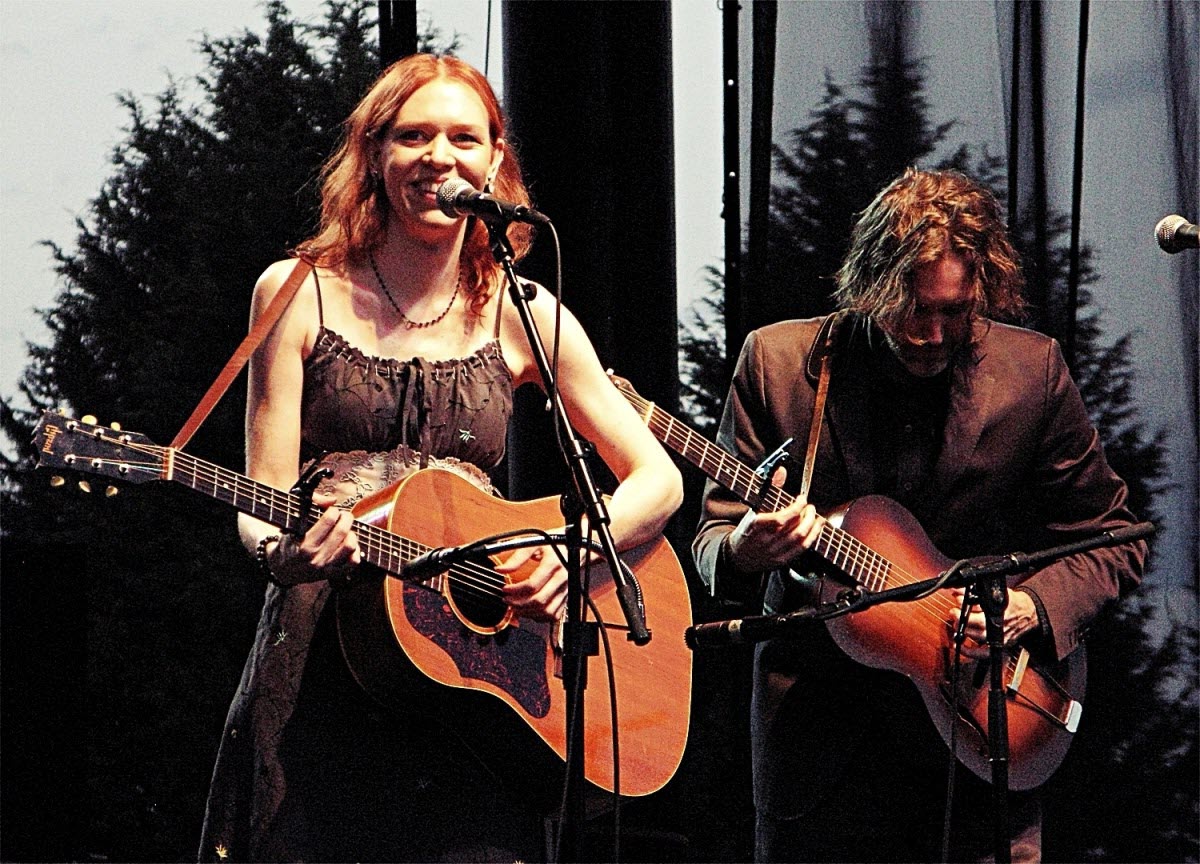
Folk music is more than just a genre—it’s a living, breathing history of human experience, passed down through generations. From haunting ballads to stirring protest anthems, folk songs capture the essence of struggle, love, loss, and hope. Rooted in tradition yet constantly evolving, these songs have influenced countless artists and shaped entire social movements.
In this list, we celebrate the 15 most popular and beloved folk songs of all time—songs that have transcended decades, cultures, and borders. Whether it’s Bob Dylan’s poetic calls for change, Woody Guthrie’s ode to the American landscape, or traditional ballads that have echoed for centuries, each of these songs has left an indelible mark on music history.
These are the songs that have been sung around campfires, in protest marches, and on countless stages. They tell stories of war and peace, of lovers lost and found, of journeys taken and roads left behind. Some are heartbreaking, some are uplifting, but all are unforgettable.
1. “Blowin’ in the Wind” – Bob Dylan (1962)
Bob Dylan’s Blowin’ in the Wind isn’t just a song—it’s a timeless anthem of change and resistance. Released in 1962 on his album The Freewheelin’ Bob Dylan, this folk classic poses a series of rhetorical questions about freedom, war, and human rights, leaving the listener to reflect on the answers that, as Dylan suggests, are already “blowin’ in the wind.” The song’s simple structure and deeply philosophical lyrics made it a defining moment in protest music, giving voice to a generation struggling with civil rights and the Vietnam War. Dylan’s melody was inspired by the African American spiritual No More Auction Block, further grounding the song in the history of struggle and perseverance. Blowin’ in the Wind quickly gained traction beyond Dylan’s own performance, with Peter, Paul and Mary’s 1963 rendition helping to solidify its place as one of the most recognized and covered protest songs of all time. Its message remains just as relevant today, proving that true anthems of justice never fade—they continue to inspire new generations seeking change.
2. “The Times They Are a-Changin’” – Bob Dylan (1964)
Few songs have captured the urgency of social change quite like Bob Dylan’s The Times They Are a-Changin’. Released in 1964 as the title track of his third studio album, this song became an anthem for a rapidly shifting world. With each verse addressing different societal groups—politicians, parents, critics—Dylan warns them that resistance to change is futile. His lyrics read like a prophecy, speaking directly to the tensions of the Civil Rights Movement and the Vietnam War era, making it an essential song for activists of the time. The song’s stark melody and poetic directness gave it a weight that resonated far beyond its initial release, influencing musicians, movements, and political discourse for decades. It has been covered by a wide range of artists, from folk singers like Joan Baez to rock bands like The Byrds. Today, its message remains as powerful as ever, reminding us that progress is inevitable and those unwilling to adapt may find themselves left behind.
3. “This Land Is Your Land” – Woody Guthrie (1940)
Often referred to as America’s unofficial national anthem, Woody Guthrie’s This Land Is Your Land is a folk classic that blends patriotism with social consciousness. Written in 1940 as a response to Irving Berlin’s overly optimistic God Bless America, Guthrie’s song aimed to provide a more realistic, inclusive vision of the country. The lyrics celebrate America’s landscapes, from the Redwood Forest to the Gulf Stream waters, but also hint at deeper themes of inequality and injustice. While some of Guthrie’s original verses—addressing economic hardship and barriers to prosperity—were left out of popular versions, the song has nevertheless become a symbol of unity and activism. Over the years, This Land Is Your Land has been embraced by folk musicians, civil rights activists, and labor movements, its message of shared belonging resonating across generations. Whether sung in classrooms, protests, or concerts, its enduring spirit reminds us that America is for everyone, not just a privileged few.
4. “House of the Rising Sun” – Traditional (First recorded 1933)
One of the most haunting and mysterious folk songs ever recorded, House of the Rising Sun has roots that stretch back centuries. Though its origins are unclear, music historians trace it to English folk ballads that traveled across the Atlantic and found new life in the American South. The first known recording was made in 1933 by Appalachian musician Tom Clarence Ashley, though its most famous rendition came decades later when The Animals turned it into a rock classic in 1964. The song’s lyrics tell a tragic story of a life destroyed by gambling and vice, with many versions setting the narrative in a house of ill repute in New Orleans. Earlier folk interpretations by artists like Lead Belly and Joan Baez preserved its eerie, mournful quality, making it a staple of traditional American music. Whether played as a folk ballad or a bluesy rock anthem, House of the Rising Sun continues to captivate audiences with its tale of downfall and regret.
5. “If I Had a Hammer” – Pete Seeger & Lee Hays (1949)
Written in 1949 by folk legends Pete Seeger and Lee Hays, If I Had a Hammer is a song of hope, unity, and determination. Originally introduced to the public by The Weavers, the song didn’t gain mainstream popularity until the early 1960s when Peter, Paul and Mary’s rousing version turned it into an anthem of the Civil Rights Movement. Each verse speaks of using symbolic tools—a hammer, a bell, a song—to spread messages of justice, freedom, and love. The song’s simple, repetitive melody made it easy to sing along to, helping it become a staple at rallies and protests. Beyond its political significance, If I Had a Hammer remains an uplifting folk classic, reminding listeners that even small voices, when united, can drive meaningful change. Today, it continues to inspire those fighting for equality and human rights around the world.
6. “Where Have All the Flowers Gone” – Pete Seeger (1955)
Few songs capture the sorrowful cycle of war as poignantly as Pete Seeger’s Where Have All the Flowers Gone. Written in 1955 and later expanded by Joe Hickerson, this anti-war ballad is both haunting and deceptively simple. Inspired by a passage from a Russian novel about Cossack soldiers, Seeger’s lyrics follow a circular progression, illustrating the endless cycle of youth lost to war. The song gained major recognition in the 1960s when it was recorded by The Kingston Trio, Joan Baez, and Peter, Paul and Mary. Its melancholic, repetitive structure makes it all the more powerful, reinforcing the sense of history tragically repeating itself. Decades later, its message remains heartbreakingly relevant, as conflicts around the world continue to claim countless lives. Where Have All the Flowers Gone is a song that reminds us of the human cost of war and the urgency of seeking peace.
7. “Scarborough Fair” – Traditional (Popularized in 1966)
A song shrouded in mystery and longing, Scarborough Fair is a traditional English ballad that dates back to the 17th century. Telling the tale of lost love and seemingly impossible tasks, its poetic verses have been passed down for generations. In 1966, Simon & Garfunkel’s haunting rendition introduced the song to a global audience, blending it with their own anti-war composition, Canticle, to give it a deeper, more political edge. The melody’s dreamlike quality and medieval origins create an almost otherworldly feel, making Scarborough Fair one of the most enchanting and enduring folk songs in history. Whether heard as a tale of love or as a reflection on war, it continues to resonate with listeners seeking beauty in music’s storytelling tradition.
8. “500 Miles” – Hedy West (1961)
A song of longing, displacement, and regret, 500 Miles was written and first recorded by American folk singer Hedy West in 1961. The lyrics tell the story of a weary traveler far from home, unable to return due to misfortune. Its plaintive melody and simple, repetitive structure give the song an emotional depth that speaks to the universal human experience of feeling lost or disconnected. Covered by countless artists, including Peter, Paul and Mary, Johnny Cash, and Joan Baez, 500 Miles has become a folk standard. Its themes of separation and nostalgia make it especially poignant for those who have had to leave home in search of a better life. Whether sung in a whisper or a full-voiced lament, the song remains one of the most touching expressions of longing in folk music history.
9. “The Night They Drove Old Dixie Down” – The Band (1969)
Written by Robbie Robertson and recorded by The Band in 1969, “The Night They Drove Old Dixie Down” tells the story of the American Civil War from a Confederate soldier’s perspective. The song’s vivid storytelling and moving melody capture the devastation of war without glorifying its causes. Joan Baez’s 1971 cover helped bring it to a wider audience. Its historical depth and emotional weight make it one of folk music’s most compelling songs.
10. “City of New Orleans” – Steve Goodman (1971)
Steve Goodman’s “City of New Orleans” is a nostalgic ode to the fading glory of American railroads. Released in 1971, the song paints a bittersweet picture of a train journey across the Midwest. Arlo Guthrie’s 1972 version turned it into a folk classic, and later covers by Willie Nelson and Johnny Cash cemented its legacy. Its reflective lyrics and rolling melody evoke both the romance and decline of a bygone era.
11. “Turn! Turn! Turn!” – Pete Seeger (1959)
Adapted from the Bible’s Book of Ecclesiastes, Pete Seeger’s “Turn! Turn! Turn!” (1959) became a folk-rock anthem when The Byrds recorded it in 1965. The song’s message of peace and change resonated deeply during the Vietnam War era. With its timeless lyrics and soaring melody, it remains one of the most uplifting folk songs ever written.
12. “Tom Dooley” – Traditional (First recorded 1929)
Based on a real 1866 murder case, “Tom Dooley” is a chilling folk ballad of crime and punishment. First recorded in 1929 by Grayson & Whitter, it became a major hit when The Kingston Trio released their rendition in 1958. Its haunting melody and tragic story have made it a staple of American folk music.
13. “Goodnight Irene” – Lead Belly (1933)
Lead Belly’s “Goodnight Irene” is a melancholic folk-blues song about lost love and longing. Written in 1933 but popularized by The Weavers in 1950, its sorrowful refrain struck a chord with audiences. The song’s widespread appeal led to numerous covers, solidifying it as a folk classic.
14. “Black is the Color (of My True Love’s Hair)” – Traditional (Early 1900s)
A traditional Appalachian folk song, “Black is the Color” is a tender love ballad. First documented in the early 1900s, it was later popularized by artists like Joan Baez and Nina Simone. Its poetic lyrics and emotional depth make it one of the most beautiful folk songs ever written.
15. “Danny Boy” – Frederic Weatherly (1913)
Set to the traditional Irish melody “Londonderry Air,” “Danny Boy” is a heartfelt ballad of farewell. Written in 1913 by Frederic Weatherly, it became an enduring symbol of Irish heritage and longing. Its poignant lyrics and soaring melody have made it a favorite for generations.

Samuel Moore is a frequent contributor to Singers Room. Since 2005, Singersroom has been the voice of R&B around the world. Connect with us via social media below.









