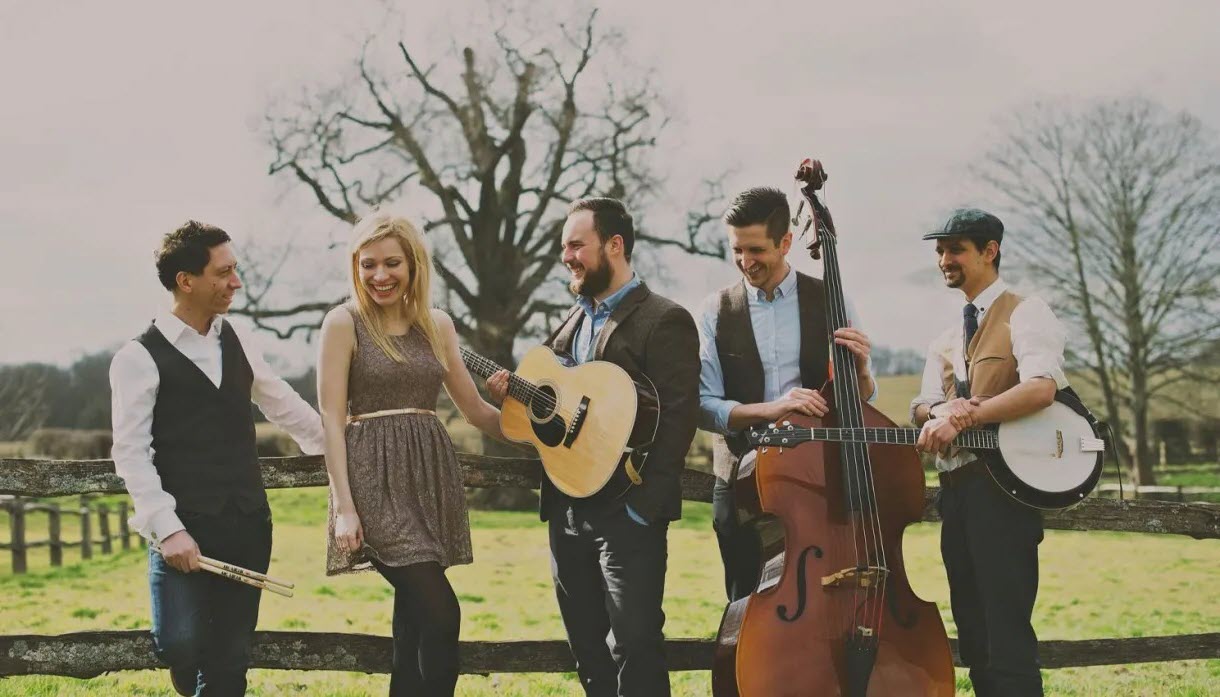
Folk music is the heartbeat of storytelling, an eternal thread weaving together generations, cultures, and emotions. It’s a genre that feels like a warm embrace, filled with raw emotion, poetic lyrics, and melodies that can transport you to a different time and place. From the tranquil strumming of acoustic guitars to the haunting harmonies of voices blending like magic, folk bands have the power to captivate, inspire, and connect us all. But which bands have left an indelible mark on the rich tapestry of folk music?
In this article, we delve into the world of the top 15 best folk bands of all time—groups that have defined and redefined the genre, leaving behind a timeless legacy. Whether you’re a seasoned folk aficionado or a curious newcomer, this list celebrates the bands that have shaped the essence of folk music with their storytelling prowess and innovative sounds. From the trailblazers who brought folk to the mainstream to modern-day ensembles keeping its spirit alive, prepare for a journey through heartwarming ballads, rousing anthems, and unforgettable performances. These are the bands that remind us why folk music continues to resonate so deeply, transcending borders and generations. Let’s dive in!
1. Simon & Garfunkel
Simon & Garfunkel stand as one of the most iconic folk duos in music history, capturing the essence of the 1960s with their poetic lyrics, intricate harmonies, and timeless melodies. Paul Simon and Art Garfunkel first gained recognition with their hauntingly beautiful song The Sound of Silence, a track that perfectly encapsulated the loneliness and disconnection of modern society. Their ability to craft introspective ballads alongside socially relevant anthems set them apart from their peers.
Their masterpiece, Bridge Over Troubled Water, became a defining song of comfort and resilience, showcasing Garfunkel’s soaring vocals and Simon’s masterful songwriting. Albums like Parsley, Sage, Rosemary and Thyme and Bookends displayed their talent for blending folk with elements of rock and classical music, further solidifying their reputation. Their music wasn’t just about beautiful melodies; it carried deep messages, reflecting the turbulent times of the ’60s and addressing themes of love, loss, and social change.
Even after their breakup, Simon & Garfunkel’s legacy has endured, influencing countless folk and rock artists. Their songs remain as poignant today as they were decades ago, proving that true artistry transcends generations.
2. Fleet Foxes
Fleet Foxes revitalized folk music for a new generation, blending lush harmonies, poetic lyricism, and intricate instrumentation to create a sound that feels both timeless and contemporary. Emerging from Seattle in the late 2000s, they quickly became a defining force in modern folk with their self-titled debut album in 2008.
Songs like White Winter Hymnal showcased their ethereal vocal layering and storytelling ability, evoking imagery of nature, nostalgia, and dreamlike landscapes. Their music is deeply rooted in traditional folk but also influenced by baroque pop and Appalachian sounds. Lead singer Robin Pecknold’s rich, expressive voice carries an emotional depth that elevates each song beyond mere melody. Their sophomore album, Helplessness Blues, further cemented their artistry, delving into themes of self-discovery and existential questioning with tracks like Montezuma and Grown Ocean.
Fleet Foxes’ music transports listeners to a serene, otherworldly space, making them a cornerstone of the indie folk movement. Their ability to balance complexity with accessibility ensures their place as one of the most respected folk acts of the 21st century.
3. The Lumineers
The Lumineers burst onto the folk music scene with a raw, heartfelt energy that immediately connected with audiences worldwide. Formed in Denver, Colorado, the band’s breakout single Ho Hey from their 2012 self-titled debut became an instant folk-pop anthem, its foot-stomping rhythm and simple yet infectious melody capturing the spirit of a new wave of folk revivalists.
Beyond their radio-friendly hits, The Lumineers excel at storytelling, weaving tales of love, loss, and personal struggle into their music. Songs like Stubborn Love and Ophelia showcase their stripped-down, acoustic-driven sound, relying on earnest vocals, evocative lyrics, and warm instrumentation to create an intimate listening experience. Their ability to balance folk simplicity with emotional depth has made them a standout in contemporary folk music.
With each album, The Lumineers continue to evolve, expanding their musical palette while maintaining their signature raw and rustic charm. Their songs feel deeply personal yet universally relatable, making them one of the most beloved folk bands of the modern era.
4. Mumford & Sons
Mumford & Sons took folk music to new heights, infusing traditional folk elements with modern rock energy to create a sound that resonated with a global audience. Led by Marcus Mumford’s impassioned vocals, the band gained mainstream success with their 2009 debut album, Sigh No More, which introduced the world to their signature banjo-driven, foot-stomping sound.
Tracks like Little Lion Man and The Cave showcased their ability to blend literary storytelling with anthemic melodies, making folk music feel both urgent and exhilarating. Their follow-up album, Babel, solidified their place as folk-rock pioneers, winning a Grammy for Album of the Year in 2013. With songs like I Will Wait, they brought folk into stadiums, proving its widespread appeal.
Over time, Mumford & Sons have experimented with their sound, incorporating electric guitars and more expansive production, but their heartfelt lyrics and emotional intensity remain constant. Their music bridges the gap between old-world folk and modern rock, making them one of the most influential folk bands of the 21st century.
5. Crosby, Stills, Nash & Young
Crosby, Stills, Nash & Young (CSNY) are legendary figures in folk rock, known for their breathtaking harmonies, profound lyrics, and deep political consciousness. Formed by David Crosby, Stephen Stills, Graham Nash, and later joined by Neil Young, the group became a defining voice of the late 1960s and early 1970s counterculture movement.
Songs like Ohio captured the urgency of the era, serving as a powerful protest against the Kent State shootings, while Teach Your Children carried a timeless message about love and generational wisdom. Their music wasn’t just entertainment—it was activism set to melody, addressing issues of war, civil rights, and personal freedom. Suite: Judy Blue Eyes, an intricately crafted piece blending folk storytelling with complex vocal harmonies, remains one of their most celebrated works.
Despite internal tensions and lineup changes, the group’s influence on folk and rock music is undeniable. Their ability to seamlessly merge intricate musicianship with socially conscious themes set a new standard for folk rock. CSNY’s legacy continues to inspire musicians who seek to blend artistry with activism, proving that music can be both a powerful statement and a source of healing.
6. The Kingston Trio
The Kingston Trio played a pivotal role in the folk revival of the late 1950s, bringing traditional folk music into the mainstream with their clean harmonies, polished arrangements, and engaging storytelling. Their success helped lay the groundwork for the folk boom of the 1960s, inspiring countless artists who followed.
One of their most famous songs, Tom Dooley, became a massive hit, introducing audiences to a murder ballad steeped in Appalachian tradition. Other songs like Where Have All the Flowers Gone? and M.T.A. further cemented their ability to blend history, humor, and social commentary into their music. Unlike some of the politically charged folk artists of the era, The Kingston Trio focused on accessible, radio-friendly folk music that appealed to a broad audience.
While they may not have been the most radical voices of their time, their impact on the folk genre is undeniable. By popularizing traditional songs and proving that folk music could be commercially viable, The Kingston Trio helped set the stage for the likes of Bob Dylan, Joan Baez, and Simon & Garfunkel. Their legacy continues to be felt in folk music today.
7. Peter, Paul and Mary
Peter, Paul and Mary were more than just a folk trio—they were a voice for change during one of America’s most turbulent decades. With their impeccable harmonies, socially conscious lyrics, and unwavering commitment to activism, they became one of the most influential folk groups of the 1960s.
Songs like Blowin’ in the Wind—a cover of Bob Dylan’s classic—became anthems of the civil rights and anti-war movements. If I Had a Hammer echoed themes of justice and equality, while Puff, the Magic Dragon showcased their ability to craft emotionally resonant narratives. Their performances at the March on Washington in 1963 and their continued support for social justice causes solidified their reputation as artists who didn’t just sing about change—they embodied it.
Even after decades, Peter, Paul and Mary’s music remains as powerful as ever. Their songs continue to inspire new generations to think critically, stand for justice, and believe in the power of music as a force for good. Their legacy is not just in the records they sold but in the movements they supported and the change they helped inspire.
8. The Weavers
The Weavers were true pioneers of the American folk music movement, laying the foundation for the folk revival of the 1950s and 60s. Led by Pete Seeger, the group took traditional folk songs and made them accessible to a wider audience, bringing the rich history of American roots music into the spotlight.
Their rendition of Goodnight Irene, originally written by Lead Belly, became a massive hit, introducing folk music to mainstream radio listeners. Other songs like If I Had a Hammer and Tzena, Tzena, Tzena carried messages of hope, unity, and social justice. However, their commitment to political activism led to their blacklisting during the Red Scare, a period of intense political repression in the United States.
Despite facing adversity, The Weavers’ influence on folk music cannot be overstated. Their work inspired a new generation of folk artists, including Bob Dylan, Joan Baez, and Peter, Paul and Mary, who carried their message of activism forward. Today, their songs remain powerful reminders of the enduring relationship between folk music and social change.
9. The Avett Brothers
The Avett Brothers have redefined modern folk by blending bluegrass, rock, and country with deeply personal and emotionally charged songwriting. Formed by brothers Scott and Seth Avett, the band brings an authentic, raw energy to folk music that resonates with fans across genres.
Songs like I and Love and You showcase their ability to write introspective, poetic lyrics that speak to the human experience. Their music often explores themes of love, loss, and redemption, delivered with passionate vocals and dynamic instrumentation. Unlike some folk acts that rely solely on traditional acoustic elements, The Avett Brothers incorporate electric guitars, piano, and orchestral arrangements, giving their sound a unique and expansive quality.
Their live performances are legendary for their high energy and emotional intensity, further endearing them to a devoted fanbase. With a catalog that spans heartfelt ballads to foot-stomping anthems, The Avett Brothers continue to push the boundaries of folk music while staying true to its heartfelt storytelling roots.
10. Fairport Convention
Fairport Convention is one of the most influential bands in British folk rock, pioneering a fusion of traditional English folk music with electric instrumentation. Their groundbreaking 1969 album Liege & Lief is often regarded as one of the greatest folk rock albums of all time, setting the stage for the genre’s evolution.
Led by vocal powerhouse Sandy Denny and guitarist Richard Thompson, Fairport Convention brought a new level of sophistication to folk music. Songs like Matty Groves and Tam Lin reinterpreted traditional ballads with electrifying intensity, blending historical storytelling with modern rock energy. Their ability to seamlessly mix ancient melodies with contemporary arrangements made them stand out among folk bands of the era.
Despite numerous lineup changes over the years, Fairport Convention has remained a cornerstone of the folk scene, continuing to perform and influence new generations of musicians. Their legacy lies not just in their recordings but in their role as torchbearers of British folk traditions, keeping centuries-old music alive while pushing the boundaries of the genre.
11. The Decemberists
The Decemberists have carved out a distinctive place in modern folk music with their literary storytelling, theatrical performances, and eclectic instrumentation. Led by frontman Colin Meloy, the band blends folk, rock, and baroque pop, crafting songs that feel like intricate narratives filled with historical references, folklore, and poetic lyricism.
One of their most famous tracks, The Mariner’s Revenge Song, is a dark, sea-faring tale filled with dramatic twists and turns, showcasing the band’s flair for the theatrical. Other songs like O Valencia! and Down by the Water highlight their ability to combine rich storytelling with infectious melodies. Their 2006 album The Crane Wife, inspired by a Japanese folk tale, remains one of their most celebrated works, demonstrating their unique approach to blending traditional folk themes with contemporary rock energy.
Beyond their music, The Decemberists are known for their immersive live shows, which often feel like interactive theatrical productions, drawing audiences into the worlds they create. Their ability to craft intricate, thought-provoking songs while maintaining a sense of fun and playfulness has cemented them as one of the most original and beloved folk bands of the 21st century.
12. Pentangle
Pentangle was one of the most innovative folk groups of the late 1960s, blending folk, jazz, blues, and medieval influences into a sound that was entirely their own. With virtuosic musicianship and a unique approach to arrangement, the band helped expand the boundaries of folk music, making it more intricate and musically adventurous.
Featuring guitarists John Renbourn and Bert Jansch, bassist Danny Thompson, drummer Terry Cox, and vocalist Jacqui McShee, Pentangle created music that was both technically impressive and deeply expressive. Songs like Light Flight and Once I Had a Sweetheart showcase their ability to blend complex rhythms with delicate melodies, resulting in a sound that was both ethereal and grounded in tradition.
Their 1969 album Basket of Light remains a landmark release, demonstrating their ability to seamlessly merge folk structures with jazz improvisation and bluesy undertones. While they may not have achieved the commercial success of some of their contemporaries, Pentangle’s influence on folk music is undeniable, inspiring countless artists who sought to push the boundaries of the genre.
13. Of Monsters and Men
Hailing from Iceland, Of Monsters and Men burst onto the international music scene with their anthemic, folk-infused indie rock. Their breakout hit Little Talks became a global sensation in 2011, drawing listeners in with its soaring melodies, call-and-response vocals, and sweeping instrumentation.
What sets Of Monsters and Men apart is their ability to create immersive, almost cinematic soundscapes. Their music often feels like a journey through mystical landscapes, blending folk storytelling with grand, atmospheric production. Tracks like Dirty Paws and King and Lionheart showcase their knack for writing songs that feel both deeply personal and universally evocative.
Their debut album My Head Is an Animal introduced the world to their signature sound, while subsequent albums, such as Beneath the Skin, explored darker, more introspective themes. Their ability to merge Icelandic folk traditions with modern indie aesthetics has earned them a devoted following, making them one of the most unique and successful folk-influenced bands of the past decade.
14. Iron & Wine
Iron & Wine, the stage name of singer-songwriter Sam Beam, is known for crafting some of the most intimate and poetic folk music of the 21st century. His hushed vocals, intricate fingerpicking, and deeply evocative lyrics create an atmosphere of warmth and nostalgia, making his songs feel like deeply personal confessions.
One of his most beloved tracks, Naked as We Came, exemplifies his ability to capture the beauty and fragility of human relationships in just a few simple lines. Songs like The Trapeze Swinger and Such Great Heights (his haunting cover of The Postal Service’s indie hit) further showcase his gift for storytelling and emotional depth.
Over the years, Iron & Wine’s sound has evolved, incorporating elements of jazz, orchestral arrangements, and more expansive production. Yet, at the core of his music remains a commitment to honest, heartfelt songwriting. Whether stripped-down or richly arranged, his work continues to resonate with listeners who find solace in his beautifully crafted melodies and deeply introspective lyrics.
15. Woody Guthrie
Woody Guthrie is often considered the godfather of American folk music. His songs were more than just melodies—they were powerful narratives that spoke to the struggles and dreams of everyday people. With his guitar inscribed with the words “This Machine Kills Fascists,” Guthrie used music as a tool for activism, chronicling the hardships of the Great Depression, the plight of migrant workers, and the fight for social justice.
His most famous song, This Land Is Your Land, is an enduring anthem of democracy and inclusion, originally written as a response to Irving Berlin’s God Bless America. Other songs like Hard Travelin’, Pastures of Plenty, and Do Re Mi captured the struggles of the working class, painting vivid pictures of life in a rapidly changing America.
Guthrie’s influence extends far beyond his own recordings. His legacy paved the way for folk icons like Bob Dylan, Joan Baez, and Bruce Springsteen, who carried forward his tradition of music as social commentary. Even decades after his passing, Woody Guthrie’s songs continue to inspire activists and musicians alike, proving that folk music can be a powerful force for change.

Edward Tomlin is a frequent contributor to Singers Room. Since 2005, Singersroom has been the voice of R&B around the world. Connect with us via social media below.