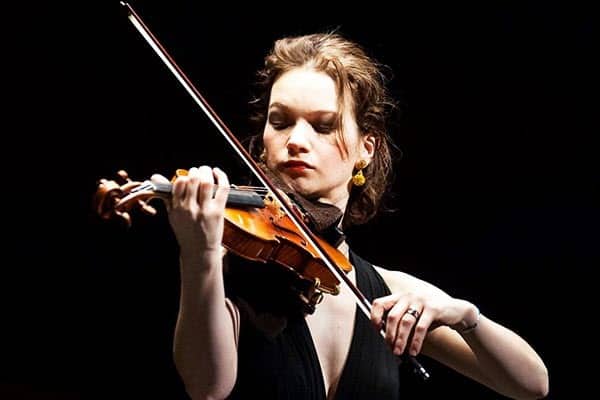
The violin, a timeless instrument of unparalleled elegance and emotion, has captivated hearts and minds for centuries. From the hauntingly beautiful adagios to the electrifying prestos, this four-stringed wonder has served as a vessel for some of the most profound artistic expressions in history. But what truly brings it to life is the virtuosity of those who wield the bow with skill, passion, and a touch of magic. In this article, we celebrate the top 15 best violin players of all time—those who have not only mastered the instrument but redefined its possibilities, leaving an indelible mark on the world of music.
These legendary individuals come from different eras and backgrounds, yet all share an extraordinary ability to connect with listeners on a deeply emotional level. From the fiery brilliance of Niccolò Paganini, whose technical feats seemed almost supernatural, to the soulful interpretations of Itzhak Perlman, who continues to inspire millions, these violinists have shaped the evolution of classical music and beyond. Whether you’re a lifelong aficionado or a curious newcomer, prepare to be amazed as we delve into the lives, legacies, and breathtaking performances of these extraordinary musicians. Let the music begin, and let the strings guide you into a world of unparalleled artistry!
1. Niccolò Paganini
Niccolò Paganini is undeniably one of the most legendary figures in the history of violin playing. Born in Genoa, Italy, in 1782, Paganini’s virtuosity set new standards for what was possible on the violin, earning him the title of “The Devil’s Violinist.” His exceptional technique, which included lightning-fast finger work, unorthodox bowing styles, and a remarkable ability to play the most difficult passages with ease, seemed almost supernatural to audiences of his time. Paganini’s compositions, especially the 24 Caprices for Solo Violin, remain some of the most technically challenging works ever written for the instrument. These pieces continue to be a benchmark for violinists, pushing the limits of what can be achieved on the violin. Paganini’s performances were electrifying, captivating his audience with his dramatic presence and unmatched skill. His playing was not just technically impressive but deeply expressive, as he could convey a wide range of emotions through his music, whether it be the somber depth of a slow movement or the fiery intensity of a fast passage. Paganini’s influence extended beyond his own compositions; he inspired a generation of violinists to pursue new possibilities for the instrument. His musical legacy is still alive today, with modern virtuosos often citing him as a major influence in shaping their careers. Despite his fame, Paganini’s life was marked by personal struggles, including financial hardships and rumors surrounding his health and lifestyle, which only added to the mystique surrounding him. Even today, Paganini is remembered not only for his incredible technical ability but also for the lasting impact he had on the violin world, solidifying his place as one of the greatest violinists in history.
2. Jascha Heifetz
Jascha Heifetz is widely regarded as the “King of the Violin,” and for good reason. Born in Vilnius (now part of Lithuania) in 1901, Heifetz was a child prodigy, making his professional debut at just 7 years old. By the time he was a teenager, his name was already synonymous with perfection in violin playing. Heifetz’s technique was flawless, and his tone was rich, pure, and effortlessly expressive. His interpretations of the great violin concertos, such as those by Tchaikovsky, Mendelssohn, and Brahms, set the standard for generations of violinists that followed. Heifetz’s ability to marry technical brilliance with deep emotional expression made him a beloved figure both in the concert hall and on recordings. His recordings from the 1920s through the 1970s are still considered some of the finest in the violin repertoire. One of Heifetz’s defining features was his impeccable intonation, which he maintained regardless of the difficulty or tempo of the music. He often played with precision and clarity, yet there was always a sense of warmth in his performances. His virtuosity was legendary, but he never sacrificed musicality for technical prowess, and every note seemed perfectly placed in the larger context of the work. Heifetz’s influence on the world of classical music is immeasurable, and his performances set a gold standard that violinists still strive to reach. His recordings, particularly of the great violin concertos, continue to be a reference point for students, teachers, and listeners alike, solidifying his place as one of the greatest violinists of the 20th century.
3. Itzhak Perlman
Itzhak Perlman is an icon of the violin world, known not only for his technical prowess but also for his deeply expressive playing. Born in Israel in 1945, Perlman overcame the challenges of contracting polio as a child, showing remarkable resilience and determination. He began studying the violin at a young age, and by the time he was a teenager, he was already recognized as a prodigy. Over the course of his illustrious career, Perlman has become one of the most beloved violinists in the world. His sound is rich and warm, with a unique ability to express profound emotion through his playing. Perlman’s technical ability is legendary, and his mastery of the violin allows him to tackle the most difficult repertoire with apparent ease. However, what truly sets him apart is his ability to infuse every performance with an emotional depth that resonates with audiences. Whether performing the intense drama of Beethoven’s Violin Concerto or the sweeping lyricism of Brahms, Perlman brings a sense of humanity and understanding to every piece. He has played with the world’s leading orchestras and conductors, and his recordings, particularly of the major violin concertos, are considered some of the finest in the classical music world. Beyond his performing career, Perlman is also a respected teacher, passing on his knowledge and love for the violin to the next generation of musicians. He is also an advocate for accessibility in the arts, supporting initiatives that bring music to underprivileged communities and people with disabilities. Perlman’s legacy is one of excellence, resilience, and humanity, and he continues to inspire audiences worldwide with his remarkable artistry.
4. Fritz Kreisler
Fritz Kreisler was one of the most beloved violinists of the early 20th century, known for his warm, expressive tone and exceptional musicality. Born in Vienna in 1875, Kreisler was a child prodigy, and his early studies in Europe set the stage for what would become an extraordinary career. While Kreisler was technically gifted, it was his ability to convey emotion through his playing that set him apart from other violinists of his time. His performances were marked by a remarkable sense of phrasing and a unique ability to bring out the subtleties of a piece. Kreisler was not only an accomplished performer but also a gifted composer, and many of his works have become staples of the violin repertoire. Pieces like Liebesleid and Liebesfreud, with their delicate melodies and graceful ornamentation, showcase his ability to blend technical brilliance with deep musicality. Kreisler’s playing was often described as “singing,” as his violin seemed to speak with an almost human-like voice. He was a master of shaping phrases with impeccable timing, creating an intimate connection with his listeners. Kreisler’s performances were beloved for their charm and grace, and his reputation as one of the greatest violinists of his time has endured. His influence on the violin world cannot be overstated, and his recordings continue to be treasured by violinists and listeners alike. Kreisler’s legacy extends beyond his own music, as he played a key role in shaping the sound of 20th-century violin performance, and his work continues to inspire violinists to this day.
5. Yehudi Menuhin
Yehudi Menuhin was one of the most accomplished and beloved violinists of the 20th century. Born in 1916 in New York City, Menuhin showed an extraordinary talent for the violin from a very young age. By the time he was just seven years old, he had already performed with major orchestras, quickly establishing himself as a prodigy. Throughout his career, Menuhin demonstrated not only technical brilliance but also an unmatched ability to convey the emotional depth of the music he played. His sound was characterized by a rich, full tone and an expressive phrasing that captivated audiences worldwide. In addition to his performance career, Menuhin was known for his humanitarian efforts and commitment to music education. He was deeply invested in fostering cross-cultural understanding through music, and his collaborations with Indian sitar virtuoso Ravi Shankar are among the most famous examples of this. Menuhin’s dedication to expanding the boundaries of classical music and bringing diverse musical traditions together has cemented his place as a visionary artist. His performances of major works by composers such as Bach, Beethoven, and Brahms are still considered some of the finest interpretations ever recorded. Beyond his violin playing, Menuhin’s legacy is also marked by his work as an educator, where he mentored and inspired countless students. His impact on the world of classical music, as well as his contributions to the global appreciation of music, makes him one of the most influential musicians of the 20th century.
6. David Oistrakh
David Oistrakh, one of the finest violinists of the 20th century, is renowned for his extraordinary technical skill and deep interpretative approach. Born in 1908 in Odessa, Ukraine, Oistrakh quickly became one of the most respected violinists in the world, particularly celebrated for his commanding performances of Russian repertoire. His tone was rich and resonant, while his phrasing exuded a sense of authority and warmth. Oistrakh’s technical prowess was exceptional; he possessed an uncanny ability to blend precision with musicality, creating a sound that was both powerful and intimate. He became particularly famous for his performances of works by Russian composers like Shostakovich, Prokofiev, and Tchaikovsky, with whom he had a close personal connection. His interpretations of Shostakovich’s violin concertos are legendary, showcasing his ability to bring out both the technical demands and the emotional depth of the music. Oistrakh’s playing was marked by its clarity and precision, with every note meticulously placed to create an overarching sense of musical direction. Beyond his incredible technical facility, Oistrakh’s ability to communicate with audiences made him a beloved figure. His concerts were often marked by a deep emotional connection with listeners, making each performance a unique experience. In addition to his performing career, Oistrakh was a respected teacher, passing on his wealth of knowledge to future generations of violinists. His legacy is deeply ingrained in the violin world, and his recordings remain an essential part of the violinist’s study, showcasing a model of artistry that continues to inspire musicians across the globe.
7. Anne-Sophie Mutter
Anne-Sophie Mutter is a modern-day violin virtuoso who has captivated audiences worldwide with her exceptional technique and expressive playing. Born in 1963 in Germany, Mutter rose to international fame at a young age, quickly establishing herself as one of the leading violinists of her generation. Her playing is characterized by its brilliance, warmth, and clarity, and she is known for her ability to bring a fresh perspective to both classic and contemporary violin repertoire. One of Mutter’s most remarkable qualities is her ability to combine technical precision with deep emotional expression. She is equally adept at performing the timeless works of composers such as Bach, Brahms, and Tchaikovsky, as well as championing new works by contemporary composers. Throughout her career, Mutter has collaborated with some of the world’s leading conductors and orchestras, and her performances are consistently marked by her musicality and poise. She is also a passionate advocate for contemporary music, and her commitment to expanding the violin repertoire has led her to commission and premiere numerous works by renowned composers. Mutter’s versatility is evident not only in her concert repertoire but also in her ability to adapt to a wide range of musical styles and genres. Her dedication to music education and mentorship is equally notable, and she has inspired countless young violinists through her performances and teachings. As one of the most influential violinists of her generation, Anne-Sophie Mutter’s artistry continues to leave a lasting impact on the world of classical music, inspiring audiences and musicians alike with her remarkable skill and heartfelt interpretations.
8. Nathan Milstein
Nathan Milstein is one of the most respected and revered violinists in history, known for his impeccable technique and elegant musicality. Born in 1904 in Ukraine, Milstein’s prodigious talent was evident from an early age, and he went on to study with some of the most important figures in violin pedagogy. His playing was characterized by its precision and lyrical beauty, and his interpretations of the great violin concertos set a high standard for future generations. Milstein’s recordings, particularly of Bach’s Sonatas and Partitas and the major violin concertos of Beethoven, Brahms, and Tchaikovsky, are considered some of the finest ever made. His approach to the violin was marked by an almost effortless command of the instrument, yet it was his deep sensitivity and understanding of music that truly set him apart. Milstein’s tone was warm and full-bodied, and he was known for his careful attention to every detail in a piece, whether it was the phrasing, the dynamics, or the tone color. His performances were often described as “poetic,” as he had the rare ability to make the violin sing with a voice that seemed to transcend the limits of the instrument. Milstein’s influence on the violin world is undeniable, and his recordings continue to be a benchmark for violinists seeking to perfect their craft. As one of the longest-serving violinists of the 20th century, Milstein’s career spanned decades, and he remained a revered figure in classical music until his passing in 1992. His legacy lives on in his recordings, which continue to inspire violinists around the world.
9. Hilary Hahn
Hilary Hahn is one of the most celebrated and versatile violinists of the modern era. Born in 1979 in the United States, Hahn’s rise to prominence was swift, and she quickly established herself as one of the finest violinists of her generation. Known for her impeccable technique, clarity of tone, and expressive phrasing, Hahn has become a favorite among both classical music audiences and contemporary music lovers. Hahn’s playing is characterized by a precision and musicality that makes every performance feel effortless, even in the most technically challenging pieces. She has become particularly known for her interpretations of Bach’s Sonatas and Partitas, which have earned widespread critical acclaim for their depth and clarity. Hahn has a unique ability to communicate with her audience, drawing them into the music with her poised and engaging performances. In addition to her exceptional classical repertoire, Hahn is also known for her commitment to contemporary music. She has worked with a number of leading composers to commission new works for the violin, expanding the violin repertoire and bringing fresh sounds to the concert stage. Hahn’s musical versatility is evident in her ability to perform both solo and chamber music with equal skill, and her recordings continue to be some of the most widely regarded in the classical music world. Beyond her performances, Hahn is also passionate about music education, frequently engaging with young musicians and advocating for the importance of music in shaping the human experience. As one of the most influential violinists of her generation, Hilary Hahn’s legacy is already firmly established, and her artistry will continue to inspire future generations of musicians and listeners alike.
10. Joseph Joachim
Joseph Joachim, born in 1831, was one of the towering figures of the Romantic era and a key influence on the development of the violin as a concert instrument. A close collaborator of Brahms, Joachim was not only a virtuoso violinist but also a respected composer and conductor. His performances and compositions helped shape the violin repertoire and solidified his place in history as one of the greatest violinists of the 19th century. Joachim’s playing was marked by its technical brilliance and emotional depth. His violin tone was powerful yet lyrical, and his interpretations of the great violin concertos, particularly those by Beethoven and Brahms, were considered definitive. He was also a pioneer in the development of the modern violin technique, contributing to the evolution of bowing and fingering techniques that are still in use today. In addition to his achievements as a performer, Joachim was an accomplished teacher, and his pedagogical influence helped shape the next generation of violinists. His work as a composer is often overshadowed by his contributions as a performer, but his violin compositions, such as his Violin Concerto in D major, remain important pieces in the violin repertoire. Joachim’s influence extended far beyond his own performances, as he was also deeply involved in the musical community of his time, advocating for the works of contemporary composers and inspiring generations of musicians with his dedication to the violin. His legacy as both a performer and a teacher continues to resonate in the violin world, and his contributions to the development of violin music remain immeasurable.
11. Gidon Kremer
Gidon Kremer, born in Latvia in 1947, is one of the most distinctive violinists of the contemporary music scene. Renowned for his innovative and boundary-pushing approach to violin performance, Kremer has long been admired for his ability to combine the traditions of classical violin with modern interpretations and contemporary works. His artistic journey is one of fearless exploration, from his groundbreaking recordings of established violin repertoire to his passionate advocacy for new and experimental compositions. Kremer’s playing is characterized by his ability to evoke intense emotion and drama, while also displaying an exceptional command of the instrument. His tone is dynamic and expressive, capable of conveying a wide range of colors and textures. Kremer’s interpretation of the violin concertos of composers like Shostakovich, Brahms, and Tchaikovsky are lauded for their depth and insight, but it is in his performances of contemporary music where he truly shines. As one of the foremost champions of modern composers, Kremer has premiered countless works by leading figures in contemporary classical music, making him a key figure in the evolution of the violin’s role in 21st-century music. Beyond his technical prowess and interpretative skill, Kremer is also a passionate educator and has worked with many younger musicians, inspiring them to challenge conventions and embrace new possibilities. His unique voice and commitment to pushing the boundaries of violin performance have earned him a place among the most influential violinists of his generation. With his remarkable career and continued contributions to both classical and contemporary music, Gidon Kremer remains an integral figure in the violin world.
12. Sarah Chang
Sarah Chang, born in 1980 in Philadelphia, is one of the most accomplished violinists of her generation. A true prodigy, Chang began playing the violin at the age of four, and by the age of eight, she had already performed with major orchestras. Her exceptional technique and innate musicality set her apart, and she quickly gained international recognition as a child violinist. As an adult, Sarah Chang’s artistry has matured into a compelling blend of technical brilliance and emotional depth, making her a favorite among concertgoers and critics alike. Known for her powerful and expressive playing, Chang has the ability to make even the most challenging passages sound effortless. Her performances of the great violin concertos—particularly those by Tchaikovsky, Brahms, and Mendelssohn—are celebrated for their precision and depth, bringing both the complexity of the music and its emotional core to life. Chang’s tone is rich and vibrant, and she is known for her ability to shape long, lyrical phrases with sensitivity and elegance. In addition to her performances of the classical canon, Chang has been a passionate advocate for new works, premiering compositions by contemporary composers and expanding the violin repertoire. Her musical versatility extends beyond the concert stage, as she has also been involved in a variety of chamber music projects and collaborations with renowned orchestras and conductors. Sarah Chang’s dedication to the violin and her ability to connect with audiences on a profound level have made her one of the most respected and influential violinists of the 21st century. Her recordings are cherished by violin enthusiasts, and her live performances continue to inspire new generations of musicians.
13. Henryk Wieniawski
Henryk Wieniawski, a 19th-century Polish violinist and composer, was one of the leading figures of the Romantic era and a virtuoso whose influence on the violin world remains profound. Born in 1835, Wieniawski was a child prodigy, showing exceptional violin skills from a young age. His virtuosic technique and expressive playing made him one of the most celebrated violinists of his time. Wieniawski’s compositions are now considered essential works in the violin repertoire, with his Violin Concerto No. 2 being one of the most popular and frequently performed violin concertos in the world. His music is characterized by its passion, brilliance, and technical difficulty, making it a favorite of both performers and audiences. Wieniawski’s performances were known for their fiery energy, and his compositions reflect his own virtuosic capabilities. He was particularly known for his expressive phrasing and his ability to create moments of intense emotional depth within technically complex music. His violin concertos, solo works, and character pieces are marked by their lyricism, innovation, and technical demands, with many of his compositions pushing the limits of violin technique and requiring exceptional skill to perform. Wieniawski was also a respected teacher, and his pedagogical influence can be seen in the violinists who studied with him and carried on his legacy. His works continue to be a cornerstone of the violin repertoire, and his technical achievements in violin performance set a high bar for future generations of violinists. Wieniawski’s contributions to the violin world have solidified his place as one of the great virtuosos in the history of the instrument.
14. Midori Goto
Midori Goto, born in 1971, is a Japanese-American violinist whose prodigious talent and dedicated artistry have earned her worldwide acclaim. A true violin virtuoso, Midori’s career began at a young age, with her debut concert at the age of 11, performing with the New York Philharmonic. Her playing is characterized by its technical brilliance, expressive depth, and emotional commitment, which have made her one of the most prominent violinists of her generation. Midori’s performances showcase a rare combination of precision and sensitivity, and her ability to communicate the emotional undercurrents of a piece is a hallmark of her style. Her interpretations of the great violin concertos by composers like Beethoven, Brahms, and Mendelssohn are known for their clarity, balance, and musicality. However, what sets Midori apart is her deep engagement with both the classical repertoire and contemporary music. She has long been committed to expanding the violin’s possibilities, premiering works by leading contemporary composers and collaborating with many artists from various genres. Midori’s influence extends beyond performance, as she is also an educator, devoting much of her time to inspiring the next generation of violinists through masterclasses and outreach programs. Her dedication to music education, particularly through her non-profit organization, the Midori Foundation, has provided young musicians with the opportunity to learn and grow in a supportive environment. Midori Goto’s contributions to the world of classical music, both as a performer and educator, have made her one of the most respected and influential violinists of her time, and her legacy continues to inspire musicians around the world.
15. Jean-Luc Ponty
Jean-Luc Ponty, born in 1942 in France, is a pioneering jazz violinist who has completely transformed the role of the violin in modern music. Initially trained in classical music, Ponty’s innovative fusion of jazz and classical styles has set him apart as one of the most influential violinists of the late 20th century. He is best known for his work in jazz fusion, where his use of electric violin and effects pedals redefined what was possible with the instrument. Ponty’s playing is characterized by its improvisational freedom, technical precision, and ability to seamlessly blend genres. He has worked with some of the most iconic figures in jazz, including Frank Zappa, John McLaughlin, and Chick Corea, and his collaborations have helped shape the sound of jazz fusion. Ponty’s compositions, particularly those from his solo albums, showcase his ability to combine complex rhythms, harmonies, and melodies into a cohesive and innovative musical language. His electric violin performances, with their rich tone and unique timbre, have expanded the possibilities of the instrument and opened new pathways for violinists in the world of jazz. Ponty’s contributions to music go beyond his technical achievements; his artistic vision and willingness to explore new musical frontiers have made him a groundbreaking figure in both the classical and jazz worlds. His influence on the development of jazz violin continues to resonate, and his recordings remain an essential part of the jazz fusion genre. Jean-Luc Ponty’s career is a testament to the power of artistic innovation, and his pioneering use of the violin in modern music has left an indelible mark on the musical landscape.

Edward Tomlin is a frequent contributor to Singers Room. Since 2005, Singersroom has been the voice of R&B around the world. Connect with us via social media below.