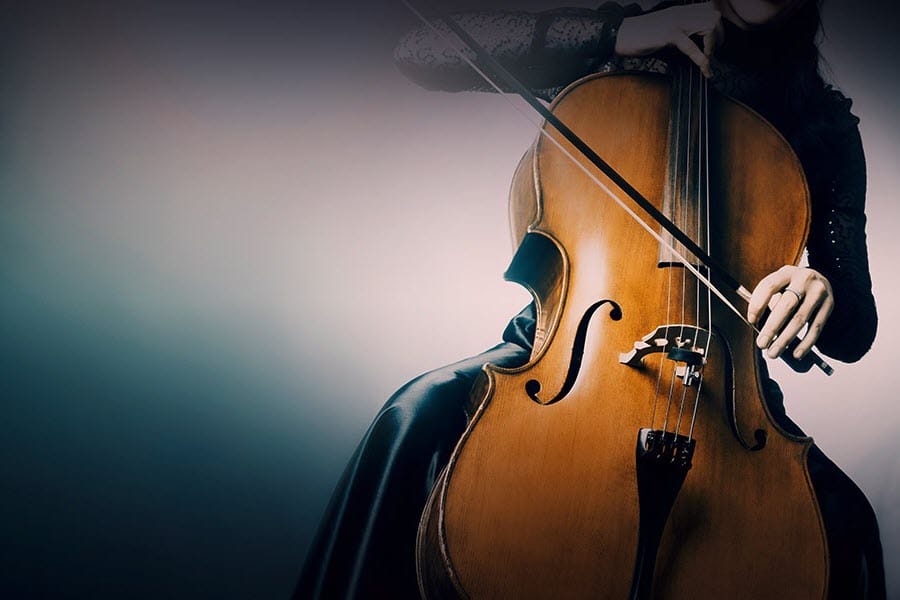
The cello, with its rich, resonant tones and extraordinary versatility, has captured the hearts of music lovers for centuries. From the grand concert halls echoing with classical symphonies to the intimate settings of contemporary performances, this remarkable instrument has been a cornerstone of musical expression. But behind every hauntingly beautiful melody is a masterful artist—someone who breathes life into the cello, turning strings and wood into a vessel of pure emotion.
In this article, we celebrate the top 15 best cello players of all time—virtuosos who have elevated the art of cello playing to astonishing heights. These musicians, both historical legends and modern-day prodigies, have pushed the boundaries of technique, redefined the possibilities of their instrument, and left an indelible mark on the world of music. Their performances have inspired generations, bridging classical traditions with contemporary innovation.
From the iconic Pablo Casals, who revolutionized cello playing in the 20th century, to the charismatic Yo-Yo Ma, whose versatility knows no bounds, this list honors those who have shaped the history and future of the cello. Join us as we journey through the lives, achievements, and unforgettable performances of the greatest cello players to ever grace the stage. Let the music begin!
1. Pablo Casals
Pablo Casals, often hailed as the father of modern cello playing, revolutionized the way the cello was perceived and performed in the classical world. Born in 1876 in Catalonia, Spain, Casals was a musical prodigy whose profound impact extended far beyond his technical prowess. His interpretation of Johann Sebastian Bach’s Cello Suites was nothing short of groundbreaking, as he was the first to bring these works to public attention after their long period of neglect. Casals approached the cello with an emotional depth and musicality that brought the instrument to the forefront of classical music. He introduced innovative techniques that redefined the role of the cello, combining technical mastery with a tone that was full of warmth and passion. His performances were marked by their boldness and clarity, and he was able to communicate the deepest emotions through every phrase, creating a unique connection with his audience. Beyond his extraordinary artistry, Casals was also a humanitarian, using his music to advocate for peace and social justice. He famously refused to perform in Spain during the dictatorship of Francisco Franco, standing up for his political convictions despite the personal sacrifices it cost him. Casals’ legacy extends beyond his instrumental technique; he nurtured the careers of young musicians and contributed to the development of a richer and more expressive sound for the cello. His influence is still felt today, and his performances and recordings continue to inspire cellists around the world. Whether through his advocacy for music as a tool for peace or his transformation of the cello into a voice of unparalleled emotional depth, Pablo Casals’ impact on music is profound and enduring.
2. Yo-Yo Ma
Yo-Yo Ma is one of the most versatile and celebrated cellists of our time, a household name synonymous with virtuosity, warmth, and boundless creativity. Born in 1955 in Paris to Chinese parents, Ma’s musical journey began at a young age, with his exceptional talent recognized early on. As a child prodigy, he made his debut with major orchestras, and over the years, he has become a household name not only for his technical mastery but for his ability to connect with listeners across genres. His approach to the cello transcends the boundaries of classical music, as Ma has consistently sought to blend different musical traditions, from Western classical music to folk, jazz, and even world music. His groundbreaking work with the Silk Road Ensemble, which he founded, has allowed him to bring together musicians from diverse backgrounds, creating a fusion of cultures that transcends the ordinary limits of genre. Yo-Yo Ma’s recordings, ranging from Bach’s Cello Suites to collaborations with artists like Bobby McFerrin, showcase his incredible ability to transform familiar pieces into fresh, emotionally rich experiences. His playing is known for its elegance and technical perfection, but it is his unique ability to infuse his performances with humanity and warmth that truly sets him apart. Whether performing with the world’s leading orchestras or collaborating with musicians from various genres, Ma’s artistry bridges cultural divides and creates a space for dialogue through music. His contributions have not only elevated the art of cello playing but have made him a beloved ambassador for the power of music to bring people together.
3. Jacqueline du Pré
Jacqueline du Pré’s name is etched in the annals of classical music history, forever associated with passion, brilliance, and an unparalleled ability to express the deepest emotions through the cello. Born in 1945 in England, du Pré’s meteoric rise to fame as a young cellist was nothing short of extraordinary. Her interpretation of Elgar’s Cello Concerto in E Minor is one of the most celebrated in the history of classical music. This recording, made when du Pré was just 23, remains a touchstone for cellists and music lovers alike, showcasing a raw intensity and emotional depth rarely matched in any genre of music. Her technique, though not as traditionally polished as some of her peers, had a fiery energy that communicated a profound sense of urgency and vulnerability. Du Pré’s playing was imbued with life and a palpable connection to the music, which made her performances unforgettable and deeply moving. Tragically, her career was cut short when she was diagnosed with multiple sclerosis at the age of 28, a disease that eventually robbed her of her ability to play the cello. Despite this, Jacqueline du Pré’s legacy endures through her recordings and the emotional power that defined her artistry. Her commitment to music, her ability to transform every note into an expression of pure feeling, and her fierce dedication to her craft have left an indelible mark on the world of classical music. Jacqueline du Pré remains a symbol of the transformative power of music and the ability of an artist to communicate profound emotions through the sound of their instrument.
4. Mstislav Rostropovich
Mstislav Rostropovich was one of the most influential cellists of the 20th century, known not only for his exceptional playing but also for his deep commitment to new music and his role as a vocal advocate for human rights. Born in 1927 in Russia, Rostropovich’s career spanned decades, and his impact on both the performance and development of cello repertoire was immense. His mastery of the instrument was extraordinary; his playing was marked by a powerful, expressive tone that captured the full range of human emotion. Rostropovich was known for his commanding performances, where his profound technical skill was matched by his ability to convey the emotional depth of the music. He had a particular affinity for Russian composers, and his interpretations of Shostakovich and Prokofiev are legendary, with many of their works composed specifically for him. However, his musical explorations were not limited to the classical canon, and Rostropovich was also deeply involved in premiering new works by composers such as Britten, Schnittke, and others. His commitment to new music made him a driving force in the evolution of the cello as an instrument capable of infinite expressive possibilities. Beyond his musical achievements, Rostropovich was an outspoken advocate for human rights, especially during the oppressive years of Soviet rule. He used his global platform to speak out against injustice, even sacrificing his position as a conductor and performer in the Soviet Union for his political beliefs. As both an artist and a humanitarian, Mstislav Rostropovich’s legacy is one of exceptional artistry, courage, and dedication to both music and human dignity.
5. Emanuel Feuermann
Emanuel Feuermann was an Austrian cellist whose short but extraordinary career left an indelible mark on the world of classical music. Born in 1902, Feuermann was a true prodigy, showing an exceptional command of the cello from a young age. His playing was characterized by its effortless virtuosity, with a combination of flawless technique and lyrical expressiveness that set him apart from his contemporaries. Feuermann’s recordings, though limited due to his untimely death at the age of 39, remain a gold standard for aspiring cellists. His technical ability was unparalleled, and he was able to execute even the most complex passages with a sense of ease and fluidity that made his playing seem effortless. What made Feuermann truly exceptional, however, was the emotional depth he brought to every performance. His tone was rich and resonant, and he had a remarkable ability to shape phrases with such care and sensitivity that his playing communicated the full emotional range of a piece. Feuermann was not only a phenomenal performer but also an influential teacher, passing on his wealth of knowledge and expertise to the next generation of cellists. While his life was tragically cut short, the recordings he left behind continue to inspire cellists and music lovers around the world. His artistry is a reminder that even in a short life, a profound and lasting impact can be made through music. Emanuel Feuermann’s legacy is one of unparalleled musicality, technical brilliance, and a deep love for the cello. His recordings remain an inspiration for generations to come.
6. Pierre Fournier
Pierre Fournier, often referred to as the “aristocrat of cellists,” was renowned for his elegance, refinement, and unparalleled technique. Born in 1906 in Paris, Fournier’s playing was distinguished by its graceful expressiveness and impeccable tone. His mastery of the cello extended beyond just technical prowess—Fournier had an innate ability to bring out the soul of every piece he played, transforming each performance into a deeply personal experience. His interpretations of composers such as Bach, Beethoven, and Brahms remain some of the finest examples of cello artistry, embodying the richness and depth of each work. Fournier’s phrasing was smooth and lyrical, and his ability to shape melodies with delicate nuances made his performances truly special. He was highly sought after by orchestras and composers alike, and his collaborations with major conductors further solidified his position as one of the world’s leading cellists. His sound was described as a warm, golden tone that seemed to effortlessly fill the concert hall, and his playing was characterized by a smooth, effortless technique. Even as an established artist, Fournier continued to seek perfection in his craft, making each performance an exploration of the music’s core. As a teacher, he passed on his vast knowledge to countless students, ensuring that his legacy lived on in future generations of musicians. Fournier’s commitment to musical expression, combined with his deep understanding of the cello, made him a towering figure in the world of classical music. His recordings of Bach’s Cello Suites and Beethoven’s Cello Sonatas remain benchmarks in the cello repertoire, and his influence on the next generation of cellists continues to be profound. Pierre Fournier’s artistry and elegance will always be remembered as the epitome of the cello’s expressive potential.
7. Lynn Harrell
Lynn Harrell was a cellist whose warm, rich tone and commanding stage presence made him a standout in the classical music world. Born in 1944 in the United States, Harrell’s career spanned decades, and he became known for his impeccable technique and deep musicality. His sound was described as full-bodied, resonant, and incredibly expressive, capturing the heart of every piece he performed. Harrell’s versatility as a musician allowed him to play both the traditional cello repertoire and more contemporary works, and he was highly regarded for his interpretations of Dvořák’s Cello Concerto and Schumann’s Cello Concerto. His playing always conveyed a profound understanding of the music’s emotional depth, and his phrasing was marked by a careful balance of precision and expressiveness. Harrell’s ability to draw out the beauty of each piece, coupled with his engaging stage presence, made his performances both technically masterful and emotionally moving. In addition to his work as a soloist, Harrell was a sought-after chamber musician, frequently collaborating with other renowned musicians and ensembles. His recordings continue to serve as benchmarks for aspiring cellists, demonstrating a mastery of technique as well as a deep connection to the music. Harrell’s legacy extends beyond his performances; he was also a dedicated teacher, helping to shape the next generation of cellists. His influence as a mentor and role model is evident in the success of his students. Throughout his illustrious career, Lynn Harrell’s artistry and generosity as a musician made him one of the most respected and beloved cellists in the world.
8. Daniil Shafran
Daniil Shafran, a Russian cellist born in 1923, was known for his uniquely expressive playing and his unconventional approach to the cello. Shafran’s performances were often deeply personal, characterized by an impassioned intensity that spoke directly to the heart of his listeners. His sound was rich and full, with a natural warmth that drew people into the music. He had a distinctive playing style that was both bold and lyrical, with a sense of spontaneity and freedom that set him apart from other cellists. Shafran’s approach to technique was unconventional in some respects, yet his playing always maintained a sense of purity and precision. His performances were often marked by a spontaneous, improvisational feeling, as though he were living in the moment with the music. This approach made his recordings especially compelling, as his emotional depth and natural musicality came through in every phrase. Shafran’s interpretations of works by composers such as Rachmaninoff and Shostakovich are particularly revered for their emotional intensity and their ability to convey the raw emotion embedded within these pieces. His technical brilliance, combined with his personal style, made him one of the most admired cellists of his time. Though his career was not as widely recognized in the West as some of his contemporaries, Shafran’s artistry continues to resonate with those who appreciate his distinctive sound and the emotional weight he brought to his performances. Daniil Shafran’s unique combination of technical skill, passion, and musical freedom cemented his place as one of the great cellists of the 20th century, and his recordings continue to inspire generations of musicians.
9. Mischa Maisky
Mischa Maisky, born in Latvia in 1948, is known for his passionate, flamboyant style and his ability to infuse each performance with an intense emotional connection. Maisky’s sound is powerful and dramatic, often characterized by a bold, almost theatrical delivery that captivates audiences. His technical mastery, combined with his expressive playing, allows him to delve deeply into the emotional core of each piece. Maisky’s interpretations are not just about technical perfection; they are about creating an experience for the listener, drawing them into the music’s emotional landscape. His performances of Bach, Tchaikovsky, and Saint-Saëns are particularly revered for their depth of feeling and their dramatic intensity. Maisky’s ability to express contrasting emotions with such clarity and precision makes his performances feel alive with energy and passion. As a student of Rostropovich, Maisky inherited a rich legacy of musical insight and technical skill, but he also developed his own distinctive voice as an artist. He is known for taking risks in his performances, bringing a fresh perspective to each piece he tackles. This willingness to explore new interpretations has earned him a reputation as one of the most exciting and dynamic cellists of his generation. His performances are often described as emotionally raw and unflinchingly honest, making every note seem as though it carries deep personal significance. Mischa Maisky’s artistry is defined by his bold, expressive style and his unwavering commitment to exploring the emotional depths of the music he plays, earning him a place among the great cellists of the modern era.
10. Gregor Piatigorsky
Gregor Piatigorsky, born in Ukraine in 1903, was a towering figure in the world of classical music, known for his extraordinary technical prowess and his ability to infuse his playing with a lyrical, almost vocal quality. Piatigorsky was one of the most accomplished cellists of the 20th century, and his artistry earned him a prominent place among the great musicians of his time. His playing was characterized by its fluidity and expressiveness, and he had a rare ability to shape phrases in ways that made each one feel unique and full of life. Piatigorsky was a master of both the standard cello repertoire and more contemporary works, with his performances of Beethoven, Brahms, and Tchaikovsky being especially revered. His technical ability was flawless, and he was able to execute even the most difficult passages with an ease that made his playing seem effortless. However, it was the emotional depth and warmth of his sound that truly set him apart, giving every note a sense of purpose and meaning. Piatigorsky’s reputation as both a soloist and a chamber musician was unmatched, and his collaborations with other leading musicians of the day were legendary. Beyond his remarkable career as a performer, Piatigorsky was also a beloved teacher, shaping the careers of many young cellists who would go on to become influential figures in the music world. Gregor Piatigorsky’s legacy is one of exceptional technical brilliance, emotional depth, and a profound understanding of the cello’s expressive potential. His contributions to the art of cello playing continue to resonate with musicians and audiences alike.
11. Steven Isserlis
Steven Isserlis, born in 1958 in the United Kingdom, is one of the most distinguished cellists of his generation, renowned not only for his technical mastery but also for his deep intellectual engagement with the music he performs. Known for his curly hair and unique stage presence, Isserlis brings a distinctive blend of passion and scholarship to his performances. His interpretations are filled with nuance, often reflecting an exceptional understanding of both the historical context of the works and the emotional landscape they represent. Isserlis’s playing is defined by its warmth and precision; his tone is rich, resonant, and incredibly expressive, allowing him to convey profound emotions through even the simplest phrases. His deep musicality is matched by an interest in exploring less frequently performed works, bringing attention to forgotten composers and pieces. This scholarly approach has led him to undertake projects that shed light on rare cello repertoire, as well as historical performance practices, making him a key figure in the world of classical music both as a performer and a musicologist. His recordings of Schumann, Haydn, and contemporary composers are highly acclaimed, with critics often praising his ability to bring fresh insights into familiar works. Isserlis is also known for his collaborations with major orchestras, conductors, and chamber musicians, all of which have contributed to his reputation as a versatile and highly respected artist. Beyond his solo career, Isserlis is a dedicated teacher, passing on his wealth of knowledge to aspiring musicians and helping to shape the next generation of cellists. With his thoughtful approach to music and his unrelenting pursuit of artistic excellence, Steven Isserlis continues to inspire and influence the world of classical music. His contributions, both as a performer and as a scholar, ensure that his legacy will endure for years to come.
12. Alisa Weilerstein
Alisa Weilerstein, born in 1982 in the United States, is an exciting and dynamic cellist known for her remarkable technical abilities and her emotional depth. A true virtuoso, Weilerstein has been recognized for her powerful performances that combine extraordinary skill with an intense passion for the music she plays. Her sound is bold and expressive, with a distinct warmth that immediately captures the listener’s attention. Weilerstein has tackled some of the most challenging works in the cello repertoire, from the masterworks of the classical canon, such as Elgar’s Cello Concerto and Dvořák’s Cello Concerto, to contemporary compositions that push the boundaries of the instrument. What sets Weilerstein apart is her ability to bring a new energy to both familiar and unfamiliar works, infusing them with fresh insights and perspectives. Her performances are marked by a sense of freedom and spontaneity, as though each note is being played for the first time, even in the most well-known pieces. She has a keen ability to shape each phrase with precision, ensuring that every musical moment feels deliberate and emotionally charged. Weilerstein’s versatility as an artist is also reflected in her collaborations, where she has worked with renowned conductors, composers, and chamber musicians, expanding the scope of her artistry beyond the solo stage. Her technical prowess and fearless approach to challenging material have earned her a devoted following, and she continues to be a leader in the world of classical music. As one of the foremost cellists of her generation, Alisa Weilerstein’s ability to communicate the heart of every piece she plays ensures that she remains a captivating and influential figure in the classical music world.
13. Heinrich Schiff
Heinrich Schiff, an Austrian cellist and conductor born in 1951, was celebrated for his interpretive depth, commanding performances, and immense technical ability. Schiff’s career spanned several decades, and he was known for his remarkable skill in bringing out the emotional and intellectual complexity of every piece he performed. His sound was distinguished by its warmth and clarity, and his playing always conveyed a profound understanding of the music’s emotional weight. Schiff’s interpretations were marked by a sensitivity to the music’s underlying structure, as well as an innate ability to explore the subtleties of each phrase. His recordings of Bach’s Cello Suites are considered benchmarks in the cello world, offering a deep and thoughtful interpretation of these iconic works. Schiff was also known for his performances of more contemporary composers, such as Ligeti, whose works he played with extraordinary insight. His technical mastery was matched by an emotional intelligence that allowed him to connect with listeners on a profound level. As a conductor, Schiff brought the same level of expertise and sensitivity to his leadership of orchestras and ensembles. His interpretive insights extended beyond the cello, influencing the way musicians approach orchestral repertoire as well. Despite his many achievements as a performer, Schiff remained humble, always seeking to improve his understanding of music and to deepen his connection with the art form. He was also a passionate educator, sharing his wealth of knowledge with students and helping to shape the careers of future cellists. Heinrich Schiff’s legacy is one of extraordinary artistry, musical insight, and a deep commitment to the development of both his instrument and the broader world of classical music.
14. Natalia Gutman
Natalia Gutman, born in 1942 in Russia, is a cellist whose playing is marked by extraordinary depth, emotional intensity, and intellectual rigor. She is one of the most respected and revered cellists of her generation, with a career that spans several decades and includes numerous prestigious performances and recordings. Gutman’s tone is rich and resonant, and her technique is flawless, yet it is the emotional power behind her playing that truly sets her apart. She has a unique ability to bring out the soul of each piece she performs, and her interpretations are often described as deeply moving and intellectually profound. Gutman’s interpretations of the great cello concertos, such as those by Brahms, Shostakovich, and Elgar, are considered among the finest, as she is able to communicate both the emotional weight and the intellectual complexity of the music with ease. She is particularly known for her interpretations of Shostakovich’s works, where her ability to convey the music’s dark, complex emotions makes her performances stand out. Gutman’s musicality is not limited to the emotional; she also brings a remarkable sense of intellectual engagement to every work she plays. As a student of the legendary Mstislav Rostropovich, Gutman inherited a legacy of exceptional musicianship, but she also developed her own distinctive voice, marked by a keen interpretive insight. She has been a champion of both the traditional cello repertoire and contemporary works, and her recordings continue to influence cellists and music lovers around the world. Natalia Gutman’s dedication to her craft, her powerful performances, and her profound musical insights have secured her place as one of the great cellists of the modern era.
15. Anner Bylsma
Anner Bylsma, born in 1934 in the Netherlands, was a pioneering figure in the world of historically informed performance, particularly in his interpretations of Bach and Baroque cello repertoire. His approach to the cello was defined by his commitment to historical accuracy, seeking to perform music as it would have been heard during its original period. Bylsma’s performances were characterized by their vibrancy, clarity, and expressiveness, often bringing a fresh perspective to familiar works. He was an early advocate for playing on period instruments, a practice that became increasingly popular in the late 20th century. His interpretation of Bach’s Cello Suites is widely regarded as one of the most important in the genre, offering a unique and insightful approach that emphasizes the Baroque style while still remaining emotionally engaging. Bylsma’s playing was defined by its lightness and grace, yet it was always full of emotional depth and technical brilliance. His ability to balance historical scholarship with artistic freedom made him one of the most influential cellists of his time. In addition to his solo work, Bylsma was also an accomplished chamber musician and educator, passing on his knowledge to the next generation of musicians. His influence on the world of classical music, particularly in the area of Baroque performance practice, has been profound, and his recordings remain a valuable resource for musicians and music lovers alike. Anner Bylsma’s legacy as a musician, scholar, and teacher ensures that his impact on the world of classical music will continue for many years to come.

Edward Tomlin is a frequent contributor to Singers Room. Since 2005, Singersroom has been the voice of R&B around the world. Connect with us via social media below.