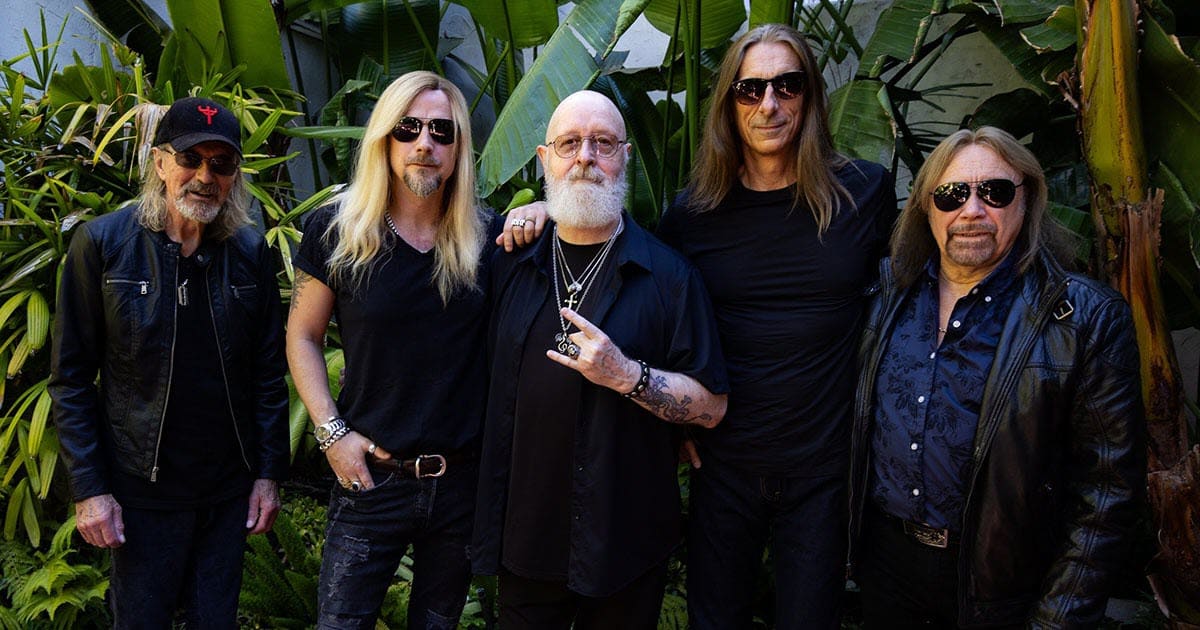
When it comes to heavy metal, few bands loom as large as Judas Priest. With their iconic twin guitar attack, powerful vocals, and groundbreaking sound, they’ve carved a permanent place in music history since their formation in the early 1970s. Known for their electrifying performances and anthemic songs, Judas Priest has inspired countless musicians and fans alike, earning a reputation as one of the genre’s definitive pioneers.
In this article, we dive into the top 10 most popular Judas Priest songs of all time, showcasing the tracks that not only defined their career but also left an indelible mark on the landscape of rock music. From the raucous energy of “Hell Bent for Leather” to the soaring melodies of “Beyond the Realms of Death,” each song represents a unique chapter in their storied journey. Whether you’re a die-hard Priest fan or a newcomer eager to explore their legendary catalog, this countdown will take you through the heart of heavy metal. So, crank up the volume, and let’s celebrate the timeless anthems that have solidified Judas Priest’s status as titans of the genre!
1. “Breaking the Law” (1980)
“Breaking the Law” is one of Judas Priest’s most iconic songs, released in 1980 as part of their groundbreaking British Steel album. This heavy metal anthem captures the spirit of rebellion with its unforgettable guitar riff, propulsive rhythm, and anthemic chorus that sticks in your head long after the song ends. The track’s raw energy is amplified by Rob Halford’s commanding vocals, which convey a sense of frustration and defiance against societal norms.
Lyrically, the song tells the story of someone pushed to the edge by circumstances, embracing rebellion as their only form of liberation. The relatable theme of fighting against the odds struck a chord with fans worldwide, making it an instant classic. The repetitive yet impactful line, “Breaking the law,” transforms the track into a rallying cry for those yearning to break free from the constraints of a mundane existence.
Musically, “Breaking the Law” is a masterclass in simplicity that delivers maximum impact. The song’s brisk pace and no-frills structure showcase the band’s ability to convey powerful emotions with minimal elements. The dual-guitar attack of Glenn Tipton and K.K. Downing is as sharp as ever, with the riff providing the perfect backdrop for Halford’s voice.
Over the years, this track has become a staple in Judas Priest’s live performances, often accompanied by enthusiastic crowd participation. Its timeless appeal lies in its ability to channel raw emotion and energy, embodying the spirit of heavy metal rebellion. Even today, “Breaking the Law” remains a go-to anthem for fans who crave defiance, freedom, and unrelenting power.
2. “Living After Midnight” (1980)
“Living After Midnight,” another standout track from British Steel, is a celebration of hedonism and the carefree thrill of late-night adventures. Released in 1980, this song captures the essence of living life on your own terms. Its infectious rhythm, upbeat tempo, and catchy melody make it one of Judas Priest’s most accessible and widely loved tracks.
The lyrics tell the story of embracing the night as a time of freedom, excitement, and escape from the monotony of daily life. Rob Halford’s vocals exude a sense of joy and liberation, as he invites listeners to shed their inhibitions and lose themselves in the moment. The song’s carefree vibe is a perfect match for its theme, encouraging fans to embrace spontaneity and live life to the fullest.
Musically, “Living After Midnight” is a departure from the darker tones of some of the band’s earlier work, leaning into a more radio-friendly sound without sacrificing their signature edge. Glenn Tipton and K.K. Downing’s guitars shimmer with precision, while Ian Hill’s bassline provides a steady groove that drives the track forward. The song’s irresistible hook makes it impossible not to sing along, while its tight structure showcases the band’s ability to craft a perfectly polished anthem.
Over the decades, “Living After Midnight” has become synonymous with the heavy metal lifestyle, capturing the spirit of revelry that defines the genre. Its enduring appeal lies in its timeless message of seizing the moment and finding joy in the freedom of the night. It’s a true classic that continues to inspire fans across generations.
3. “You’ve Got Another Thing Comin'” (1982)
Released in 1982 as part of the Screaming for Vengeance album, “You’ve Got Another Thing Comin’” is a defiant anthem of resilience and perseverance. With its hard-hitting riff and an unforgettable chorus, this song quickly became one of Judas Priest’s most iconic tracks, solidifying their place in the pantheon of heavy metal legends.
The lyrics are a bold declaration of determination, urging listeners to stand firm in the face of challenges and never give up. Rob Halford’s delivery is both empowering and electrifying, capturing the rebellious spirit of the song. His vocal performance, coupled with the dynamic twin-guitar harmonies of Glenn Tipton and K.K. Downing, creates a powerful atmosphere that inspires fans to push through adversity.
Musically, the song is a masterwork of heavy metal composition. From the driving rhythm section to the intricate guitar solos, every element of the track contributes to its larger-than-life sound. The opening riff immediately commands attention, and the infectious energy builds steadily throughout the song, culminating in a climactic finish.
“You’ve Got Another Thing Comin’” has become a rallying cry for fans, a symbol of the relentless spirit that defines both the band and the genre. It’s a song that resonates deeply with anyone who has ever faced obstacles and refused to back down. Decades after its release, it remains a staple in Judas Priest’s live performances, where its anthemic power continues to captivate audiences worldwide.
4. “Hell Bent for Leather” (1978)
“Hell Bent for Leather,” a standout track from Judas Priest’s 1978 album Killing Machine (retitled Hell Bent for Leather in the U.S.), is a quintessential anthem that encapsulates the band’s rebellious ethos. From the very first chord, the song exudes raw power and unrelenting energy, perfectly reflecting the heavy metal aesthetic the band helped define.
The lyrics vividly portray a leather-clad renegade, embodying the outlaw spirit and defiance against societal norms. Rob Halford’s commanding vocals bring the story to life with a mix of grit and grandeur, delivering each line with conviction. The imagery of speed, freedom, and rebellion mirrors the motorcycle culture often associated with Judas Priest, adding to the song’s iconic status.
Musically, “Hell Bent for Leather” is a high-octane ride from start to finish. Glenn Tipton and K.K. Downing’s searing guitar work is nothing short of electrifying, with sharp riffs and a blistering solo that captures the adrenaline of a wild chase. Ian Hill’s steady bassline and Les Binks’ precise drumming provide the perfect backbone, driving the song forward at a relentless pace.
On stage, “Hell Bent for Leather” is a showstopper. It’s often performed with Halford riding onto the stage on a roaring motorcycle, a moment that never fails to thrill fans. The song’s infectious energy and timeless appeal make it a fan favorite, embodying everything that heavy metal stands for: freedom, power, and unbridled passion. Whether you’re a long-time metalhead or a newcomer, “Hell Bent for Leather” is an essential piece of Judas Priest’s legendary catalog.
5. “Electric Eye” (1982)
“Electric Eye,” from the 1982 album Screaming for Vengeance, is a powerful exploration of surveillance and technology’s growing influence on society. Opening with the haunting instrumental prelude “The Hellion,” the song launches into a thunderous riff that immediately captures attention. This track showcases Judas Priest’s ability to tackle thought-provoking themes while maintaining their signature heavy metal sound.
The lyrics describe an omnipresent, all-seeing entity monitoring every move, a prophetic warning about the erosion of privacy in the modern world. Rob Halford’s piercing vocals deliver the narrative with a sense of urgency, perfectly complementing the track’s ominous tone. The phrase “I’m made of metal, my circuits gleam” is delivered with chilling precision, creating a vivid image of this dystopian figure.
Musically, “Electric Eye” is a showcase of Judas Priest’s technical prowess. The intricate guitar interplay between Glenn Tipton and K.K. Downing is nothing short of spectacular, with razor-sharp riffs and a blistering solo that elevates the song to new heights. The rhythm section, driven by Ian Hill’s bass and Dave Holland’s drums, maintains a relentless momentum that keeps the energy high throughout.
“Electric Eye” has become a staple of Judas Priest’s live performances, where its powerful message and electrifying composition never fail to captivate audiences. Decades after its release, the song’s relevance has only grown, as the themes of surveillance and control have become increasingly pertinent. It stands as a testament to the band’s ability to blend social commentary with their groundbreaking sound, making it one of their most enduring tracks.
6. “Beyond the Realms of Death” (1978)
“Beyond the Realms of Death,” from Judas Priest’s 1978 album Stained Class, is often regarded as one of the most emotionally powerful and profound songs in their catalog. It combines the aggression of heavy metal with introspective lyrics that delve deep into themes of isolation, despair, and redemption.
The song tells the story of a protagonist who retreats into his mind to escape the pain and monotony of life, finding solace in his own world. Rob Halford’s vocal performance is nothing short of breathtaking, transitioning seamlessly between haunting vulnerability and explosive power. His delivery gives life to the song’s poignant lyrics, making them resonate deeply with listeners.
The musical composition is equally remarkable. Glenn Tipton and K.K. Downing craft a dual-guitar masterpiece, blending intricate acoustic passages with soaring electric solos. The transition from the gentle, reflective verses to the thunderous, cathartic chorus mirrors the emotional journey of the protagonist. The solos, especially Tipton’s, are filled with raw emotion, leaving an indelible impression.
“Beyond the Realms of Death” stands out not only for its musical and lyrical depth but also for its timeless relevance. It addresses universal struggles with mental health and the desire for escape, themes that continue to connect with audiences today. On stage, the song is a powerful moment, often leaving fans spellbound by its intensity and beauty.
This track exemplifies Judas Priest’s ability to push the boundaries of heavy metal, blending technical brilliance with emotional storytelling. It’s no wonder that “Beyond the Realms of Death” remains a fan favorite and a defining moment in the band’s illustrious career.
7. “Painkiller” (1990)
“Painkiller,” the title track of Judas Priest’s 1990 album, is a relentless, adrenaline-fueled masterpiece that redefined heavy metal. From the opening drum assault by Scott Travis to the final blistering notes, the song is a tour de force of speed, aggression, and technical precision.
The lyrics introduce a mythical savior figure, the Painkiller, who descends to deliver humanity from destruction. Rob Halford’s vocal performance is nothing short of legendary, hitting impossibly high notes with razor-sharp precision. His delivery is fierce and commanding, embodying the sheer power and heroism of the titular character.
The instrumental work on “Painkiller” is equally jaw-dropping. Glenn Tipton and K.K. Downing unleash a barrage of searing riffs and dueling solos that showcase their virtuosity, pushing the boundaries of what heavy metal guitar work can achieve. Ian Hill’s bass provides a thunderous backbone, while Scott Travis’s drumming is a standout feature, driving the song with a relentless double-kick assault that has become iconic in the metal genre.
“Painkiller” was a statement of reinvention for Judas Priest, proving that they could evolve with the times and remain at the forefront of heavy metal. Its influence on the genre is immeasurable, inspiring countless bands and musicians to push their technical limits.
Live, “Painkiller” is an absolute showstopper, with its sheer intensity and jaw-dropping musicianship leaving fans in awe. More than three decades after its release, the song remains a benchmark of excellence in heavy metal, cementing Judas Priest’s legacy as one of the genre’s most innovative and enduring pioneers.
8. “The Sentinel” (1984)
From Judas Priest’s 1984 album Defenders of the Faith, “The Sentinel” is a powerful blend of storytelling and heavy metal brilliance. The song paints a vivid narrative of a lone, resilient warrior standing against overwhelming odds, a theme that resonates with the band’s ethos of defiance and strength.
Musically, “The Sentinel” is a masterclass in dynamics and precision. The track opens with a brooding, ominous riff that sets the stage for an epic tale. As the song progresses, the tempo shifts, taking listeners on a thrilling journey of tension and release. Glenn Tipton and K.K. Downing once again demonstrate their unparalleled guitar synergy, delivering riffs that are both crushingly heavy and melodically intricate. Their solos are electrifying, showcasing technical prowess while enhancing the song’s dramatic arc.
Rob Halford’s vocal performance is a highlight, embodying the song’s protagonist with commanding authority. His ability to shift between soaring highs and aggressive intensity adds depth to the narrative, immersing listeners in the story. The rhythm section, led by Ian Hill’s steady basslines and the precise drumming of Dave Holland, anchors the track, providing a solid foundation for the swirling chaos above.
Lyrically, “The Sentinel” explores themes of resilience, courage, and unyielding determination, making it a rallying cry for those facing adversity. Its cinematic quality and vivid imagery have made it a fan favorite, particularly in live performances where its energy and drama come to life.
“The Sentinel” is a quintessential Judas Priest track that combines storytelling, technical brilliance, and raw power, solidifying its place as one of the most memorable moments in the band’s storied career.
9. “Screaming for Vengeance” (1982)
The title track from Judas Priest’s landmark 1982 album Screaming for Vengeance is a ferocious declaration of power and rebellion. The song captures the raw energy of heavy metal, with its blistering riffs, aggressive rhythm, and soaring vocals epitomizing the genre’s essence.
From the opening notes, “Screaming for Vengeance” commands attention. The dual guitars of Glenn Tipton and K.K. Downing roar with unrelenting intensity, delivering riffs that are both punishing and unforgettable. Their solos are equally fierce, trading off intricate leads that build to an explosive climax. Ian Hill’s bass and Dave Holland’s drumming drive the song forward with a relentless momentum, creating a thunderous backdrop for the band’s fiery performance.
Rob Halford’s vocals are the centerpiece, delivering the lyrics with unbridled passion and ferocity. His piercing high notes and dynamic range perfectly capture the song’s themes of defiance and unyielding determination. The title itself evokes a sense of unrestrained power, resonating with fans who embrace the rebellious spirit of heavy metal.
Lyrically, the song speaks to overcoming oppression and fighting back against injustice, themes that have universal appeal. Its aggressive tone and empowering message make it a perfect anthem for those who refuse to back down.
In live performances, “Screaming for Vengeance” is a standout track, igniting crowds with its sheer intensity and energy. Decades after its release, the song remains a cornerstone of Judas Priest’s catalog, embodying the band’s ability to combine technical mastery with raw, emotional power. It’s a definitive statement of what heavy metal can achieve and a timeless classic in the genre.
10. “A Touch of Evil” (1990)
“A Touch of Evil,” from Judas Priest’s 1990 album Painkiller, stands out as a haunting and atmospheric masterpiece. The song showcases the band’s ability to blend darkness and melody, creating a soundscape that is both ominous and captivating.
The track opens with an eerie, cinematic intro that immediately sets a foreboding tone. The haunting keyboard lines, coupled with the thunderous rhythm section, create an atmosphere of suspense. As the song progresses, Glenn Tipton and K.K. Downing unleash powerful riffs and soaring solos that add layers of intensity and drama. Their interplay is masterful, weaving together melody and aggression to create a rich, immersive experience.
Rob Halford delivers a mesmerizing vocal performance, capturing the song’s themes of temptation, seduction, and the darker aspects of human nature. His voice shifts effortlessly between brooding introspection and impassioned cries, embodying the emotional complexity of the lyrics. The chorus, with its memorable melody and powerful delivery, leaves a lasting impression, making it one of the most iconic moments in the band’s discography.
Lyrically, “A Touch of Evil” explores the allure of forbidden desires and the struggle between light and darkness. Its poetic and evocative imagery draws listeners into a world of mystery and intrigue, showcasing Judas Priest’s ability to craft songs that resonate on both a musical and emotional level.
As a live staple, the song’s atmospheric qualities and dramatic build-up make it a crowd favorite. Its unique blend of heaviness and melody ensures its place as a standout track in the band’s legendary career, highlighting their versatility and depth as artists.

Edward Tomlin is a frequent contributor to Singers Room. Since 2005, Singersroom has been the voice of R&B around the world. Connect with us via social media below.









