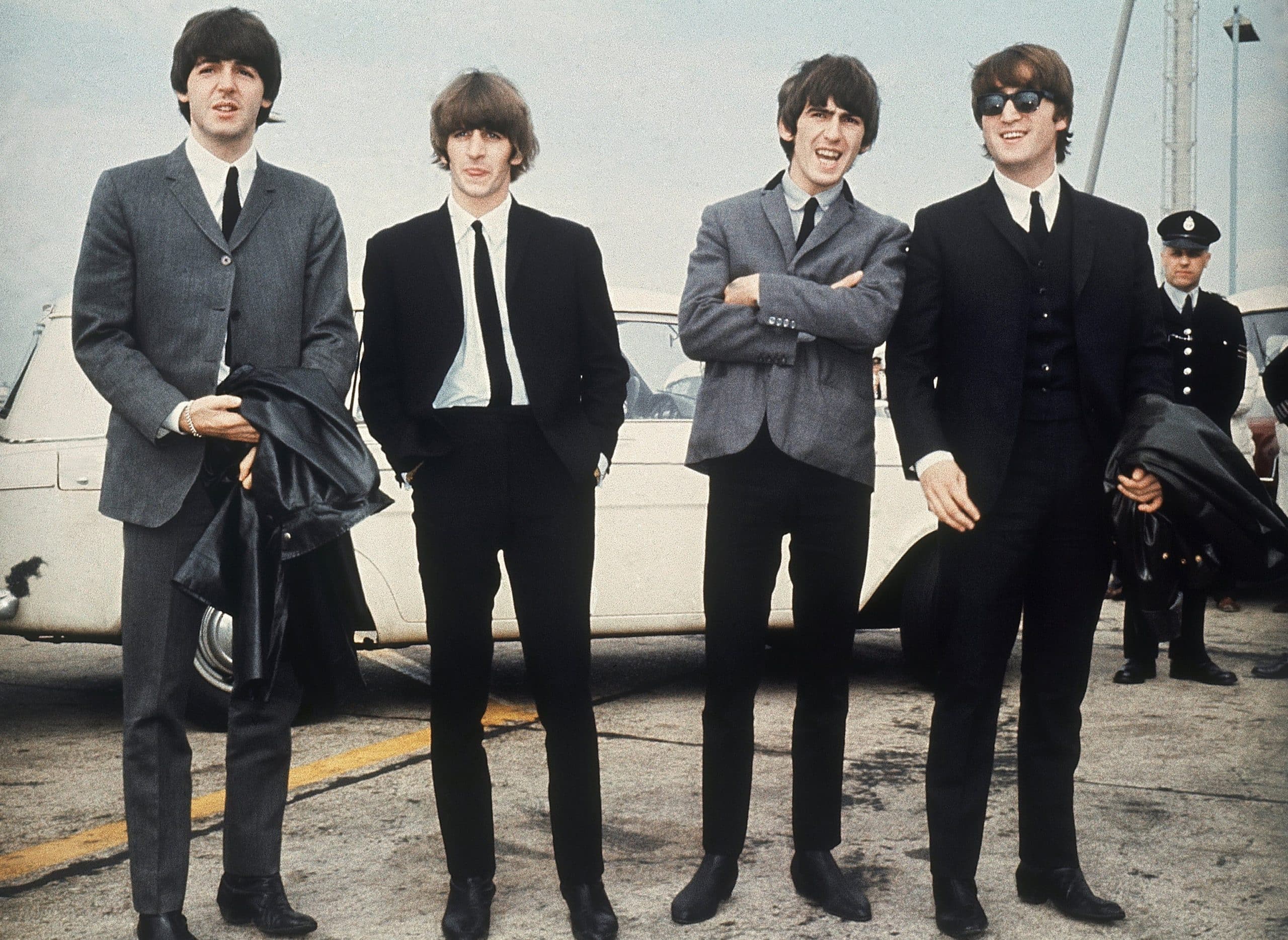
In the realm of music, few bands have left as indelible a mark as The Beatles. Emerging from the vibrant streets of Liverpool in the early 1960s, this iconic quartet revolutionized the sound of popular music and became a cultural phenomenon that transcended generations. With their innovative songwriting, unforgettable melodies, and unmistakable harmonies, John Lennon, Paul McCartney, George Harrison, and Ringo Starr crafted songs that not only topped charts but also resonated deeply in the hearts of millions.
As we journey through the top 10 most popular Beatles songs of all time, we celebrate the timeless appeal of tracks that have become anthems of love, rebellion, and introspection. From the early days of “I Want to Hold Your Hand” to the profound depths of “Hey Jude,” each song tells a story that continues to captivate listeners today. Join us as we explore the musical legacy of The Beatles, revisiting the songs that defined an era and continue to inspire artists and fans alike. Prepare to relive the magic and discover why The Beatles remain a cornerstone of music history, influencing countless musicians and shaping the sound of modern music.
1. Hey Jude (1968)
“Hey Jude” is a classic anthem that has stood the test of time, with its universal themes of comfort and encouragement resonating with generations of listeners. Originally written by Paul McCartney as a heartfelt message to John Lennon’s son, Julian, during his parents’ divorce, it quickly became one of The Beatles’ most beloved songs. Released in August 1968, the track embodies McCartney’s unparalleled songwriting skills and ability to craft melodies that are both simple and deeply emotional. With its gentle piano intro, the song sets a reflective tone, urging the listener to “take a sad song and make it better,” a message that encourages resilience and the power of positive change.
McCartney’s powerful vocals, paired with the gradually building orchestration, create an unforgettable experience. The lush string arrangements swell alongside the chorus, amplifying the song’s message of hope. By the time the iconic “na-na-na” refrain kicks in, the song transforms into a joyous, almost euphoric sing-along that invites listeners to participate in the catharsis. This anthemic quality is a key reason why “Hey Jude” has become a staple at parties, sporting events, and other celebrations.
More than just a song about encouragement, “Hey Jude” is a reflection of the times—offering comfort and support during a period of social and political upheaval. The track’s longevity speaks to its ability to transcend its original context and remain relevant across different eras. Whether it’s a personal moment of distress or a collective celebration, “Hey Jude” continues to remind us of the healing power of love and community. This is a timeless classic, one that still carries the ability to uplift and inspire audiences worldwide.
2. Let It Be (1970)
Released in March 1970, “Let It Be” marked the final chapter of The Beatles’ legendary career, offering a poignant reflection on life’s challenges. Written by Paul McCartney, the song came to him after a dream about his late mother, Mary, who had passed away when he was fourteen. The dream offered McCartney a sense of comfort and reassurance, and in turn, he crafted a melody that was both soothing and spiritually uplifting. The song’s title and lyrics encourage listeners to embrace acceptance in the face of hardship, with the repeated refrain of “let it be” serving as a reminder that not all things are within our control.
Musically, “Let It Be” begins with an iconic piano intro, setting the stage for a song that feels both personal and universally applicable. The lush instrumentation and harmonious backing vocals add to the track’s grandeur, creating an anthemic quality that invites listeners to reflect on their own lives. It is both a meditative and uplifting piece, with McCartney’s heartfelt delivery bringing a sense of warmth and clarity to the message. The song’s simplicity is its strength, allowing its core message to shine through without distraction.
“Let It Be” became a symbol of hope and peace during a turbulent time in history, and its timeless appeal continues to resonate today. In moments of loss, uncertainty, or struggle, this song remains a comforting presence, reminding us that sometimes the best course of action is to let go and trust that everything will work itself out. Its enduring legacy speaks to the power of acceptance and the human need to find peace in times of turmoil. “Let It Be” is a song that continues to inspire listeners to embrace life’s challenges with grace and understanding.
3. Yesterday (1965)
“Yesterday,” released in September 1965, is one of The Beatles’ most iconic ballads, evoking deep emotions of longing and nostalgia. Written by Paul McCartney, the song captures the poignant feeling of a lost love and the yearning for a simpler time. The track stands as a testament to McCartney’s ability to convey vulnerability and emotion through his songwriting. What makes “Yesterday” so powerful is its ability to tap into universal themes of heartache and regret, which anyone who has experienced loss or separation can relate to.
The song is characterized by its simplicity, with McCartney’s tender vocal delivery accompanied by a delicate string arrangement. The stripped-down nature of the track allows the lyrics to take center stage, making the emotions of the song all the more powerful. McCartney’s voice, soft and reflective, conveys the sadness of losing something cherished, and the melancholy mood is heightened by the gentle strumming of an acoustic guitar. The haunting string quartet adds an extra layer of emotion, further underscoring the song’s themes of heartache and longing.
“Yesterday” has become a timeless classic, covered by countless artists in various styles. Its universal appeal speaks to the enduring nature of love and loss, making it a song that continues to resonate across generations. Whether heard in a quiet moment of reflection or as a part of a larger musical experience, “Yesterday” remains a perfect example of McCartney’s ability to write songs that are both deeply personal and universally relatable. This ballad has rightfully earned its place as one of the greatest songs in music history.
4. Come Together (1969)
Released in October 1969, “Come Together” is one of The Beatles’ most intriguing and enigmatic tracks. Written by John Lennon, the song’s cryptic lyrics and funky, laid-back groove make it a standout on the *Abbey Road* album. The track begins with a pulsating bassline that immediately grabs the listener’s attention, setting the stage for a song that is equal parts groove and mystery. Lennon’s vocals, which range from playful to ominous, add to the sense of intrigue, creating a feeling that the listener is being drawn into a puzzle that’s just out of reach.
The lyrics of “Come Together” are often open to interpretation, with Lennon’s surreal and nonsensical imagery evoking a sense of curiosity. Some believe the song is about unity and bringing people together, while others see it as a commentary on individualism. Whatever the interpretation, the track’s infectious rhythm and compelling melody make it an undeniable classic. The funky rhythm section, along with the iconic keyboard riff, creates a sense of urgency, while the deliberate pauses and changes in dynamics keep the listener engaged throughout.
Musically, “Come Together” is a fusion of rock, funk, and blues, with its smooth groove and hypnotic rhythm making it stand out from other tracks in The Beatles’ catalog. The song’s infectious energy and experimental nature make it an essential part of Abbey Road and a perfect reflection of the cultural shifts taking place in the late 1960s. With its memorable beat and mysterious lyrics, “Come Together” has remained a fan favorite, continuing to captivate audiences with its unique blend of music and message.
5. I Want to Hold Your Hand (1963)
Released in December 1963, “I Want to Hold Your Hand” was The Beatles’ first major hit in the United States and helped catapult them into international stardom. The track, with its infectious energy and youthful exuberance, perfectly captures the excitement and thrill of young love. Written by John Lennon and Paul McCartney, the song’s upbeat tempo and catchy melody made it an instant classic. The harmonies between Lennon and McCartney create a sense of playfulness and enthusiasm, inviting listeners to join in the fun and celebrate the joy of affection.
The song’s lyrics, which express the simple desire to hold hands with someone special, are direct and heartfelt. There’s a sense of innocence in the way the song conveys the thrill of first love, with each line capturing the anticipation and longing of a budding relationship. The combination of jangly guitars, upbeat rhythms, and exuberant vocals creates a sound that is both infectious and timeless, ensuring the track’s place as one of The Beatles’ most iconic early songs.
“I Want to Hold Your Hand” marked a significant moment in the British Invasion of the American music scene, signaling the beginning of The Beatles’ global dominance. The song’s universal theme of love and connection continues to resonate with listeners of all ages, making it a timeless anthem for anyone who has experienced the excitement of young love. Its joyful spirit and catchy melody continue to bring smiles to faces, and it remains a quintessential track in the history of pop music.
6. A Hard Day’s Night (1964)
“A Hard Day’s Night,” released in July 1964, is an energetic and infectious track that encapsulates the spirit of The Beatles during their early years of stardom. The song opens with one of the most recognizable chords in rock history, a brilliant, jangly G7 chord that sets the tone for the jubilant ride ahead. Written by John Lennon and Paul McCartney, the song is an ode to the relief and joy of returning home to a loved one after a long, tiring day. It’s a celebration of love that feels both personal and universal, and its upbeat tempo and catchy melody make it impossible not to tap your foot along with the rhythm.
Lennon’s enthusiastic vocals convey a sense of excitement and gratitude, while McCartney’s harmony adds warmth and depth to the song’s overall vibe. The track’s infectious energy, coupled with its relatable lyrics, makes it an anthem for anyone who has ever worked hard for the comfort of being with someone special. It’s the perfect encapsulation of the charm and vitality that The Beatles exuded in their early years.
Musically, “A Hard Day’s Night” showcases The Beatles’ knack for blending pop sensibilities with a touch of rock ‘n’ roll flair. The jangly guitars and lively rhythm section create an irresistible drive that makes it feel like a celebration. The song’s sense of relief, coupled with its joyful sound, resonates deeply with listeners, making it a classic that continues to be loved by fans old and new. Its impact on pop music was immense, cementing The Beatles as one of the most influential bands in history.
7. Help! (1965)
“Help!” released in July 1965, is an upbeat yet deeply personal song by John Lennon that showcases The Beatles’ ability to blend vulnerability with pop sensibility. Written during a turbulent time in Lennon’s life, the song is a cry for assistance, reflecting his inner turmoil and need for support. Despite its upbeat, energetic melody, the song’s lyrics are a candid admission of Lennon’s struggles with fame and personal challenges. This juxtaposition of introspection and exuberance made the song a standout hit and a testament to The Beatles’ unique ability to create music that resonated on both emotional and surface levels.
The song opens with a spirited rhythm, and Lennon’s voice, full of urgency and emotion, immediately pulls the listener in. The catchy chorus invites the listener to sing along, but the real emotional core lies in the rawness of the verses. Lennon’s vulnerability, particularly when he sings, “Help me if you can, I’m feeling down,” reveals a side of him that was rarely exposed in his public persona. It’s a moment of honesty that many listeners can relate to, making “Help!” not only a pop song but also a poignant expression of human need.
“Help!” remains an enduring anthem of the universal experience of seeking help, and its playful energy makes it a track that fans continue to enjoy. Whether heard as a reflection of the struggles of the ’60s or as a timeless cry for assistance, “Help!” has maintained its relevance and continues to be a beloved part of The Beatles’ catalog.
8. All You Need Is Love (1967)
Released in July 1967, “All You Need Is Love” is one of The Beatles’ most iconic and anthemic songs, perfectly encapsulating the optimism and idealism of the peace and love movement. Written by John Lennon and credited to both Lennon and Paul McCartney, the song features a simple yet powerful message: that love is the answer to all of life’s problems. The Beatles used their global platform to promote peace, and “All You Need Is Love” became their definitive statement on the importance of love as a force for good in the world.
The song’s melody is instantly recognizable, with its sweeping orchestration and joyous rhythm. The opening phrase, “Love, love, love,” is repeated in a way that feels both celebratory and deeply meaningful. The chorus builds into a universal call for unity, with the famous line, “All you need is love,” becoming a rallying cry for people of all ages and backgrounds. The simplicity of the message is matched by the grandeur of the arrangement, which features a blend of orchestral instruments and rock elements, creating a rich, uplifting sound that transcends musical genres.
The song’s enduring appeal lies in its message and its ability to connect listeners across time and space. It became an anthem for the counterculture movement of the 1960s and remains relevant today as a reminder of the power of love to heal and unite. “All You Need Is Love” is a song that continues to inspire and uplift, proving that The Beatles were not only musical pioneers but also cultural ambassadors promoting peace and harmony.
9. Eleanor Rigby (1966)
Released in August 1966, “Eleanor Rigby” marked a significant departure from The Beatles’ early pop sound, showcasing their willingness to experiment with new musical forms. Written by Paul McCartney, the song tells the story of loneliness and isolation, focusing on two characters—Eleanor Rigby and Father McKenzie—who live lives of quiet desperation and are largely forgotten by society. The haunting string arrangement, which forms the backbone of the track, adds to its somber tone, giving it a classical, almost cinematic quality that sets it apart from anything The Beatles had done before.
The song’s minimalist structure and poignant lyrics create an emotionally charged atmosphere. McCartney’s delivery of the lines, “Ah, look at all the lonely people,” is filled with empathy, and the imagery he paints of forgotten souls is vivid and haunting. The absence of drums or traditional rock instrumentation gives the song a unique, stark quality, highlighting the weight of the subject matter. Through the use of strings, McCartney created a sense of melancholy that resonates with the listener, making it clear that “Eleanor Rigby” is not just a pop song, but a poignant commentary on human isolation and societal neglect.
“Eleanor Rigby” is often regarded as one of The Beatles’ most innovative songs, combining pop, classical music, and social commentary in a way that was ahead of its time. The song’s exploration of loneliness and its stark, minimalist production make it a powerful and unforgettable track that continues to evoke deep emotions from listeners. Its lasting legacy lies in its ability to shed light on the lives of ordinary people, making it a timeless and resonant piece of music.
10. Strawberry Fields Forever (1967)
“Strawberry Fields Forever,” released in February 1967, is one of The Beatles’ most iconic and experimental tracks, showcasing John Lennon’s unique artistic vision and the band’s willingness to push the boundaries of popular music. Inspired by Lennon’s childhood memories of playing in the garden of a Salvation Army house near his home, the song explores themes of nostalgia, self-doubt, and the search for meaning. The track’s dreamlike, psychedelic sound, combined with its surreal lyrics, creates a complex, introspective listening experience that invites the listener to enter Lennon’s mind.
The production of “Strawberry Fields Forever” was groundbreaking for its time, incorporating unconventional instruments and studio techniques. The song’s lush arrangement features layered vocals, sitar-like sounds, and reversed tape effects, creating a swirling, psychedelic atmosphere that perfectly complements the song’s introspective themes. The result is a track that feels otherworldly and deeply personal, a reflection of Lennon’s inner world. The haunting chorus, with its repeated refrain of “Nothing is real,” underscores the song’s sense of uncertainty and the fluidity of memory.
“Strawberry Fields Forever” is often considered a turning point in The Beatles’ artistic evolution, marking the beginning of their foray into more experimental, avant-garde music. It remains a quintessential example of their ability to blend deep introspection with groundbreaking sound. The song’s lasting impact on music history is undeniable, and it continues to be celebrated as one of the most innovative and thought-provoking tracks in The Beatles’ catalog.

Edward Tomlin is a frequent contributor to Singers Room. Since 2005, Singersroom has been the voice of R&B around the world. Connect with us via social media below.









