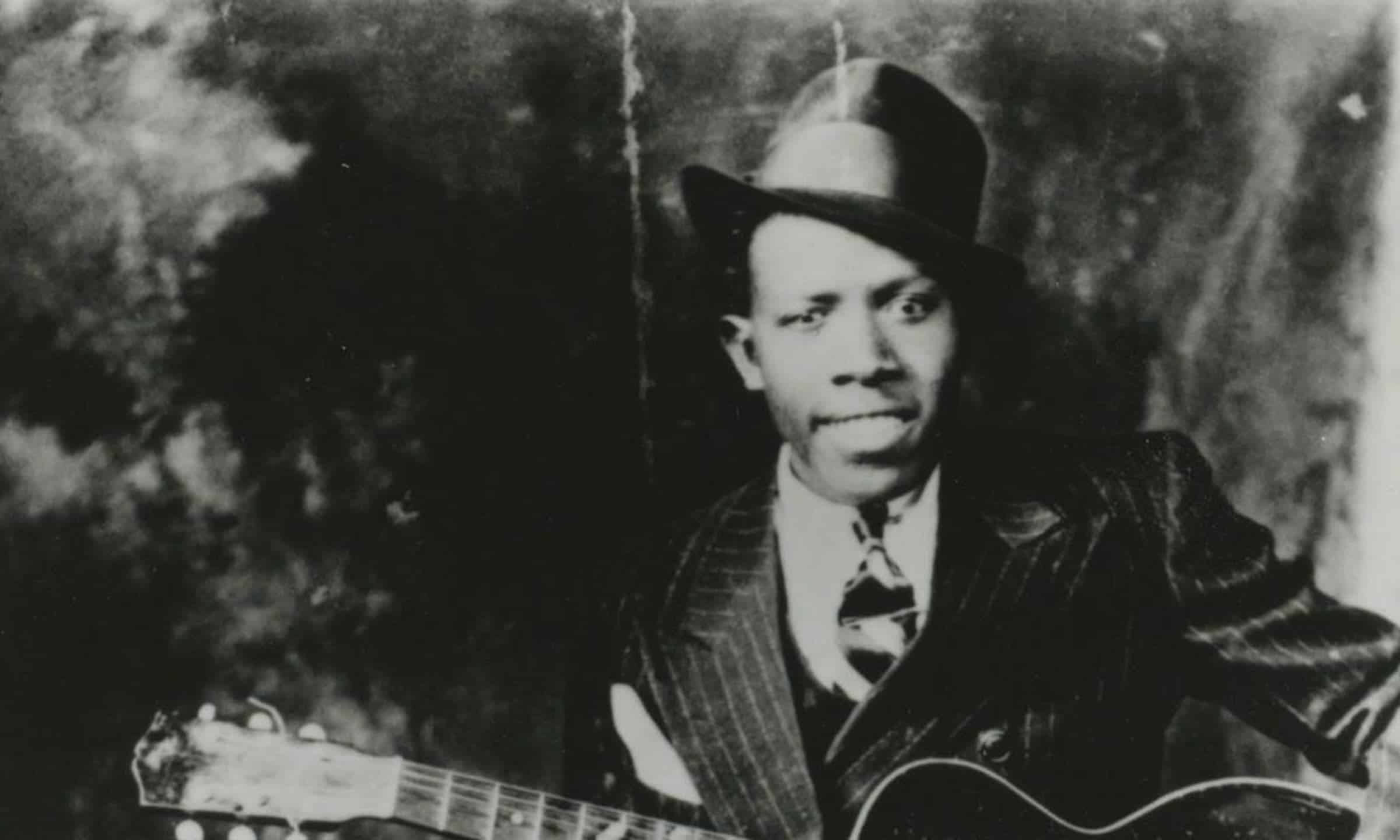
Step into the haunting world of Robert Johnson, the legendary bluesman whose music transcends time and continues to captivate audiences nearly a century after his passing. Often referred to as the “King of the Delta Blues,” Johnson’s profound influence can be felt in modern music, inspiring countless artists across genres. His enigmatic life, shrouded in mystery and myth, intertwines with the essence of the blues, a genre that echoes the struggles and triumphs of the human experience.
In this article, we delve into the top 10 most popular Robert Johnson songs of all time, a collection that showcases his extraordinary talent and emotional depth. From heart-wrenching ballads to electrifying rhythms, each track is a testament to Johnson’s mastery of storytelling through music. With his distinctive guitar playing and soul-stirring lyrics, Johnson not only defined the sound of the Mississippi Delta but also laid the groundwork for rock and roll. Join us as we explore these iconic songs that continue to resonate, revealing the profound impact of a true musical pioneer whose legacy endures to this day.
1. “Cross Road Blues” (1936)
“Cross Road Blues” stands as one of the most iconic and haunting tracks in blues history. Written and recorded by Robert Johnson in 1936, the song captures the anguish and desperation of a man standing at a literal and metaphorical crossroads. The imagery of the crossroads has become legendary, symbolizing moments of profound decision, fate, and possibly a spiritual reckoning.
Johnson’s raw, emotive voice is the centerpiece, painting a picture of someone pleading for guidance and mercy. His masterful guitar work provides a compelling accompaniment, creating an atmosphere of tension and melancholy. The interplay between his plaintive singing and intricate fingerpicking elevates the song into a deeply personal and spiritual lament.
Lyrically, the song conveys universal themes of struggle, doubt, and the longing for redemption. Lines like “I went to the crossroads, fell down on my knees” evoke a profound vulnerability that resonates with listeners even today. The mystique surrounding Johnson’s supposed pact with the devil adds a layer of intrigue, but the song stands on its own as a poignant reflection on human frailty and resilience.
“Cross Road Blues” has transcended its time, influencing generations of artists across blues, rock, and folk. Its legacy is a testament to Johnson’s unparalleled ability to channel raw emotion into music, making it a timeless anthem of inner turmoil and hope.
2. “Sweet Home Chicago” (1936)
“Sweet Home Chicago” is one of Robert Johnson’s most beloved songs, a jubilant celebration of hope, longing, and the promise of a better life. Recorded in 1936, this track encapsulates the spirit of the Great Migration, where African Americans left the South in search of opportunity and freedom in Northern cities like Chicago.
The song’s infectious rhythm and upbeat tempo immediately grab the listener’s attention. Johnson’s charismatic vocal delivery exudes both warmth and a sense of yearning, making it feel like an open invitation to a joyous gathering. His guitar work, intricate yet accessible, adds layers of texture that perfectly complement the song’s celebratory tone.
Lyrically, “Sweet Home Chicago” blends optimism with wanderlust, painting Chicago as a beacon of possibility. The repeated refrain, “Oh, baby, don’t you want to go?” becomes an irresistible rallying cry, inviting everyone to join in. It’s a song that captures the essence of community and the shared pursuit of dreams, a theme that resonates across time and geography.
Over the decades, “Sweet Home Chicago” has become a standard in blues and rock music, covered by legends like Eric Clapton and The Blues Brothers. Its enduring popularity is a testament to Johnson’s ability to craft a song that feels both deeply personal and universally uplifting, solidifying its place as a cornerstone of the blues tradition.
3. “Hellhound on My Trail” (1937)
“Hellhound on My Trail” is a masterful and chilling exploration of fear, despair, and the relentless pursuit of troubles. Recorded in 1937, this haunting track stands as one of Robert Johnson’s most evocative works, showcasing his unmatched ability to channel raw emotion into his music.
The song’s eerie opening sets the tone, with Johnson’s plaintive voice immediately drawing listeners into his world of dread and unease. His guitar playing, delicate yet deliberate, mirrors the haunting mood, weaving a sonic landscape of tension and vulnerability. The slow, deliberate pace allows the weight of each lyric to sink in, making it impossible to ignore the song’s emotional intensity.
Lyrically, the “hellhound” serves as a powerful metaphor for personal demons, unrelenting troubles, or perhaps even death itself. Lines like “I got to keep moving, blues falling down like hail” convey a sense of urgency and hopelessness that many can relate to, making the song profoundly universal despite its deeply personal roots.
“Hellhound on My Trail” has become a cornerstone of the blues canon, influencing countless artists with its raw emotion and haunting storytelling. It remains a testament to Johnson’s ability to tap into the darkest corners of the human experience, offering listeners both solace and a mirror to their own struggles.
4. “Love in Vain” (1937)
“Love in Vain” is a hauntingly beautiful ballad that delves into the pain and sorrow of unrequited love. Recorded in 1937, this song is a testament to Robert Johnson’s ability to convey deep emotion through simple yet profoundly moving lyrics. The song captures the anguish of losing someone dear, painting a vivid picture of heartbreak that resonates with anyone who has experienced the sting of rejection.
Johnson’s gentle, sorrowful vocals are perfectly complemented by his delicate guitar playing. The melody is understated, allowing the raw vulnerability of the lyrics to take center stage. Lines like “And I followed her to the station, with a suitcase in my hand” evoke a sense of finality and loss, transporting listeners to that moment of parting. The imagery is vivid, making the listener feel as though they are standing right there, witnessing the departure.
The song’s emotional authenticity is one of its greatest strengths. Johnson doesn’t shy away from exposing his pain, which makes the song deeply relatable and timeless. His delivery, filled with both tenderness and despair, creates a sense of intimacy, as if he is confiding directly in the listener.
“Love in Vain” has been covered by numerous artists, most notably by The Rolling Stones, who brought the song to a wider audience while preserving its emotional core. The enduring appeal of “Love in Vain” lies in its ability to capture the complexities of love and loss with such simplicity and grace, solidifying its place as one of the most poignant blues songs ever written.
5. “I Believe I’ll Dust My Broom” (1936)
“I Believe I’ll Dust My Broom” is one of Robert Johnson’s most iconic tracks, blending themes of independence, renewal, and self-empowerment into a lively and engaging blues anthem. Recorded in 1936, the song features Johnson’s signature guitar work, with its vibrant rhythm and sharp, piercing slide technique that became a defining element of blues music.
The phrase “dust my broom” is a colorful metaphor, likely symbolizing a fresh start or leaving behind a troubled situation. Johnson’s delivery carries a mix of confidence and determination, making the song feel like an empowering declaration of personal freedom. The upbeat tempo and infectious energy invite listeners to move along with the rhythm, making it an enduring favorite at gatherings and performances.
Lyrically, the song is both playful and assertive, with Johnson detailing his intentions to leave and start anew. His charismatic delivery and clever wordplay give the song a sense of humor and charm, making it as enjoyable to listen to as it is meaningful.
“I Believe I’ll Dust My Broom” has become a cornerstone of blues music, inspiring countless renditions by artists like Elmore James, who transformed it into a defining electric blues hit. Its enduring popularity is a testament to Johnson’s ability to create music that is both deeply personal and universally relatable. The song’s spirit of resilience and renewal continues to resonate, solidifying its place in the pantheon of blues classics.
6. “Terraplane Blues” (1936)
“Terraplane Blues” is a masterful fusion of metaphor and melody, showcasing Robert Johnson’s innovative approach to storytelling in blues music. Released in 1936, the song uses the image of a Terraplane—a popular car of the era—as a metaphor for love, desire, and betrayal. Johnson’s clever wordplay imbues the song with layers of meaning, making it both playful and poignant.
From the opening notes, Johnson’s intricate guitar work sets the tone, mimicking the hum of an engine and the rhythm of the road. His voice carries a mix of frustration and longing, perfectly capturing the emotional turbulence of the lyrics. Lines like “And I feel so lonesome, you hear me when I moan” communicate a deep sense of yearning, while the car’s mechanical troubles mirror the breakdown of a relationship.
The brilliance of “Terraplane Blues” lies in its universality. While rooted in the specific imagery of a car, the song speaks to anyone who has experienced the highs and lows of love. Its relatability and rich symbolism have ensured its place as a standout track in Johnson’s repertoire.
“Terraplane Blues” became one of Johnson’s most commercially successful songs during his lifetime, solidifying his reputation as a gifted songwriter and musician. Over the decades, it has been celebrated for its innovation, influencing countless artists and cementing its legacy as a cornerstone of blues history.
7. “Come On in My Kitchen” (1936)
“Come On in My Kitchen” is an intimate and evocative blues classic that draws listeners into a world of longing, vulnerability, and quiet passion. Recorded in 1936, the song showcases Robert Johnson’s ability to create an atmosphere of intimacy through his lyrics and guitar playing.
The song’s central metaphor—a kitchen—serves as a symbol of warmth, safety, and companionship. Johnson’s plaintive vocals invite the listener into this private space, where he shares his longing for connection. The repeated refrain, “You better come on in my kitchen, ’cause it’s going to be raining outdoors,” suggests a sense of urgency and the inevitability of seeking shelter from life’s storms.
Musically, Johnson’s delicate slide guitar work adds to the song’s melancholic beauty, weaving a melody that feels both soothing and mournful. His voice carries a subtle intensity, drawing the listener deeper into the emotional core of the song.
“Come On in My Kitchen” is a testament to Johnson’s storytelling genius, blending personal vulnerability with universal themes of love and longing. The song’s understated elegance has made it a favorite among blues enthusiasts and musicians alike, inspiring numerous interpretations over the years. Its timeless appeal lies in its ability to create a deeply personal connection with anyone who listens.
8. “Milkcow’s Calf Blues” (1936)
“Milkcow’s Calf Blues” is a spirited and playful track that highlights Robert Johnson’s wit and storytelling prowess. Recorded in 1936, the song combines lively guitar work with vivid lyrics to create a snapshot of rural life and personal frustrations.
The song’s central metaphor revolves around a milk cow, symbolizing abundance, provision, and sometimes unfulfilled desires. Johnson’s lyrics reflect a mix of humor and lament as he navigates themes of longing and disappointment. Lines like “My milk cow been ramblin’, hoo, for miles around” capture a sense of loss and frustration with a lighthearted twist.
Johnson’s guitar playing is particularly striking in this track, with intricate fingerpicking and rhythmic variations that drive the song forward. His voice, alternately playful and earnest, adds depth to the narrative, making it both entertaining and emotionally engaging.
“Milkcow’s Calf Blues” is a testament to Johnson’s versatility as an artist. While it maintains the blues’ traditional themes of hardship and longing, it also introduces a sense of humor and resilience that sets it apart. The song’s infectious energy and clever lyricism have ensured its lasting appeal, making it a beloved piece in the blues canon.
9. “If I Had Possession Over Judgement Day” (1936)
In “If I Had Possession Over Judgement Day,” Robert Johnson takes a reflective and powerful approach to themes of fate, power, and redemption. The 1936 song stands as one of his most introspective works, with lyrics that consider the idea of personal control over the afterlife, a concept that has fascinated people throughout history. Johnson’s plaintive, soulful vocals are steeped in a sense of longing, as if he’s grappling with his own spiritual struggles and the desire for agency over his destiny. The song is imbued with a profound melancholy, as Johnson questions what he would do if he were to hold power over the ultimate judgment, a fate that often feels out of human hands.
The deep blues tone is perfectly suited to the message, with Johnson’s trademark guitar riffs both haunting and compelling. The slow, hypnotic rhythm complements the gravity of the lyrics, underscoring the track’s somber mood. This song reflects the deeper philosophical musings that are often associated with the blues, where personal pain and existential questions are intertwined. “If I Had Possession Over Judgement Day” carries an enduring emotional depth, making it not only a powerful reflection of Johnson’s inner turmoil but also a timeless meditation on the human condition and our need to find meaning in our actions.
The haunting power of this track, with its profound reflections on fate and judgment, remains a defining moment in Johnson’s career, one that continues to resonate with listeners who grapple with their own search for answers.
10. “Me and the Devil Blues” (1937)
Released in 1937, “Me and the Devil Blues” is one of Robert Johnson’s most chilling and haunting compositions. With its dark lyrics and slow, eerie guitar accompaniment, the song explores the themes of temptation, moral conflict, and the inner struggles of the human spirit. Johnson’s vocals, filled with anguish and intensity, evoke a sense of a man caught in a battle with his darker impulses. The song’s stark depiction of a relationship with the devil itself becomes an allegory for the constant tug-of-war between good and evil, desire and restraint. It’s as though Johnson is confessing his own personal demons, acknowledging the struggle between temptation and redemption that is universal to the human experience.
The repetitive, ominous melody intensifies the mood, building a sense of dread and inevitability. The lyrics, which talk about walking with the devil and experiencing a sense of doom, are among the most compelling in the blues genre. The simplicity of the guitar playing allows the emotional weight of the vocals to shine, drawing listeners into the tension of the narrative. The interplay between Johnson’s voice and guitar creates a haunting atmosphere that lingers, making the song feel like an exploration of personal despair.
“Me and the Devil Blues” has become a definitive piece in Johnson’s catalog, embodying his mastery over both storytelling and the emotional depth of the blues. It’s a powerful reminder of the complexities of human nature and the darkness that often lies beneath the surface of everyday life.

Edward Tomlin is a frequent contributor to Singers Room. Since 2005, Singersroom has been the voice of R&B around the world. Connect with us via social media below.









