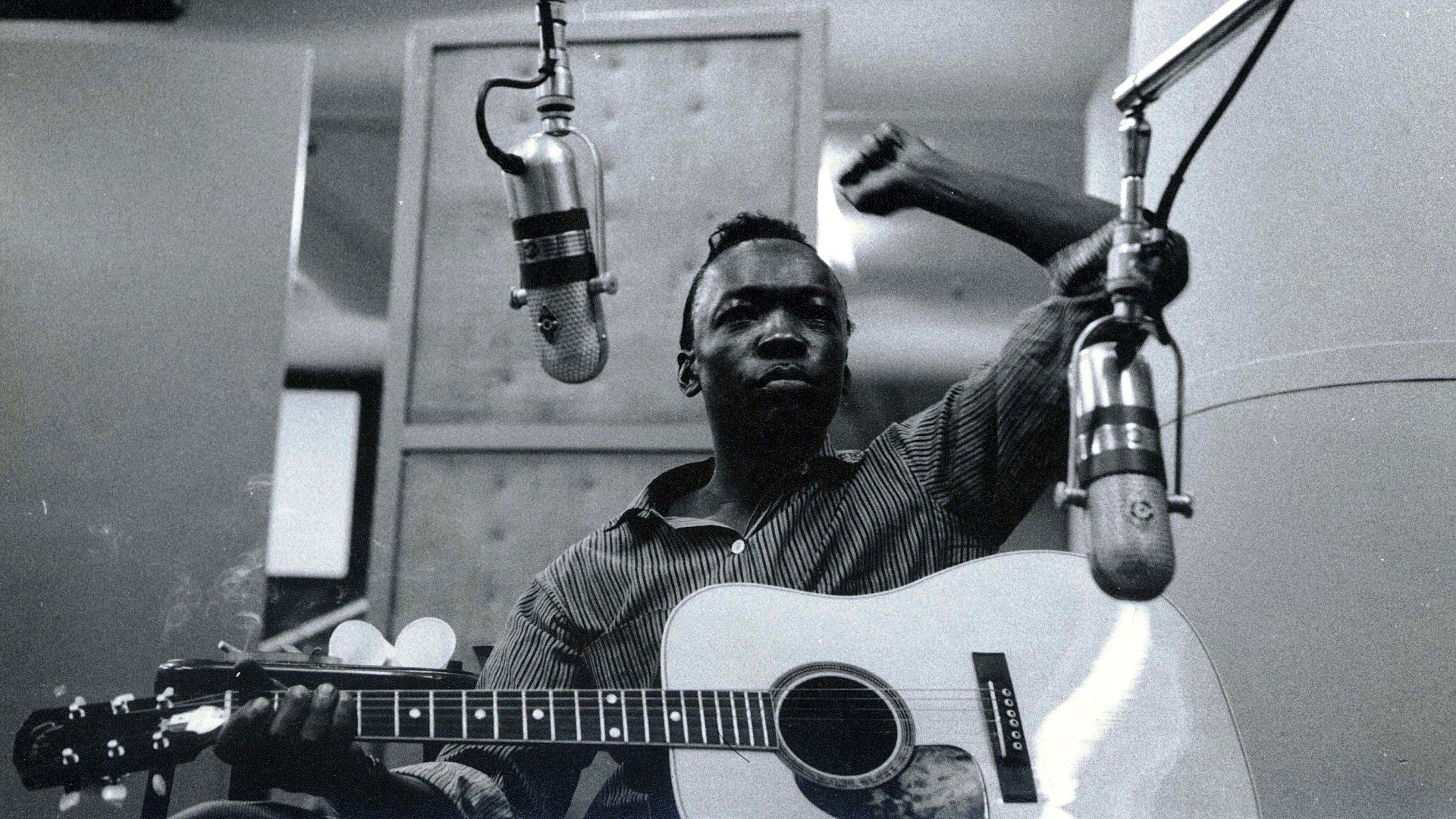
When it comes to the raw, electrifying heart of blues music, few artists resonate as deeply as John Lee Hooker. With his distinctive guitar style and gravelly voice, Hooker transcended generations, blending traditional Delta blues with urban Chicago sounds to create a unique musical identity. His influence spans decades, inspiring countless musicians across genres, from rock to hip-hop.
In this article, we’ll explore the top 10 most popular John Lee Hooker songs of all time, showcasing the tracks that not only defined his career but also left an indelible mark on the music industry. From the hauntingly rhythmic “Boom Boom” to the timeless classic “One Bourbon, One Scotch, One Beer,” each song captures the essence of Hooker’s storytelling prowess and emotional depth.
Join us on this musical journey as we celebrate the man who brought the blues to life, revealing the tracks that continue to captivate audiences around the world. Whether you’re a longtime fan or new to his work, these iconic songs are sure to ignite your passion for one of music’s greatest legends. Get ready to dive into the world of John Lee Hooker!
1. Boom Boom (1962)
“Boom Boom” is undeniably one of John Lee Hooker’s most iconic and widely recognized songs, released in 1962. This track captures the essence of Hooker’s unique style, with its pulsating rhythm and catchy, blues-infused lyrics. The song’s upbeat tempo and infectious groove immediately invite listeners into the world of Hooker’s gritty, soulful blues. At its core, “Boom Boom” tells the story of a man seeking companionship, and his deep, raw desire is reflected in Hooker’s commanding voice and rhythmic guitar riffs. The track pulses with energy, and the unmistakable boogie-woogie feel in the music creates an irresistible vibe that has made it a staple in both blues and rock circles. The simplicity of the lyrics—repeated phrases that emphasize longing and the pursuit of connection—add to the song’s universal appeal. Yet, it’s Hooker’s ability to infuse those simple words with deep emotion that makes this track so powerful. The bluesy guitar riff that repeats throughout the song is as memorable as it is infectious, setting the stage for the music that follows. The track’s rhythm and flow, coupled with Hooker’s iconic guitar playing, encourage a sense of freedom and joy that speaks to the heart of his musical legacy. “Boom Boom” is more than just a blues song—it’s an anthem for anyone who feels the need to dance, let go, and celebrate life. It remains a timeless classic, regularly featured in playlists for both casual listeners and die-hard blues fans alike. This song continues to inspire and influence generations of musicians, ensuring its place in the pantheon of great American music.
2. One Bourbon, One Scotch, One Beer (1966)
Released in 1966, “One Bourbon, One Scotch, One Beer” is a classic example of John Lee Hooker’s storytelling prowess, skillfully blending humor, life’s struggles, and the comfort of a drink. The song unfolds like a narrative, as Hooker weaves a tale of hardship, heartbreak, and solace found in alcohol. The narrator of the song takes the listener through a personal journey, starting with a drink to numb the pain of life’s difficulties, and continuing as he finds himself in the midst of an emotional downpour. Hooker’s deep, gravelly voice and laid-back delivery create a sense of intimacy as though he’s confiding in the listener, inviting them into his world. The song’s clever lyrics add a layer of dark humor, as the narrator seemingly pours his heart into his drinks, only to be met with more frustration. The repetitive refrain of “One bourbon, one scotch, one beer” becomes more than just a catchy chorus—it mirrors the narrator’s attempt to find comfort in something, anything, to drown out the weight of his troubles. Musically, the song combines a slow, steady groove with blues riffs that echo the cyclical nature of the narrator’s struggles. The song has been covered by numerous artists over the years, yet Hooker’s version remains the definitive rendition, capturing the rawness and relatability of the narrative. “One Bourbon, One Scotch, One Beer” resonates deeply with anyone who has ever tried to numb the pain of life with a drink, making it a blues anthem for generations. The track’s clever mix of blues, humor, and emotional depth has cemented its place as a timeless classic in Hooker’s catalog.
3. Crawlin’ King Snake (1949)
Released in 1949, “Crawlin’ King Snake” is one of John Lee Hooker’s most influential tracks, demonstrating his deep connection to the Delta blues tradition. The song is built around a haunting, repetitive melody that perfectly complements Hooker’s evocative, raspy voice, creating a chilling atmosphere. “Crawlin’ King Snake” tells the story of a man who feels the weight of his isolation, with the image of the king snake serving as a metaphor for both power and loneliness. The crawling snake represents a sense of inevitable movement, a journey that is both destructive and solitary, much like the themes of the song. Hooker’s guitar work is simple yet hypnotic, punctuating the mood of the song with every pluck of the strings. The slow, deliberate rhythm mirrors the song’s melancholy narrative, inviting listeners into a world of heartbreak and resilience. The lyrics themselves, filled with images of a man who cannot escape his own desires, reflect the struggle of trying to rise above a life filled with pain and disappointment. What makes this track so powerful is Hooker’s ability to blend personal despair with a universal theme—the feeling of being trapped in a cycle of unfulfilled desires. “Crawlin’ King Snake” has inspired countless musicians, and its influence can be heard in the work of artists across genres. The song’s hypnotic rhythm and melancholy lyrics have made it a staple in blues music, serving as a reminder of the emotional depth that the genre can reach. This track not only solidifies Hooker’s place in blues history but also showcases the lasting impact of the Delta blues on the music world.
4. I’m in the Mood (1951)
“I’m in the Mood,” released in 1951, is a quintessential John Lee Hooker track that captures the seductive, passionate side of his music. This sultry blues number is all about desire, and Hooker’s smooth, soulful vocals and masterful guitar playing draw listeners into a world where love and longing are front and center. The lyrics of “I’m in the Mood” speak to the raw, visceral feelings of attraction and desire, and Hooker’s voice conveys a sense of urgency and intimacy that few artists could match. The music itself is rich with smooth, flowing guitar lines and an infectious, slow-burn rhythm that invites listeners to move with the beat. There’s an undeniable sensuality in the way Hooker delivers each line, especially when he sings, “I’m in the mood to love you,” as if the words are an invitation to a deeper, more intimate connection. The song’s groove is undeniably infectious, making it a favorite on dance floors, where the rhythm and melody encourage movement. Yet, while the track is undeniably sensual, there’s a deeper emotional undercurrent that makes it more than just a song about physical attraction. Hooker’s ability to capture the complexities of human emotion—desire, passion, and vulnerability—through his voice and guitar playing is what makes “I’m in the Mood” such a classic. The track’s timeless appeal is a testament to Hooker’s skill in creating music that resonates on a deep, emotional level, transcending the physicality of its subject matter to tap into something more universal. This sultry blues anthem remains one of Hooker’s signature songs and is a staple in his incredible legacy of music.
5. It Serves You Right to Suffer (1966)
Released in 1966, “It Serves You Right to Suffer” is a raw and intense blues track that dives into the pain of heartbreak and the emotional weight of revenge. The song is delivered with a level of intensity that is typical of John Lee Hooker, but it also carries a sense of defiance and power. In the song, Hooker expresses his anger and resentment toward someone who has wronged him, using his soulful vocals to convey a complex mix of pain, vengeance, and a sense of justice. The deliberate pace of the song, coupled with the steady rhythm and mournful guitar, allows the emotional gravity of the lyrics to sink in with every note. Hooker’s voice is both commanding and sorrowful, delivering each line with the kind of authority that only someone who has lived through such emotional turmoil can. The song’s central message—“It serves you right to suffer”—is both a declaration of independence and a cathartic release of pent-up frustration. The slow, bluesy guitar riffs punctuate the song’s somber message, creating an atmosphere that’s heavy with emotion. Hooker’s ability to channel such intense feelings into his music is what makes this track so powerful. It’s a blues anthem for anyone who has ever experienced betrayal and is now ready to move on, holding their head high. “It Serves You Right to Suffer” remains one of Hooker’s most impactful songs, with its gritty realism and raw emotion capturing the essence of what makes blues music so cathartic and relatable. The track’s timeless nature ensures it remains an essential piece of his discography and a fan favorite.
6. Dimples (1948)
“Dimples,” released in 1948, is a lively and playful track that showcases John Lee Hooker’s ability to blend humor with his signature blues style. The song tells the story of a charming woman, and Hooker’s catchy melody and energetic delivery capture the joy and flirtation that come with attraction. The rhythm of the song is infectious, with a quick-paced, toe-tapping beat that makes it impossible not to move along. The lyrics are lighthearted and fun, telling the tale of a woman who has captured Hooker’s heart with her irresistible smile and enchanting “dimples.” The track’s upbeat tempo and playful mood contrast with much of Hooker’s darker, more somber blues, showing his versatility as an artist. His guitar work is intricate, with fast-paced strumming and sharp, clean riffs that give the song its energetic feel. The infectious rhythm combined with Hooker’s charismatic delivery creates a track that’s just as much fun to dance to as it is to listen to. While the song is playful and light-hearted, there’s still an undeniable bluesy feel to it, making it a perfect blend of Hooker’s energetic, fun-loving side and his blues roots. “Dimples” remains a fan favorite for its energy, charm, and infectious spirit, and it is often cited as one of Hooker’s most enduring tracks. The song’s joyful, flirtatious energy and catchy melody ensure that it continues to be a staple in blues music, representing a lighter, more carefree aspect of the genre.
7. The Healer (1989)
“The Healer,” released in 1989, marks a pivotal moment in John Lee Hooker’s career, as it introduced his music to a new generation of listeners while still staying true to his roots. The track blends traditional blues with modern elements, creating a fusion of styles that showcases Hooker’s adaptability and timelessness as an artist. In “The Healer,” Hooker addresses themes of healing, redemption, and the power of music to soothe the soul. The song features a powerful vocal performance from Hooker, whose raspy, soulful voice carries the weight of the lyrics as he sings about the transformative power of music and its ability to heal emotional wounds. The song’s smooth, rhythmic guitar work complements the lyrical content, creating a soothing atmosphere that reflects the healing process. Hooker’s collaboration with contemporary artists during this period helped introduce his music to a new audience, bridging the gap between classic blues and the emerging sounds of the late 80s. “The Healer” has a calming, almost meditative quality to it, as Hooker’s voice and guitar work together to create a sense of peace and resolution. The track is a powerful reminder of the therapeutic nature of music and its ability to offer solace in times of emotional pain. “The Healer” remains one of Hooker’s standout tracks, showing his ability to evolve while staying true to the essence of his music. It continues to resonate with both old fans and new listeners, solidifying Hooker’s place as one of the greatest blues musicians of all time.
8. Hobo Blues (1941)
“Hobo Blues,” released in 1941, is a quintessential blues track that tells the story of the wandering soul, capturing the spirit of a life on the road. Hooker’s rich storytelling paints a vivid picture of a hobo’s life, filled with struggle, hope, and a desire for freedom. The track’s raw energy and compelling rhythm evoke the restlessness of the hobo lifestyle, while Hooker’s gravelly voice adds authenticity to the story. The song’s simple yet powerful melody and steady beat convey the urgency of the hobo’s journey, as he moves from one place to the next in search of a better life. The lyrics speak to the hardships of being a wanderer, but also to the sense of freedom that comes with living outside the confines of society’s expectations. The song’s repetitive structure creates a sense of movement, mirroring the constant motion of the hobo’s life on the road. Hooker’s guitar work is understated yet effective, with each note punctuating the rhythm of the song. “Hobo Blues” is a classic example of Hooker’s ability to tell a compelling story through music, blending the personal with the universal. The track is a powerful exploration of the American experience, and its influence can be heard in the work of countless musicians who have followed in Hooker’s footsteps. This song remains a key part of Hooker’s legacy, reflecting his deep connection to the blues tradition and his ability to tell stories that resonate with listeners of all walks of life.
9. You Shook Me (1962)
“You Shook Me,” released in 1962, is one of John Lee Hooker’s most emotionally charged songs, capturing a sense of deep love, longing, and heartbreak. The slow, bluesy tempo creates a somber yet intimate atmosphere, allowing Hooker’s voice to shine as he sings about the overwhelming impact of love. The song’s lyrics are filled with raw emotion, as Hooker recounts the feeling of being consumed by love and the devastation of heartbreak. The interplay between his guitar and vocals creates a haunting, hypnotic quality that draws the listener in. The song’s slow, steady rhythm mirrors the feeling of time moving at a crawl when dealing with the pain of lost love. Hooker’s guitar riffs echo the pain of longing, and his gravelly voice adds a layer of authenticity to the emotions being conveyed. “You Shook Me” is a song about the vulnerability that comes with love, and it speaks to the universal experience of both the ecstasy and heartbreak that accompany romantic relationships. The song has become one of Hooker’s most beloved tracks, and its influence can be heard in the work of many artists who have drawn from its emotional depth. “You Shook Me” continues to resonate with listeners, and its raw, emotional energy ensures that it remains a classic in the blues genre. This track is a powerful testament to Hooker’s ability to convey complex emotions through his music, creating a song that is both personal and universally relatable.
10. I Got My Mojo Working (1956)
“I Got My Mojo Working,” released in 1956, is a lively and infectious anthem that celebrates the power of attraction and the magic of love. Hooker’s charismatic performance and energetic delivery infuse the song with an undeniable sense of joy and excitement. The song’s upbeat rhythm and catchy chorus make it a favorite in dance halls and bars, as its infectious energy encourages listeners to move along with the music. The track’s lyrics, which speak of the irresistible power of Hooker’s “mojo,” tap into the playful and flirtatious side of love. There’s a sense of fun and charm in the way Hooker delivers the lines, capturing the thrill of romance and the magnetic pull between two people. The song’s lively pace and spirited guitar riffs make it impossible not to get caught up in the rhythm, and Hooker’s smooth, confident voice adds to the track’s sense of swagger. “I Got My Mojo Working” is a perfect example of Hooker’s ability to blend humor, charisma, and musicality into a memorable track. The song’s enduring popularity speaks to its universal appeal, as its themes of love, attraction, and fun are timeless. This energetic anthem remains one of Hooker’s most beloved songs and is a key part of his legacy. Its infectious beat and catchy chorus ensure that “I Got My Mojo Working” continues to captivate audiences, making it a quintessential blues classic that still resonates with listeners today.

Edward Tomlin is a frequent contributor to Singers Room. Since 2005, Singersroom has been the voice of R&B around the world. Connect with us via social media below.









