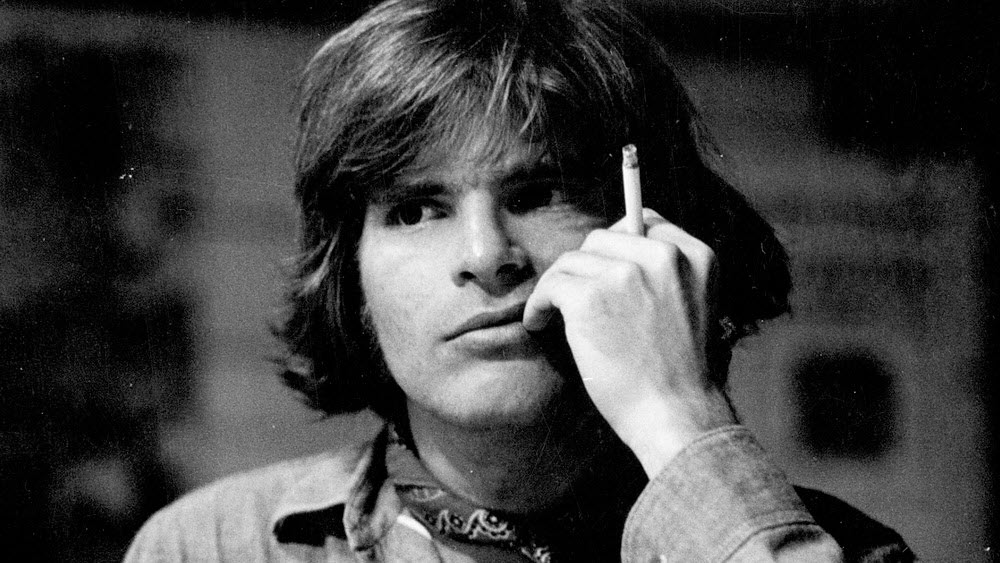
John Fogerty is a true icon of rock and roll, a legendary songwriter, and the unmistakable voice behind some of the most enduring anthems in music history. From his time as the creative force in Creedence Clearwater Revival (CCR) to his celebrated solo career, Fogerty has crafted a legacy defined by raw authenticity, unforgettable melodies, and lyrics that capture the spirit of America’s heartland. His songs are timeless—equal parts swampy grooves, driving guitars, and poignant storytelling. Whether he’s delving into issues of war and inequality, painting vivid pictures of life along the bayou, or crafting foot-stomping rockers, Fogerty’s music resonates across generations.
With a career spanning over five decades, narrowing down the top 10 John Fogerty songs is no easy task. From protest anthems like “Fortunate Son” to nostalgic gems like “Centerfield”, Fogerty’s catalog is packed with hits that have shaped the very fabric of rock history. These songs aren’t just tracks—they’re cultural landmarks, each with its own story and impact. Whether you’re a lifelong fan or a newcomer to his music, this list will take you on a journey through the highlights of Fogerty’s unparalleled career. Let’s dive in and celebrate the unforgettable songs that made John Fogerty a legend!
1. “Proud Mary” (1969)
Released on Creedence Clearwater Revival’s Bayou Country album, “Proud Mary” is a rock anthem that solidified John Fogerty’s reputation as a masterful storyteller. The song’s narrative of escaping a monotonous life to work on the Mississippi River is brought to life through vivid imagery and Fogerty’s soulful, gravelly vocals. Its swampy rhythm, instantly recognizable riff, and infectious chorus have made it a beloved classic for generations of music fans. “Proud Mary” embodies the spirit of freedom and adventure, resonating deeply with wanderers and dreamers. Over the decades, it’s been covered by countless artists, most notably Ike & Tina Turner, whose electrifying version introduced the song to an entirely new audience. A staple of American music, “Proud Mary” remains an enduring piece of rock history.
2. “Bad Moon Rising” (1969)
A standout track from CCR’s Green River album, “Bad Moon Rising” juxtaposes its upbeat tempo with foreboding lyrics. Written against the backdrop of a turbulent era, the song warns of impending doom, weaving apocalyptic imagery into its deceptively cheerful melody. Fogerty’s jangly guitar riff and concise, catchy structure have cemented its place as one of the most iconic songs of the 1960s. “Bad Moon Rising” has also become a cultural touchstone, appearing in numerous films and TV shows, which underscores its lasting appeal. The song’s ability to blend dark themes with an irresistibly lively tune is a testament to Fogerty’s songwriting genius.
3. “Fortunate Son” (1969)
From the Willy and the Poor Boys album, “Fortunate Son” is a fiery anthem that rails against privilege and inequality during the Vietnam War. John Fogerty’s impassioned vocals and biting lyrics capture the frustration of working-class Americans forced to fight wars while the elite remain untouched. The song’s relentless rhythm and raw energy amplify its message, making it one of the most powerful protest songs ever written. Decades later, “Fortunate Son” remains a rallying cry for social justice, its searing critique of class disparity as relevant today as it was in 1969. Its uncompromising honesty has cemented it as a timeless anthem of defiance.
4. “Have You Ever Seen the Rain?” (1971)
A heartfelt track from CCR’s Pendulum album, “Have You Ever Seen the Rain?” is one of John Fogerty’s most introspective works. Often interpreted as a metaphor for the band’s internal tensions during their height of success, the song is steeped in melancholy. Its poignant lyrics and steady rhythm create a bittersweet atmosphere, while Fogerty’s emotive delivery ensures the song’s timeless appeal. With themes of change, loss, and reflection, “Have You Ever Seen the Rain?” resonates deeply with listeners across generations, making it one of CCR’s most cherished classics.
5. “Green River” (1969)
The title track of CCR’s third album, “Green River” transports listeners to John Fogerty’s idyllic childhood memories of summers by the river. The song’s swampy guitar riff and evocative lyrics paint a vivid picture of rustic charm and carefree days. Accented by harmonica flourishes and a driving beat, “Green River” perfectly encapsulates the spirit of Southern rock. Fogerty’s knack for crafting nostalgia through music is on full display here, making the song a quintessential CCR track and a celebration of simpler times.
6. “Centerfield” (1985)
John Fogerty’s solo hit “Centerfield” is a love letter to America’s favorite pastime: baseball. The title track from his 1985 album, it brims with nostalgia and excitement, capturing the thrill of stepping onto the diamond. Featuring handclaps, organ riffs, and an infectious melody, “Centerfield” is a feel-good anthem that resonates with sports fans and casual listeners alike. The song’s universal themes of perseverance and joy make it a stadium favorite, ensuring its enduring popularity as both a musical and cultural staple.
7. “Down on the Corner” (1969)
From the Willy and the Poor Boys album, “Down on the Corner” is a lively tribute to street performers and the joy they bring to their communities. With a playful rhythm, toe-tapping beat, and storytelling lyrics, the song introduces the fictional jug band Willy and the Poor Boys. Fogerty’s vivid imagery and lighthearted delivery make it impossible not to smile along. Its simplicity and charm have earned it a lasting place in CCR’s catalog, showcasing the band’s fun, approachable side.
8. “Run Through the Jungle” (1970)
Dark and foreboding, “Run Through the Jungle” from Cosmo’s Factory delves into themes of violence and chaos. Its ominous riff, echoing harmonica, and haunting lyrics create a tense, almost cinematic atmosphere. While many associate it with the Vietnam War, Fogerty has clarified that the song critiques America’s gun culture. Regardless of interpretation, “Run Through the Jungle” is a powerful, unforgettable track that highlights CCR’s ability to tackle weighty subjects with intensity and grit.
9. “Travelin’ Band” (1970)
A high-energy homage to 1950s rock ‘n’ roll, “Travelin’ Band” from Cosmo’s Factory captures the chaos and excitement of life on the road. With blazing guitar riffs, honking saxophone, and Fogerty’s electrifying vocals, the song channels the spirit of early rock legends while adding a modern edge. Its breakneck pace and infectious energy make it a thrilling addition to CCR’s catalog and a testament to Fogerty’s love for rock’s roots.
10. “Who’ll Stop the Rain” (1970)
“Who’ll Stop the Rain,” another masterpiece from Cosmo’s Factory, is a poetic meditation on life’s hardships and the search for hope. Its acoustic simplicity, poignant lyrics, and Fogerty’s plaintive vocals create an atmosphere of quiet resilience. Frequently interpreted as a commentary on societal unrest, the song resonates on a deeply emotional level. Its timeless themes and understated beauty have solidified its place as one of CCR’s most enduring and meaningful tracks.

Samuel Moore is a frequent contributor to Singers Room. Since 2005, Singersroom has been the voice of R&B around the world. Connect with us via social media below.









