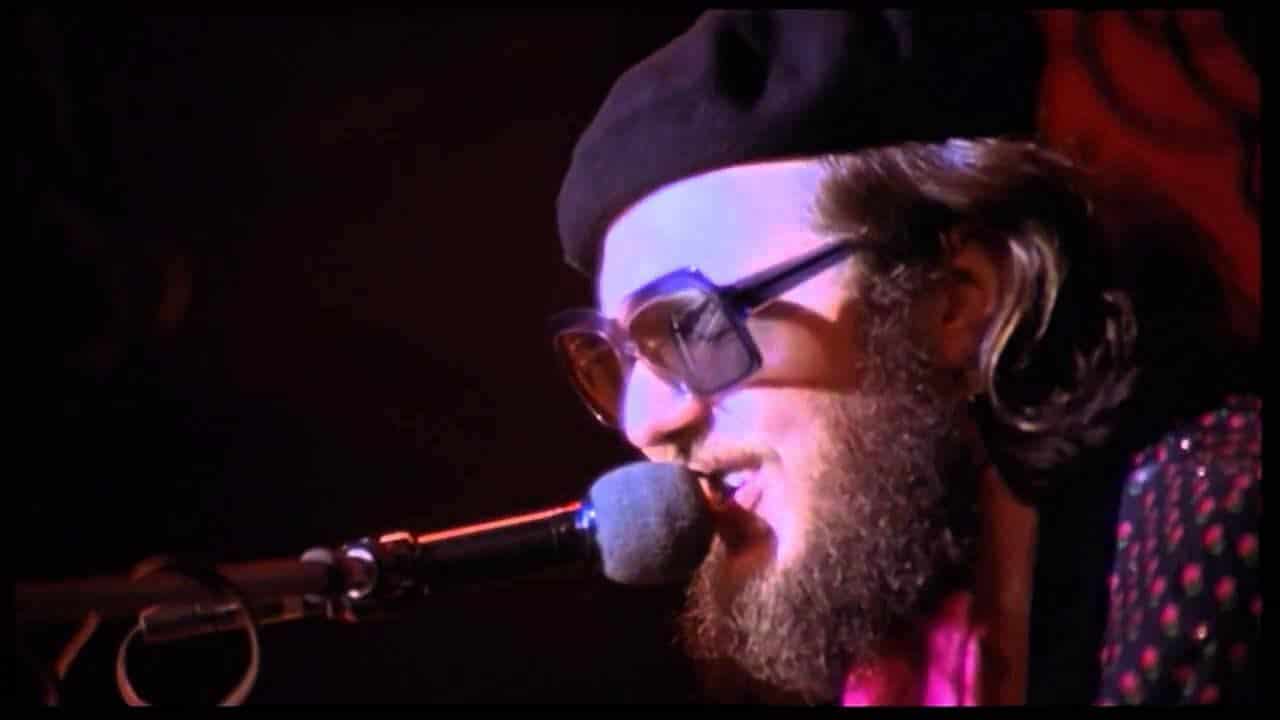
Dr. John, the musical wizard from New Orleans, has enchanted audiences for decades with his unique blend of funk, blues, and rock. His distinctive voice and haunting piano riffs have not only defined his career but have also left an indelible mark on the music landscape. From his charismatic stage presence to his eclectic style, Dr. John, also known as the Night Tripper, seamlessly weaves together rich musical traditions with contemporary flair.
As we dive into the top 10 most popular Dr. John songs of all time, prepare to be transported through a sonic journey filled with vibrant rhythms and soulful melodies. Each track showcases his extraordinary talent and storytelling ability, capturing the essence of life in the Big Easy. Whether you’re a longtime fan or new to his music, this list reveals the timeless classics that have made Dr. John a beloved figure in the industry. Get ready to celebrate the legacy of a true musical icon as we explore the songs that have resonated with generations and continue to inspire artists and listeners alike!
1. “Right Place, Wrong Time” (1973)
“Right Place, Wrong Time” is an iconic track that perfectly captures the essence of Dr. John’s distinct musical style. Released in 1973, this song became an instant classic, resonating with listeners for its infectious groove, catchy chorus, and witty lyrics. The track blends funky rhythms, upbeat tempos, and Dr. John’s signature New Orleans sound into an unforgettable anthem. With a tight rhythm section and a driving bassline, the song builds a solid foundation, while the horns add a layer of sophistication, creating a dynamic and lively sound that’s impossible not to move to.
What makes this song so timeless is its clever and relatable storytelling. The lyrics speak to the idea of finding oneself in the right place but at the wrong time—a universal feeling that everyone can relate to. Dr. John’s delivery of the lyrics is playful, his voice smooth but with an edge of humor, capturing the frustration of the situation with a touch of irony. The song’s upbeat vibe and catchy hooks made it an instant radio hit, and its infectious chorus, “Right place, wrong time,” still gets stuck in listeners’ heads long after the track ends.
The track also showcases Dr. John’s genius in blending genres. With its mix of funk, soul, and jazz elements, “Right Place, Wrong Time” has an unmistakable New Orleans flavor. Even though it was released over four decades ago, it continues to bring energy to dance floors and playlists, serving as a perfect example of Dr. John’s ability to merge a variety of musical influences into something fresh, timeless, and uniquely his own.
2. “Such a Night” (1973)
“Such a Night” is a mesmerizing track that captures a moment of romance and enchantment, drawing listeners in with its soulful charm and rich instrumentation. Released in 1973, the song features Dr. John’s signature style, blending blues, jazz, and R&B into a seamless, seductive melody. The song’s foundation is built on lush piano lines, while the smooth rhythm section provides a warm and intimate backdrop for Dr. John’s soulful vocals. The groove, slow and steady, sets a sultry mood that allows every note to linger, creating a sense of nostalgia and longing that defines the song.
Lyrically, “Such a Night” paints a vivid picture of an unforgettable evening filled with passion and connection. The song’s storytelling feels almost cinematic, like a scene from an old film where everything is magical and the moment feels as though it could last forever. Dr. John’s voice, drenched in emotion, delivers each line with depth and sincerity, making it clear that this is a special memory he is sharing with the listener. His delivery is smooth and sensual, with just the right touch of soul, making the track feel both intimate and universal.
Musically, “Such a Night” is a perfect example of Dr. John’s ability to fuse genres. The blend of jazz, blues, and R&B influences creates an atmosphere that is at once nostalgic and timeless. The track’s rhythmic elements draw from the laid-back groove of New Orleans, while its deep, melodic piano lines remind listeners of the city’s jazz roots. As the song builds in intensity, it transports the listener into the spell of the night, making it a standout in Dr. John’s catalog and a perfect example of his mastery in creating evocative, atmospheric music.
3. “Iko Iko” (1989)
“Iko Iko” is a song that brings the vibrant energy of New Orleans to life with an exuberance that’s impossible to ignore. Originally a street anthem in New Orleans, Dr. John’s version of this classic takes it to new heights with his energetic, signature style. Released in 1989, the track’s lively beat and infectious rhythm bring the spirit of Mardi Gras directly to the listener. From the very first note, the song pulses with excitement, the energetic percussion and lively horns creating a festive atmosphere that feels like a parade in full swing.
The call-and-response sections of “Iko Iko” are especially compelling, as they invite listeners to sing along and join in the celebration. This participatory element of the song captures the communal spirit of New Orleans, where music is deeply woven into the cultural fabric of the city. The catchy chorus, “Iko Iko, un de, un de,” encourages listeners to embrace the joy and liveliness of the moment, making it an irresistible sing-along. Dr. John’s vocal delivery is playful and spirited, adding to the sense of revelry and fun that defines the track.
Musically, “Iko Iko” is a perfect fusion of traditional New Orleans rhythms and Dr. John’s distinctive flair. The vibrant instrumentation blends elements of funk, jazz, and R&B, creating a rich and layered sound that feels both fresh and nostalgic. Dr. John’s arrangement transforms the original into a timeless anthem that captures the essence of New Orleans culture. Whether heard during a Mardi Gras celebration or simply as a tune to lift the spirit, “Iko Iko” continues to evoke the festive energy of New Orleans, making it a classic in Dr. John’s vast repertoire.
4. “Big Chief” (1972)
“Big Chief” is a powerful and electrifying track that showcases Dr. John’s deep connection to the cultural heart of New Orleans. Released in 1972, the song pays tribute to the Mardi Gras Indian traditions of the city, blending hypnotic rhythms, bluesy grooves, and vibrant storytelling to paint a vivid picture of New Orleans’ unique musical landscape. The track is a celebration of the spirit of the Mardi Gras Indians, with Dr. John’s deep, soulful vocals bringing the larger-than-life character of the “Big Chief” to life.
The song’s opening is marked by a steady, entrancing rhythm that immediately draws the listener in. The rhythmic patterns echo the pulse of the city, with percussion that feels both primal and celebratory. The horns add a layer of grandeur, evoking the pageantry of the Mardi Gras parades. Dr. John’s voice, full of strength and authority, leads the way through the song, capturing the pride and resilience of the Mardi Gras Indian tradition. The chorus, which echoes the title of the song, “Big Chief,” feels both commanding and celebratory, like a shout of triumph.
Musically, “Big Chief” blends elements of funk, jazz, and traditional New Orleans music to create a sound that is distinctly Dr. John. The track’s hypnotic rhythm and powerful instrumentation draw from the Mardi Gras Indian chants and street parades that have defined the culture of New Orleans for generations. The way Dr. John incorporates this heritage into his music is a testament to his deep respect for the traditions of his hometown. “Big Chief” is a tribute to New Orleans, capturing its soul and its history in a track that feels both timeless and undeniably of its time.
5. “Walk on Guilded Splinters” (1970)
“Walk on Guilded Splinters” is a mesmerizing and haunting journey into the depths of Dr. John’s musical creativity. Released in 1970, the track combines eerie melodies, intricate arrangements, and a sense of mystery that transports the listener into a dreamlike realm. The song’s ethereal quality is driven by its haunting vocals, slow, deliberate pace, and intricate instrumentation, making it one of Dr. John’s most experimental and captivating pieces.
From the very beginning, “Walk on Guilded Splinters” feels like a journey into the unknown. The song’s opening guitar riff is hypnotic and slightly unsettling, setting the stage for the atmospheric mood that follows. Dr. John’s vocals, soulful and expressive, are layered with a sense of mystery as he sings about the dangers of temptation and the allure of the unknown. The arrangement is complex, with elements of psychedelic rock, blues, and jazz creating a rich, textured soundscape that feels like a swirling vortex pulling the listener deeper into the song.
Lyrically, “Walk on Guilded Splinters” captures a sense of both wonder and trepidation. The metaphor of walking on “guilded splinters” suggests a precarious journey, where beauty and danger exist side by side. The song evokes a feeling of disorientation, like walking through a dream where reality and illusion blur together. Musically, the track is an exploration of the boundaries between genres, blending the hypnotic rhythms of jazz with the experimental edge of psychedelic rock. The combination of these elements creates a powerful, mesmerizing track that showcases Dr. John’s ability to push musical boundaries while still maintaining his unique sound.
6. “Gris-Gris Gumbo Ya Ya” (1968)
“Gris-Gris Gumbo Ya Ya” is one of Dr. John’s most mystically charged tracks, offering listeners a window into the magical and spiritual world of New Orleans. Released in 1968, this song is the embodiment of the voodoo influences that permeate much of Dr. John’s work. It’s a track that not only celebrates the rich cultural heritage of the city but also invites listeners to immerse themselves in its enchanting folklore. The song’s rhythmic chants and hypnotic grooves create an atmosphere that is both otherworldly and deeply rooted in the traditions of New Orleans.
The opening of “Gris-Gris Gumbo Ya Ya” is immediately captivating, with its lush, percussion-heavy beat that calls to mind the rhythmic ceremonies of the voodoo tradition. Dr. John’s deep, gravelly voice adds to the mystical aura of the track, as he sings with a sense of urgency and mystery, inviting listeners into a world of magic and mystery. The song is steeped in ritualistic imagery, from the chants to the references to voodoo practices, pulling listeners into an almost trance-like state.
Musically, the track is a fusion of blues, jazz, and funk, but it’s the incorporation of traditional New Orleans sounds—like tambourines, maracas, and other percussive elements—that really brings the city’s magical culture to life. The arrangement is hypnotic, with repetitive rhythms and swirling melodies that evoke a sense of ritual and incantation. The song feels like an invocation, with Dr. John’s voice and the instrumentation conjuring an air of mystery and reverence for the spiritual practices that have long been a part of New Orleans’ heritage. “Gris-Gris Gumbo Ya Ya” is a mesmerizing celebration of the city’s deep-rooted spirituality, and it remains one of Dr. John’s signature pieces.
7. “Makin’ Whoopee” (1973)
Dr. John’s rendition of the classic song “Makin’ Whoopee” is a playful, jazzy take on a well-known standard that has become a staple of his musical catalog. Released in 1973, the track offers a fun and flirtatious atmosphere that is entirely Dr. John’s own. With its upbeat tempo, swinging rhythm, and smooth piano accompaniment, the song brings a touch of humor and charm to the timeless tale of romance, love, and the ups and downs of relationships.
Dr. John’s approach to “Makin’ Whoopee” is both playful and sultry. His voice is smooth, but with a cheeky edge that perfectly fits the song’s mischievous lyrics. The catchy piano lines bounce along with the beat, providing the perfect backdrop for the lighthearted delivery of the lyrics. The lyrics themselves are a playful exploration of the romance and comedy of life’s little mishaps. The singer addresses the humorous side of love and relationships, with a wink and a nod to the complications that come with making “whoopee.”
Musically, “Makin’ Whoopee” is a brilliant example of Dr. John’s ability to breathe new life into classic material. The song’s lively jazz rhythms and playful instrumentation are given a fresh twist through his distinct New Orleans flavor, making it feel both timeless and modern at the same time. His ability to interpret a well-worn standard and inject his unique personality into it shows his creativity and skill as an artist. The track is an enjoyable, swinging ride that perfectly captures Dr. John’s knack for bringing fun and flair to everything he touches, making it an unforgettable addition to his repertoire.
8. “The Junkie’s Song” (1972)
“The Junkie’s Song” is a raw and poignant ballad that takes listeners on an emotional journey through the dark struggles of addiction. Released in 1972, the track stands out in Dr. John’s catalog for its stark honesty and vulnerability. Unlike many of his other songs, “The Junkie’s Song” is hauntingly introspective, showcasing Dr. John’s ability to explore the human condition with depth and empathy. The song’s mournful melody, paired with its somber lyrics, paints a vivid picture of the emotional toll that addiction can take on a person.
The arrangement of the song is hauntingly minimalist, with sparse instrumentation that allows Dr. John’s vocals to take center stage. His voice is soulful and expressive, conveying the pain and despair of the subject matter. Each line is delivered with a sense of sorrow and regret, pulling the listener into the emotional core of the song. The music mirrors the lyrical content, with its slow, deliberate pace and melancholy tone, evoking a feeling of hopelessness and yearning for escape.
Lyrically, “The Junkie’s Song” offers a glimpse into the internal struggle of addiction, depicting the sense of entrapment and self-doubt that often accompanies substance abuse. Dr. John’s portrayal of this struggle is poignant and raw, revealing the vulnerability of the individual caught in the cycle of addiction. The song is a powerful reflection on pain, loss, and the hope for redemption. With its honesty and emotional weight, “The Junkie’s Song” remains one of Dr. John’s most deeply moving tracks, showcasing his skill as a songwriter and his ability to tap into the complex emotions that define the human experience.
9. “Marie Laveau” (1974)
“Marie Laveau” is an evocative and captivating track that pays tribute to one of New Orleans’ most legendary figures, the Voodoo Queen Marie Laveau. Released in 1974, the song weaves together history, folklore, and Dr. John’s signature sound to create an immersive and atmospheric experience. The track tells the story of Laveau, blending her mystique with Dr. John’s unique brand of storytelling. With its pulsing rhythm, rich instrumentation, and haunting melody, the song paints a vivid picture of the legendary figure who captivated the imagination of New Orleans for generations.
The song opens with a deep, rhythmic groove, immediately setting the tone for the mysterious and enchanting story that follows. Dr. John’s charismatic delivery of the lyrics captures the allure of Marie Laveau, while also invoking the sense of reverence and respect that the people of New Orleans have long held for her. His voice, rich and soulful, carries the weight of history as he sings about the woman who became an iconic figure in the city’s voodoo culture. The song’s rhythmic pulse, combined with the bluesy, jazz-infused melody, creates a powerful atmosphere that transports the listener into the heart of New Orleans’ mystical world.
Musically, “Marie Laveau” features a blend of jazz, funk, and traditional New Orleans sounds, which create an immersive, almost hypnotic, effect. The song captures the energy of the city itself—its rich cultural heritage, its folklore, and its mysticism—while also paying homage to a figure who symbolizes the city’s deep-rooted connection to the spiritual world. With “Marie Laveau,” Dr. John brings the legend of the Voodoo Queen to life, creating a track that is as mysterious and captivating as the woman herself.
10. “Let the Good Times Roll” (1972)
“Let the Good Times Roll” is an anthem of celebration and joy, and it’s a track that encapsulates the spirit of Dr. John’s music. Released in 1972, the song invites listeners to leave their worries behind and embrace the pleasures of the moment. Its infectious rhythm, catchy chorus, and upbeat tempo make it an irresistible party song that encourages everyone to dance, smile, and enjoy life. The track’s vibrant instrumentation, featuring brass, funky guitar lines, and an energetic rhythm section, creates a lively and festive atmosphere that can lift anyone’s spirits.
The message of “Let the Good Times Roll” is simple yet powerful: life is for living, and in the face of adversity, it’s important to find joy in the present. Dr. John’s smooth and charismatic vocals deliver this message with a sense of enthusiasm and positivity that is contagious. The chorus, with its repeated refrain of “Let the good times roll,” serves as a rallying cry for anyone looking to embrace the good things in life and leave the troubles behind.
Musically, the song blends elements of funk, jazz, and traditional New Orleans rhythms, making it a perfect reflection of Dr. John’s unique sound. The brass section adds a bold, celebratory touch, while the funky bass and drums drive the groove forward with irresistible energy. The lively instrumentation and joyful spirit of the track make “Let the Good Times Roll” a timeless party anthem that captures the essence of celebration, fun, and the joy of life, ensuring its place as one of Dr. John’s signature songs.

Edward Tomlin is a frequent contributor to Singers Room. Since 2005, Singersroom has been the voice of R&B around the world. Connect with us via social media below.









