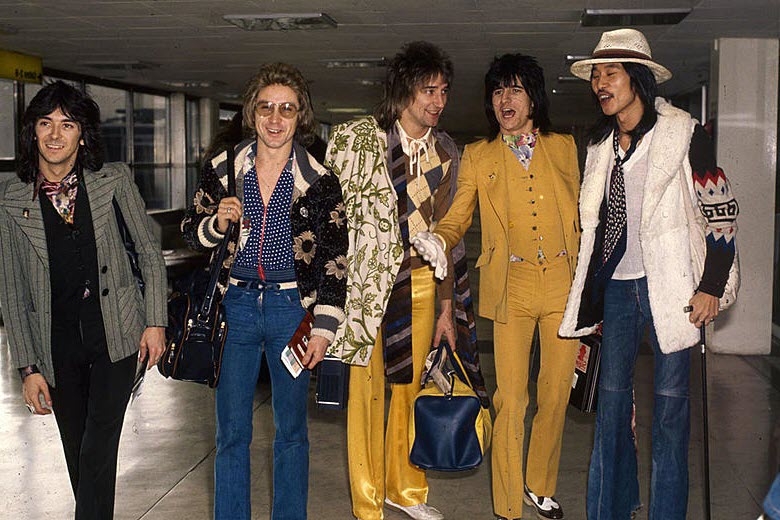
The Faces, one of rock’s most iconic and electrifying bands, have left an indelible mark on music history with their raw energy, raspy vocals, and unforgettable melodies. Formed in 1969 from the remnants of The Small Faces, the group quickly rose to prominence with their blues-infused rock and roll sound, fronted by the legendary Rod Stewart and powered by the impeccable musicianship of Ronnie Wood, Ian McLagan, Kenney Jones, and Ronnie Lane. Whether you’re a lifelong fan or just beginning to explore their catalog, The Faces have something for everyone—from raucous anthems that make you want to jump on stage to heartfelt ballads that tug at your heartstrings.
In this article, we’re diving deep into the top 10 most popular Faces songs of all time. These tracks have not only defined the band’s career but have also become timeless classics that continue to captivate new generations. From sing-along choruses to soul-stirring guitar riffs, each song on this list showcases the undeniable charisma and talent that made The Faces one of rock’s most beloved acts. Get ready to crank up the volume and rediscover the magic of these legendary tunes!
1. Stay With Me (1971)
Released in 1971 on A Nod Is As Good As a Wink… to a Blind Horse, “Stay With Me” is undoubtedly one of The Faces’ most recognizable hits, capturing the raw essence of the band’s sound and spirit. The song kicks off with an unforgettable slide guitar riff courtesy of Ronnie Wood, which sets an electrifying tone that instantly grabs listeners’ attention. Rod Stewart’s raspy, emotive vocals add depth and personality, painting a vivid picture of a one-night stand, devoid of commitments but rich in the thrill of the moment. The lyrics convey a sense of urgency and desire, as the protagonist pleads for his lover to remain with him just a little longer, embodying the carefree, hedonistic lifestyle often associated with the early ’70s rock scene. The punchy, hard-rocking rhythm drives the track forward, showcasing the band’s tight musicianship and vibrant energy. “Stay With Me” achieved considerable commercial success, peaking at No. 17 on the Billboard Hot 100, and it has since become an enduring rock anthem. Its infectious groove, rebellious spirit, and relatable lyrics continue to resonate with fans, making it a staple at live shows and a classic that stands the test of time.
2. Ooh La La (1973)
Released in 1973 as the title track of Ooh La La, this song stands out for its bittersweet charm and reflective lyrics, showcasing a different facet of The Faces’ musical range. Sung by Ronnie Wood rather than the usual powerhouse vocals of Rod Stewart, “Ooh La La” is infused with a gentle, folk-inspired sound that contrasts with the band’s more rowdy rock anthems. The lyrics delve into themes of nostalgia and the lessons learned through life and love, encapsulated in the poignant line, “I wish that I knew what I know now, when I was younger.” This sentiment resonates deeply with listeners of all ages, as it speaks to universal experiences of regret and growth. The track’s acoustic melody, underscored by subtle instrumentation, creates a warm atmosphere that invites sing-alongs. Despite its lack of commercial chart success upon release, “Ooh La La” has grown in stature over time, finding a special place in the hearts of fans. Its timeless quality and relatable message have made it a beloved classic, reminding us all to cherish the moments that shape us, even as we look back with a tinge of longing.
3. Cindy Incidentally (1973)
From the 1973 album Ooh La La, “Cindy Incidentally” is a delightful blend of catchy melodies and engaging storytelling, making it a standout track in The Faces’ repertoire. The song opens with a lively piano riff that immediately sets a joyful tone, inviting listeners into its carefree narrative. Co-written by Rod Stewart, Ronnie Wood, and Ian McLagan, the lyrics recount the tale of a man encouraging a woman named Cindy to leave her troubles behind and embrace a spontaneous adventure. This sense of freedom and adventure perfectly captures the spirit of the early ’70s. The Faces showcase their impressive musicianship throughout the track, with infectious guitar lines and an upbeat tempo that compel you to tap your feet. Rod Stewart’s charismatic vocals bring the lyrics to life, adding layers of charm and humor to the narrative. Although “Cindy Incidentally” may not be as commercially recognized as some of the band’s other hits, it remains a cherished gem among fans. Its upbeat, carefree attitude encapsulates the essence of The Faces at their peak, making it a track that still resonates with audiences today, reminding us of the joy found in life’s simpler moments.
4. Had Me a Real Good Time (1971)
“Had Me a Real Good Time,” featured on The Faces’ 1971 album Long Player, is a vibrant celebration of the wild and carefree moments that define youth and revelry. The song opens with a slow, bluesy intro, slowly building into an explosive chorus that perfectly encapsulates the band’s signature rock sound. Rod Stewart’s powerful and spirited vocals convey an infectious sense of joy, as he recounts tales of wild nights filled with laughter and fun. The lyrics celebrate the thrill of living in the moment, embodying the spirit of freedom that characterized the era. The Faces masterfully blend rock and roll with soulful grooves, creating a sound that’s both energetic and uplifting. The song’s dynamic structure, which shifts from a relaxed intro to an exhilarating chorus, captures the rollercoaster of emotions that come with youthful exuberance. “Had Me a Real Good Time” not only showcases the band’s incredible musicianship but also serves as a reminder of the importance of enjoying life’s fleeting moments. Even decades after its release, the track remains a beloved anthem that invites listeners to let loose and revel in the joy of living, making it a staple at parties and gatherings.
5. Debris (1971)
“Debris,” featured on A Nod Is As Good As a Wink… to a Blind Horse (1971), presents a more intimate and reflective side of The Faces, showcasing the songwriting talents of bassist Ronnie Lane. This poignant ballad stands in contrast to the band’s often raucous hits, providing a gentle, heartfelt moment on the album. The song explores themes of family and nostalgia, as Lane sings about his relationship with his father, expressing a sense of longing and introspection. The wistful lyrics are paired with a beautiful acoustic arrangement, allowing listeners to connect with the emotion behind the words. Ronnie Lane’s tender vocal delivery adds depth to the song, creating a moment of quiet reflection that resonates deeply with fans. Although “Debris” wasn’t as commercially successful as some of the band’s rock anthems, it has grown in stature over the years, becoming a favorite among dedicated followers of The Faces. Its emotional weight and sincerity reveal a different facet of the band’s artistry, showcasing their ability to craft songs that go beyond simple rock and roll bravado. “Debris” remains a cherished track that highlights the importance of personal connections and the bittersweet nature of memories.
6. Pool Hall Richard (1973)
Released as a standalone single in 1973, “Pool Hall Richard” is a high-energy track that highlights The Faces’ knack for storytelling through music. This lively tune narrates the tale of a pool hustler who meets his match, all set against a backdrop of sizzling guitars and driving drums. Rod Stewart delivers the lyrics with a swagger that brings the character of Richard to life, blending confidence with a touch of humor. The song’s infectious rhythm and catchy chorus make it an exhilarating listen, inviting audiences to engage with its playful narrative. The Faces’ musicianship shines throughout, as they effortlessly weave together elements of rock and roll with vibrant instrumentation. Although “Pool Hall Richard” didn’t appear on any of the band’s major studio albums, it has carved out a special place in the hearts of fans, who appreciate its energy and infectious spirit. The track exemplifies the fun-loving attitude of The Faces, capturing the essence of the early ’70s rock scene. Its vivid storytelling and lively sound ensure that “Pool Hall Richard” remains a favorite at live shows, energizing audiences and reminding listeners of the joys of good company and spirited competition.
7. Flying (1970)
“Flying,” featured on The Faces’ debut album First Step (1970), is a soaring anthem that captures the essence of freedom and liberation. This track opens with a bluesy guitar riff that sets a relaxed, yet uplifting tone, inviting listeners to embark on a musical journey. The lyrics express a longing for escape, reflecting the desire to break free from life’s constraints and embrace a sense of adventure. Rod Stewart’s soulful vocals lend a heartfelt quality to the song, delivering the message with both sincerity and passion. The uplifting melody and dreamy atmosphere make “Flying” one of The Faces’ most cherished tracks, embodying the spirit of youth and exploration. While it may not have been a chart-topping hit upon its release, its timeless quality has allowed it to resonate with generations of listeners, becoming a beloved classic in the band’s catalog. The song perfectly blends rock and blues, showcasing the band’s ability to create a sound that feels both fresh and timeless. “Flying” invites you to lose yourself in its melodies and themes of liberation, reminding us all of the exhilarating feeling of taking flight—both literally and metaphorically.
8. Three Button Hand Me Down (1970)
“Three Button Hand Me Down,” from The Faces’ debut album First Step (1970), is a cheeky, upbeat track that reflects the band’s playful spirit and distinctive sound. The song tells the story of a man who wears a second-hand suit with pride, celebrating individuality and charm in what many would consider a humble outfit. The lyrics are delivered with swagger and humor, showcasing Rod Stewart’s charismatic vocals as he spins a tale of confidence in the face of societal expectations. The track is driven by an infectious bassline and a lively horn section, making it impossible for listeners not to tap their feet along with the rhythm. This playful tune embodies the carefree vibe of the early ’70s and highlights The Faces’ knack for blending rock with fun and wit. Its catchy melody and lighthearted lyrics make “Three Button Hand Me Down” a fan favorite, reflecting the band’s ability to infuse joy into their music. It’s a delightful reminder that sometimes, the best stories come from the most unexpected places—like a second-hand suit that’s worn with pride. Over the years, this track has become a timeless anthem of self-acceptance and playful confidence.
9. Too Bad (1971)
“Too Bad,” from A Nod Is As Good As a Wink… to a Blind Horse (1971), is a fast-paced rocker that showcases the raw energy and attitude of The Faces. The song opens with a punchy guitar riff that sets an energetic tone, instantly captivating listeners. Rod Stewart’s gritty vocals take center stage, delivering lyrics filled with frustration and regret that delve into the complexities of love and relationships. The urgency in his voice encapsulates the feelings of discontent, longing, and the realization that life doesn’t always go as planned. The band’s tight instrumentation complements Stewart’s powerful delivery, creating a sense of intensity that makes the song stand out. “Too Bad” is a testament to The Faces’ unapologetic spirit, with biting lyrics that resonate with anyone who has experienced the ups and downs of love. The track’s raw energy captures the essence of their music—bold, honest, and full of attitude. Although it may not be as commercially recognized as some of their other hits, “Too Bad” remains a fan favorite, frequently celebrated in live performances for its ability to energize audiences. This song continues to remind listeners of the emotional complexities of life and love, resonating with those who dare to embrace their feelings.
10. Miss Judy’s Farm (1971)
“Miss Judy’s Farm,” another standout track from A Nod Is As Good As a Wink… to a Blind Horse (1971), is a hard-hitting rock song that encapsulates The Faces’ energetic spirit and rebellious attitude. The track features a driving rhythm that propels the listener forward, paired with fiery guitar riffs that create an electrifying atmosphere. The lyrics tell the story of Miss Judy, a commanding farm owner, and the men who work for her, painting a vivid picture of their interactions filled with humor and cheekiness. Rod Stewart’s commanding vocals shine through, adding layers of character to the narrative. The song’s infectious groove invites audiences to dance along, making it a quintessential Faces track that remains a favorite at live shows. The playful yet gritty vibe perfectly captures the essence of The Faces, blending rock ‘n’ roll bravado with engaging storytelling. “Miss Judy’s Farm” showcases the band’s unique ability to infuse humor into their music while maintaining a high-energy rock sound. This track not only stands out in their catalog but also serves as a lively testament to the enduring legacy of The Faces, reminding listeners of the joy and excitement found in great rock music.

Edward Tomlin is a frequent contributor to Singers Room. Since 2005, Singersroom has been the voice of R&B around the world. Connect with us via social media below.









