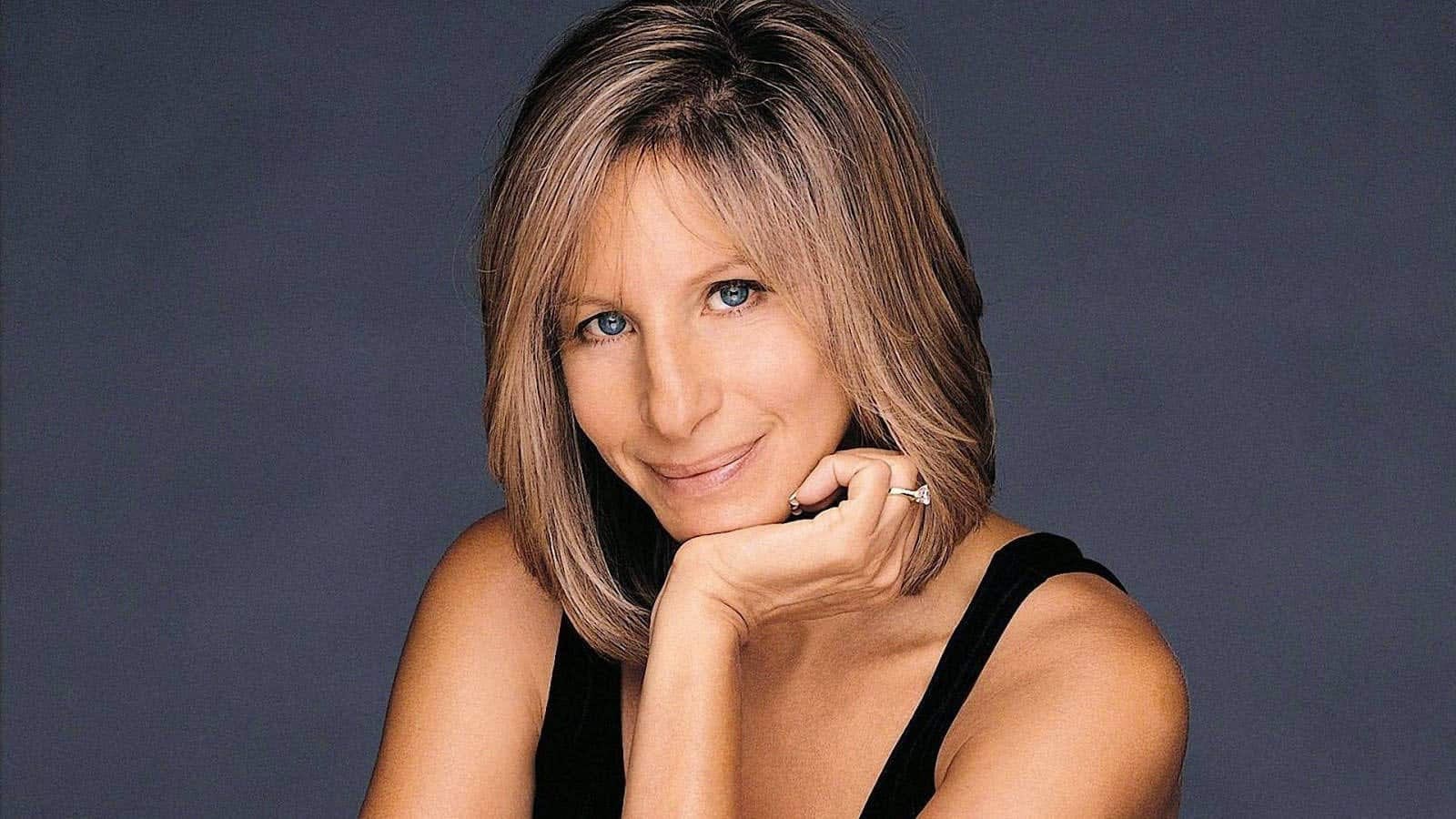
Barbra Streisand is more than just a name—she’s a living legend whose voice has defined generations. With a career spanning over six decades, Streisand has gifted the world with timeless classics that resonate with emotions as vast and varied as her extraordinary musical range. From the soaring love ballads that tug at the heartstrings to the empowering anthems that inspire confidence and self-worth, Streisand’s songs have left an indelible mark on both the music industry and the hearts of millions. In this article, we’ll take you on a melodious journey through the top 10 most popular Barbra Streisand songs of all time. These tracks have not only topped charts but have also become the soundtrack to countless lives, embodying universal themes of love, loss, and resilience. Whether you’re a lifelong fan or new to her music, these songs are sure to remind you why Barbra Streisand is hailed as one of the greatest vocalists of all time. So sit back, turn up the volume, and prepare to be swept away by the magic of Streisand’s unparalleled artistry.
1. “The Way We Were” (1973)
Barbra Streisand’s “The Way We Were” is a timeless ballad that captures the bittersweet essence of lost love and nostalgia. Released in 1973 as the theme song for the film of the same name, this track quickly became one of Streisand’s signature hits. The song’s lush orchestration, coupled with Streisand’s emotionally charged vocals, evokes a profound sense of yearning and reflection. The lyrics, penned by Alan and Marilyn Bergman, are a poignant reminder of how memories can linger and shape our present. The song’s success was immediate, earning Streisand an Academy Award for Best Original Song and a top spot on the Billboard Hot 100. “The Way We Were” remains a classic, often associated with moments of reflection on past relationships and the passage of time.
2. “Evergreen (Love Theme from A Star Is Born)” (1976)
“Evergreen,” the love theme from the 1976 film A Star Is Born, is a masterclass in romantic songwriting. Co-written by Barbra Streisand and Paul Williams, the song was released as part of the movie’s soundtrack and became a massive hit, earning Streisand a Grammy Award for Song of the Year. Streisand’s tender delivery of the lyrics, which speak to the enduring nature of love, is perfectly complemented by the soft, acoustic arrangement. The song’s gentle melody and Streisand’s emotive vocals create a sense of intimacy that has resonated with audiences for decades. “Evergreen” is not just a love song; it’s a testament to the power of simplicity and sincerity in music.
3. “Woman in Love” (1980)
“Woman in Love” is an anthem of passion and devotion, showcasing Barbra Streisand’s powerful vocal range and emotional depth. Released in 1980 as the lead single from her Guilty album, the song was written by Barry and Robin Gibb of the Bee Gees, bringing a touch of disco-era sophistication to Streisand’s repertoire. The lyrics explore the intensity of being in love, with Streisand delivering each line with a sense of urgency and conviction. The song’s soaring chorus and lush production helped it become an international hit, topping the charts in multiple countries. “Woman in Love” remains one of Streisand’s most celebrated tracks, a perfect blend of pop sensibility and heartfelt emotion.
4. “People” (1964)
“People” is one of Barbra Streisand’s earliest and most iconic songs, first introduced to audiences in the 1964 Broadway musical Funny Girl. The song, written by Jule Styne and Bob Merrill, is a delicate and introspective ballad that explores the longing for connection and understanding. Streisand’s performance of “People” is both tender and powerful, capturing the vulnerability and strength of her character, Fanny Brice. The song’s simple, yet profound lyrics, combined with Streisand’s unmatched vocal delivery, made it an instant classic. “People” has since become one of Streisand’s signature songs, a testament to her ability to convey deep emotion through music.
5. “Don’t Rain on My Parade” (1964)
“Don’t Rain on My Parade” is a bold and defiant anthem from the 1964 Broadway musical Funny Girl, showcasing Barbra Streisand’s dynamic vocal prowess and charismatic stage presence. The song, written by Jule Styne and Bob Merrill, is a declaration of independence and determination, with Streisand’s character, Fanny Brice, defiantly proclaiming her refusal to let anyone stand in her way. The song’s upbeat tempo and brassy orchestration are matched by Streisand’s energetic and confident performance, making it a standout moment in both the musical and Streisand’s career. “Don’t Rain on My Parade” has since become a rallying cry for those who refuse to be held back, solidifying its place as one of Streisand’s most enduring hits.
6. “You Don’t Bring Me Flowers” (1978)
“You Don’t Bring Me Flowers” is a poignant duet between Barbra Streisand and Neil Diamond, released in 1978 as part of Streisand’s Greatest Hits Vol. 2 album. The song tells the story of a couple whose relationship has lost its spark, with both singers conveying a deep sense of regret and longing. The minimalistic arrangement, featuring soft piano and strings, allows the raw emotion of the lyrics to shine through. Streisand and Diamond’s voices blend beautifully, creating a powerful sense of melancholy that resonates with anyone who has experienced the pain of a fading love. The song became a massive hit, reaching number one on the Billboard Hot 100, and remains one of Streisand’s most beloved duets.
7. “Guilty” (1980)
“Guilty,” the title track from Barbra Streisand’s 1980 album, is a smooth and sultry duet with Barry Gibb of the Bee Gees. Written by Gibb along with his brothers Robin and Maurice, the song blends pop and soft rock elements with a hint of disco, creating a sophisticated and seductive sound. The lyrics explore themes of love and infidelity, with Streisand and Gibb’s vocals intertwining to create a sense of intimacy and tension. The song’s catchy chorus and polished production helped it become a hit, further solidifying Streisand’s status as a pop icon. “Guilty” is a standout track in Streisand’s catalog, showcasing her ability to adapt to different musical styles while maintaining her signature vocal excellence.
8. “Memory” (1981)
“Memory” is a haunting and evocative ballad from the 1981 Broadway musical Cats, composed by Andrew Lloyd Webber. Barbra Streisand’s rendition of the song, released on her Memories album in 1981, brought the song to a wider audience and became one of her most iconic performances. The song’s lyrics, which reflect on the passage of time and the longing for lost moments, are brought to life by Streisand’s powerful and emotional delivery. The soaring melody and lush orchestration make “Memory” a standout track, capturing the sense of melancholy and nostalgia that defines the song. Streisand’s interpretation of “Memory” remains one of the most celebrated versions of the song, showcasing her ability to convey deep emotion through her voice.
9. “No More Tears (Enough Is Enough)” (1979)
“No More Tears (Enough Is Enough)” is a high-energy disco anthem that brings together the powerhouse vocals of Barbra Streisand and Donna Summer. Released in 1979 as part of Streisand’s Wet album, the song is a declaration of independence and empowerment, with both singers delivering passionate performances. The song’s driving beat and catchy chorus make it an irresistible dance track, while the lyrics tell a story of breaking free from a toxic relationship. Streisand and Summer’s voices blend seamlessly, creating a sense of camaraderie and strength. The song became an instant hit, reaching number one on the Billboard Hot 100, and remains one of Streisand’s most memorable collaborations.
10. “Papa, Can You Hear Me?” (1983)
“Papa, Can You Hear Me?” is a deeply moving ballad from the 1983 film Yentl, which Barbra Streisand directed and starred in. The song, composed by Michel Legrand with lyrics by Alan and Marilyn Bergman, is a heartfelt plea from Streisand’s character, Yentl, to her deceased father. Streisand’s emotional performance captures the longing and vulnerability of the character, while the song’s delicate melody and orchestration create a sense of intimacy and poignancy. “Papa, Can You Hear Me?” became one of the standout tracks from the Yentl soundtrack, showcasing Streisand’s ability to convey deep emotion through her music and solidifying her reputation as one of the greatest vocalists of her generation.

Samuel Moore is a frequent contributor to Singers Room. Since 2005, Singersroom has been the voice of R&B around the world. Connect with us via social media below.









