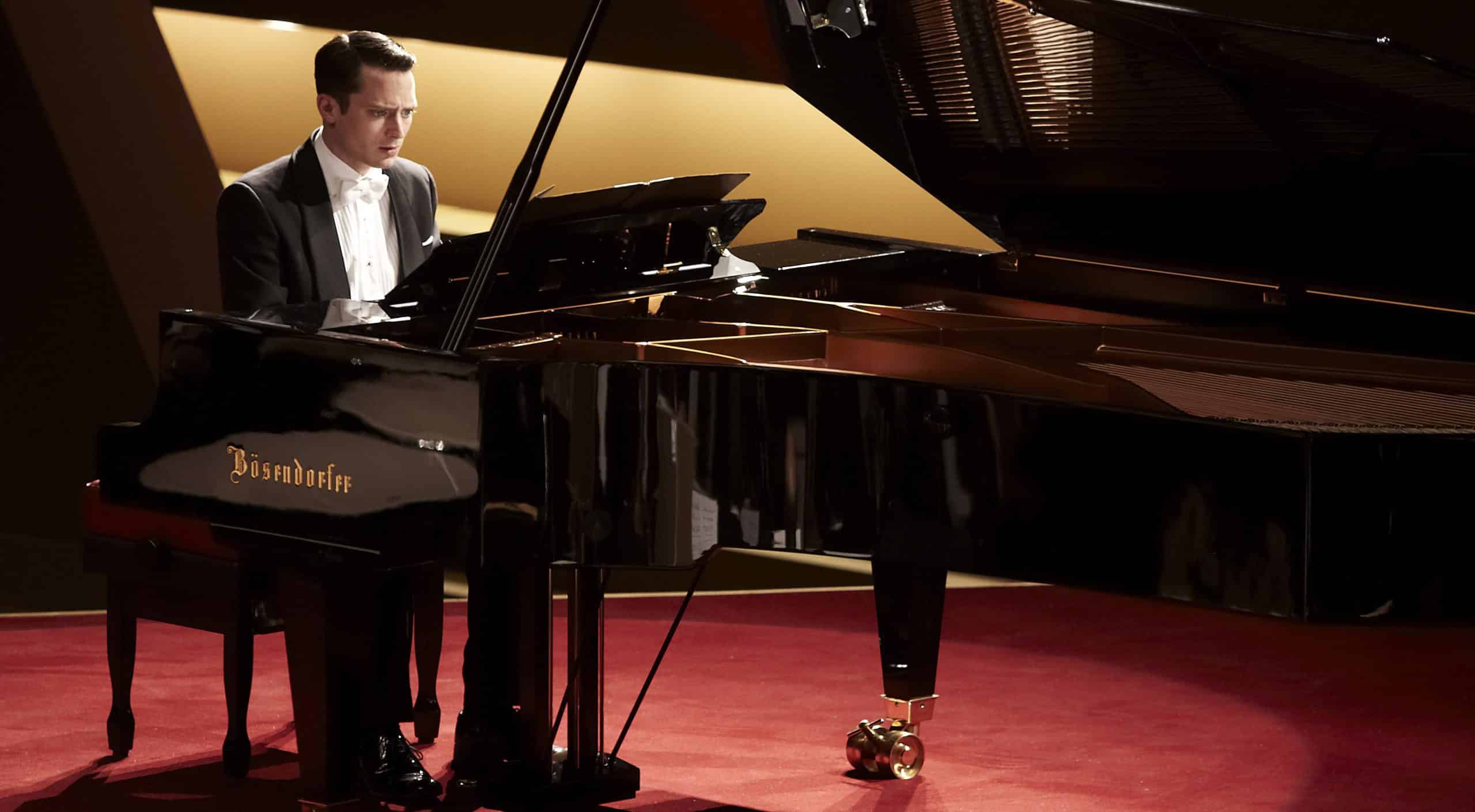
From the delicate keystrokes of classical compositions to the soul-stirring melodies of contemporary hits, the piano has been an instrument of unparalleled elegance and emotional depth throughout the ages. In this exploration of musical excellence, we delve into the realm of ivory keys to uncover the Top 15 Best Piano Songs of All Time. Spanning genres, eras, and cultures, these compositions have transcended mere notes on a staff to become timeless masterpieces that resonate with audiences worldwide.
Each selection on this illustrious list represents a pinnacle of pianistic artistry, showcasing the virtuosity and creativity of composers and performers alike. From the haunting beauty of Chopin’s nocturnes to the explosive energy of Rachmaninoff’s concertos, each piece possesses a unique allure that captivates the listener from the first chord to the final cadence.
Through this curated collection, we celebrate the diversity and universality of piano music, recognizing its power to evoke emotion, inspire awe, and transcend language barriers. Whether you’re a seasoned pianist or simply a lover of music, prepare to embark on a journey through the rich tapestry of the Top 15 Best Piano Songs of All Time, where every note is a testament to the enduring legacy of this majestic instrument.
1. Fur Elise by Ludwig van Beethoven
“Fur Elise” by Ludwig van Beethoven stands as a timeless masterpiece and one of the most beloved piano compositions of all time. Written in 1810, its enduring popularity lies in its exquisite blend of simplicity and sophistication. The piece exudes an air of mystery and elegance, captivating listeners with its enchanting melody and intricate harmonies.
From its iconic opening notes to its graceful arpeggios and playful motifs, “Fur Elise” paints a vivid musical portrait that transcends time and culture. Beethoven’s genius shines through in every phrase, effortlessly weaving together emotion and technical prowess.
Named after its enigmatic dedicatee, the identity of whom remains a subject of debate among scholars, “Fur Elise” exudes a sense of longing and tenderness, evoking a range of emotions within its listeners. Its universal appeal has ensured its place in the repertoire of pianists of all levels, from beginners to virtuosos.
Whether performed in grand concert halls or intimate settings, “Fur Elise” continues to captivate audiences worldwide, its enduring beauty serving as a testament to Beethoven’s unparalleled legacy and the timeless power of music to transcend barriers and touch the soul.
2. Moonlight Sonata by Ludwig van Beethoven
Ludwig van Beethoven’s “Moonlight Sonata” stands as a pinnacle of musical achievement, captivating audiences with its haunting beauty and emotional depth since its composition in 1801. The sonata’s official title, “Piano Sonata No. 14 in C-sharp minor, Op. 27, No. 2,” belies its more commonly known nickname, derived from a poetic description of its first movement resembling moonlight shimmering on water.
From its iconic opening Adagio sostenuto, “Moonlight Sonata” transports listeners to a realm of introspection and introspective contemplation. Beethoven’s evocative melodies and rich harmonies weave a narrative of profound emotion, with each movement exploring different facets of the human experience.
The second movement, Allegretto, offers a gentle respite from the darkness of the first, its delicate melody conveying a sense of solace and serenity. Yet, this tranquility is fleeting, as the sonata’s final movement, Presto agitato, bursts forth with raw intensity, showcasing Beethoven’s mastery of dramatic expression.
“Moonlight Sonata” remains a cornerstone of the piano repertoire, cherished by pianists and audiences alike for its timeless beauty and emotional resonance. Its enduring popularity speaks to its universal appeal, transcending barriers of time and culture to touch the hearts of listeners around the world.
3. Clair de Lune by Claude Debussy
Claude Debussy’s “Clair de Lune” is a mesmerizing masterpiece that enchants listeners with its ethereal beauty and evocative imagery. Composed in 1890 as the third movement of his Suite bergamasque, this iconic piano piece transports audiences to a world of moonlit reverie and delicate introspection.
Translated as “Moonlight” in English, “Clair de Lune” unfolds like a nocturnal journey through shimmering moonbeams and shadowy landscapes. Its gentle arpeggios and cascading melodies evoke a sense of tranquility and mystery, inviting listeners to lose themselves in its dreamlike atmosphere.
Debussy’s signature impressionistic style is on full display in “Clair de Lune,” as he eschews traditional harmonic structures in favor of fluid tonal colors and subtle nuances. The result is a mesmerizing tapestry of sound that sparkles with a sense of otherworldly beauty.
As one of Debussy’s most famous compositions, “Clair de Lune” holds a special place in the hearts of music lovers around the world. Its timeless allure has made it a favorite for pianists of all levels, from beginners to virtuosos, and its enchanting melodies continue to captivate audiences with their spellbinding charm.
“Clair de Lune” remains a testament to Debussy’s unparalleled genius and his ability to capture the essence of human emotion through music, making it a true treasure of the piano repertoire.
4. Rhapsody in Blue by George Gershwin
“Rhapsody in Blue” by George Gershwin is a dynamic and iconic fusion of classical and jazz elements, instantly recognizable for its vibrant melodies and infectious rhythms. Premiering in 1924, this groundbreaking composition catapulted Gershwin to fame and established him as one of America’s foremost musical innovators.
Combining the sophistication of classical music with the improvisational flair of jazz, “Rhapsody in Blue” paints a vivid musical portrait of bustling 1920s New York City. From its opening clarinet glissando, which famously evokes the wail of a taxi horn, to its exhilarating piano cadenzas and syncopated rhythms, the piece captures the energy and excitement of urban life.
Gershwin’s genius lies in his ability to seamlessly blend diverse musical styles, creating a work that is at once daringly modern and timelessly elegant. His innovative use of harmonies, melodies, and rhythms reflects the spirit of the Jazz Age, while his lush orchestrations infuse the piece with an unmistakable sense of grandeur and romance.
“Rhapsody in Blue” remains a beloved staple of the concert repertoire, celebrated for its infectious joie de vivre and unparalleled musical craftsmanship. Its enduring popularity speaks to its universal appeal and its status as a quintessential American masterpiece, forever synonymous with the vibrant spirit of the Roaring Twenties.
5. The Entertainer by Scott Joplin
“The Entertainer” by Scott Joplin is a lively and infectious ragtime masterpiece that has endured as one of the most recognizable and beloved piano compositions of all time. Composed in 1902, it embodies the exuberance and vitality of the ragtime era, capturing the essence of turn-of-the-century America.
With its jaunty syncopated rhythms, playful melodies, and spirited character, “The Entertainer” immediately transports listeners to the bustling streets and lively saloons of Joplin’s day. Its toe-tapping energy and catchy motifs make it irresistible to audiences of all ages, evoking a sense of joy and nostalgia.
Joplin’s genius shines through in his expert blending of African American musical traditions with European classical forms, creating a uniquely American sound that captivates the imagination. His innovative use of syncopation and improvisation imbues the piece with a sense of spontaneity and freedom, inviting pianists to put their own stamp on the music.
“The Entertainer” has enjoyed enduring popularity, thanks in part to its inclusion in the soundtrack of the 1973 film “The Sting,” which introduced it to a whole new generation of listeners. Its infectious charm and timeless appeal have cemented its status as a classic of the piano repertoire, ensuring its place in the hearts of music lovers for generations to come.
6. Maple Leaf Rag by Scott Joplin
“Maple Leaf Rag” by Scott Joplin is a pioneering masterpiece that embodies the essence of ragtime music and remains one of the most iconic compositions in American musical history. Composed in 1899, this lively and exuberant piano piece captures the spirit of the turn-of-the-century era with its infectious rhythms and catchy melodies.
Named after the Maple Leaf Club in Sedalia, Missouri, where Joplin performed, “Maple Leaf Rag” became an instant sensation, propelling ragtime music into the mainstream and establishing Joplin as the “King of Ragtime.” Its syncopated rhythms, intricate melodies, and playful syncopations showcase Joplin’s innovative musical genius, blending elements of African American folk music with European classical traditions.
The infectious energy of “Maple Leaf Rag” has made it a perennial favorite among pianists and audiences alike, its lively tempo and spirited character evoking a sense of joy and celebration. Its enduring popularity has solidified its place in the canon of American music, inspiring countless musicians and sparking a revival of interest in ragtime music in the 20th century and beyond.
“Maple Leaf Rag” stands as a testament to Joplin’s unparalleled talent and his groundbreaking contributions to American music, leaving an indelible mark on the cultural landscape and ensuring its place as a timeless classic.
7. Imagine by John Lennon
“Imagine” by John Lennon is a poignant anthem of hope and unity that resonates with listeners around the world with its powerful message of peace and harmony. Released in 1971 as the title track of Lennon’s iconic album, “Imagine,” the song has become an enduring symbol of idealism and a rallying cry for social change.
With its simple yet profound lyrics and haunting melody, “Imagine” invites listeners to envision a world free from division, conflict, and inequality. Lennon’s vision of a utopian society where humanity lives as one resonates deeply with audiences, touching hearts and inspiring generations with its universal message of love and compassion.
The song’s gentle piano accompaniment, paired with Lennon’s earnest vocals, creates a sense of intimacy and vulnerability, inviting listeners to reflect on their own hopes and dreams for a better world. Its timeless appeal has cemented its status as one of the greatest songs of all time, earning it a place in the hearts of millions and securing its legacy as a cultural landmark.
“Imagine” continues to serve as a beacon of hope in troubled times, reminding us of the power of music to transcend boundaries and unite humanity in a shared vision of peace and understanding. As a testament to Lennon’s enduring legacy as a musician and activist, “Imagine” remains as relevant and inspiring today as it was upon its release over four decades ago.
8. Your Song by Elton John
“Your Song” by Elton John is a timeless ballad that has captured the hearts of audiences around the world with its heartfelt lyrics and beautiful melody. Released in 1970 as part of his self-titled second album, the song marked the beginning of John’s illustrious career and remains one of his most beloved and enduring compositions.
With its tender piano accompaniment and poignant lyrics, “Your Song” conveys a sense of sincerity and vulnerability, as John expresses his feelings of love and admiration for his partner. The simplicity and honesty of the lyrics, penned by Bernie Taupin, resonate deeply with listeners, evoking a sense of nostalgia and emotional connection.
John’s soulful vocals and masterful piano playing infuse the song with a sense of intimacy and warmth, drawing listeners in and inviting them to share in the depth of emotion conveyed through his music. The song’s universal themes of love and devotion have made it a favorite for weddings, anniversaries, and romantic occasions, further solidifying its place in the hearts of fans around the world.
“Your Song” stands as a testament to John’s songwriting prowess and his ability to craft melodies that endure the test of time. Its enduring popularity speaks to its timeless appeal and its ability to evoke a range of emotions in listeners, making it a true classic in the pantheon of popular music.
9. Someone Like You by Adele
“Someone Like You” by Adele is a soulful and heartfelt ballad that resonates deeply with listeners, capturing the raw emotions of heartbreak and longing. Released in 2011 as part of her critically acclaimed album “21,” the song catapulted Adele to international stardom and solidified her reputation as one of the most powerful voices in contemporary music.
With its haunting piano accompaniment and Adele’s powerhouse vocals, “Someone Like You” tells the story of a broken relationship and the bittersweet realization that the one you love has moved on. The vulnerability and honesty of Adele’s lyrics, coupled with her soul-stirring delivery, create a sense of intimacy and authenticity that draws listeners in and touches their hearts.
The song’s universal themes of love, loss, and resilience have struck a chord with audiences around the world, making it a favorite for those who have experienced the pain of a breakup or the ache of unrequited love. Adele’s ability to convey the complexity of human emotion with such depth and sincerity has earned her widespread acclaim and endeared her to millions of fans.
“Someone Like You” stands as a testament to Adele’s remarkable talent as a singer-songwriter and her ability to connect with listeners on a deeply emotional level. Its enduring popularity and universal appeal ensure that it will continue to be cherished and celebrated for years to come.
10. The Scientist by Coldplay
“The Scientist” by Coldplay is a hauntingly beautiful ballad that captures the pain and regret of lost love with its poignant lyrics and melodic intensity. Released in 2002 as part of their critically acclaimed album “A Rush of Blood to the Head,” the song has become one of Coldplay’s most iconic and enduring hits.
With its atmospheric piano chords and Chris Martin’s emotive vocals, “The Scientist” draws listeners into a world of introspection and melancholy. The song’s narrative explores themes of heartbreak, longing, and redemption, as Martin reflects on the consequences of his actions and searches for a way to make amends.
The music video for “The Scientist,” which was filmed in reverse, adds an additional layer of depth and symbolism to the song’s themes, creating a visually stunning representation of the cyclical nature of regret and the desire for redemption.
“The Scientist” resonates with listeners on a deeply emotional level, evoking a sense of empathy and understanding for the universal experience of love and loss. Its timeless appeal and universal themes have made it a favorite for fans of all ages, cementing its place as one of Coldplay’s most beloved and enduring songs.
“The Scientist” stands as a testament to Coldplay’s talent for crafting deeply affecting and emotionally resonant music, and its enduring popularity ensures that it will continue to be cherished by audiences around the world for years to come.
11. Viva La Vida by Coldplay
“Viva La Vida” by Coldplay is an anthemic and triumphant song that captivates listeners with its rich orchestration, powerful melodies, and introspective lyrics. Released in 2008 as the lead single from their album of the same name, the song marked a significant departure from Coldplay’s earlier sound and showcased a newfound sense of experimentation and creativity.
With its majestic string arrangements, driving percussion, and Chris Martin’s soaring vocals, “Viva La Vida” transports listeners to a world of grandeur and intrigue. The song’s lyrics, inspired by historical and religious themes, explore themes of power, mortality, and redemption, inviting listeners to reflect on the complexities of the human experience.
“Viva La Vida” became an instant anthem, resonating with audiences around the world and earning critical acclaim for its bold musicality and thought-provoking lyrics. Its infectious energy and uplifting spirit have made it a favorite for fans of all ages, cementing its place as one of Coldplay’s most iconic and enduring songs.
The song’s title, which translates to “Long Live Life” in Spanish, serves as a rallying cry for optimism and resilience in the face of adversity, inspiring listeners to embrace life’s challenges with courage and determination. “Viva La Vida” stands as a testament to Coldplay’s ability to craft music that is both emotionally resonant and universally relatable, ensuring its status as a beloved classic for years to come.
12. Hallelujah by Leonard Cohen
“Hallelujah” by Leonard Cohen is a timeless masterpiece that has captivated listeners with its haunting beauty and profound lyricism since its release in 1984. Written by Cohen, the song’s evocative lyrics and soul-stirring melody have made it one of the most covered and revered songs in modern music history.
With its rich imagery and poignant storytelling, “Hallelujah” explores themes of love, longing, faith, and redemption, inviting listeners on a journey of introspection and emotional depth. Cohen’s deep, gravelly voice adds a sense of gravitas to the song, infusing it with a raw, authentic emotion that resonates with audiences on a visceral level.
The song’s chorus, with its triumphant cry of “Hallelujah,” serves as a powerful refrain, evoking a sense of transcendence and spiritual awakening. Whether performed in a stripped-down acoustic arrangement or with lush orchestration, “Hallelujah” never fails to leave a profound impact on listeners, touching their hearts and stirring their souls.
Over the years, “Hallelujah” has been covered by countless artists across genres, each interpretation bringing new depth and meaning to Cohen’s timeless composition. Its enduring popularity and universal appeal serve as a testament to the song’s status as a modern classic, cherished by music lovers around the world for its beauty, depth, and emotional resonance.
13. Rolling in the Deep by Adele
“Rolling in the Deep” by Adele is a powerhouse anthem that showcases the singer’s remarkable vocal prowess and emotional depth. Released in 2010 as the lead single from her album “21,” the song catapulted Adele to international superstardom and solidified her reputation as one of the greatest vocalists of her generation.
With its driving beat, soulful melody, and raw, passionate vocals, “Rolling in the Deep” exudes a sense of urgency and intensity that immediately grabs the listener’s attention. The song’s lyrics explore themes of heartbreak and betrayal, as Adele confronts the pain of a failed relationship with fierce determination and resilience.
The song’s memorable chorus, with its anthemic refrain of “We could have had it all, rolling in the deep,” has become an iconic rallying cry for empowerment and self-discovery. Adele’s soul-stirring delivery and emotive performance infuse the song with a sense of authenticity and vulnerability, drawing listeners in and inviting them to share in her journey of healing and self-empowerment.
“Rolling in the Deep” received widespread critical acclaim upon its release, earning numerous accolades and topping charts around the world. Its infectious energy and universal themes have made it a favorite for fans of all ages, cementing its place as one of Adele’s signature songs and a timeless classic in the pantheon of pop music.
14. Bohemian Rhapsody by Queen
“Bohemian Rhapsody” by Queen is a groundbreaking masterpiece that defies conventional categorization with its eclectic blend of rock, opera, and ballad elements. Released in 1975 as the lead single from the album “A Night at the Opera,” the song has since become one of the most iconic and influential works in the history of popular music.
With its operatic vocal harmonies, intricate arrangements, and dynamic shifts in tone and tempo, “Bohemian Rhapsody” unfolds like a mini-opera, taking listeners on a captivating musical journey from introspective balladry to bombastic rock anthems and back again. The song’s complex structure and unconventional lyrics have sparked endless speculation and interpretation, inviting listeners to immerse themselves in its rich tapestry of sound and meaning.
“Bohemian Rhapsody” is perhaps best known for its iconic “Scaramouche, Scaramouche, will you do the Fandango?” section, which features Freddie Mercury’s soaring vocals and Brian May’s electrifying guitar solos. This section, along with the song’s memorable piano interlude and thunderous climax, has solidified its place as one of the most recognizable and beloved moments in rock music history.
Despite initial skepticism from critics, “Bohemian Rhapsody” was an instant commercial success, topping charts around the world and earning widespread acclaim for its innovation and audacity. Its enduring popularity has only grown over the years, thanks in part to its inclusion in numerous films, commercials, and cultural references.
“Bohemian Rhapsody” stands as a testament to Queen’s unparalleled talent and creativity, as well as their willingness to push the boundaries of popular music. Its timeless appeal and universal resonance ensure that it will continue to be celebrated and cherished by music lovers for generations to come.
15. Chopsticks traditional
“Chopsticks” is a delightful and enduringly popular piano piece that is often one of the first tunes budding pianists learn to play. Its catchy melody and simple structure make it accessible to players of all levels, from beginners to experienced musicians.
The origins of “Chopsticks” are somewhat unclear, but it is widely regarded as a traditional piece, possibly originating in the 19th century. The tune is characterized by its repetitive and playful melody, which consists of a series of ascending and descending notes that resemble the motion of tapping chopsticks together.
Despite its simplicity, “Chopsticks” has enjoyed enduring popularity and has become a staple of piano repertoire, frequently heard in classrooms, recitals, and casual performances. Its lighthearted charm and catchy tune make it a favorite for audiences of all ages, often eliciting smiles and nostalgia from listeners.
While “Chopsticks” is often associated with beginner piano players, its universal appeal and timeless melody ensure that it remains a beloved classic that continues to bring joy to pianists and audiences alike.

Samuel Moore is a frequent contributor to Singers Room. Since 2005, Singersroom has been the voice of R&B around the world. Connect with us via social media below.