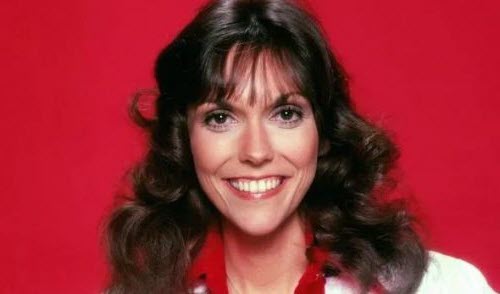
Karen Carpenter, born on March 2, 1950, in New Haven, Connecticut, was an exceptionally talented American singer and drummer, best known as one half of the duo The Carpenters. With her distinctive contralto voice, Karen rose to fame alongside her brother Richard Carpenter, creating some of the most beloved and enduring music of the 1970s.
Karen’s vocal range, purity of tone, and emotional depth set her apart as a vocalist of exceptional skill and artistry. Her ability to convey emotion through her singing captivated audiences worldwide, earning her widespread acclaim and adoration.
As part of The Carpenters, Karen delivered timeless hits such as “Close to You,” “We’ve Only Just Begun,” and “Rainy Days and Mondays,” which topped the charts and became signature songs of the era. The duo’s success was unparalleled, with numerous Grammy Awards and record-breaking album sales.
Tragically, Karen Carpenter’s life was cut short when she passed away on February 4, 1983, at the age of 32, due to complications related to anorexia nervosa. Her untimely death shocked the music world and left a void that could never be filled. However, her legacy lives on through her timeless music, which continues to inspire and move audiences around the world, cementing her status as one of the greatest vocalists of all time.
1. We’ve Only Just Begun
“We’ve Only Just Begun” is a timeless love song performed by the American music duo The Carpenters, composed by Roger Nichols and Paul Williams. Released in 1970 as part of their album “Close to You,” the song quickly became one of The Carpenters’ signature tunes and a classic in the realm of soft rock and easy listening.
Karen Carpenter’s angelic vocals, accompanied by Richard Carpenter’s soothing instrumentation, lend the song a tender and romantic atmosphere. The lyrics evoke a sense of promise and hope, portraying a couple embarking on the journey of marriage and life together. The imagery of a wedding day, with its dreams and aspirations for the future, resonates deeply with listeners, making “We’ve Only Just Begun” a popular choice for weddings and romantic occasions.
The song’s gentle melody and heartfelt sentiment struck a chord with audiences worldwide, propelling it to the top of the charts and earning it a Grammy nomination for Best Contemporary Song. Its enduring popularity and universal appeal have cemented its status as a classic love song, cherished by generations of music lovers for its timeless beauty and poignant message of love and commitment.
2. Goodbye To Love
“Goodbye to Love” is a poignant ballad by the American pop duo The Carpenters, featuring the mesmerizing vocals of Karen Carpenter. Released in 1972 as part of their album “A Song for You,” the song is renowned for its heartfelt lyrics, Karen’s emotive delivery, and Richard Carpenter’s lush production.
At its core, “Goodbye to Love” is characterized by its melancholic melody and rich orchestration. The song begins with a haunting electric guitar riff, which sets the tone for Karen’s soulful vocals to take center stage. As the song progresses, orchestral strings and backing vocals enhance the emotional depth of the arrangement, creating a sense of grandeur and drama.
Lyrically, “Goodbye to Love” explores themes of heartbreak and moving on from a failed relationship. Karen’s tender vocals convey a sense of vulnerability and longing as she sings about the pain of saying goodbye and the hope for new beginnings. The lyrics capture the universal experience of love and loss, resonating with listeners who have experienced the end of a romantic relationship.
The song’s chorus, with its poignant refrain of “I’ll say goodbye to love, no one ever cared if I should live or die,” serves as a powerful expression of emotional resilience and self-empowerment. Karen’s emotive delivery and heartfelt sincerity imbue the song with a sense of poignancy and authenticity, making it a timeless classic in The Carpenters’ repertoire.
“Goodbye to Love” remains one of The Carpenters’ most beloved and enduring songs, cherished for its timeless beauty, heartfelt lyrics, and Karen’s incomparable vocals. Its emotional resonance continues to captivate listeners around the world, cementing its status as a classic in the annals of popular music.
3. (They Long To Be) Close To You
“(They Long to Be) Close to You” is a timeless love song performed by the iconic American musical duo The Carpenters, consisting of siblings Karen and Richard Carpenter. Released in 1970 as part of their album “Close to You,” the song became one of their signature hits, earning widespread acclaim for its captivating melody, lush arrangement, and Karen’s angelic vocals.
At its core, “(They Long to Be) Close to You” features a gentle and romantic musical arrangement, characterized by its dreamy orchestration, soft piano chords, and Karen’s emotive vocal delivery. The song’s soothing melody and heartfelt lyrics create a sense of intimacy and longing that resonates with listeners of all ages.
Lyrically, “(They Long to Be) Close to You” tells the story of unrequited love and the yearning to be near someone special. The lyrics describe the feelings of longing and desire experienced by the narrator, who dreams of being close to their loved one and sharing intimate moments together. The imagery evoked by the lyrics, such as “Just like me, they long to be close to you,” captures the universal experience of romantic longing and the power of love to bring people together.
The song’s chorus, with its iconic refrain of “Why do birds suddenly appear, every time you are near?” serves as a memorable hook that has become synonymous with the song. Karen’s flawless vocals and heartfelt delivery imbue the song with a sense of warmth and sincerity, making it a timeless classic that continues to resonate with audiences around the world.
“(They Long to Be) Close to You” remains one of The Carpenters’ most beloved and enduring songs, cherished for its timeless beauty, romantic sentiment, and Karen’s incomparable vocals. Its universal appeal and enduring popularity have solidified its status as a classic in the annals of popular music.
4. Hurting Each Other
“Hurting Each Other” is a poignant ballad performed by the American music duo The Carpenters, written by Gary Geld and Peter Udell. Originally recorded by Jimmy Clanton in 1965, The Carpenters’ rendition was released in 1972 as part of their album “A Song for You.”
Karen Carpenter’s emotive vocals, accompanied by Richard Carpenter’s lush arrangement, convey a sense of heartache and vulnerability. The lyrics explore the pain of a failing relationship, highlighting the destructive cycle of hurting one another despite love’s presence.
The song’s melodic beauty and melancholic tone resonate deeply with listeners, evoking empathy and understanding for the complexities of love and human relationships. Its timeless appeal lies in its relatability, as many can empathize with the struggles depicted in the lyrics.
“Hurting Each Other” became one of The Carpenters’ most successful singles, reaching the top 10 on the Billboard Hot 100 chart. Its success solidified The Carpenters’ reputation as masters of soft rock and cemented the song’s place as a classic in the duo’s discography.
Decades after its release, “Hurting Each Other” remains a beloved and enduring ballad, cherished for its emotional depth, beautiful melody, and timeless themes of love and heartbreak.
5. Sing
“Sing” is an anthemic and uplifting song by the British musician and songwriter Gary Barlow, released in 2012 as a solo single. The song features Barlow’s signature style of heartfelt songwriting and catchy melodies, coupled with an inspirational message.
At its core, “Sing” boasts a vibrant and celebratory musical arrangement, characterized by its infectious rhythm, upbeat tempo, and vibrant instrumentation. The song’s energetic vibe and catchy chorus make it an instant toe-tapper, inviting listeners to join in and sing along.
Lyrically, “Sing” serves as a rallying cry for unity and resilience in the face of adversity. The song’s lyrics encourage listeners to find their voice and embrace the power of music to bring people together. It celebrates the joy of singing and the sense of community that comes from sharing music with others.
The chorus, with its uplifting refrain of “Sing, sing, sing, sing, everybody start to sing like it’s on,” serves as a catchy and memorable hook that encapsulates the song’s optimistic message. Barlow’s impassioned vocals and infectious enthusiasm imbue the song with a sense of positivity and hope, making it a feel-good anthem for audiences of all ages.
“Sing” became a commercial success upon its release, topping the charts in the United Kingdom and earning widespread acclaim from both fans and critics alike. Its infectious energy and uplifting message have made it a favorite among audiences around the world, cementing its status as a modern pop classic.
6. I Need To Be In Love
“I Need to Be in Love” is a heartfelt ballad by The Carpenters, written by Richard Carpenter, John Bettis, and Albert Hammond. It was released in 1976 as part of their album “A Kind of Hush.”
Karen Carpenter’s tender vocals, accompanied by Richard Carpenter’s lush orchestration, convey a sense of longing and vulnerability. The lyrics express the yearning for love and companionship, as the protagonist reflects on the emptiness and solitude of being alone.
The song’s melodic beauty and poignant lyrics resonate deeply with listeners, evoking emotions of nostalgia and empathy. Many can relate to the universal theme of longing for love and the desire to find a soulmate.
“I Need to Be in Love” was a commercial success for The Carpenters, reaching the top 10 on the Billboard Hot 100 chart. Its popularity solidified The Carpenters’ reputation as one of the premier soft rock acts of the 1970s.
Decades later, “I Need to Be in Love” remains a cherished classic in The Carpenters’ discography, celebrated for its emotional depth, beautiful melody, and timeless themes of love and longing.
7. Yesterday Once More
“Yesterday Once More” is a nostalgic and timeless song by the American pop-rock duo The Carpenters, consisting of siblings Karen and Richard Carpenter. Released in 1973 as part of their album “Now & Then,” the song is celebrated for its beautiful melody, lush orchestration, and Karen’s soulful vocals.
At its core, “Yesterday Once More” features a lush and nostalgic musical arrangement, characterized by its rich orchestration, intricate harmonies, and gentle tempo. The song’s dreamy atmosphere and wistful lyrics evoke a sense of longing and nostalgia, transporting listeners back to cherished memories of days gone by.
Lyrically, “Yesterday Once More” reflects on the passage of time and the bittersweet nostalgia that comes with reminiscing about the past. The lyrics paint a vivid picture of fond memories and simpler times, with imagery of old songs playing on the radio and moments of youthful innocence. The song captures the universal experience of longing for the past and the comfort that music can bring in times of reflection.
The chorus, with its poignant refrain of “Every sha-la-la-la, every wo-o-wo-o, still shines,” serves as a heartfelt reminder of the enduring power of music to evoke emotions and memories. Karen’s emotive vocals and Richard’s masterful production imbue the song with a sense of warmth and sincerity, making it a timeless classic that continues to resonate with audiences around the world.
“Yesterday Once More” remains one of The Carpenters’ most beloved and enduring songs, cherished for its timeless beauty, nostalgic sentiment, and Karen’s incomparable vocals. Its enduring popularity and emotional resonance have solidified its status as a classic in the annals of popular music.
8. Superstar
“Superstar” is a classic song performed by The Carpenters, originally written by Bonnie Bramlett and Leon Russell. Released in 1971 as part of their album “Carpenters,” the song quickly became one of the duo’s most iconic hits.
Karen Carpenter’s emotive vocals, accompanied by Richard Carpenter’s haunting arrangement, convey a sense of heartache and longing. The lyrics tell the story of a lovelorn fan who idolizes a celebrity from afar, yearning for a connection that seems out of reach.
The song’s melancholic melody and soulful delivery resonated deeply with audiences, striking a chord with anyone who has experienced unrequited love or longing for someone unattainable. Karen’s vocal performance, with its raw emotion and vulnerability, adds depth and authenticity to the song’s portrayal of unrequited love.
“Superstar” became one of The Carpenters’ signature songs, earning critical acclaim and commercial success. Its enduring popularity has cemented its status as a classic in the duo’s repertoire, with numerous covers and tributes paying homage to its timeless beauty and universal appeal.
9. I Won’t Last A Day Without You
“I Won’t Last a Day Without You” is a tender ballad performed by The Carpenters, written by Paul Williams and Roger Nichols. Released in 1972 as part of their album “A Song for You,” the song became one of the duo’s most beloved and enduring hits.
Karen Carpenter’s emotive vocals, accompanied by Richard Carpenter’s gentle piano arrangement, convey a sense of vulnerability and longing. The lyrics express the pain and emptiness of being apart from a loved one, with the protagonist declaring their inability to cope with the loneliness.
The song’s melodic beauty and heartfelt sentiment resonate deeply with listeners, evoking emotions of love, longing, and empathy. Many can relate to the universal theme of yearning for companionship and the comfort of a loved one’s presence.
“I Won’t Last a Day Without You” was a commercial success for The Carpenters, reaching the top 20 on the Billboard Hot 100 chart. Its popularity solidified the duo’s reputation as one of the premier soft rock acts of the 1970s.
Decades later, “I Won’t Last a Day Without You” remains a cherished classic in The Carpenters’ discography, celebrated for its emotional depth, beautiful melody, and timeless themes of love and longing.
10. Rainy Days And Mondays
“Rainy Days and Mondays” is a melancholic yet beautiful song by the American pop duo The Carpenters, consisting of siblings Karen and Richard Carpenter. Released in 1971 as part of their album “Carpenters,” the song is celebrated for its haunting melody, introspective lyrics, and Karen’s emotive vocals.
At its core, “Rainy Days and Mondays” features a soft and gentle musical arrangement, characterized by its mellow piano chords, delicate string accompaniment, and Karen’s soulful vocals. The song’s understated instrumentation creates a sense of intimacy and vulnerability, inviting listeners to immerse themselves in its melancholic atmosphere.
Lyrically, “Rainy Days and Mondays” explores themes of loneliness, sadness, and the struggle to find solace in difficult times. The lyrics convey a sense of longing and despair, with the narrator expressing feelings of isolation and inadequacy. The song captures the universal experience of feeling downhearted on rainy days and Mondays, when the weight of the world seems particularly heavy.
The chorus, with its poignant refrain of “Rainy days and Mondays always get me down,” serves as a somber reminder of the challenges that life can bring. Karen’s emotive vocals and Richard’s sensitive production imbue the song with a sense of empathy and understanding, making it a poignant anthem for anyone who has ever felt overwhelmed by sadness or uncertainty.
“Rainy Days and Mondays” remains one of The Carpenters’ most beloved and enduring songs, cherished for its timeless beauty, emotional depth, and Karen’s incomparable vocals. Its enduring popularity and universal appeal have solidified its status as a classic in the annals of popular music.

Edward Tomlin is a frequent contributor to Singers Room. Since 2005, Singersroom has been the voice of R&B around the world. Connect with us via social media below.









