Singers from Arkansas bring a rich tapestry of musical traditions and influences from the Ozarks to the Mississippi Delta. Nestled in the heart of the South, Arkansas has nurtured a diverse array of talented vocalists who have made significant contributions to various genres of music.
From the soulful sounds of gospel and blues to the twang of country and the grit of rock and roll, singers from Arkansas draw inspiration from the state’s cultural heritage and natural beauty. They infuse their music with the spirit of the Delta, the rhythm of the Ozarks, and the soul of the South, creating songs that resonate with listeners on a deeply emotional level.
Whether performing in intimate venues or on the world stage, these artists share a common passion for storytelling and a deep connection to their roots. They celebrate the rich musical heritage of Arkansas while pushing boundaries and exploring new sounds and styles.
Through their music, singers from Arkansas invite listeners to experience the beauty and complexity of their home state, inviting them on a journey through the sounds and stories of the South. Their voices echo the spirit of the Delta, the resilience of the Ozarks, and the soul of Arkansas, leaving an indelible mark on the musical landscape of America.
1. Pharoah Sanders
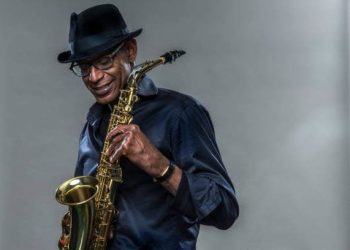
Pharoah Sanders, an influential jazz saxophonist, emerged from Little Rock, Arkansas, with a distinctive and innovative approach to music that has left an indelible mark on the world of jazz. Born in 1940, Sanders’ musical journey began in the vibrant jazz scene of Little Rock, where he honed his skills and developed his unique sound.
Sanders’ music is characterized by its spiritual depth, improvisational brilliance, and exploratory spirit. Influenced by the avant-garde jazz movement of the 1960s, Sanders’ style incorporates elements of free jazz, modal jazz, and world music, creating a sound that is both deeply rooted in tradition and forward-thinking in its innovation.
With his powerful and emotive saxophone playing, Sanders has collaborated with some of the greatest names in jazz, including John Coltrane, with whom he played a pivotal role in shaping the avant-garde movement. His landmark albums, such as “Karma” and “Thembi,” are celebrated for their boundary-pushing experimentation and transcendent beauty.
Beyond his musical contributions, Sanders’ music carries a message of peace, love, and unity, reflecting his spiritual beliefs and commitment to social justice. His performances are often described as transcendent experiences, with Sanders’ saxophone serving as a conduit for spiritual awakening and collective healing.
As one of the most revered and influential figures in jazz, Pharoah Sanders’ legacy continues to inspire and uplift listeners, his boundary-breaking music and profound spirituality ensuring that he will forever be remembered as a true innovator and visionary in the world of jazz.
2. Justin Moore
Justin Moore, a country music star, hails from Poyen, Arkansas, infusing his music with the down-home charm and authenticity of his rural upbringing. Born in 1984, Moore’s music reflects the values and experiences of small-town America, resonating with audiences through heartfelt lyrics and soulful performances.
With his distinctive twang and relatable storytelling, Moore has captivated fans with hits like “Small Town USA,” “If Heaven Wasn’t So Far Away,” and “Lettin’ the Night Roll.” His songs celebrate the simple joys of life, from Friday night football games to summer nights spent under the stars, earning him a dedicated following of fans who appreciate his genuine sincerity and love for his roots.
Beyond his music, Moore is known for his strong work ethic and dedication to his family and community. He remains deeply connected to his Arkansas roots, often incorporating elements of his Southern heritage into his music and using his platform to give back to those in need.
As a true ambassador of country music, Justin Moore’s music serves as a reminder of the importance of family, faith, and community. Through his heartfelt songs and genuine authenticity, he continues to inspire and uplift listeners, inviting them to embrace the values that define small-town America.
3. Ne-Yo
Ne-Yo, born Shaffer Chimere Smith on October 18, 1979, is an American singer, songwriter, record producer, and actor. He rose to fame in the mid-2000s with his distinctive blend of R&B, pop, and hip-hop music, as well as his talent for songwriting and storytelling.
Ne-Yo began his music career as a songwriter, penning songs for artists like Mario, Rihanna, and Beyoncé. His songwriting skills caught the attention of industry executives, leading to a recording contract with Def Jam Recordings.
In 2006, Ne-Yo released his debut album, “In My Own Words,” which included hit singles like “So Sick” and “Sexy Love.” The album was a commercial success, earning critical acclaim and establishing Ne-Yo as a rising star in the R&B and pop music scene.
Ne-Yo continued his success with subsequent albums, including “Because of You” (2007), “Year of the Gentleman” (2008), and “Libra Scale” (2010). His music is characterized by smooth vocals, catchy hooks, and introspective lyrics that explore themes of love, relationships, and personal growth.
In addition to his solo career, Ne-Yo has collaborated with a wide range of artists across various genres. He has worked with musicians like Pitbull, Akon, Celine Dion, and Calvin Harris, among others, producing hit songs and earning numerous awards and accolades for his contributions to the music industry.
Ne-Yo has also ventured into acting, appearing in films like “Stomp the Yard” (2007) and “Red Tails” (2012), as well as television shows like “Empire” and “World of Dance.”
Ne-Yo remains an active and influential figure in the music and entertainment industry. He continues to release new music, collaborate with other artists, and pursue various creative projects, cementing his legacy as one of the most talented and versatile performers of his generation.
4. Johnny Cash
Johnny Cash, born on February 26, 1932, in Kingsland, Arkansas, was an American singer, songwriter, and musician who is widely regarded as one of the most influential figures in country music history. Known for his deep, distinctive voice, charismatic stage presence, and iconic all-black attire, Cash left an indelible mark on the music industry with his powerful and emotionally resonant songs.
Cash’s music spanned multiple genres, including country, rock and roll, folk, and gospel, and he was often referred to as the “Man in Black” for his signature style. He began his music career in the 1950s with the Sun Records label, where he recorded classic hits such as “I Walk the Line” and “Folsom Prison Blues.” These early recordings helped establish Cash as a rising star in the country music scene and earned him a dedicated fan base.
Throughout his career, Johnny Cash continued to release hit songs and albums, including the iconic live albums “At Folsom Prison” (1968) and “At San Quentin” (1969). These albums featured Cash performing for inmates at two of America’s most notorious prisons and captured the raw energy and emotion of his live performances.
In addition to his solo career, Johnny Cash was known for his collaborations with other artists, including his wife, June Carter Cash, with whom he recorded several duets. He also collaborated with musicians from diverse genres, including Bob Dylan, Willie Nelson, and Rick Rubin, with whom he recorded the acclaimed “American Recordings” series in the 1990s.
Beyond his music, Johnny Cash was also known for his activism and philanthropy, advocating for prison reform, Native American rights, and other social causes. He was a passionate advocate for the downtrodden and marginalized, using his platform to shine a light on issues of injustice and inequality.
Johnny Cash’s impact on popular music is immeasurable, and his legacy continues to resonate with fans around the world. He was inducted into the Country Music Hall of Fame, the Rock and Roll Hall of Fame, and received numerous awards and accolades throughout his career. Johnny Cash passed away on September 12, 2003, but his music lives on as a testament to his talent, passion, and enduring influence on the world of music.
5. Al Green
Al Green, a soul and gospel music legend, was born in Forrest City, Arkansas, in 1946. His distinctive voice and emotive delivery have made him one of the most beloved and influential figures in the history of popular music.
With hits like “Let’s Stay Together,” “Tired of Being Alone,” and “Love and Happiness,” Green’s music transcends genres, blending elements of soul, R&B, gospel, and pop to create timeless classics that continue to resonate with audiences around the world. His smooth vocals, heartfelt lyrics, and irresistible grooves have earned him a permanent place in the pantheon of music legends.
Beyond his musical contributions, Green’s philanthropy and activism have also left a lasting impact. He is known for his work in the community, particularly in his hometown of Forrest City, where he has supported numerous charitable causes and initiatives.
As a true ambassador of Arkansas and a pioneer of soul music, Al Green’s legacy continues to shine brightly, his timeless music and unwavering commitment to his community ensuring that he will forever be remembered as one of the greatest voices of all time.
6. Sister Rosetta Tharpe
Sister Rosetta Tharpe, born Rosetta Nubin on March 20, 1915, in Cotton Plant, Arkansas, was an American singer, songwriter, guitarist, and one of the earliest pioneers of rock and roll music. Tharpe’s innovative blend of gospel music with elements of blues, jazz, and rhythm and blues laid the groundwork for the rock and roll genre and influenced countless musicians who followed.
Tharpe began performing gospel music at a young age, touring with her mother, Katie Bell Nubin, a traveling evangelist preacher. Tharpe’s powerful voice and virtuosic guitar playing quickly garnered attention, and she became known for her energetic and soulful performances.
In the 1930s and 1940s, Sister Rosetta Tharpe rose to prominence as one of the first gospel artists to achieve crossover success, reaching audiences beyond the traditional gospel music scene. She recorded numerous hit songs, including “This Train,” “Strange Things Happening Every Day,” and “Up Above My Head,” which featured her distinctive guitar playing and soulful vocals.
Tharpe’s electrifying stage presence and innovative musical style made her a trailblazer in the music industry. She was known for her flamboyant performance style, often playing her electric guitar with a fervor and skill that captivated audiences and earned her the nickname “the original soul sister” and “the godmother of rock and roll.”
Sister Rosetta Tharpe’s influence on popular music is profound and far-reaching. Her blend of gospel, blues, and rock and roll paved the way for future generations of musicians, including Chuck Berry, Elvis Presley, Little Richard, and Johnny Cash, who credited her as a major influence on his music.
Despite facing discrimination and adversity as a black woman in the male-dominated music industry of her time, Sister Rosetta Tharpe continued to break barriers and inspire audiences with her groundbreaking music. She remains a beloved and influential figure in the history of American music, celebrated for her talent, creativity, and unwavering spirit. Sister Rosetta Tharpe passed away on October 9, 1973, but her legacy lives on as a testament to her enduring impact on the world of music.
7. Billy Bob Thornton
Billy Bob Thornton, a multi-talented artist, hails from Hot Springs, Arkansas, where his creative journey began. Born in 1955, Thornton’s career spans acting, directing, and music, showcasing his versatility and passion for storytelling.
As an actor, Thornton has delivered memorable performances in a wide range of roles, from the complex and troubled protagonist in “Sling Blade,” which he also wrote and directed, to the charming and enigmatic character in “Bad Santa.” His nuanced portrayals have earned him critical acclaim and numerous awards, including an Academy Award for Best Adapted Screenplay.
In addition to his success in film, Thornton is also a talented musician and singer-songwriter. He has released several albums with his band, The Boxmasters, blending elements of rockabilly, country, and Americana to create a sound that is uniquely his own.
Throughout his career, Thornton has remained true to his Arkansas roots, drawing inspiration from the landscapes, culture, and people of his home state. His work reflects a deep appreciation for the beauty and complexity of the South, while also exploring universal themes of love, loss, and redemption.
As a true Renaissance man, Billy Bob Thornton continues to push boundaries and defy expectations, leaving an indelible mark on the worlds of film, music, and entertainment. His creativity, passion, and commitment to his craft ensure that his legacy will endure for generations to come.
8. Glen Campbell
Glen Campbell, born on April 22, 1936, in Billstown, Arkansas, was an American singer, songwriter, musician, and actor. He was known for his smooth voice, versatile musical talents, and crossover success in both country and pop music genres.
Campbell began his music career as a session musician in Los Angeles, where he quickly gained recognition for his exceptional guitar skills. He became a sought-after session player, contributing to recordings by artists such as Elvis Presley, Frank Sinatra, and The Beach Boys.
In the late 1960s, Glen Campbell embarked on a successful solo career, releasing a string of hit songs and albums. His breakthrough came with the release of the album “Gentle on My Mind” (1967), which featured the title track, a song that became one of his signature hits. He followed up with the album “By the Time I Get to Phoenix” (1967), which included the classic title track and won multiple Grammy Awards, including Album of the Year.
Throughout the late 1960s and 1970s, Glen Campbell continued to release hit albums and singles, including “Wichita Lineman” (1968), “Galveston” (1969), and “Rhinestone Cowboy” (1975). His music appealed to audiences across different genres, earning him widespread acclaim and commercial success.
In addition to his music career, Glen Campbell was also a talented actor, appearing in films such as “True Grit” (1969) alongside John Wayne. He also starred in his own television variety show, “The Glen Campbell Goodtime Hour,” which aired from 1969 to 1972 and showcased his musical talents and charismatic personality.
In later years, Campbell continued to tour and record music despite being diagnosed with Alzheimer’s disease in 2011. He released his final album, “Adiós,” in 2017, which featured a collection of cover songs recorded before his illness progressed.
Glen Campbell’s contributions to music were celebrated with numerous awards and accolades, including multiple Grammy Awards, Country Music Association (CMA) Awards, and induction into the Country Music Hall of Fame. He is remembered as one of the most beloved and influential figures in country and pop music, with a legacy that continues to inspire generations of musicians and fans. Glen Campbell passed away on August 8, 2017, but his music lives on as a testament to his talent, passion, and enduring impact on the world of music.
9. Florence Price
Florence Price, a pioneering composer, was born in Little Rock, Arkansas, in 1887. She emerged as one of the most important African-American composers of the 20th century, overcoming racial and gender barriers to achieve recognition and acclaim for her groundbreaking work.
Price’s music is characterized by its blend of classical European traditions with elements of African-American spirituals, folk melodies, and blues. Her compositions, which include symphonies, concertos, chamber music, and vocal works, showcase her mastery of orchestration, harmony, and form, as well as her ability to create deeply emotional and evocative music.
Despite facing discrimination and prejudice throughout her career, Price remained dedicated to her craft, finding inspiration in the rich cultural heritage of her home state and the struggles of her community. Her music reflects a profound sense of identity and resilience, capturing the spirit of the African-American experience with dignity and grace.
In 1933, Price made history as the first African-American woman to have her symphony performed by a major orchestra when the Chicago Symphony Orchestra premiered her Symphony in E Minor. Her groundbreaking achievements paved the way for future generations of African-American composers and musicians, inspiring countless artists with her talent, vision, and determination.
As a true trailblazer and visionary, Florence Price’s legacy continues to resonate today, her music serving as a testament to the power of art to transcend barriers and unite people across cultures and generations.
10. Amy Lee (Evanescence)

Edward Tomlin is a frequent contributor to Singers Room. Since 2005, Singersroom has been the voice of R&B around the world. Connect with us via social media below.