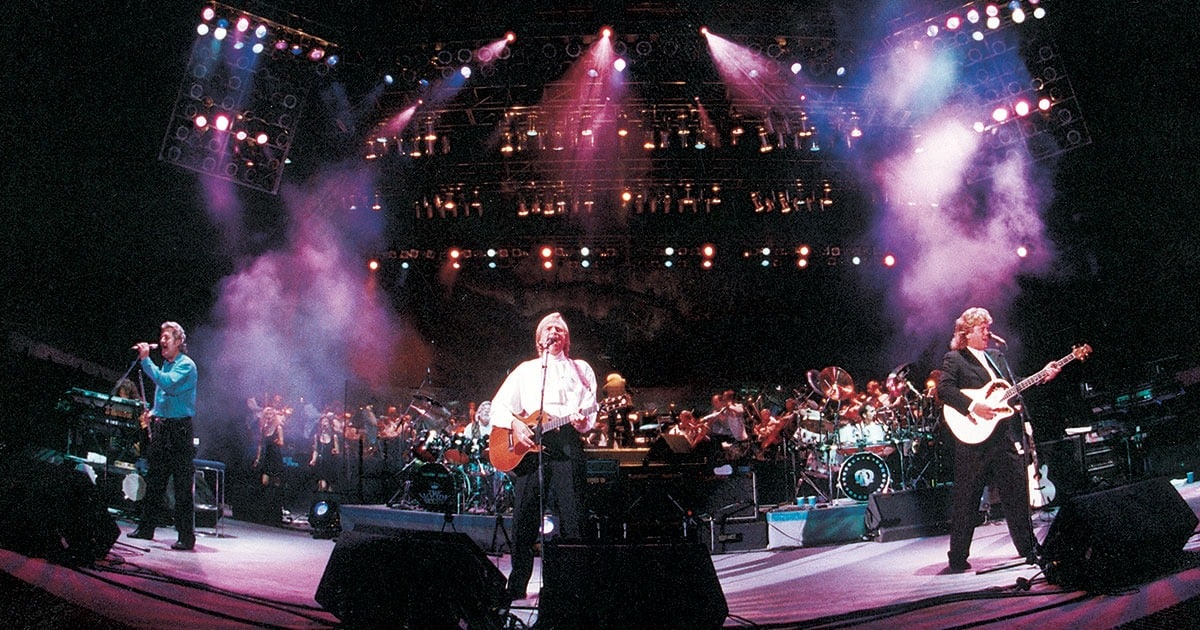
The Moody Blues, a legendary English rock band formed in 1964, have left an indelible mark on the progressive and symphonic rock genres. Originally consisting of Justin Hayward, John Lodge, Graeme Edge, Denny Laine, and Clint Warwick, the lineup evolved, with Hayward, Lodge, and Edge becoming the core members. Renowned for their lush orchestration, intricate arrangements, and philosophical lyrics, The Moody Blues created a unique sonic landscape that set them apart in the progressive rock era.
The band achieved significant success with their concept albums, such as “Days of Future Passed” (1967), which seamlessly fused rock with classical elements, featuring the iconic symphonic poem “Nights in White Satin.” Their pioneering use of the Mellotron and incorporation of philosophical and cosmic themes solidified their place as progressive rock pioneers. Hits like “Tuesday Afternoon,” “Question,” and “I’m Just a Singer (In a Rock and Roll Band)” showcased their versatility.
Throughout their career, The Moody Blues underwent stylistic shifts, adapting to changing musical landscapes. Their ability to seamlessly blend rock, orchestral elements, and philosophical musings garnered a dedicated global fanbase. Their influence on progressive and symphonic rock endures, and they were inducted into the Rock and Roll Hall of Fame in 2018, affirming their lasting impact on the evolution of rock music.
1. Nights in White Satin
“Nights in White Satin” is one of The Moody Blues’ most iconic and enduring songs. Released in 1967 as part of their groundbreaking album “Days of Future Passed,” the song is a symphonic rock masterpiece that has become a classic in the rock genre.
The track is characterized by its lush orchestration, haunting melody, and emotionally charged lyrics. Justin Hayward’s distinctive vocals, combined with the orchestral arrangements and the mellotron’s ethereal sound, create a dreamlike atmosphere. “Nights in White Satin” features a unique blend of rock and orchestral elements, making it stand out during the psychedelic era.
The lyrics of the song explore themes of love, longing, and introspection, capturing a sense of melancholy and romanticism. The orchestral interludes and the soulful guitar solo contribute to the song’s emotional depth.
Over the years, “Nights in White Satin” has become a classic rock standard, celebrated for its timeless beauty and its influence on the progressive and symphonic rock genres. Its enduring popularity is evidenced by its continued presence on classic rock radio and its status as a concert staple for The Moody Blues. The song remains a poignant and evocative piece of music, transcending generations and leaving an indelible mark on the history of rock.
2. Tuesday Afternoon
“Tuesday Afternoon” is a classic rock song by The Moody Blues, released in 1967 as part of their iconic album “Days of Future Passed.” The Moody Blues, known for their innovative fusion of rock and orchestral elements, played a significant role in the development of progressive rock.
The song is notable for its lush orchestration, featuring the Mellotron and symphonic arrangements, which became a signature element of The Moody Blues’ sound. “Tuesday Afternoon” is the second part of a two-part suite titled “Forever Afternoon (Tuesday?),” and it seamlessly transitions from the preceding track, “The Day Begins.”
Lyrically, “Tuesday Afternoon” captures a dreamlike narrative, creating a vivid atmosphere through its poetic and introspective verses. The song reflects on the passing of time, memories, and the contemplative mood of a Tuesday afternoon.
The success of “Tuesday Afternoon” contributed to The Moody Blues’ widespread acclaim and established them as pioneers in the progressive rock genre. The song remains a beloved classic, celebrated for its innovative approach to rock music, intricate arrangements, and evocative lyrical themes.
3. Question
“Question” by The Moody Blues is a thought-provoking and introspective song released in 1970 on their album “A Question of Balance.” Written and sung by the band’s lead guitarist and vocalist Justin Hayward, the song is known for its philosophical and existential lyrics.
The lyrics of “Question” explore themes of uncertainty, introspection, and the search for meaning in life. The narrator expresses a contemplative perspective on existence, posing questions about the nature of reality, love, and the human condition. The chorus features a powerful declaration of the narrator’s need for love and understanding.
Musically, “Question” is characterized by the Moody Blues’ signature blend of rock and symphonic elements. The song features orchestral arrangements, dynamic shifts in tempo, and Justin Hayward’s emotive vocals. The use of the Mellotron, a keyboard instrument known for its orchestral sound, adds to the rich and atmospheric quality of the track.
“Question” became a significant hit for The Moody Blues, reaching the top 10 in the UK charts. Its enduring popularity lies not only in its musical and lyrical complexity but also in its ability to resonate with listeners on a deep and contemplative level. The song remains a staple in The Moody Blues’ repertoire and is appreciated for its artistic depth and timeless relevance.
4. I’m Just a Singer (In a Rock and Roll Band)
“I’m Just a Singer (In a Rock and Roll Band)” is a classic rock song by The Moody Blues, released in 1972 as part of their album “Seventh Sojourn.” Written by the band’s lead vocalist and guitarist, Justin Hayward, the song reflects on the challenges and pressures faced by musicians in the rock and roll industry.
The track features a distinctive and energetic rock sound, showcasing the band’s ability to evolve stylistically. It explores the complexities of being a musician, addressing themes of identity, purpose, and the demands of the music business. The lyrics express a sense of frustration and existential questioning, capturing the zeitgeist of the early 1970s when rock bands were grappling with their roles in a rapidly changing musical landscape.
“I’m Just a Singer (In a Rock and Roll Band)” became a significant hit for The Moody Blues, reaching audiences with its catchy melody and thought-provoking lyrics. The song’s success further solidified the band’s reputation as pioneers in progressive and symphonic rock. Known for its dynamic instrumentation and Hayward’s emotive vocals, the track remains a favorite among fans and a testament to The Moody Blues’ ability to craft meaningful and enduring rock compositions.
5. Ride My See-Saw
“Ride My See-Saw” is a psychedelic rock song by The Moody Blues, released in 1968 as part of their album “In Search of the Lost Chord.” Known for their innovative fusion of rock and orchestral elements, The Moody Blues experimented with various sounds and themes, contributing to the evolution of progressive rock.
“Ride My See-Saw” features a distinctive guitar riff and a prominent use of the Mellotron, a keyboard instrument that became synonymous with The Moody Blues’ sound. The song also includes psychedelic and trippy effects, characteristic of the era.
Lyrically, the song explores existential and philosophical themes. The metaphor of a see-saw is used to represent life’s ups and downs, and the lyrics touch on topics such as self-discovery, introspection, and the search for meaning.
“Ride My See-Saw” was not initially released as a single but has since gained recognition as one of The Moody Blues’ notable tracks. The band’s innovative approach to music and their exploration of complex themes have contributed to their enduring legacy in the realm of progressive and psychedelic rock.
6. The Story in Your Eyes
“The Story in Your Eyes” is a classic rock song by The Moody Blues, released in 1971 as part of their album “Every Good Boy Deserves Favour.” The Moody Blues, known for their fusion of rock and orchestral elements, delivered a powerful and melodic track with “The Story in Your Eyes.”
The song features a distinctive guitar riff and a driving beat, complemented by lush orchestration, characteristic of The Moody Blues’ symphonic rock style. Justin Hayward, the lead vocalist and guitarist, delivers the lyrics with emotive intensity.
Lyrically, “The Story in Your Eyes” is introspective and contemplative. The lyrics touch on themes of self-discovery, personal reflection, and the search for meaning in life. The narrator expresses a desire to understand and connect with the emotions and experiences reflected in the eyes of someone else.
“The Story in Your Eyes” received positive acclaim and became a radio favorite. The powerful combination of engaging instrumentation, compelling lyrics, and Hayward’s expressive vocals contributed to the song’s enduring popularity. It remains a significant part of The Moody Blues’ catalog and is celebrated for its evocative and timeless qualities.
7. Isn’t Life Strange
“Isn’t Life Strange” is a song by The Moody Blues, featured on their 1972 album “Seventh Sojourn.” Written by band member John Lodge, the song is a contemplative exploration of life’s uncertainties, changes, and the emotions that come with the passage of time.
The track is characterized by its orchestral arrangement, featuring the Mellotron and other symphonic elements, which became a trademark of The Moody Blues’ sound. The lush instrumentation, combined with Lodge’s reflective lyrics and emotive vocals, contributes to the song’s atmospheric and introspective quality.
“Isn’t Life Strange” was released as a single in 1972, and its melodic and symphonic approach resonated with audiences. The song is often praised for its intricate composition and thoughtful lyrics, capturing the band’s ability to blend rock with orchestral elements.
As one of The Moody Blues’ notable tracks, “Isn’t Life Strange” remains a fan favorite, showcasing the band’s distinctive style and their capacity to create emotionally resonant music that transcends the boundaries of traditional rock.
8. I Know You’re Out There Somewhere
“I Know You’re Out There Somewhere” is a song by The Moody Blues, released in 1988 as part of their album “Sur la Mer.” This track, written by the band’s lead vocalist and guitarist Justin Hayward, is known for its lush and melodic sound, characteristic of The Moody Blues’ symphonic rock style.
The song features Hayward’s distinctive vocals, along with the band’s signature use of orchestration, synthesizers, and harmonies. “I Know You’re Out There Somewhere” is a reflective and emotional piece that explores themes of love, longing, and the search for a connection with someone who may be physically distant but remains in the thoughts and emotions of the narrator.
The track became one of The Moody Blues’ more commercially successful songs in the late 1980s, receiving positive reception for its catchy melody and heartfelt lyrics. The band’s ability to blend rock and orchestral elements, coupled with Hayward’s songwriting prowess, contributed to the song’s appeal.
“I Know You’re Out There Somewhere” continues to be celebrated by fans of The Moody Blues for its timeless quality and its representation of the band’s enduring ability to create emotionally resonant and musically sophisticated compositions.
9. Your Wildest Dreams
“Your Wildest Dreams” is a song by The Moody Blues, released in 1986 on their album “The Other Side of Life.” It was written by the band’s lead vocalist and guitarist Justin Hayward. The song marked a departure from the symphonic and progressive rock sound that characterized much of The Moody Blues’ earlier work, incorporating a more polished and pop-oriented sound.
“Your Wildest Dreams” features a catchy melody, a prominent synthesizer riff, and reflective lyrics that explore nostalgia and the passage of time. The song’s upbeat and radio-friendly style contributed to its commercial success, and it became one of The Moody Blues’ most well-known and accessible songs.
The accompanying music video, which features a mix of animation and live-action footage, received heavy rotation on MTV, contributing to the song’s popularity.
“Your Wildest Dreams” became a major hit for The Moody Blues, reaching high positions on the charts in the United States and the United Kingdom. It remains a staple of classic rock radio and is celebrated for its memorable melody and the band’s ability to adapt their sound to contemporary music trends.
10. The Voice
“The Voice” is a song by the Moody Blues, released in 1981 as part of their album “Long Distance Voyager.” Written by lead vocalist and guitarist Justin Hayward, “The Voice” is a melodic and anthemic track that showcases the band’s ability to blend rock and pop elements with a touch of symphonic orchestration.
The song features strong vocal harmonies and a memorable guitar riff, creating a dynamic and uplifting atmosphere. The lyrics convey a sense of inspiration and encouragement, emphasizing the power of the inner voice that guides and motivates individuals in their journey through life.
“Long Distance Voyager” marked a successful return for the Moody Blues, and “The Voice” became a hit single, reaching high positions on the charts. The album’s success solidified the Moody Blues’ relevance in the evolving music landscape of the early 1980s.
“The Voice” remains a fan favorite and is celebrated for its catchy hooks, positive message, and the band’s trademark fusion of rock and symphonic elements. Justin Hayward’s vocals and songwriting prowess shine through, making “The Voice” a memorable contribution to the Moody Blues’ extensive and influential discography.

Edward Tomlin is a frequent contributor to Singers Room. Since 2005, Singersroom has been the voice of R&B around the world. Connect with us via social media below.









