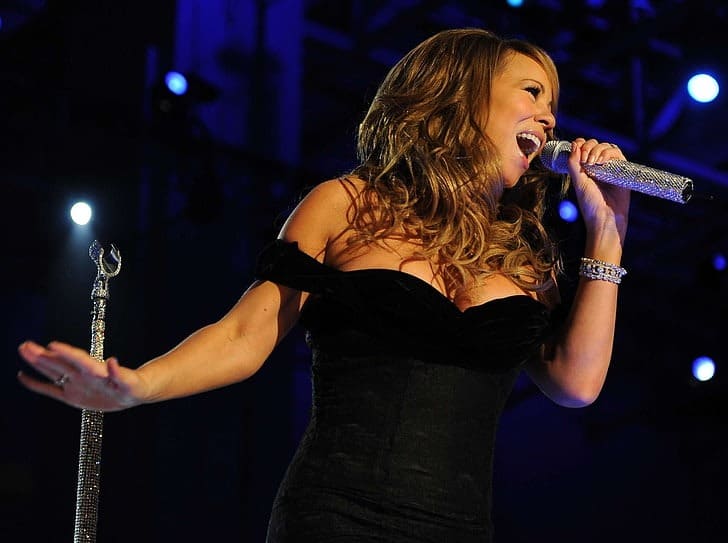
The best singers possess a unique blend of innate talent, technical skill, and emotional depth that allows them to connect with audiences on a profound level. These vocalists are celebrated not only for their range and control but also for their ability to convey the nuances of emotion and storytelling through their performances. The mark of a great singer lies in their versatility, being able to adapt their voice to different genres and styles, from the raw power of rock to the subtle nuances of classical opera. They have a distinctive tone that makes them instantly recognizable, and their vocal delivery is both effortless and powerful, capable of stirring deep emotions in listeners.
Moreover, the best singers are those who continue to evolve, pushing the boundaries of their craft by experimenting with new sounds and techniques. They are dedicated to their art, often undergoing rigorous training and practice to maintain and improve their vocal health and performance. Their impact goes beyond mere entertainment; they inspire future generations of singers and hold a mirror to society, reflecting its joys, struggles, and soul. These artists leave a lasting legacy, their voices echoing through time as a testament to human expression and the universal language of music.
1. Freddie Mercury
Freddie Mercury was a British singer, songwriter, and the lead vocalist of the rock band Queen. He was born Farrokh Bulsara on September 5, 1946, in Stone Town in the British protectorate of Zanzibar (now part of Tanzania). Mercury moved to England in his teens and eventually formed Queen in 1970 with guitarist Brian May and drummer Roger Taylor, with John Deacon joining as the bassist the following year.
Mercury was known for his flamboyant stage presence and powerful vocals, which became a hallmark of Queen’s live performances. He wrote many of the band’s hits, including “Bohemian Rhapsody,” “Somebody to Love,” “Don’t Stop Me Now,” and “We Are the Champions.” Mercury’s ability to engage with the audience and his unique sound helped Queen to become one of the world’s most popular bands.
Aside from his work with Queen, Mercury also pursued a solo career and collaborated with other artists. His vocal range was remarkable, spanning several octaves, and he was skilled at playing the piano, which featured prominently in many of Queen’s songs.
Mercury’s life was marked by his dedication to his music and performances, but he was also known for his private nature regarding his personal life. He was diagnosed with AIDS in the late 1980s, a fact he publicly acknowledged just a day before his death on November 24, 1991. Mercury’s death brought increased awareness and fundraising efforts for AIDS research and treatment.
His legacy continues to influence music and artists around the world, and Queen’s music remains popular, showcased by the enduring success of their albums, the musical “We Will Rock You,” and the biographical film “Bohemian Rhapsody” (2018), which celebrates Mercury’s life and the history of the band.
2. Michael Jackson
Michael Jackson, often hailed as the “King of Pop,” was an American singer, songwriter, and dancer whose contribution to music, dance, and fashion made him a global figure in popular culture for over four decades. Born on August 29, 1958, in Gary, Indiana, Jackson began his music career as a child in the family group, The Jackson 5, managed by Motown Records. He later embarked on a solo career that would lead him to become one of the most famous and influential entertainers in the world.
Jackson’s music career is marked by a string of groundbreaking albums. “Off the Wall” (1979), “Thriller” (1982), “Bad” (1987), “Dangerous” (1991), and “HIStory” (1995) stand out among his discography for their innovation, sales records, and lasting impact on the music industry. “Thriller” is the best-selling album of all time, with estimated sales of over 66 million copies worldwide.
He was known for his distinctive voice, complex dance moves, most notably the moonwalk, and ambitious music videos that helped transform the medium into an art form and promotional tool. Jackson’s musical style ranged from pop to rock, funk to R&B, and he used his platform to address issues such as racial prejudice, environmentalism, and charity for the less fortunate.
Jackson’s life was also marked by controversy, including accusations of child sexual abuse, which he denied and was acquitted of in a 2005 trial. Despite these controversies, his contribution to music, dance, and charity work, including donations to numerous causes, earned him a significant place in music history and popular culture.
Michael Jackson died on June 25, 2009, at the age of 50 from acute propofol and benzodiazepine intoxication at his home in Los Angeles, California. His death was ruled a homicide, and his personal physician, Conrad Murray, was convicted of involuntary manslaughter in 2011. Jackson’s legacy continues to endure, with his music still widely celebrated and his influence seen in countless artists across various genres.
3. Whitney Houston
Whitney Houston, often heralded as one of the greatest singers of all time, possessed an extraordinary vocal talent that left an indelible mark on the music industry. Born on August 9, 1963, in Newark, New Jersey, she was blessed with a voice that combined power, range, and emotional expressiveness in a way that few others could match. Houston’s music career took off in the 1980s, with her debut album, “Whitney Houston” (1985), which became the best-selling debut album by a female artist at the time.
Her ability to seamlessly blend pop and R&B genres helped her to break numerous records. Notably, her rendition of “I Will Always Love You,” the lead single from the soundtrack of “The Bodyguard” (1992), became one of the best-selling singles of all time. Houston’s vocal technique was characterized by her controlled use of melisma and her capacity to convey deep emotion, making her performances feel intimate and powerful.
Beyond her musical talents, Whitney Houston also made significant contributions to film, starring in hits like “The Bodyguard” and “Waiting to Exhale.” Her influence extended beyond her artistic achievements; she was a trailblazer for African American artists, breaking barriers in the music and film industries. Despite facing personal challenges and struggles with substance abuse, Houston’s legacy as a vocalist remains unparalleled. Her death on February 11, 2012, was a profound loss to the music world, but her recordings continue to inspire and captivate new generations of fans and artists alike.
4. Mariah Carey
Mariah Carey, born on March 27, 1970, in Huntington, New York, is an iconic figure in the music industry, renowned for her five-octave vocal range, signature use of the whistle register, and her influential melismatic singing style. Emerging on the music scene in 1990 with her self-titled debut album, Carey quickly established herself as a vocal powerhouse. Her debut signaled the arrival of a superlative talent, with chart-topping singles like “Vision of Love” serving as showcases for her vocal agility and emotional depth.
Throughout her career, Carey has skillfully navigated through various music genres, from pop and R&B to hip hop and soul, demonstrating her versatility as an artist. She has penned the majority of her hits, distinguishing herself as a prolific songwriter and producer. Mariah Carey is credited with inspiring a generation of singers through her innovative vocal techniques, particularly her use of the whistle register, which has become a defining element of her sound.
Her accolades include multiple Grammy Awards, numerous number-one singles on the Billboard Hot 100, and millions of albums sold worldwide, making her one of the best-selling music artists of all time. Notable hits such as “Fantasy,” “Always Be My Baby,” and the perennial holiday favorite “All I Want for Christmas Is You” have cemented her status in music history.
Beyond her musical achievements, Carey’s influence extends to her philanthropic efforts and her role as a trailblazer for women in the music industry, advocating for artistic control and ownership. Mariah Carey’s enduring legacy is not only marked by her incredible vocal talent and chart dominance but also by her resilience in facing personal and professional challenges, making her an enduring figure in popular culture.
5. Aretha Franklin
Aretha Franklin, known as the “Queen of Soul,” was an American singer, songwriter, and pianist born on March 25, 1942, in Memphis, Tennessee, and raised in Detroit, Michigan. She is celebrated for her powerful, emotive voice that has left an indelible mark on the music industry and American culture. Franklin’s music career spanned several decades, during which she achieved acclaim for her remarkable vocal range, depth, and intensity, becoming a symbol of black empowerment and female autonomy in the process.
Franklin began singing gospel at a young age in her father’s church, New Bethel Baptist Church in Detroit, Michigan. Her transition to secular music in the 1960s catapulted her to international fame, with hits like “Respect,” “Chain of Fools,” and “(You Make Me Feel Like) A Natural Woman.” These songs not only showcased her vocal prowess but also resonated with the themes of respect, love, and feminism, making her a voice for civil rights and women’s liberation.
Aretha Franklin’s contributions to music were immense, earning her numerous accolades, including 18 Grammy Awards and the honor of being the first woman inducted into the Rock and Roll Hall of Fame in 1987. Her influence extended beyond soul and R&B to gospel, jazz, and pop, reflecting her versatility and broad appeal.
Throughout her career, Franklin was not just a voice of her generation but also a pivotal figure in the shaping of American music history. Her legacy is not only in the timeless music she left behind but also in her role as a trailblazer for future generations of artists, particularly African American women in the music industry. Aretha Franklin passed away on August 16, 2018, but her music and the impact of her artistry continue to inspire and influence the world.
6. Elvis Presley
Elvis Presley, known as the “King of Rock and Roll,” was an American singer and actor who became one of the most significant cultural icons of the 20th century. Born on January 8, 1935, in Tupelo, Mississippi, Presley moved to Memphis, Tennessee, with his family at the age of 13. He began his music career in 1954 with the legendary Sun Records label in Memphis, recording songs that combined blues, country, and gospel influences—this fusion of styles helped him to become a pioneer of rockabilly, an uptempo, backbeat-driven fusion of country music and rhythm and blues.
Presley’s charismatic stage presence, distinctive vocal style, and innovative music quickly catapulted him to fame. His first RCA single, “Heartbreak Hotel,” released in 1956, was a number-one hit in the U.S. This success was followed by a series of hit singles and albums, as well as appearances on national television, which helped him become a leading figure in rock and roll music.
Presley’s impact on the music industry is immeasurable; he is one of the best-selling solo music artists of all time, with estimated record sales of up to 600 million units worldwide. He was known for his versatility, covering a wide range of genres including pop, gospel, ballads, and blues, which won him a broad audience. His energetic interpretations of songs and sexually provocative performance style, combined with a singularly potent mix of influences across color lines during a transformative era in race relations, made him both a subject of adoration and controversy.
Elvis also had a significant career in film, starring in 33 feature films that were popular, if not critically acclaimed, vehicles for his music. His televised concerts and special appearances, including the 1968 “Comeback Special,” which reinvigorated his career, and the 1973 “Aloha from Hawaii” satellite broadcast, watched by millions around the globe, are notable highlights of his career.
Presley’s personal life, including his marriage to Priscilla Presley, his spiritual quest, his use of prescription drugs, and his untimely death on August 16, 1977, at the age of 42, have been the subject of intense scrutiny and speculation. Despite the controversies, Elvis Presley remains an enduring figure in music and popular culture, with a legacy that includes numerous awards, induction into multiple music halls of fame, and a lasting influence on musicians and artists around the world.
7. Beyoncé
Beyoncé Giselle Knowles-Carter, known mononymously as Beyoncé, is a global icon who has profoundly impacted the music industry, fashion, and pop culture. Born on September 4, 1981, in Houston, Texas, she rose to fame in the late 1990s as the lead singer of Destiny’s Child, one of the world’s best-selling girl groups of all time. Following the group’s hiatus, Beyoncé launched a phenomenally successful solo career that has seen her evolve into one of the most influential and versatile artists of her generation.
Beyoncé’s discography spans a wide range of genres, including R&B, pop, hip hop, and soul, marked by her powerful vocals, intricate choreography, and compelling visual albums. Her groundbreaking work on albums such as “Dangerously in Love” (2003), “B’Day” (2006), “I Am… Sasha Fierce” (2008), “Beyoncé” (2013), and “Lemonade” (2016) has earned her critical acclaim and a legion of fans worldwide. “Lemonade,” in particular, was praised for its exploration of themes such as feminism, love, betrayal, empowerment, and social justice, showcasing Beyoncé’s depth both as an artist and as a cultural commentator.
Beyoncé’s influence extends beyond her music. She is known for her philanthropic efforts, activism, and business acumen, including her clothing line and management company. As a powerful advocate for women’s rights, racial equality, and social justice, her impact has been felt in various arenas, from the entertainment industry to political discourse.
Throughout her career, Beyoncé has received numerous awards and accolades, including multiple Grammy Awards, solidifying her status as a music legend. Her performances, characterized by their vocal prowess, emotional depth, and technical precision, are often described as transcendent. Beyoncé continues to push the boundaries of music, fashion, and culture, cementing her legacy as an artist who not only entertains but also inspires and provokes meaningful conversation.
8. Adele
Adele Laurie Blue Adkins, known professionally as Adele, is an English singer and songwriter renowned for her soulful voice and emotionally charged lyrics. Born on May 5, 1988, in Tottenham, London, Adele’s rise to fame began after graduating from the BRIT School for Performing Arts and Technology in 2006. Her career took off following the release of her debut album “19” in 2008, which included hits like “Chasing Pavements” and “Make You Feel My Love.” The album received critical acclaim and was a commercial success, earning her the Grammy Award for Best New Artist among other accolades.
Adele’s follow-up album, “21,” released in 2011, catapulted her to global stardom, breaking numerous sales records. Inspired by a tumultuous relationship and breakup, “21” touched on themes of heartbreak and recovery. It produced several hit singles, including “Rolling in the Deep,” “Someone Like You,” and “Set Fire to the Rain,” all of which contributed to Adele becoming a household name. “21” became the world’s best-selling album of the 21st century, winning Adele six Grammy Awards in one night, including Album of the Year.
Her third studio album, “25,” was released in 2015 and continued her success, leading with the hit single “Hello.” The album explored themes of motherhood, coming of age, and nostalgia. It broke first-week sales records in multiple countries and earned her several more Grammy Awards, including Album of the Year once again.
Adele’s powerful vocals, depth of emotion in her songwriting, and her down-to-earth persona have endeared her to millions of fans worldwide. Despite taking breaks between albums to focus on her personal life and health, Adele’s music continues to resonate with audiences, demonstrating her enduring appeal and status as one of the leading voices in contemporary music.
After a six-year hiatus, Adele returned with her highly anticipated fourth studio album, “30,” in 2021. The album, which discusses themes of heartache, divorce, motherhood, and self-discovery, was critically acclaimed and commercially successful. Adele’s ability to convey deep personal experiences through her music, making universal themes feel intimately personal, has solidified her place as one of the most influential and respected artists of her generation.
9. Celine Dion
Celine Dion, born on March 30, 1968, in Charlemagne, Quebec, Canada, is an internationally renowned singer known for her powerful and technically skilled vocals. Dion emerged as a teen star in her homeland with a series of French-language albums during the 1980s. She gained international recognition by winning the 1988 Eurovision Song Contest, where she represented Switzerland with the song “Ne partez pas sans moi.” However, it was her transition to the English-language market that catapulted her to global superstardom.
Dion’s English-language debut, “Unison” (1990), laid the groundwork for her illustrious career, but it was her albums “The Colour of My Love” (1993), “Falling into You” (1996), and “Let’s Talk About Love” (1997) that solidified her status as a music icon. These albums featured some of her most famous hits, including “The Power of Love,” “Because You Loved Me,” “It’s All Coming Back to Me Now,” and the Titanic theme song “My Heart Will Go On,” which became synonymous with Dion’s name and remains one of the best-selling singles of all time.
Celine Dion is celebrated not only for her vocal range and emotive delivery but also for her ability to sing in multiple languages, including French, English, Spanish, Italian, German, Latin, Japanese, and Mandarin Chinese, showcasing her versatility as an artist. Over the years, Dion has earned numerous awards, including Grammy Awards, and she is one of the best-selling artists of all time, with her albums and singles selling millions of copies worldwide.
Beyond her music career, Dion is known for her philanthropy, particularly her work with various charitable organizations and her own foundation, the Celine Dion Foundation, which supports children and families in need. Her residency shows in Las Vegas have been groundbreaking, setting new standards for live performances in the city and influencing other artists to follow suit.
Despite facing personal challenges, including the loss of her husband and manager, René Angélil, Dion has continued to inspire fans around the world with her resilience and dedication to her craft. Her enduring appeal and contributions to music have cemented her legacy as one of the most beloved and respected figures in the entertainment industry.
10. Stevie Wonder
Stevie Wonder, born Stevland Hardaway Judkins on May 13, 1950, in Saginaw, Michigan, is an iconic figure in music, recognized for his incredible contributions as a singer, songwriter, musician, and producer. Blind since shortly after birth, Wonder’s musical talents were evident from a young age, leading to his signing with Motown’s Tamla label at the tender age of 11. Over the decades, he has crafted an indelible mark on the landscape of popular music, blending genres such as R&B, pop, soul, funk, and jazz into his unique sound.
Wonder’s early hits in the 1960s, including “Fingertips, Pt. 2,” “Uptight (Everything’s Alright),” and “Signed, Sealed, Delivered I’m Yours,” showcased his dynamic voice and musical versatility. However, it was in the 1970s that he truly came into his own as an artist, producing an unparalleled series of albums that included “Talking Book,” “Innervisions,” “Fulfillingness’ First Finale,” and “Songs in the Key of Life.” These works featured timeless classics such as “Superstition,” “Living for the City,” “Sir Duke,” and “Isn’t She Lovely,” songs that not only achieved commercial success but also critical acclaim for their innovative sound and socially conscious lyrics.
Wonder’s impact on music extends beyond his hit singles and albums. He has been a pioneer in the use of electronic instruments and studio techniques, helping to shape the sound of modern music. His achievements have been recognized with numerous awards, including 25 Grammy Awards, one of the most awarded male solo artists in Grammy history, and an Academy Award for Best Original Song.
Beyond his musical career, Stevie Wonder has been an influential figure in social and political movements. He was instrumental in the campaign to recognize Martin Luther King Jr.’s birthday as a national holiday in the United States and has advocated for disability rights and other social justice issues.
Stevie Wonder’s legacy is not just in the breadth of his music, which spans over six decades, but also in the depth of his influence, inspiring countless artists across various genres and generations. His work continues to resonate with audiences around the world, testament to his genius, creativity, and humanity.
11. Christina Aguilera
Christina María Aguilera, born on December 18, 1980, in Staten Island, New York, is an American singer, songwriter, and actress. Renowned for her powerful voice and wide vocal range, Aguilera rose to fame in the late 1990s with her debut self-titled album, which was a commercial success. The album featured hits such as “Genie in a Bottle,” “What a Girl Wants,” and “Come On Over Baby (All I Want Is You),” which showcased her vocal prowess and helped her to secure a place among the era’s top pop artists.
Following her debut, Aguilera’s musical career took a more mature turn with the release of “Stripped” in 2002. The album included tracks like “Beautiful” and “Fighter,” which became anthems of self-empowerment and resilience. “Beautiful,” in particular, received widespread acclaim for its positive message and was praised for promoting acceptance and self-esteem. “Stripped” marked a significant transformation in Aguilera’s image and musical style, featuring more personal and introspective lyrics.
Aguilera continued to experiment with her sound in subsequent albums, such as “Back to Basics” (2006), which drew inspiration from jazz, blues, and soul music from the 1920s to the 1940s. The album included hits like “Ain’t No Other Man” and “Candyman,” and was noted for its retro style and production.
Beyond her music career, Aguilera has also made her mark in film and television. She starred in the musical film “Burlesque” (2010) alongside Cher, and served as a coach on the singing competition show “The Voice,” where she used her experience to mentor aspiring singers.
Throughout her career, Aguilera has been recognized with numerous awards, including multiple Grammy Awards. She has been praised not only for her vocal talent but also for her philanthropy and activism, particularly her work on behalf of LGBTQ rights and against domestic violence.
Aguilera’s influence extends beyond music; she is considered a pop culture icon and has been acknowledged for her contributions to the empowerment of women and girls through her music and personal initiatives. Despite the evolution of her musical and personal style over the years, her ability to connect with audiences and push the boundaries of pop music has remained constant.
12. Otis Redding
Otis Redding, born on September 9, 1941, in Dawson, Georgia, and raised in Macon, was a seminal figure in the genre of soul music, whose emotive singing and prolific songwriting left a lasting impact despite his tragically short career. Redding’s powerful voice and passionate performances helped define the sound of Southern soul music in the 1960s, characterized by its raw emotion, gritty textures, and heartfelt expression.
Before gaining mainstream success, Redding began his career with local bands, gradually making a name for himself within the burgeoning soul music scene. His breakthrough came with his performance at the Stax Records studio in Memphis, Tennessee, where he recorded his debut album, “Pain in My Heart” (1964). His association with Stax was instrumental in crafting hits that blended soul with deep rhythm and blues, creating a sound that resonated with a wide audience.
Otis Redding’s most famous song, “(Sittin’ On) The Dock of the Bay,” was recorded just days before his untimely death in a plane crash on December 10, 1967, at the age of 26. The song showcased a more introspective side of Redding, featuring melancholic lyrics and a whistled tune that conveyed a sense of longing and reflection. Released posthumously, it became his biggest hit and the first posthumous number-one single on the Billboard Hot 100 chart.
Redding’s influence extends far beyond his hits; he was a key figure in the development of soul music, influencing the genre’s direction and inspiring future generations of musicians across various genres. His performances at iconic venues and events, including the Monterey Pop Festival in 1967, solidified his reputation as a dynamic and compelling live performer. Otis Redding’s legacy is marked by his contributions to music, characterized by his emotional depth, powerful vocals, and an undeniable charisma that continues to captivate fans and artists alike.
13. Justin Timberlake
Justin Randall Timberlake, born on January 31, 1981, in Memphis, Tennessee, is an American singer, songwriter, actor, and record producer. Timberlake first rose to fame in the late 1990s as a member of the boy band NSYNC, one of the best-selling boy bands of all time. His transition from boy band member to a solo artist was seamless and highly successful, marked by the release of his debut solo album “Justified” in 2002. The album featured hits like “Cry Me a River” and “Rock Your Body,” showcasing Timberlake’s versatility as an artist and helping him to establish a more mature sound apart from his boy band image.
Timberlake’s subsequent albums further solidified his position as a major force in the music industry. “FutureSex/LoveSounds” (2006), his second studio album, was notable for its innovative fusion of R&B, pop, funk, and electronic music, producing chart-topping singles such as “SexyBack,” “My Love,” and “What Goes Around… Comes Around.” This album was praised for its creative direction and production, highlighting Timberlake’s growth as an artist and his willingness to experiment with new sounds.
Beyond music, Timberlake has made a significant impact in the entertainment industry as an actor. He has taken on roles in various films, including “The Social Network” (2010), where he played Sean Parker, the co-founder of Napster; “Friends with Benefits” (2011); and “Inside Llewyn Davis” (2013). His performances have received positive reviews, demonstrating his versatility and talent as an actor.
Timberlake has also been involved in television, hosting and performing on “Saturday Night Live” multiple times, where his comedic abilities have earned him critical acclaim and a strong fan following. Additionally, he has ventured into the business side of the industry, with involvement in fashion, hospitality, and technology.
Throughout his career, Timberlake has received numerous awards, including several Grammy Awards, highlighting his contributions to music and pop culture. His ability to blend different genres, along with his showmanship and appeal as a live performer, has made him one of the most recognizable and influential figures in contemporary entertainment.
Known for his philanthropic efforts, Timberlake has contributed to various causes and has used his platform to support humanitarian issues. As a solo artist, Timberlake has continually evolved, experimenting with new musical styles and themes while maintaining a strong presence in both the music and film industries.
14. John Lennon
John Lennon, born on October 9, 1940, in Liverpool, England, was a groundbreaking musician, singer-songwriter, and peace activist who co-founded the Beatles, the most commercially successful and critically acclaimed band in the history of popular music. With Paul McCartney, Lennon formed one of the most influential and successful songwriting partnerships of the 20th century, contributing to the transformation of music and culture worldwide.
Lennon’s work with the Beatles in the 1960s helped to usher in a new era of music, characterized by innovative recording techniques, experimental approaches to songwriting, and a level of artistic ambition that was previously unheard of in pop music. Hits such as “Help!”, “Strawberry Fields Forever”, “A Day in the Life”, and “Lucy in the Sky with Diamonds” showcased Lennon’s creativity, wit, and emotional depth. His music, both with the Beatles and in his solo career, often reflected his personal beliefs, touching on themes of peace, love, introspection, and social justice.
After the Beatles disbanded in 1970, Lennon embarked on a solo career, marked by albums like “John Lennon/Plastic Ono Band” and “Imagine”, the title track of which became an anthem for peace movements and remains one of his most enduring legacies. His activism alongside his wife, Yoko Ono, particularly against the Vietnam War, made him a figure of controversy and admiration.
Tragically, Lennon’s life was cut short when he was murdered on December 8, 1980, outside his home in New York City. His death sent shockwaves around the world, leading to an outpouring of grief and tributes. Despite his untimely death, Lennon’s music and message of peace continue to inspire and influence generations. His legacy as a musician, cultural icon, and advocate for peace and human rights endures, making him one of the most significant figures of the 20th century.
15. Paul McCartney
Sir James Paul McCartney, born on June 18, 1942, in Liverpool, England, is a world-renowned British musician, singer-songwriter, and composer who gained worldwide fame as the bass guitarist and co-lead vocalist of the Beatles, one of the most popular and influential groups in the history of pop music. McCartney’s songwriting partnership with John Lennon was one of the most successful in music history, and together, they crafted many of the Beatles’ biggest hits, contributing significantly to the soundtrack of the 1960s and beyond.
After the Beatles disbanded in 1970, McCartney embarked on a successful solo career and later formed the band Wings with his first wife, Linda Eastman, and Denny Laine. His work post-Beatles continued to earn critical and commercial success, with hits like “Maybe I’m Amazed” (as a solo artist) and “Band on the Run” and “Live and Let Die” (with Wings). McCartney’s music has spanned multiple genres, including rock, classical, and electronic music, showcasing his versatility as an artist.
Over the decades, McCartney has become one of music’s most celebrated and enduring figures, known not only for his musical talent but also for his contributions to humanitarian causes, animal rights, and peace activism. His honors include knighthood for his services to music in 1997, multiple Grammy Awards, and induction into the Rock and Roll Hall of Fame twice: as a member of the Beatles in 1988 and as a solo artist in 1999.
McCartney’s impact on music is immeasurable, not only in terms of his commercial success but also in his influence on countless musicians and songwriters across various genres. His ability to craft memorable melodies, his innovative bass playing, and his versatility in songwriting and musical styles have made him a towering figure in the music industry.
In addition to his musical career, McCartney is an accomplished painter, a passionate advocate for vegetarianism and animal rights, and has ventured into film and classical music composition. Despite his myriad of achievements and ventures, it is his contributions to music—as part of the Beatles and as a solo artist—that remain the cornerstone of his legacy.

Edward Tomlin is a frequent contributor to Singers Room. Since 2005, Singersroom has been the voice of R&B around the world. Connect with us via social media below.









