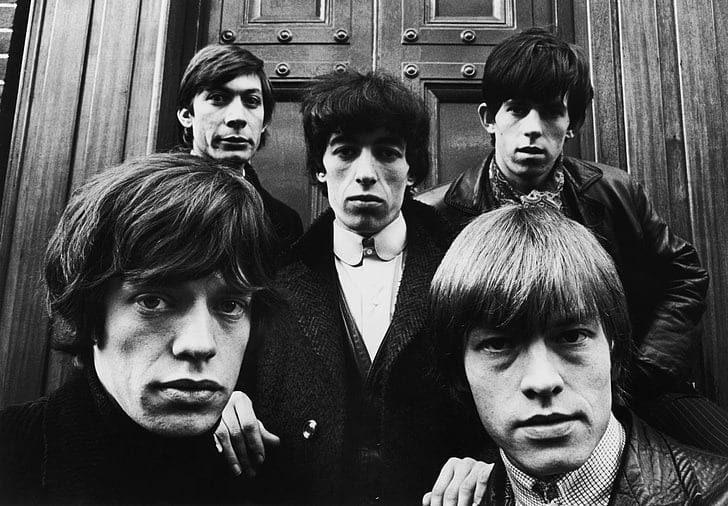
The Rolling Stones, formed in London in 1962, stand as one of the most enduring and influential rock bands in history. Comprising Mick Jagger, Keith Richards, Charlie Watts, Ronnie Wood, and formerly Brian Jones and Bill Wyman, the band has weathered the ever-changing landscape of popular music for over six decades. Renowned for their energetic performances and gritty, blues-infused rock sound, The Rolling Stones have left an indelible mark on the global musical landscape.
Mick Jagger, with his distinctive stage presence and charismatic swagger, serves as the band’s iconic frontman and lyricist, while Keith Richards, with his masterful guitar work, contributes to the timeless appeal of their music. The Rolling Stones boast an extensive catalog of hits, including classics like “Paint It Black,” “Sympathy for the Devil,” and “Start Me Up.”
Notorious for their rebellious image and provocative lyrics, the Stones have embodied the spirit of rock ‘n’ roll excess and rebellion. Their longevity is a testament to their ability to evolve with the times while staying true to their bluesy roots. With a career spanning numerous chart-toppers, sold-out tours, and a legendary status, The Rolling Stones continue to inspire generations of music lovers worldwide.
1. Gimme Shelter
“Gimme Shelter” stands as one of The Rolling Stones’ most iconic and powerful songs. Released in 1969 on their album “Let It Bleed,” the track encapsulates the tumultuous spirit of the late 1960s. The song opens with a haunting, atmospheric guitar riff by Keith Richards, setting the stage for what unfolds as a visceral journey through social upheaval and the search for refuge.
Mick Jagger’s vocal delivery, accompanied by the haunting background vocals of Merry Clayton, adds an urgency and intensity to the lyrics. The song’s lyrics reflect the era’s societal unrest, with phrases like “War, children, it’s just a shot away” echoing the anxieties of the Vietnam War era. The inclusion of Merry Clayton’s powerful and emotionally charged vocal contribution during the chorus elevates the song to a chilling and unforgettable level.
“Gimme Shelter” has been featured in various films and documentaries, cementing its status as an enduring anthem. The Stones’ ability to channel the turbulent zeitgeist of the late ’60s into a timeless and evocative musical piece showcases their profound impact on the cultural landscape. The song remains a potent reminder of the power of music to capture the essence of a moment and resonate across generations.
2. Paint It Black
“Paint It Black” is a seminal song by The Rolling Stones, released in 1966 on their fourth studio album, “Aftermath.” This track, driven by a distinctive sitar riff played by Brian Jones, marked a departure from the band’s earlier works and showcased their willingness to experiment with diverse musical elements.
Mick Jagger’s vocals convey a sense of introspection and darkness, complementing the song’s lyrics that delve into themes of mourning, loss, and the desire for a radical change. The vivid imagery created by the lyrics, including the recurring line “I see a red door and I want it painted black,” adds a layer of mystery and intensity to the composition.
“Paint It Black” became a cultural touchstone and enjoyed widespread commercial success, reaching the number one spot on the Billboard Hot 100 chart in the United States. Its distinctive blend of rock and Eastern musical influences, combined with its evocative lyrics, has contributed to the enduring popularity of the song.
Over the years, “Paint It Black” has been featured in various films, television shows, and commercials, attesting to its lasting impact and cultural relevance. The song remains a testament to The Rolling Stones’ ability to evolve their sound and create timeless pieces that resonate across generations.
3. Sympathy for the Devil
“Sympathy for the Devil” is a classic rock song by The Rolling Stones, released on their 1968 album “Beggars Banquet.” The song is notable for its distinct rhythm, provocative lyrics, and genre-blending musical elements.
“Sympathy for the Devil” is a compelling rock composition by The Rolling Stones, featured on their 1968 album “Beggars Banquet.” With its infectious rhythm and bluesy groove, the song unfolds as a narrative where Mick Jagger, adopting the persona of the devil, recounts historical events. The lyrics are provocative and introspective, addressing themes of human nature, violence, and societal turmoil. The track’s dynamic arrangement, blending rock, blues, and Latin percussion, showcases the band’s musical diversity. “Sympathy for the Devil” remains a timeless and influential piece in The Rolling Stones’ extensive catalog, recognized for its bold lyricism and innovative musicality.
4. (I Can’t Get No) Satisfaction
“(I Can’t Get No) Satisfaction” is an iconic rock song by The Rolling Stones, released in 1965. Here’s a concise description:
“(I Can’t Get No) Satisfaction” is a groundbreaking rock anthem by The Rolling Stones, unleashed in 1965. Fueled by Keith Richards’ iconic guitar riff, the song expresses frustration with societal norms and consumer culture. Mick Jagger’s defiant vocals and memorable lyrics convey a rebellious spirit. The track’s infectious energy, fueled by the legendary riff, catapulted it to international success, making it one of the defining songs of the 1960s and a timeless classic in rock history.
5. You Can’t Always Get What You Want
“You Can’t Always Get What You Want” is a timeless rock ballad by The Rolling Stones, released on their 1969 album “Let It Bleed.” Here’s a succinct description:
“You Can’t Always Get What You Want” is a poignant rock ballad by The Rolling Stones, featured on their 1969 album “Let It Bleed.” With its soulful vocals by Mick Jagger and a rich musical arrangement incorporating choir vocals, acoustic guitars, and a memorable French horn, the song reflects on life’s ups and downs. The lyrics convey a message of acceptance and resilience, delivering a timeless and universal sentiment. The song’s enduring appeal lies in its emotional depth, musical craftsmanship, and its ability to resonate with listeners across generations.
6. Tumbling Dice
“Tumbling Dice” is a classic rock song by The Rolling Stones, released in 1972 on their album “Exile on Main St.” This track, written by Mick Jagger and Keith Richards, captures the essence of the band’s bluesy rock and roll roots while incorporating elements of country and soul.
The song opens with a distinctive guitar riff and showcases Mick Jagger’s signature raspy vocals. Lyrically, “Tumbling Dice” explores themes of love, chance, and the unpredictability of relationships. The title itself, with its imagery of rolling dice, suggests the unpredictable nature of life’s outcomes.
Musically, the song features a dynamic interplay of instruments, including Mick Jagger’s harmonica, Charlie Watts’ steady drumming, and Keith Richards’ gritty guitar work. The loose and raw production style, characteristic of “Exile on Main St.,” contributes to the song’s timeless and authentic feel.
“Tumbling Dice” quickly became a fan favorite and a staple of The Rolling Stones’ live performances. Its catchy chorus, infectious rhythm, and memorable lyrics have solidified its place in the rock and roll canon. The song’s enduring popularity is a testament to The Rolling Stones’ ability to create music that resonates with audiences across generations.
7. Jumpin’ Jack Flash
“Jumpin’ Jack Flash” is a rock and roll anthem by The Rolling Stones, released as a single in 1968. This iconic song, written by Mick Jagger and Keith Richards, captures the rebellious and energetic spirit of the band during a turbulent period of cultural and political upheaval.
The opening guitar riff, played by Richards, is instantly recognizable and sets the tone for the entire track. Mick Jagger’s vocal delivery is dynamic and exuberant, showcasing his charismatic stage presence. Lyrically, “Jumpin’ Jack Flash” tells the tale of a resilient and resourceful character facing various challenges, with the refrain expressing the protagonist’s defiant spirit.
The song’s success was immediate, reaching the top of the charts in the UK and the U.S. Its popularity was further solidified by its inclusion in subsequent compilations and live performances. “Jumpin’ Jack Flash” has become a quintessential representation of The Rolling Stones’ prowess in crafting infectious rock songs that resonate with audiences worldwide.
The enduring appeal of “Jumpin’ Jack Flash” lies in its timeless combination of powerful instrumentation, memorable lyrics, and the irrepressible energy that characterizes The Rolling Stones’ best work. It remains a staple in their live performances and a classic example of the band’s enduring influence on the rock genre.
8. Honky Tonk Women
“Honky Tonk Women” is a classic rock song by The Rolling Stones, released as a single in 1969. Here’s a brief description:
“Honky Tonk Women” is a rollicking rock and roll hit by The Rolling Stones, introduced as a single in 1969. With its infectious guitar riffs, country-inspired twang, and energetic rhythm, the song captures the essence of the honky-tonk lifestyle. Mick Jagger’s charismatic vocals narrate a tale of nightlife escapades, complemented by Keith Richards’ distinctive guitar work. The song’s upbeat tempo and memorable chorus contributed to its widespread popularity, making it one of The Rolling Stones’ signature tracks and a classic in the rock genre.
9. Start Me Up
“Start Me Up” is a rock anthem by The Rolling Stones, released in 1981 as the lead single from their album “Tattoo You.” Here’s a concise description:
“Start Me Up” is a high-energy rock anthem by The Rolling Stones, launched in 1981 on the album “Tattoo You.” Fueled by Keith Richards’ infectious guitar riff and Mick Jagger’s energetic vocals, the song exudes a sense of urgency and excitement. The catchy chorus and dynamic instrumentation, including Charlie Watts’ solid drumming, contributed to the track’s commercial success. “Start Me Up” became a chart-topping hit and remains one of The Rolling Stones’ most recognizable and enduring songs, embodying the spirit of rock and roll.
10. Brown Sugar
“Brown Sugar” is a rock and roll classic by The Rolling Stones, released in 1971 as the lead single from their album “Sticky Fingers.” This provocative and controversial song, written by Mick Jagger and Keith Richards, blends elements of rock, blues, and country while addressing complex themes of slavery, racism, and sexuality.
The track kicks off with a distinctive and instantly recognizable guitar riff played by Richards, setting the stage for Jagger’s distinctive vocals. Lyrically, “Brown Sugar” explores the dark history of slavery in the Southern United States, depicting the exploitation and objectification of African American women. The lyrics also touch upon the turbulent relationship between the races and the hedonistic lifestyle associated with the rock and roll scene of the time.
Despite its controversial subject matter, “Brown Sugar” became a commercial success, reaching the top of the charts in the U.S. and the U.K. The song’s catchy melody, infectious energy, and bold lyrics contributed to its enduring popularity. However, the controversial nature of the lyrics has also sparked discussions about the song’s appropriateness over the years.
“Brown Sugar” remains a pivotal part of The Rolling Stones’ catalog, often performed in their live shows and celebrated for its musical prowess, even as its lyrics continue to prompt reflection and discussion about the complexities of rock and roll’s cultural history.

Edward Tomlin is a frequent contributor to Singers Room. Since 2005, Singersroom has been the voice of R&B around the world. Connect with us via social media below.









