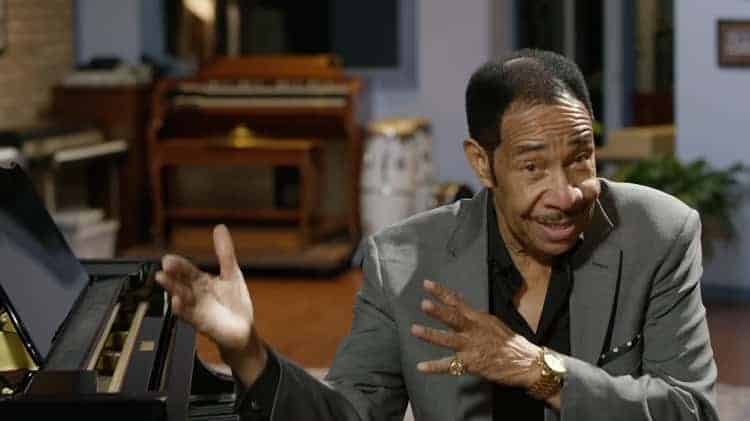
Gene Chandler, born Eugene Dixon on July 6, 1937, is an iconic American singer and songwriter whose soulful voice and charismatic stage presence have left an indelible mark on the music industry. With a career spanning several decades, Chandler is often hailed as the “Duke of Earl” for his chart-topping 1962 hit, “Duke of Earl,” which not only showcased his velvety vocals but also established him as a prominent figure in the world of R&B and doo-wop.
Chandler’s musical journey extends beyond his breakthrough single, as he continued to release a string of successful hits, including “Groovy Situation,” “Rainbow ’65,” and “Nothing Can Stop Me.” His ability to seamlessly blend elements of soul, R&B, and pop has earned him accolades and a dedicated fan base.
Beyond his accomplishments as a performer, Gene Chandler is recognized for his contributions as a songwriter and record producer. His impact on the Chicago music scene, especially during the heyday of the Chess Records label, has solidified his place in the annals of music history.
With a career marked by versatility and longevity, Gene Chandler remains a revered figure in the realm of classic soul, and his timeless music continues to captivate audiences, proving that the Duke of Earl’s musical reign transcends generations.
1. Duke of Earl
“Duke of Earl” is a classic R&B and doo-wop song that catapulted Gene Chandler to stardom in 1962. Born Eugene Dixon, Chandler adopted the stage name “The Duke of Earl” for this iconic track. The song, released on the Vee-Jay Records label, quickly became a massive hit, reaching the number one spot on the Billboard Hot 100 chart.
The distinctive and memorable lyrics of “Duke of Earl” tell the story of a man introducing himself as the “Duke of Earl” and proclaiming his love for a special someone. Chandler’s smooth and soulful vocals, combined with the song’s catchy melody and elegant orchestration, contributed to its widespread appeal.
The success of “Duke of Earl” made Gene Chandler a prominent figure in the music industry, and the song has since become a timeless classic. Its influence has extended beyond its initial release, with the track being covered and sampled by various artists over the years. The song’s enduring popularity and Chandler’s charismatic performance have solidified “Duke of Earl” as one of the standout gems in the history of rhythm and blues.
2. Groovy Situation
“Groovy Situation” is another standout hit in Gene Chandler’s illustrious career, released in 1970. This soulful and upbeat track showcases Chandler’s versatility and ability to adapt to changing musical trends. The song was written by Russell Lewis and Herman Davis and became one of Chandler’s signature tunes.
“Groovy Situation” marked a departure from the doo-wop and R&B sound that characterized Chandler’s earlier work. With its infectious groove and lively brass arrangements, the song reflected the evolving landscape of soul music during the late 1960s and early 1970s. The lyrics convey a positive and optimistic message, celebrating the joy of finding oneself in a delightful and upbeat situation.
The track became a significant success for Gene Chandler, reaching the Top 10 on the Billboard R&B chart and making a notable impact on the pop charts as well. “Groovy Situation” remains a favorite among fans of classic soul music, representing a vibrant and dynamic period in Chandler’s career. The song’s enduring popularity underscores Gene Chandler’s ability to adapt to changing musical styles while maintaining his distinctive voice and stage presence.
3. Nothing Can Stop Me
“Nothing Can Stop Me” is a classic soul and R&B song by Gene Chandler, released in 1965. Gene Chandler, also known as the “Duke of Earl” for his earlier hit, is an American singer and songwriter known for his contributions to the soul and R&B genres.
“Nothing Can Stop Me” is characterized by its upbeat and infectious rhythm, featuring a horn-driven arrangement that was typical of the Motown and soul music of the 1960s. The song’s lyrics express a sense of confidence and determination, with the narrator declaring that nothing can stand in the way of their love.
The track achieved notable success on the Billboard R&B charts, peaking in the Top 20. Gene Chandler’s smooth and soulful vocals, combined with the energetic instrumentation, contributed to the song’s popularity. “Nothing Can Stop Me” has since become a classic in the soul music genre and is recognized as one of Gene Chandler’s signature songs.
Over the years, the song has been covered and sampled by various artists, further solidifying its place in the broader landscape of R&B and soul music.
4. You Threw a Lucky Punch
“You Threw a Lucky Punch” is a song by American R&B singer Gene Chandler, released in 1962. Gene Chandler, also known as the “Duke of Earl,” is known for his contributions to the soul and R&B genres during the 1960s.
The song “You Threw a Lucky Punch” features a catchy and energetic rhythm with a prominent horn section, characteristic of the R&B and soul music of that era. The lyrics tell the story of a romantic relationship where the narrator feels fortunate to have been struck by the “lucky punch” of love.
The track achieved moderate success on the charts, particularly in the R&B genre. Gene Chandler’s smooth and soulful vocals, along with the lively instrumentation, contributed to the appeal of the song.
While “You Threw a Lucky Punch” may not be as well-known as some of Gene Chandler’s other hits, it remains a notable piece of his discography and is appreciated by fans of classic R&B and soul music.
5. Rainbow ’80
“Rainbow ’80” is a vibrant and infectious disco-funk anthem that embodies the spirited sounds of the 1980s. Released in 1980 by Gene Chandler, the song reflects the era’s shift towards disco-infused grooves and electronic instrumentation. The track opens with a pulsating rhythm and a synth-driven melody that sets the stage for a dancefloor-ready experience. Chandler’s smooth and soulful vocals seamlessly blend with the energetic arrangement, creating a dynamic sonic landscape that captures the essence of the disco era.
The lyrics of “Rainbow ’80” evoke a sense of celebration and joy, inviting listeners to join the dance and revel in the vibrant atmosphere. The catchy chorus, coupled with the rhythmic beats and funky guitar riffs, makes the song an irresistible invitation to the discotheque. As disco and funk converged in the 1980s, “Rainbow ’80” emerged as a testament to Gene Chandler’s ability to adapt his style to the evolving musical landscape while maintaining a sense of authenticity. The track remains a lively and nostalgic snapshot of the disco era, ensuring its place as a cherished gem in the repertoire of danceable classics from the 1980s.
6. Get Down
“Get Down” is another notable song in Gene Chandler’s discography, released in 1978. This disco-infused track marked Chandler’s foray into the disco era, showcasing his adaptability to changing musical trends. Written by Eugene Record and Barbara Acklin, “Get Down” features a funky groove, lively instrumentation, and Chandler’s soulful vocals.
The song’s lyrics encourage listeners to hit the dance floor and enjoy the rhythm, capturing the essence of the disco movement that dominated the late 1970s. With its infectious beat and energetic arrangement, “Get Down” became a dancefloor favorite and a commercial success for Chandler.
While “Get Down” may represent a departure from Chandler’s earlier doo-wop and R&B roots, it underscores his ability to navigate different genres and stay relevant in the ever-evolving music industry. The track showcases Chandler’s versatility as an artist and demonstrates his willingness to experiment with new sounds to connect with a diverse audience.
“Get Down” remains a notable entry in Gene Chandler’s extensive catalog, illustrating his enduring impact on the soul and disco scenes of the late 20th century. The song continues to be celebrated by fans of both classic soul and disco music.
7. Tomorrow’s Love
“Tomorrow’s Love” is a soulful ballad that showcases the tender and emotive side of Gene Chandler’s vocal prowess. Released in 1965, the song encapsulates the romantic sensibilities of the mid-1960s soul music era. From the gentle strumming of the guitar to the elegant orchestral arrangement, the musical backdrop complements Chandler’s heartfelt delivery, creating an intimate and timeless listening experience. The song’s melody unfolds like a love letter, weaving a narrative of hope and anticipation.
Chandler’s vocals convey a depth of emotion as he navigates the nuances of love, expressing both vulnerability and optimism. The orchestration, featuring lush strings and subtle harmonies, adds a layer of sophistication to “Tomorrow’s Love,” elevating it beyond a typical love ballad. The lyrics speak of the promise and potential of a future love, making the song a poignant exploration of romantic longing. As a testament to Gene Chandler’s ability to interpret a variety of musical styles, “Tomorrow’s Love” stands out as a beautiful example of soulful balladry, showcasing the artist’s versatility and leaving an enduring impact on the landscape of classic soul music.
8. What Now
“What Now” is a soulful ballad by Gene Chandler that takes listeners on an emotional journey through the complexities of love and heartbreak. Released in 1965, the song captures the essence of the mid-1960s soul music era with its lush orchestration and Chandler’s poignant vocals. The arrangement, featuring a delicate mix of strings and horns, provides a dramatic backdrop to Chandler’s expressive delivery, creating a melancholic yet beautiful atmosphere. “What Now” stands out as a timeless exploration of the aftermath of a love gone wrong.
Chandler’s vocals convey a sense of vulnerability and introspection as he grapples with the uncertainty of a broken relationship. The lyrics paint a vivid picture of emotional turmoil and the search for answers in the aftermath of a romantic fallout. The haunting melody and Chandler’s soulful interpretation make “What Now” a poignant and introspective ballad that resonates with anyone who has experienced the complexities of love and loss. As a classic example of soul’s ability to convey deep and universal emotions, “What Now” remains a timeless gem in Gene Chandler’s repertoire, showcasing his artistry and contributing to the rich tapestry of soul music from the 1960s.
9. You Can’t Hurt Me No More
“You Can’t Hurt Me No More” is a classic soul song by Gene Chandler, released in 1962. The track showcases Chandler’s emotive vocals and his ability to convey deep emotions through his music. The song, often celebrated for its soulful and heartfelt delivery, explores themes of resilience and moving forward from emotional pain.
With its memorable melody and Chandler’s soul-stirring performance, “You Can’t Hurt Me No More” became a notable addition to the R&B and soul landscape of the early 1960s. The song was released during a period when Chandler was gaining recognition for hits like “Duke of Earl,” and it contributed to establishing him as a prominent figure in the genre.
Throughout his career, Gene Chandler demonstrated a remarkable ability to navigate different styles within the broader spectrum of soul music. “You Can’t Hurt Me No More” stands as a testament to his skill in interpreting and delivering emotionally resonant songs that continue to resonate with fans of classic soul.
10. In My Body’s House
“In My Body’s House” is a soulful and groovy track by Gene Chandler, released in 1984. This song reflects the influence of the evolving soundscapes of the 1980s, blending elements of soul, funk, and electronic music. The infectious rhythm, characterized by a funky bassline and upbeat percussion, immediately sets a vibrant and danceable tone. Chandler’s vocals, while maintaining his signature soulful delivery, adapt to the contemporary production style of the ’80s, creating a seamless fusion of classic soul and modern funk.
The lyrics of “In My Body’s House” contribute to its energetic atmosphere, inviting listeners to join in the celebration of music and dance. The song captures the essence of the era’s electronic and synth-driven sound, making it a notable entry in Gene Chandler’s later discography. As a testament to Chandler’s ability to evolve with the times, “In My Body’s House” showcases his versatility and willingness to embrace new musical trends while staying true to the soulful roots that define his career. This track stands as a lively representation of the intersection between classic soul and contemporary funk during the 1980s.

Edward Tomlin is a frequent contributor to Singers Room. Since 2005, Singersroom has been the voice of R&B around the world. Connect with us via social media below.









