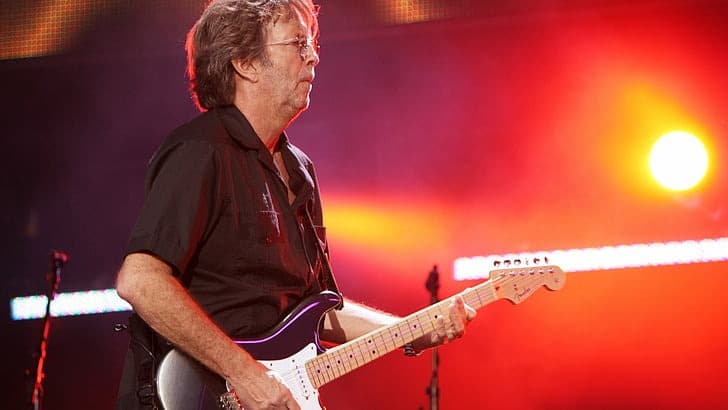
Eric Clapton, born on March 30, 1945, is a legendary English guitarist, singer, and songwriter who has left an indelible mark on the history of rock and blues music. Often referred to as “Slowhand” for his smooth and expressive guitar playing, Clapton’s career spans over six decades, showcasing his extraordinary talent and versatility.
Emerging as a prominent figure in the 1960s British blues-rock scene, Clapton gained initial recognition as a member of The Yardbirds and later with the influential supergroup Cream. His distinctive guitar work, marked by emotive solos and soulful bends, has become iconic. Beyond his group endeavors, Clapton’s solo career has been equally remarkable, featuring hits like “Layla” and “Tears in Heaven.”
Clapton’s musical journey reflects a fusion of blues, rock, and pop influences, creating a unique sonic fingerprint that resonates with audiences worldwide. Despite personal challenges, his commitment to artistic expression and love for the blues has solidified his status as one of the greatest guitarists in history. Eric Clapton’s enduring legacy extends beyond his Grammy-winning albums and into the hearts of fans who continue to be captivated by his soulful sound and enduring passion for the blues.
1. Layla
“Layla” is one of Eric Clapton’s most iconic and enduring songs, released in 1970 as part of the album “Layla and Other Assorted Love Songs,” which he recorded with the band Derek and the Dominos. The song is a timeless classic, known for its powerful guitar riff and emotional lyrics.
The inspiration for “Layla” came from Clapton’s unrequited love for Pattie Boyd, who was married to his friend George Harrison at the time. The song’s lyrics express the intense emotional turmoil Clapton felt, with lines like “Layla, you’ve got me on my knees,” reflecting the depth of his passion.
The memorable guitar riff that opens the song was a collaboration between Clapton and Duane Allman, another legendary guitarist. Their dual-guitar performance on “Layla” is often cited as one of the greatest in rock history.
Over the years, “Layla” has become a classic rock anthem and is widely regarded as one of Clapton’s signature songs. Its enduring popularity has been reinforced by its inclusion in various films, television shows, and commercials, ensuring that new generations continue to discover and appreciate the timeless brilliance of this musical masterpiece.
2. Wonderful Tonight
“Wonderful Tonight” is a classic rock ballad written by Eric Clapton. Clapton composed the song in 1976 while waiting for his then-girlfriend, Pattie Boyd, to get ready for a party. The song is a heartfelt tribute to Boyd and captures the emotions of love and admiration.
Released on Clapton’s album “Slowhand” in 1977, “Wonderful Tonight” became one of his most enduring and popular songs. The track features Clapton’s soulful vocals and his signature guitar playing. Its simple yet evocative lyrics, combined with the emotional melody, have made it a timeless favorite for weddings and romantic occasions.
“Wonderful Tonight” has been covered by various artists and has become a classic in the rock and love song genres. Eric Clapton’s sincere expression of love and the beautiful guitar work contribute to the song’s enduring appeal, making it a staple in his extensive and influential discography.
3. Tears in Heaven
“Tears in Heaven” is a poignant and heartfelt ballad written and performed by Eric Clapton. The song was co-written with Will Jennings and released in 1992 as part of Clapton’s album “Unplugged.” The inspiration for the song came from the tragic death of Clapton’s four-year-old son, Conor, who fell from a New York City apartment window in 1991.
The lyrics of “Tears in Heaven” are deeply personal and reflect Clapton’s grief and struggle to come to terms with the loss of his son. The haunting refrain asks the emotional question, “Would it be the same if I saw you in heaven?” The song explores themes of love, loss, and the hope for eventual reunion.
“Tears in Heaven” received widespread acclaim for its emotional depth and sincerity. The acoustic, stripped-down arrangement from the “Unplugged” performance contributed to the song’s raw and intimate feel. It went on to win several Grammy Awards, including Record of the Year and Song of the Year.
This touching composition not only showcases Clapton’s musical prowess but also serves as a deeply personal and moving tribute to his late son. “Tears in Heaven” remains one of Clapton’s most enduring and emotionally resonant songs, connecting with listeners on a profound level.
4. Cocaine
“Cocaine” is a song written and recorded by Eric Clapton. It first appeared on his 1977 album “Slowhand.” The song is known for its blues-rock style and has become one of Clapton’s most recognizable and controversial tracks.
“Cocaine” features a catchy guitar riff and Clapton’s distinctive vocals. The lyrics are straightforward and address the topic of drug use, specifically cocaine. The chorus includes the repeated line, “She don’t lie, she don’t lie, she don’t lie; cocaine.”
Despite the song’s popularity, it has been a source of controversy due to its subject matter. Clapton has been open about his struggles with substance abuse, and “Cocaine” is seen by some as a reflection of that period in his life. The song’s upbeat tempo and musicality, however, have made it a staple in Clapton’s live performances and a well-known piece in the rock genre.
It’s important to note that while “Cocaine” addresses drug use, Clapton himself has spoken about overcoming addiction, and the song is not necessarily an endorsement of drug use but rather a reflection of personal experiences.
5. I Shot the Sheriff
“I Shot the Sheriff” is a song written by Bob Marley and first released by The Wailers in 1973 on their album “Burnin’.” The song gained widespread popularity when Eric Clapton covered it later that same year for his album “461 Ocean Boulevard.” Clapton’s version became a major hit and is perhaps the more well-known rendition of the song.
The lyrics of “I Shot the Sheriff” tell a story of a man who claims to have shot the local sheriff but denies shooting the deputy. The song’s narrative and reggae-influenced sound are characteristic of Bob Marley’s songwriting style. Eric Clapton’s cover, while maintaining the reggae feel, added his own rock and blues influences, creating a distinct interpretation.
Clapton’s version of “I Shot the Sheriff” topped the charts and played a significant role in introducing reggae music to a broader audience. The song remains one of Clapton’s most successful and recognizable tracks, showcasing his ability to interpret and popularize music from diverse genres.
6. Crossroads
“Crossroads” is a blues song written and recorded by Robert Johnson, one of the most influential blues musicians of all time. Johnson’s original recording dates back to 1936. The song is often referred to as “Cross Road Blues.”
Eric Clapton, a renowned guitarist, and songwriter recorded his own version of “Crossroads” with his band Cream in 1968. Cream’s rendition of “Crossroads” is a live performance featured on their double album “Wheels of Fire.”
Clapton’s version of “Crossroads” is notable for its energetic and iconic guitar solos. The song showcases his exceptional guitar skills and contributed to establishing him as one of the premier guitarists in the rock genre. “Crossroads” has become a classic and is frequently cited as one of the greatest guitar solos in rock history.
The lyrics of “Crossroads” touch on themes of hardship, personal struggles, and making choices at a pivotal point in life. Both Robert Johnson’s original and Cream’s rendition have left a lasting impact on the blues and rock genres, making “Crossroads” a timeless and celebrated piece in the history of music.
7. Change the World
“Change the World” is a song co-written by Tommy Sims, Gordon Kennedy, Wayne Kirkpatrick, and recorded by Eric Clapton for the soundtrack of the 1996 film “Phenomenon.” The song was also included in Clapton’s studio album “Pilgrim,” released in 1998.
“Change the World” is a soft rock ballad that features Clapton’s signature guitar work and smooth vocals. The lyrics express the transformative power of love and its ability to bring positive change to an individual’s world. The song’s romantic and optimistic themes, combined with its melodic charm, contributed to its success.
Upon its release, “Change the World” became a major hit for Clapton, earning him several awards, including Grammy Awards for Record of the Year, Song of the Year, and Best Male Pop Vocal Performance in 1997. The song’s popularity extended beyond its association with the film, and it remains one of Eric Clapton’s well-known and beloved tracks.
8. Forever Man
“Forever Man” is a song by Eric Clapton that was released as a single in 1985. It is also the title track from his album “Behind the Sun,” released in the same year. The song was written by Jerry Lynn Williams, a songwriter with whom Clapton collaborated on several occasions.
“Forever Man” has a distinctly ’80s sound, incorporating elements of rock, pop, and blues. The lyrics express the desire for enduring love and companionship. Clapton’s guitar work in the song is notable for its smooth, bluesy riffs, and the overall production reflects the musical styles popular in the mid-1980s.
The single achieved success, reaching the Top 30 on the Billboard Hot 100 chart. The album “Behind the Sun” marked a period in Clapton’s career when he experimented with a more polished and commercial sound, collaborating with various producers to achieve a contemporary sound.
“Forever Man” remains a recognizable part of Eric Clapton’s extensive discography, representing a phase in his musical journey where he explored different styles while maintaining his distinctive guitar playing and soulful vocals.
9. After Midnight
“After Midnight” is a classic song written by J.J. Cale, and it became widely known through Eric Clapton’s cover version. Clapton recorded and released his rendition of “After Midnight” in 1970 for his debut solo album, “Eric Clapton.” The song was one of Clapton’s first hits as a solo artist after leaving the supergroup Cream.
J.J. Cale, the original songwriter, had a distinctive laid-back style, often referred to as the “Tulsa Sound,” and Clapton’s cover retained that feel while adding his own bluesy touch. The song features a memorable guitar riff and showcases Clapton’s soulful vocals.
“After Midnight” became a commercial success, reaching the Top 20 on the Billboard Hot 100 chart. It played a significant role in establishing Clapton as a solo artist and reintroducing him to the music scene after his departure from Cream. The song has since become a classic in Clapton’s repertoire and is celebrated for its infectious groove and timeless appeal.
10. Promises
“Promises” is a song written by Eric Clapton and Richard Feldman, and it was released on Clapton’s album “Journeyman” in 1989. The track is characterized by its smooth and melodic sound, showcasing Clapton’s blues-influenced guitar playing and soulful vocals.
“Promises” explores themes of love, commitment, and the challenges that relationships often face. The lyrics convey a sense of longing and the desire to make lasting promises, with Clapton expressing vulnerability and sincerity in his delivery. The music itself combines elements of blues, rock, and pop, creating a harmonious blend that contributed to the song’s commercial success.
“Promises” became a hit, reaching high positions on various music charts. Its popularity was further boosted by the music video, which featured Clapton’s performance alongside scenes of a romantic storyline. The song’s accessibility and relatable themes resonated with a broad audience, making it a notable addition to Clapton’s extensive catalog.
As with many of Clapton’s compositions, “Promises” showcases his ability to craft emotionally resonant songs that capture the complexities of human relationships, all while delivering a memorable musical experience.

Edward Tomlin is a frequent contributor to Singers Room. Since 2005, Singersroom has been the voice of R&B around the world. Connect with us via social media below.







