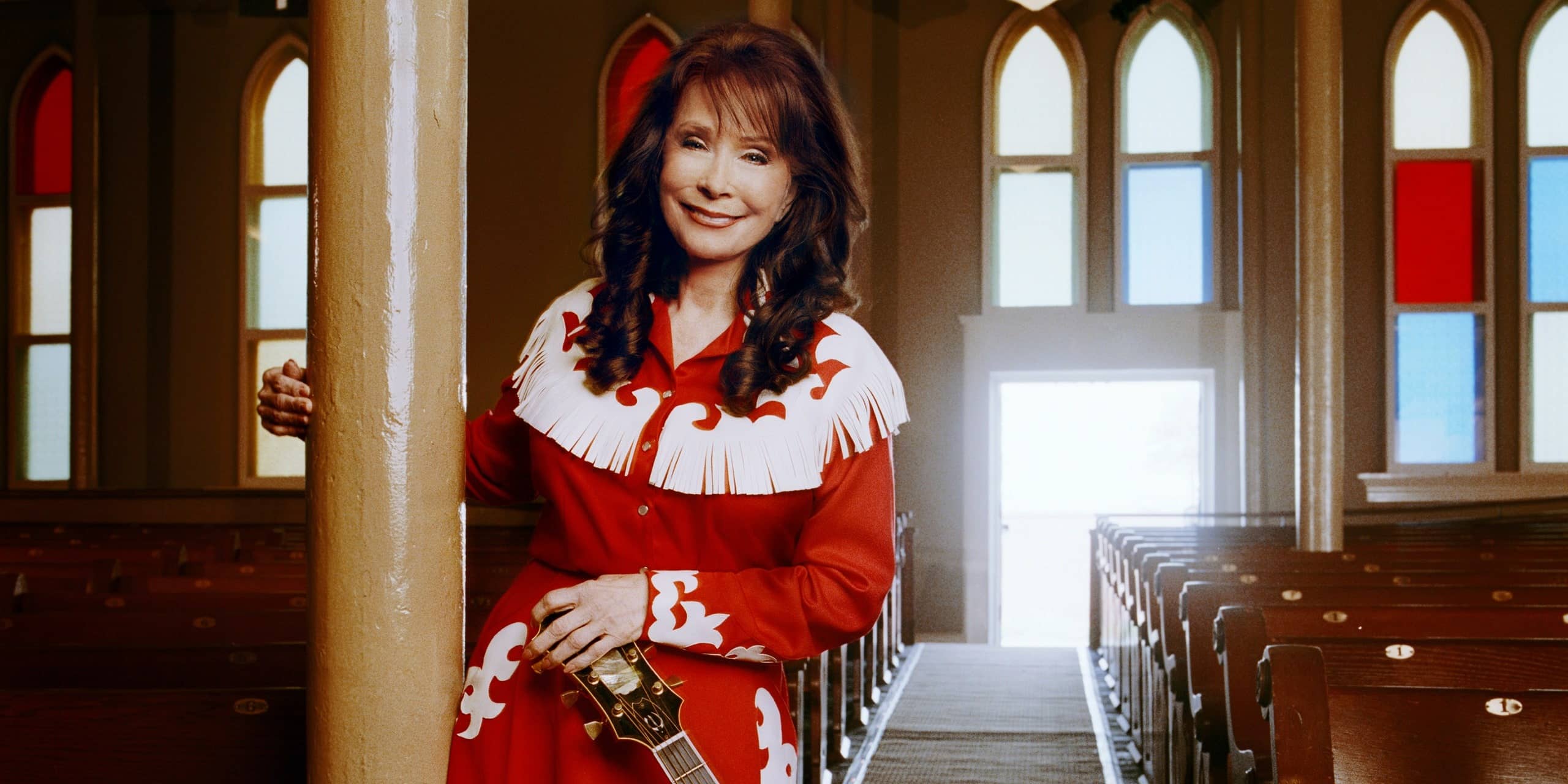
Loretta Lynn, born on April 14, 1932, in Butcher Hollow, Kentucky, is an iconic American country singer-songwriter often hailed as the “Queen of Country Music.” Rising from humble beginnings, Lynn’s compelling voice and authentic storytelling made her a trailblazer in a male-dominated industry. Her music often delves into the challenges of rural life, womanhood, and social issues.
Lynn’s breakthrough came with her 1960s hit “Coal Miner’s Daughter,” an autobiographical anthem that resonated with audiences. Her distinctive voice, characterized by its twang and emotional depth, became a signature element of her music. She achieved numerous chart-topping singles and albums throughout her career, contributing to the evolution of country music.
A fearless songwriter, Lynn tackled taboo subjects like female empowerment and birth control in hits such as “The Pill” and “Rated ‘X’.” Her unapologetic approach to storytelling and her ability to connect with listeners earned her multiple Grammy Awards and a place in the Country Music Hall of Fame.
Beyond her musical accomplishments, Loretta Lynn is celebrated for breaking barriers for female artists in the country genre. Her enduring influence and timeless contributions to country music continue to inspire generations of musicians and fans alike.
1. “Coal Miner’s Daughter”
“Coal Miner’s Daughter” is a classic country song written and performed by Loretta Lynn. Released in 1970 as the title track of her album, the song became one of Lynn’s most iconic and signature tunes. The autobiographical nature of the song adds a layer of authenticity to its storytelling.
The lyrics of “Coal Miner’s Daughter” recount Lynn’s humble beginnings, growing up in Butcher Hollow, Kentucky, in a cabin without electricity. The narrative follows her journey from a childhood marked by poverty to becoming a country music star. Lynn reflects on her roots, family, and the hardworking lifestyle of her coal miner father.
The song’s chorus features the poignant lines, “Well, a lot of things have changed since the way back then / And it’s so good to be back home again / Not much left but the floor, nothing lives here anymore / Except the memory of a coal miner’s daughter.”
Loretta Lynn’s soulful vocals and the song’s traditional country instrumentation contribute to its timeless appeal. “Coal Miner’s Daughter” not only became a chart-topping hit for Lynn but also inspired the title of her autobiography and a subsequent biographical film. The song is celebrated as a classic in country music, showcasing Lynn’s storytelling prowess and her ability to connect with listeners through personal and relatable narratives.
2. “Fist City”
“Fist City” is a classic country song by Loretta Lynn, released in 1968. Known for its feisty and assertive lyrics, the song became one of Lynn’s signature tunes, showcasing her bold and unapologetic approach to songwriting.
In “Fist City,” Lynn addresses a woman who she perceives as showing romantic interest in her husband. The lyrics deliver a clear message of warning and assertiveness, with Lynn stating, “You’ve been makin’ your brags around town / That you’ve been a-lovin’ my man.”
The chorus features the iconic lines, “You better close your face and stay out of my way / If you don’t wanna go to Fist City.” The term “Fist City” metaphorically refers to a place where physical confrontations might occur, emphasizing Lynn’s willingness to defend her marriage.
The song’s upbeat tempo, twangy guitar, and Lynn’s spirited vocal delivery contribute to its memorable and catchy nature. “Fist City” became a hit for Lynn, reaching the top of the country charts, and it remains a classic example of her ability to blend traditional country themes with a bold and assertive attitude.
Loretta Lynn’s influence in country music is significant, and “Fist City” stands as a testament to her role as a trailblazer for female artists in the genre.
3. “You Ain’t Woman Enough (To Take My Man)”
“You Ain’t Woman Enough (To Take My Man)” is a classic country song by Loretta Lynn. Released in 1966, the song became one of Lynn’s signature hits and a cornerstone of her extensive and influential career in country music.
The lyrics of “You Ain’t Woman Enough” address themes of love, rivalry, and feminine strength. In the song, Loretta Lynn asserts her confidence and warns another woman that she won’t be able to steal her man. The lyrics convey a sense of assertiveness and pride, showcasing Lynn’s ability to address personal experiences and relationships in her music.
Musically, the song is rooted in traditional country sounds, featuring prominent twangy guitars and Lynn’s distinctive vocals. Lynn’s emotive delivery and the catchy chorus contributed to the song’s success on country music charts.
“You Ain’t Woman Enough (To Take My Man)” became one of Loretta Lynn’s biggest hits, reaching the top of the country charts and solidifying her status as a leading figure in the genre. The song’s empowering message and Lynn’s authentic storytelling have made it a timeless classic within the country music canon.
4. “Don’t Come Home A-Drinkin’ (With Lovin’ on Your Mind)”
“Don’t Come Home A-Drinkin’ (With Lovin’ on Your Mind)” is a classic country song by Loretta Lynn. Released in 1966 as the title track of her album, the song became one of her signature hits. Written by Loretta Lynn herself along with her sister Peggy Sue Wright, the song reflects Lynn’s straightforward and assertive approach to country music.
The lyrics of the song convey a clear message to a partner who has been out drinking and is now seeking affection. Loretta Lynn, in no uncertain terms, warns against bringing love home when influenced by alcohol. The narrative explores themes of independence, self-respect, and the challenges faced by women in relationships.
Musically, “Don’t Come Home A-Drinkin'” features a traditional country arrangement with twangy guitars and a lively tempo. Lynn’s vocals, marked by her distinctive twang and emotive delivery, bring the lyrics to life, adding authenticity to the song.
The track was a major success for Loretta Lynn, reaching the top of the country charts. Its relatable themes and Lynn’s candid expression of the challenges faced by women in relationships resonated with audiences, making it one of her enduring hits and contributing to her reputation as a trailblazer in country music.
5. “Rated ‘X’”
“Rated ‘X'” is a song by Loretta Lynn, released in 1972. The song, written by Loretta Lynn herself, addresses the societal judgment and stigmatization of divorced women during that era. Lynn, known for her honest and forthright songwriting, often tackled issues affecting women in her music.
In “Rated ‘X’,” Lynn empathizes with women who face condemnation and discrimination after going through a divorce. The lyrics reflect on the challenges and judgments faced by these women, emphasizing that society often “rates” and ostracizes them as if they were movies deemed inappropriate for certain audiences.
The chorus contains the poignant lines, “And if you’re rated X, you’re some kind of goal / You can bet your life I’d rather fall in hell / You see rated X, is what they say I am / And if that’s your opinion, well, honey, that’s okay ’cause X is rated for an extra good woman.”
The song’s honky-tonk style, coupled with Lynn’s assertive delivery, captures the spirit of traditional country music. “Rated ‘X'” not only resonated with audiences for its musical qualities but also for its social commentary, shedding light on issues of gender and morality prevalent at the time. The song remains a notable example of Loretta Lynn using her platform to address and challenge societal norms.
6. “The Pill”
“The Pill” is a bold and controversial country song by Loretta Lynn, released in 1975. Written by Lorene Allen, Don McHan, and T.D. Bayless, the song became one of Lynn’s most controversial hits due to its subject matter, addressing the topic of birth control.
In “The Pill,” Lynn narrates the story of a woman who, tired of having numerous children and the strains of motherhood, decides to take birth control pills. The lyrics vividly portray the newfound freedom and control the woman experiences over her own reproductive choices. Lynn sings about the positive impact of the birth control pill on the woman’s life, allowing her to pursue her own desires and interests.
The song was considered provocative and groundbreaking for its time, challenging societal norms and sparking discussions about women’s reproductive rights. Some radio stations initially refused to play “The Pill” due to its controversial content, but it went on to become one of Lynn’s notable hits.
Despite the initial pushback, “The Pill” is celebrated as a pioneering country song that addressed women’s issues and sparked conversations about reproductive rights in the 1970s. Loretta Lynn’s willingness to tackle such controversial topics in her music further solidifies her legacy as a trailblazer in country music.
7. “One’s on the Way”
“One’s on the Way” is a classic country song by Loretta Lynn, released in 1971. Written by poet and songwriter Shel Silverstein, the song humorously reflects on the challenges and experiences of motherhood and family life.
The lyrics of “One’s on the Way” depict the hectic and sometimes chaotic nature of raising a family. Loretta Lynn narrates the story of a woman observing her domestic responsibilities, contrasting the glamorous lifestyle portrayed in the media with the everyday realities of being a mother. The song humorously captures the essence of balancing a household while navigating societal expectations.
Musically, the song features Lynn’s distinct country vocals and is accompanied by a traditional country arrangement, incorporating fiddles and guitars. Lynn’s straightforward delivery and the clever lyricism of Shel Silverstein contribute to the song’s charm.
“One’s on the Way” became a major hit for Loretta Lynn, reaching the top of the country charts. Its witty and relatable narrative resonated with audiences, making it one of Lynn’s well-loved and enduring songs. The track remains a testament to Lynn’s ability to connect with listeners through her authentic storytelling in the realm of classic country music.
8. “Blue Kentucky Girl”
“Blue Kentucky Girl” is a country song performed by Loretta Lynn. It was written by Johnny Mullins and was the title track of Lynn’s 1965 album. The song is a poignant portrayal of heartbreak and the longing for a lost love, with the “Blue Kentucky Girl” serving as a metaphor for someone who is feeling downhearted.
In the lyrics, Loretta Lynn expresses the sorrow and loneliness of a woman who is left behind by her lover. The blue color signifies sadness, and the mention of Kentucky adds a geographical and emotional context to the narrative. Lynn’s emotive vocals bring out the depth of the lyrics, capturing the pain and emotional turmoil of unrequited love.
Musically, “Blue Kentucky Girl” features a classic country arrangement with acoustic guitars and pedal steel, showcasing the traditional sound that Loretta Lynn is known for. The song beautifully blends Lynn’s expressive vocals with the melancholic instrumentation, creating a timeless country ballad.
“Blue Kentucky Girl” is considered one of Loretta Lynn’s classic songs, showcasing her ability to convey genuine emotion through her music. The track has become a staple in Lynn’s discography and is appreciated for its authenticity and the emotional resonance of its themes.
9. “Dear Uncle Sam”
“Dear Uncle Sam” is a poignant and emotional song by Loretta Lynn, released in 1966. Written by Lynn herself, the song addresses the pain and heartache experienced by a young woman whose husband is drafted to serve in the Vietnam War.
In “Dear Uncle Sam,” Lynn takes on the persona of the woman writing a letter to her husband’s uncle, expressing her deep concern and sorrow over his deployment. The lyrics vividly capture the emotional toll and the sense of longing as the woman pleads with Uncle Sam to bring her husband back safely, singing lines like “Dear Uncle Sam, I just got your telegram / And I can’t believe that this is me / The same girl that used to be your pride and joy.”
The song touches on the personal struggles faced by families during times of war, highlighting the human side of the soldiers and their loved ones left behind. Lynn’s emotive delivery and the relatable narrative contributed to the song’s impact.
“Dear Uncle Sam” became one of Loretta Lynn’s notable songs, resonating with audiences and showcasing her ability to address real-life issues through her music. The song reflects the broader cultural and social context of the 1960s, where the Vietnam War was a central and divisive issue.
10. “Out of My Head and Back in My Bed”
“Out of My Head and Back in My Bed” is a country song by Loretta Lynn, released in 1978. Written by Tania Tucker, the song is a classic honky-tonk tune that encapsulates the themes of love, heartache, and the ups and downs of relationships.
In the lyrics, Loretta Lynn reflects on the challenges of love and the emotional rollercoaster of being in a turbulent relationship. The title, “Out of My Head and Back in My Bed,” suggests the cyclical nature of the narrator’s feelings, as they navigate the complexities of a romantic entanglement.
Musically, the song features a traditional country arrangement with twangy guitars and a lively tempo. Lynn’s distinctive vocals, marked by her Kentucky twang and emotive delivery, bring the lyrics to life, conveying the passion and frustration inherent in the narrative.
“Out of My Head and Back in My Bed” is a testament to Loretta Lynn’s ability to capture the essence of real-life experiences in her music. The song reflects the honky-tonk and traditional country influences that have been a hallmark of Lynn’s extensive career, making her a revered figure in the country music genre.

Edward Tomlin is a frequent contributor to Singers Room. Since 2005, Singersroom has been the voice of R&B around the world. Connect with us via social media below.









