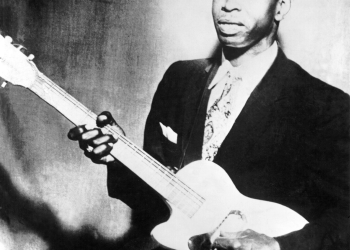
Few voices in soul music history carried the emotional power and pure humanity of Otis Redding. Whether he was delivering heartbreaking ballads or explosive rhythm and blues anthems, Redding sang with a level of passion that could stop listeners in their tracks. His music blended Southern grit, gospel fire, and deep emotional honesty into songs that continue to resonate decades after they were recorded. From the raw energy of the Stax Records era to the timeless vulnerability of his most beloved ballads, Otis Redding created records that felt alive with feeling. Every performance sounded personal, spontaneous, and completely sincere. The songs collected here showcase the incredible range of an artist who could roar with confidence one moment and sound utterly fragile the next, proving why Otis Redding remains one of the greatest soul singers ever recorded.
1. Sittin’ On The Dock Of The Bay
“Sittin’ On The Dock Of The Bay” stands as Otis Redding’s most famous recording, not only because of its chart success, but because it captures a side of him that feels unusually still, reflective, and beautifully weary. Known for gospel charged vocal eruptions and sweat soaked soul performances, Redding sounds here like a man watching the world move while his own heart tries to understand its place in it. The song’s gentle rhythm, wistful melody, and famous whistled ending create an atmosphere unlike anything else in his catalog. It feels like sunrise over water, quiet enough for memory, regret, and hope to share the same space.
What makes the performance unforgettable is how relaxed it sounds without losing emotional weight. Redding does not oversing. He lets the words breathe, shaping them with a conversational grace that reveals enormous control. The song became a posthumous classic, deepening its emotional power because listeners heard in it both artistic growth and heartbreaking finality. “Sittin’ On The Dock Of The Bay” is not just a soul standard. It is a meditation on loneliness, movement, and acceptance, delivered by a voice that could make even silence feel musical. Few recordings in popular music feel so simple on the surface and so profound underneath.
2. Try A Little Tenderness
“Try A Little Tenderness” is the definitive showcase for Otis Redding’s ability to build a song from intimate confession into full blown soul ecstasy. The performance begins with remarkable gentleness, almost as though Redding is leaning close to offer private advice. His voice is warm, patient, and compassionate, giving the opening lines a sense of lived wisdom. Then, gradually, the song starts to rise. The tempo tightens, the band pushes harder, the horns begin to flare, and Redding turns tenderness itself into something urgent, physical, and electrifying.
The genius of this recording lies in its escalation. Redding understands drama in a way few singers ever have. He does not rush toward the climax. He earns it phrase by phrase, letting emotion gather until the final stretch feels almost impossible to contain. By the end, he is pleading, shouting, testifying, and commanding all at once. “Try A Little Tenderness” had existed before Otis Redding, but his version became the one that defined its soul identity. He transformed a graceful standard into a gospel drenched explosion of feeling. The song remains one of his most beloved performances because it reveals every major part of his artistry: restraint, warmth, timing, fire, and that unmistakable ability to make a listener feel personally addressed.
3. I’ve Been Loving You Too Long
“I’ve Been Loving You Too Long” is one of Otis Redding’s deepest ballads, a slow soul masterpiece built around emotional dependence, exhaustion, and devotion that refuses to die. The song is devastating because it does not present love as easy romance. Instead, it presents love as something that has taken root so deeply that escape feels impossible. Redding’s vocal performance is astonishing in its patience. He stretches phrases with aching precision, letting the listener hear every hesitation, every plea, and every trace of hurt inside the melody.
The arrangement gives him exactly the space he needs. The band moves with restraint, allowing the voice to dominate without forcing the drama. Redding turns the line between strength and vulnerability into the emotional center of the song. He sounds wounded, but never weak. He sounds desperate, but never theatrical in a cheap way. The performance has the gravity of someone speaking the truth because there is nothing left to hide. “I’ve Been Loving You Too Long” became one of his signature songs because it captures the soul ballad at its most human. It is not just about wanting someone back. It is about realizing that love has become part of your identity, even when that love is causing pain. Redding makes that realization sound both beautiful and unbearable.
4. These Arms Of Mine
“These Arms Of Mine” introduced Otis Redding to many listeners as a ballad singer of extraordinary emotional directness. The song is tender, uncluttered, and almost startling in its sincerity. At a time when soul music could be polished, flashy, or dance driven, this recording arrived with the quiet force of a private confession. Redding sings as though the words are being discovered in real time. His phrasing has a shy ache to it, but underneath that vulnerability is tremendous vocal command. Every note feels placed by instinct rather than calculation.
The beauty of “These Arms Of Mine” lies in its simplicity. The lyric is built around longing for closeness, yet Redding makes the feeling enormous without adding unnecessary decoration. His voice carries the loneliness of empty rooms, late nights, and love imagined before it is fulfilled. The backing musicians stay understated, giving the performance a soft glow that allows the vocal to remain the centerpiece. This song became a cornerstone of his career because it revealed what made him different from so many powerful singers. Otis Redding did not need to shout to command attention. He could sing quietly and still sound overwhelming. “These Arms Of Mine” remains one of his most cherished recordings because it captures the beginning of a legend in a moment of pure, openhearted soul.
5. Hard To Handle
“Hard To Handle” is Otis Redding at his most swaggering, playful, and rhythmically explosive. The song bursts with confidence from the start, presenting Redding not as a wounded balladeer, but as a charismatic soul powerhouse fully aware of his magnetism. His vocal is full of grit, bounce, and teasing authority. He does not merely sing the lyrics. He sells the attitude behind them, turning every line into a display of personality. The groove is lean and sharp, powered by crisp horns and a rhythm section that understands how to make restraint feel funky.
What makes “Hard To Handle” so durable is its perfect balance of toughness and charm. Redding sounds bold without becoming cartoonish, flirtatious without losing musical focus. The performance has a physical quality, as if every phrase arrives with a shoulder roll and a grin. Later rock versions brought the song to new audiences, but the original retains a special snap that belongs completely to Southern soul. It is less heavy than many later interpretations and far more agile. Redding’s phrasing dances around the beat, showing how deeply he understood rhythm as a vocal tool. “Hard To Handle” remains one of his most popular songs because it captures the joy of confidence itself, wrapped in a groove that still feels fresh, stylish, and impossible to ignore.
6. Respect
“Respect” is one of the most important songs associated with Otis Redding, even though Aretha Franklin would later transform it into a cultural anthem with a completely different force. Redding’s original version has its own fascinating identity. It is brisk, gritty, and unmistakably rooted in the masculine language of mid sixties Southern soul. His performance is urgent and demanding, driven by a tight rhythm and a vocal that sounds both frustrated and proud. He sings like a man who has been working, giving, and waiting for recognition when he comes home.
The power of Otis Redding’s “Respect” comes from its raw construction. The groove is compact, the horns punch with purpose, and Redding’s voice rides the arrangement with commanding grit. He does not approach the song as polished pop. He treats it as a direct emotional transaction, a plea and a demand wrapped into one. Hearing his version is essential because it shows the song before its later reinvention, still carrying the earthy Stax energy that made Redding such a formidable writer and performer. The track also proves how strong his material could be in the hands of others. Great songwriting can survive transformation, and “Respect” is a perfect example. In Redding’s voice, it remains a muscular soul statement about pride, effort, and the hunger to be valued.
7. I Can’t Turn You Loose
“I Can’t Turn You Loose” is pure Otis Redding adrenaline, a song built for motion, stage heat, and communal excitement. From its opening burst, the track feels like a soul revue kicking into high gear. The rhythm section drives hard, the horns fire in bright bursts, and Redding attacks the vocal with the kind of exuberance that made his live shows legendary. This is not a song of quiet reflection. It is a declaration of emotional grip, delivered with such kinetic force that romance becomes inseparable from rhythm.
The brilliance of “I Can’t Turn You Loose” is how quickly it creates atmosphere. Within seconds, the listener is placed inside a world of clapping hands, dancing feet, and unstoppable momentum. Redding’s voice has a raspy joy that turns repetition into celebration. Every return to the central phrase feels bigger because the band keeps pushing the energy forward. The song later became widely recognizable in popular culture, but its original power belongs to Redding’s unmatched command as a soul performer. He could make desire sound like a marching band, a church service, and a Saturday night party all at once. “I Can’t Turn You Loose” remains one of his great uptempo recordings because it captures his athletic vocal presence and the explosive chemistry of the Stax sound at full speed.
8. Mr Pitiful
“Mr Pitiful” turns heartbreak into something lively, clever, and irresistible. The title might suggest total misery, but Otis Redding gives the song a witty self awareness that makes it sparkle. Inspired by the way his sorrowful singing had become part of his public image, the track lets him lean into the role of the wounded soul man without sounding defeated. His vocal is full of character, mixing complaint, humor, and genuine ache in a way that only a great interpreter could manage. He sounds bruised, but also proud of how deeply he can feel.
The arrangement is classic Stax brilliance. The horns answer Redding with punchy enthusiasm, the rhythm section keeps everything tight and swinging, and the whole record moves with effortless charm. What makes “Mr Pitiful” so enjoyable is that it refuses to separate sadness from performance. Redding understood that soul music could turn personal pain into public release. The listener is invited not just to pity him, but to celebrate the emotional honesty behind the nickname. His singing has enough grit to make the sadness believable and enough bounce to keep the record joyful. “Mr Pitiful” remains one of his most popular numbers because it presents heartbreak with personality, turning a wounded reputation into a badge of soul authority.
9. Pain In My Heart
“Pain In My Heart” is one of Otis Redding’s essential early recordings, a song that helped establish his reputation as a singer capable of turning romantic suffering into unforgettable soul drama. The performance is rooted in longing, but it never feels passive. Redding sings with a restless ache, giving the impression that the pain named in the title is not abstract emotion, but something physical and persistent. His vocal tone already contains the qualities that would define his greatness: rough edges, gospel intensity, and a gift for making simple lines feel deeply personal.
The arrangement is direct and effective, built around a slow burning groove that gives the voice room to expand. Redding does not need elaborate production to make the song hit hard. He uses phrasing, breath, and emphasis to deepen the emotional impact. Every repetition of the central feeling seems to press harder against the listener. “Pain In My Heart” also reveals how closely early soul remained connected to blues language. The sorrow is direct, the structure is familiar, but Redding’s delivery makes it feel newly urgent. This song remains beloved because it captures him near the beginning of his rise, already sounding like a singer with something enormous inside him. It is raw, heartfelt, and unmistakably human, the sound of pain transformed into lasting musical identity.
10. Fa Fa Fa Fa Fa Sad Song
“Fa Fa Fa Fa Fa Sad Song” is one of Otis Redding’s most charming and distinctive recordings, a song that turns melancholy into something unexpectedly bright. The concept is wonderfully clever. Instead of drowning in sadness, Redding uses nonsense syllables as a musical language for sorrow, showing how feeling can be communicated even when ordinary words are not enough. His vocal performance is warm, playful, and deeply musical, proving that he could be emotionally rich without always sounding devastated. There is a smile inside the sadness, and that tension gives the song its special flavor.
The arrangement moves with relaxed confidence, guided by crisp horns and a groove that feels friendly rather than heavy. Redding’s phrasing is the heart of the record. He makes every repeated syllable expressive, shaping sound into mood with the ease of a natural storyteller. “Fa Fa Fa Fa Fa Sad Song” also highlights his partnership with the Stax musicians, whose clean, responsive playing gives the song its buoyant character. It is sad in theme, but generous in spirit. That is why it remains one of his most popular songs. It captures the emotional intelligence of Otis Redding, a singer who understood that sorrow could swing, humor could ache, and even the simplest vocal phrase could reveal a full world of feeling.

Samuel Moore is a frequent contributor to Singers Room. Since 2005, Singersroom has been the voice of R&B around the world. Connect with us via social media below.