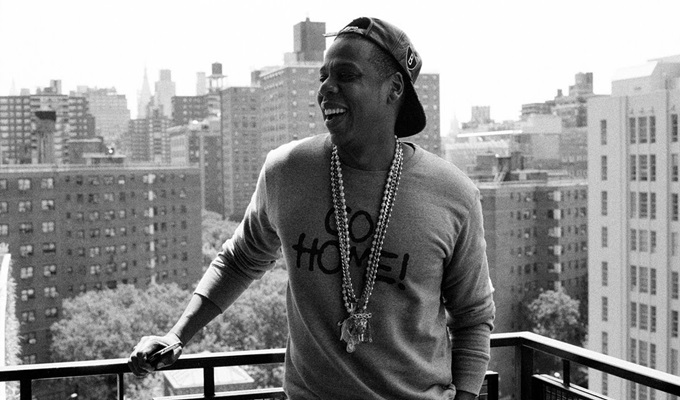
The rise of Jay Z from Brooklyn lyricist to global music and business powerhouse is often told as a story of ambition, street wisdom, and sharp lyrical ability. However, a major part of his artistic evolution has always been his deep connection to R and B music. Long before he became a cultural icon, Jay Z absorbed influence from some of the most important R and B voices of his time, shaping his flow, storytelling, and emotional range. These artists did not simply inspire him casually. They helped refine the sound, tone, and versatility that eventually defined his status as a super rapper.
One of the most significant influences on Jay Z’s artistic development is Mary J Blige. Often called the Queen of Hip Hop Soul, Blige bridged the gap between raw emotional R and B and street rooted hip hop sensibility. Her ability to express vulnerability while maintaining strength resonated deeply with Jay Z’s own storytelling style. The emotional honesty in her music encouraged him to explore more introspective themes in his lyrics, particularly when addressing relationships, struggle, and personal growth.
Another major influence comes from R. Kelly, especially during the era when R and B and hip hop collaborations were dominating the charts. R. Kelly’s songwriting structure and melodic instincts played a role in shaping the way Jay Z approached hooks and crossover appeal. Their collaborations, including hits that blended rap verses with smooth R and B choruses, demonstrated how commercial success could be achieved without sacrificing lyrical presence. This balance helped Jay Z understand how to create records that appealed to both street audiences and mainstream listeners.
A third influential figure is Usher. Usher’s polished vocal delivery and ability to transition between youthful energy and mature themes offered Jay Z a blueprint for longevity in the industry. As both artists collaborated and moved through different eras of music, Usher’s approach to evolving his sound without losing core identity likely reinforced Jay Z’s own strategy of reinvention. This adaptability became a key factor in Jay Z’s sustained relevance over decades.
The influence of Alicia Keys also played a meaningful role in shaping Jay Z’s artistic range. Their collaboration on the iconic track Empire State of Mind showcased how powerful R and B piano driven arrangements could elevate rap storytelling to an anthemic level. Keys’ classical training and soulful expression provided a musical foundation that allowed Jay Z’s lyrics to feel larger than life, transforming a city narrative into a global anthem. This partnership highlighted how R and B instrumentation could enhance rap’s emotional impact.
Finally, Beyoncé stands as both a personal and professional influence on Jay Z’s artistic transformation. Beyond their well known relationship and collaborations, Beyoncé’s mastery of conceptual albums and vocal storytelling pushed boundaries in ways that likely influenced Jay Z’s own approach to album construction. Her emphasis on visual albums, thematic cohesion, and emotional depth reinforced the idea that music could function as a complete artistic experience rather than just a collection of songs.
Together, these R and B artists contributed to shaping Jay Z into more than just a rapper. They helped him develop into a multifaceted storyteller capable of blending emotion, commercial appeal, and lyrical complexity. Through their influence, he learned how to merge raw street narratives with melodic structures, how to balance vulnerability with confidence, and how to create music that resonates across different audiences.
Jay Z’s evolution into a super rapper was not only driven by his own talent and ambition but also by his ability to absorb and reinterpret the artistry around him. The influence of these R and B icons helped expand his creative toolkit, allowing him to redefine what hip hop could sound like and how far it could reach culturally.