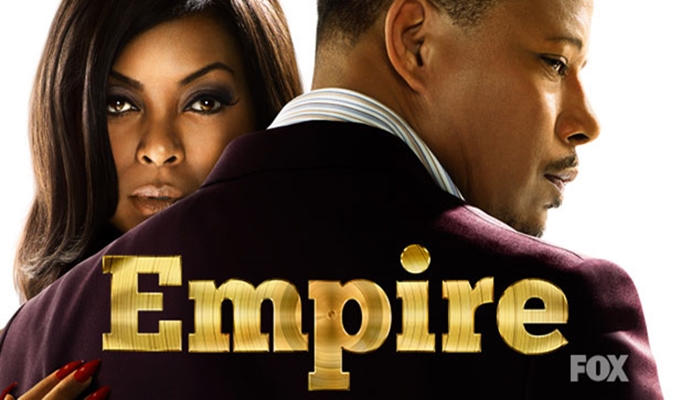
The entertainment industry has once again found itself at the intersection of television branding and music industry rights, as Fox Network has reportedly moved forward with a countersuit involving the use of the name Empire. The dispute centers on the popular television drama Empire and its relationship to a record label of the same name, raising broader questions about trademark ownership, brand identity, and the overlap between fictional media and real world businesses.
At the heart of the matter is Empire, a hit series that premiered on Fox and quickly became a cultural phenomenon. The show, which follows the power struggles of a music industry family empire, was widely praised for its dramatic storytelling, music integration, and portrayal of ambition within the entertainment business. Its success also led to the development of real music releases tied to the series, further blurring the line between fiction and actual music industry operations.
The conflict emerged when a record label operating under the name Empire raised concerns about potential confusion and alleged infringement connected to the television series branding and related music distribution activities. According to industry reports, the label argued that the use of the name in connection with music releases and promotional materials could create market confusion, particularly in digital spaces where search results and streaming platforms often merge entertainment categories.
Fox Network, however, has countered these claims by asserting that the use of the name Empire in the television context is protected as a creative and expressive title for a fictional work. The network’s legal position reportedly emphasizes that the show’s branding is tied to storytelling rather than commercial music label operations, and therefore does not directly compete with or infringe upon the record label’s business identity.
The countersuit highlights a growing legal challenge in the modern entertainment landscape, where media properties increasingly extend across multiple platforms. Television shows now frequently produce soundtracks, collaborate with real artists, and release music tied to their narratives. This convergence creates complex questions about where fictional branding ends and commercial music activity begins.
Legal experts observing the case note that trademark disputes of this nature often hinge on consumer confusion. Courts typically examine whether the average consumer would mistakenly believe that two entities are connected based on shared naming. In this case, the argument revolves around whether audiences might associate the fictional Empire brand with the real world record label, particularly in music distribution channels.
The success of Empire as a television series adds another layer of complexity. Because the show was deeply rooted in the music industry world, its branding naturally overlapped with real industry concepts. This narrative choice, while creatively effective, may have unintentionally increased the likelihood of perceived association between the fictional universe and existing businesses.
Fox Network’s countersuit appears to be a strategic legal move aimed at protecting its creative property and ensuring that the show’s continued distribution, merchandising, and soundtrack releases are not restricted by external trademark claims. The network is essentially arguing that the title Empire functions as a descriptive and thematic element of the series rather than a direct reference to any specific commercial music entity.
On the other side, the record label’s position reflects broader concerns within the music industry about brand protection in an era where entertainment franchises expand rapidly into overlapping commercial territories. With streaming platforms, digital downloads, and cross promotional content becoming standard practice, the risk of brand confusion has increased significantly.
The case also reflects how entertainment properties now operate as multi layer business ecosystems. A television series like Empire is no longer just a show. It becomes a music producer, a branding platform, and a commercial product in its own right. This evolution complicates traditional legal frameworks that were designed for more clearly separated industries.
As the legal proceedings continue, the outcome could have implications beyond this specific dispute. A ruling in favor of either party may influence how future television shows name themselves, especially those involving music industry themes. It could also impact how record labels and media companies approach naming strategies in an increasingly interconnected entertainment economy.
For now, the dispute between Fox Network and the record label over the Empire name remains unresolved, but it serves as a clear example of how storytelling, branding, and intellectual property law continue to collide in modern media. The case underscores the reality that in today’s entertainment world, even a single word can carry significant legal and commercial weight.