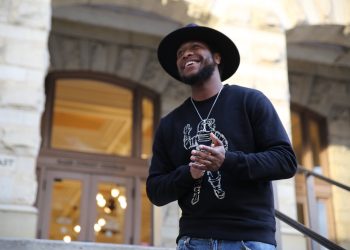
Recent entertainment industry discussions have centered on the return of Dave Chappelle to Comedy Central, marking a significant moment for both the network and the comedian’s long and complex relationship with television comedy. The development has sparked widespread interest among fans, industry analysts, and media commentators who see the return as both a cultural event and a symbolic reconciliation between one of comedy’s most influential voices and the platform that helped elevate his career.
Dave Chappelle first rose to prominence through stand up comedy and television work that showcased his sharp observational humor, fearless social commentary, and unique storytelling style. His work on Comedy Central, particularly through his groundbreaking sketch series, helped redefine sketch comedy for a new generation. The show became a cultural phenomenon, blending satire, social critique, and absurdist humor in a way that resonated with audiences across demographic lines.
After stepping away from his highly successful series at the height of its popularity, Chappelle became one of the most discussed figures in entertainment. His decision to leave television created years of speculation, analysis, and debate about artistic freedom, industry pressure, and personal boundaries in creative work. Despite his absence from mainstream television during certain periods, he remained active in stand up comedy, performing live shows that continued to draw large audiences and critical attention.
The reported return to Comedy Central suggests a renewed collaboration between Chappelle and the network that originally helped amplify his voice. While details of the arrangement have not been fully disclosed, such returns often involve stand up specials, curated comedy events, or new creative projects that allow artists to reengage with television audiences while maintaining artistic control.
Comedy Central has long been a major platform for stand up comedy and alternative humor, serving as a launching pad for many of the most influential comedians in modern entertainment. The network has historically balanced mainstream appeal with edgy, boundary pushing content, making it a natural home for performers like Chappelle who are known for challenging conventional comedic norms.
Industry observers note that Chappelle’s return carries symbolic weight beyond programming decisions. It reflects the evolving relationship between artists and media networks in an era where streaming platforms, independent distribution, and live performance circuits have expanded creative options for comedians. Returning to a traditional network setting can signal both trust in the platform and a desire to reach broad television audiences once again.
Fans have responded to the news with enthusiasm, viewing it as an opportunity to revisit the partnership that produced some of the most memorable moments in modern comedy television. Social media conversations have highlighted anticipation for new material, potential commentary on current events, and the possibility of revisiting the stylistic approach that made Chappelle’s earlier work so influential.
At the same time, the return raises questions about how comedy has evolved since Chappelle’s earlier television presence. The landscape of humor, audience expectations, and cultural sensitivity has shifted significantly, and comedians today operate in an environment shaped by rapid digital feedback and global audience reach. Chappelle’s style, known for its directness and willingness to engage with controversial topics, continues to generate discussion about the role of comedy in social discourse.
Comedy Central’s decision to reengage with Chappelle also reflects broader industry trends where networks revisit successful partnerships in order to attract established audiences. Nostalgia plays a powerful role in media consumption, and returning figures often bring both legacy appeal and renewed creative energy to programming lineups.
Ultimately, the return of Dave Chappelle to Comedy Central represents more than a programming announcement. It symbolizes the enduring influence of a comedian whose work has shaped modern stand up and television comedy. It also reflects the ongoing evolution of the entertainment industry, where past collaborations can be reimagined in new contexts, offering audiences both familiarity and fresh creative perspectives.

Since 2005, Singersroom has been the voice of R&B around the world. Connect with us via social media below.