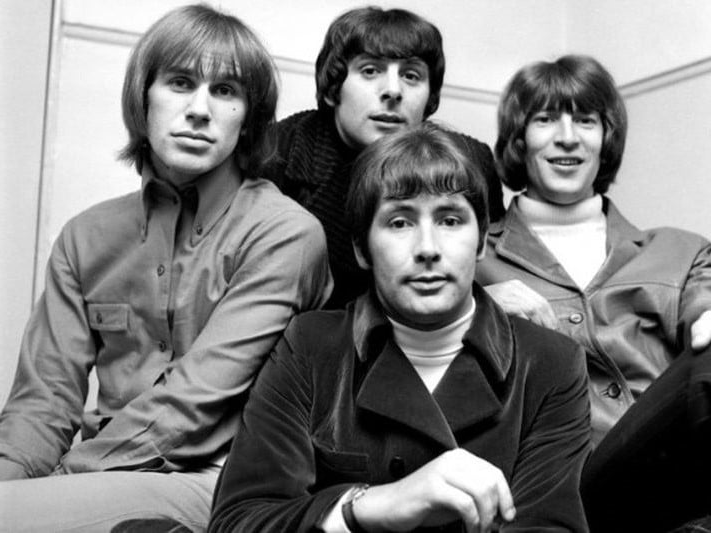
Raw, rebellious, and packed with garage rock swagger, The Troggs helped shape the rougher, wilder side of 1960s rock music with songs that sounded urgent, unpolished, and completely unforgettable. Emerging during the height of the British rock explosion, the band built its reputation on gritty guitar riffs, primal rhythms, and the unmistakable voice of Reg Presley, whose rough edged delivery gave their music a dangerous charm. While many groups of the era leaned toward polished pop sophistication, The Troggs embraced simplicity, attitude, and raw energy, creating songs that would later influence punk rock, garage rock, and countless rebellious bands that followed. Their biggest hits carried an almost primitive intensity that made them stand out on radio stations crowded with polished harmonies and psychedelic experimentation. Decades later, the band’s music still feels immediate and electrifying, proving that sometimes the most powerful rock songs are the ones driven by instinct, attitude, and pure rock and roll spirit.
1. Wild Thing
“Wild Thing” is the song that turned The Troggs into one of the most unforgettable names in 1960s rock, and its power still comes from how beautifully primitive it sounds. The riff is blunt, the rhythm is simple, and Reg Presley’s vocal feels like it was pulled straight from instinct rather than polished studio calculation. That rawness is exactly why the record became immortal. It does not try to impress with complexity. It grabs the listener by the collar and makes desire sound like the most natural force in the world.
The brilliance of “Wild Thing” lies in its directness. The lyrics are almost childlike in their simplicity, yet Presley delivers them with a rugged sensuality that gives the song danger and charisma. The famous ocarina break adds an odd twist, making the track even stranger and more memorable. It is garage rock, pop, and caveman romance all fused into one perfectly imperfect performance.
“Wild Thing” remains the ultimate Troggs anthem because it helped define a whole attitude in rock music. Countless punk, garage, and alternative bands later borrowed from its minimalism and nerve. The song proved that rock and roll did not need to be refined to be powerful. Sometimes three chords, a bold vocal, and a massive sense of attitude are enough to create a classic that never loses its bite.
2. Love Is All Around
“Love Is All Around” shows the softer, more romantic side of The Troggs, proving that the band could do much more than raw garage rock stompers. Written by Reg Presley, the song is tender, melodic, and quietly hypnotic, built around a feeling of love that seems to surround the singer completely. It trades the primal growl of “Wild Thing” for warmth and sincerity, yet it remains unmistakably Troggs because of Presley’s intimate vocal tone and the band’s unfussy approach.
The arrangement is simple but beautifully effective. Gentle acoustic textures, restrained rhythm, and sweet melodic movement give the song a graceful glow. Presley does not over sing. He sounds sincere, almost conversational, as if he is discovering the strength of the feeling while singing it. That emotional openness is one reason the song became one of the band’s most enduring works.
“Love Is All Around” remains popular because it has the durable quality of a classic love song. Its melody is easy to remember, its message is universal, and its emotional tone is free of cynicism. Later versions brought the song to new audiences, but The Troggs’ original carries a special charm. It captures a rough edged band revealing unexpected tenderness, and that contrast makes the recording especially powerful. In their catalog, it stands as the great reminder that simplicity can be just as moving in romance as it is in rock rebellion.
3. With a Girl Like You
“With a Girl Like You” is one of The Troggs’ most charming pop singles, a bright and catchy record that balances their rough garage rock identity with a sweeter melodic spirit. The song has an easy bounce that immediately separates it from the more feral energy of “Wild Thing.” Reg Presley still brings his unmistakable vocal personality, but here he sounds more boyish, playful, and romantically dazzled. The result is a song that feels light on its feet while still carrying the band’s distinctive edge.
The arrangement is crisp and direct, built around a rhythm that keeps the track moving without overwhelming the melody. Its appeal comes from how effortlessly it communicates young attraction. There is no complicated storytelling, no elaborate poetic imagery, just the excitement of being near someone who seems to change the whole atmosphere. The Troggs understood how to make simplicity feel alive, and this song is a perfect example.
“With a Girl Like You” became one of their biggest hits because it showed they could create a pop record without sanding away all their personality. It has sweetness, but not softness. It has charm, but not polish for polish’s sake. The performance retains the slightly untamed quality that made The Troggs stand apart from more carefully groomed British Invasion acts. Decades later, the song still feels fresh because it captures infatuation in its simplest, most infectious form.
4. I Can’t Control Myself
“I Can’t Control Myself” is The Troggs at their most urgent, lusty, and gloriously unrestrained. The song takes the primal energy of their early success and pushes it into a more frantic direction, with a rhythm that seems to race ahead of itself and a vocal from Reg Presley that sounds almost overwhelmed by desire. It is one of the clearest examples of the band’s role as a bridge between British beat music and the raw power of garage rock.
The track’s power comes from its nervous intensity. The guitars bite, the drums hit with restless force, and Presley sings like someone trying and failing to remain composed. That sense of barely contained energy was a major part of The Troggs’ appeal. They did not sound polite. They sounded physical. In the mid 1960s, that quality made their records feel thrilling and a little dangerous.
“I Can’t Control Myself” remains popular because it captures rock music before it became overly self conscious. The song does not hide behind sophistication. It thrives on instinct, repetition, and attitude. Its rawness later made it especially appealing to punk and garage rock fans who heard in The Troggs a kind of early blueprint for stripped down rebellion. As a performance, it is fierce, catchy, and wonderfully impatient, a reminder that The Troggs could turn simple desire into a full blast rock and roll statement.
5. Anyway That You Want Me
“Anyway That You Want Me” reveals one of The Troggs’ most emotionally vulnerable sides, turning away from their roughest instincts and leaning into romantic devotion with surprising tenderness. The song moves more slowly and openly than their most famous garage rock hits, allowing Reg Presley’s voice to carry a sense of longing that feels direct and sincere. It is a love song built on surrender, with the narrator offering himself completely to someone else’s needs and moods.
The arrangement is modest, which works in the song’s favor. Rather than surrounding the melody with excessive production, The Troggs keep the focus on the feeling. Presley’s vocal has a pleading quality, but it is not weak. It sounds human, humble, and emotionally exposed. The band’s simple support gives the track a gentle pulse, allowing the lyric to land without distraction.
“Anyway That You Want Me” remains one of the group’s most admired songs because it complicates the idea of who The Troggs were. They were often remembered for their rawness, but this song shows their ability to communicate tenderness without losing authenticity. The record has a fragile beauty that feels very different from the swagger of “Wild Thing” or the fever of “I Can’t Control Myself.” It proves that The Troggs could be moving as well as exciting, and that Reg Presley’s rough edged voice could carry deep romantic feeling when placed in the right song.
6. Night of the Long Grass
“Night of the Long Grass” is one of The Troggs’ most atmospheric records, a track that brings a darker, more mysterious mood into their catalog. The song has a strange, shadowy quality, mixing the band’s familiar directness with touches of psychedelic unease. Reg Presley’s vocal sounds tense and watchful, guiding the listener through a landscape that feels less like a straightforward pop single and more like a scene from a late night dream. It is The Troggs stepping into murkier emotional territory.
The arrangement is especially effective because it keeps the band’s raw identity intact while adding a sense of suspense. The rhythm has movement, but the song’s mood is more important than speed. There is a creeping quality to the melody and instrumentation, giving the track a distinctive flavor among the group’s better known hits. It suggests that The Troggs were not simply repeating a formula after their early success. They were capable of exploring different shades of sound while remaining true to their rough spirit.
“Night of the Long Grass” remains popular among fans because it captures the band’s ability to blend garage rock energy with 1960s psychedelic atmosphere. It is not as universally known as “Wild Thing” or “Love Is All Around,” but it has a cult appeal that makes it essential to understanding their range. The song stands as one of their most intriguing recordings, raw, moody, and full of strange magnetism.
7. Give It to Me
“Give It to Me” is a pounding Troggs rocker that captures the band’s love of blunt rhythm, gritty vocal attack, and no nonsense musical force. The song thrives on directness, using repetition and drive to create a sense of urgency that feels unmistakably connected to the garage rock spirit of the 1960s. Reg Presley delivers the vocal with his usual rough charisma, sounding less like a polished pop singer and more like a frontman pushing straight through the speakers. That unvarnished presence is the heart of the record.
The track’s appeal comes from how physical it feels. The guitars and drums create a hard, simple foundation, while Presley’s voice gives the song its attitude. There is little interest here in decorative complexity. The band locks onto the groove and rides it with confidence. That approach became one of The Troggs’ defining strengths. They understood that a song could be powerful because of what it left out as much as what it included.
“Give It to Me” remains a fan favorite because it displays the raw side of the band in full color. It has the toughness that later punk listeners would admire, but it also carries the catchy economy of a 1960s single. The song feels urgent without becoming chaotic, simple without becoming empty. It is a reminder that The Troggs were masters of elemental rock energy, able to turn a direct phrase and a driving beat into something loud, memorable, and alive.
8. From Home
“From Home” is one of The Troggs’ early standout tracks, a song that captures the band before their image had fully hardened into primal garage rock legend. It carries the sharp beat group energy of the mid 1960s while still hinting at the raw personality that would soon make them famous. Reg Presley’s voice gives the song an immediate identity, with a roughness that cuts through the cleaner pop instincts of the era. Even when the arrangement feels relatively tidy, his delivery keeps the record grounded in attitude.
The song has a direct melodic charm, but its appeal also comes from its sense of impatience. The band plays with a compact drive, wasting little time and keeping the focus on rhythm and vocal presence. It reflects a moment when British rock groups were absorbing American rhythm and blues, beat music, and emerging garage sounds, then reshaping them into something tougher and more local.
“From Home” remains important because it helps explain the foundation of The Troggs’ sound. Before “Wild Thing” made them icons of primitive rock, they were already developing a style that favored impact over finesse. The song may not have the mythic status of their biggest hits, but it has historical and musical value for anyone tracing their evolution. It is catchy, rough edged, and full of early promise, a record that shows The Troggs finding their voice before fully unleashing it.
9. Hi Hi Hazel
“Hi Hi Hazel” shows The Troggs working in a brighter, more playful mode, delivering a song that leans into catchy pop appeal while still carrying their unmistakable rough charm. The track has a lively spirit, driven by a memorable title phrase and a vocal performance from Reg Presley that gives the song personality beyond its simple structure. It is one of those records where the band’s looseness becomes part of the fun, making the performance feel spontaneous and approachable.
Unlike the heavier stomp of “Wild Thing” or the urgency of “I Can’t Control Myself,” this song reveals the group’s lighter touch. The melody is easy to latch onto, and the rhythm moves with a cheerful swing. Presley’s voice keeps the track from becoming too polished. His delivery adds texture, humor, and a bit of scruffy charm, reminding listeners that The Troggs were never trying to sound like flawless pop craftsmen.
“Hi Hi Hazel” remains a notable part of their catalog because it broadens the picture of the band. They were not only makers of primal rock anthems. They could also deliver concise, catchy singles that captured the playful side of 1960s British pop. The song’s appeal lies in its simplicity and character. It feels like a quick burst of personality, the kind of record that may not aim for grandeur but still leaves a lasting smile.
10. Our Love Will Still Be There
“Our Love Will Still Be There” is one of The Troggs’ most affecting deep favorites, a song that combines romantic devotion with the band’s natural simplicity and emotional directness. It does not have the explosive fame of “Wild Thing” or the universal recognition of “Love Is All Around,” but it captures a side of The Troggs that deserves attention. Reg Presley sings with a sincerity that feels unpolished in the best possible way, giving the song a tender, almost fragile quality. The roughness of his voice makes the promise at the center of the song feel more believable.
The arrangement is straightforward, allowing the melody and sentiment to take the lead. There is no grand orchestral sweep, no excessive drama, and no attempt to dress the song in unnecessary sophistication. Instead, The Troggs let the emotional idea speak plainly. That honesty is part of why the track continues to appeal to listeners who explore beyond the band’s major hits.
“Our Love Will Still Be There” shows that The Troggs could create romance without abandoning their identity. The song feels heartfelt, modest, and real, carrying the charm of a band that often sounded most powerful when it avoided overthinking. It remains an important song because it proves that their catalog contained more emotional range than their reputation sometimes suggests. In its quiet way, it is one of their most genuine performances.

Samuel Moore is a frequent contributor to Singers Room. Since 2005, Singersroom has been the voice of R&B around the world. Connect with us via social media below.