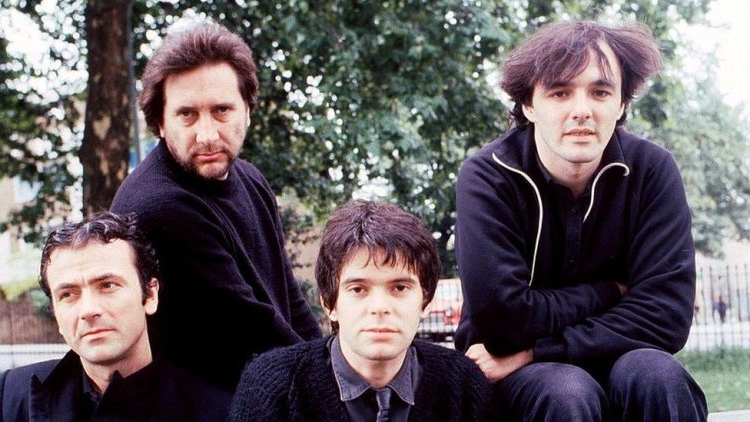
Dark, stylish, unpredictable, and fiercely original, The Stranglers carved out a unique place in British rock history by blending punk aggression with art rock sophistication, brooding atmosphere, and unforgettable melodies. Emerging during the explosive late 1970s punk movement, the band quickly separated themselves from their peers through muscular bass lines, sinister keyboards, sharp lyrical wit, and a sound that could shift from raw menace to haunting beauty within the same song. Whether delivering snarling punk energy, hypnotic new wave grooves, or emotionally charged ballads, The Stranglers always sounded unmistakably themselves. Songs filled with tension, intelligence, sarcasm, and dark romance became their trademark, helping them build one of the most distinctive catalogs of the era. Decades later, their greatest recordings still feel powerful because they combine attitude, musical ambition, and emotional depth with a fearless willingness to sound different from everyone around them.
1. Golden Brown
Golden Brown is the song that revealed The Stranglers at their most elegant, mysterious, and musically unexpected. Known for their dark punk energy and aggressive early sound, the band shocked many listeners by creating a track built around harpsichord textures, a waltz like pulse, and a melody that feels both ancient and strangely modern. Dave Greenfield’s keyboard work gives the song its unmistakable character, creating a hypnotic pattern that seems to shimmer in amber light. Hugh Cornwell’s vocal is cool, detached, and seductive, allowing the lyric to remain open to multiple meanings while the music casts its own spell.
The brilliance of Golden Brown lies in how completely it defies easy classification. It is not punk in the obvious sense, yet it carries the same rebellious spirit because it refuses to behave like a conventional pop song. The rhythm shifts with subtle oddness, creating a floating sensation that makes the track feel dreamlike and slightly disorienting. Jean Jacques Burnel and Jet Black provide a restrained foundation, proving the band could be powerful without volume or speed. The song became their most widely recognized classic because it transformed strangeness into beauty. Golden Brown remains unforgettable because it captures The Stranglers’ gift for contradiction: dark yet graceful, accessible yet unusual, delicate yet quietly dangerous.
2. No More Heroes
No More Heroes is one of The Stranglers’ fiercest early statements, a snarling anthem that captures the disillusionment, sarcasm, and restless force of late 1970s British punk. The song attacks the idea of heroic figures with a mixture of wit and aggression, asking what happens when icons fail, ideals collapse, and the culture is left staring at its own emptiness. Hugh Cornwell’s vocal is sharp and confrontational, delivering the lines with a sneer that feels both theatrical and genuinely bitter. The chorus is simple, brutal, and instantly memorable, which is exactly why it became one of the band’s defining moments.
No More Heroes works because it combines punk urgency with musical intelligence. Jean Jacques Burnel’s bass is thick and aggressive, driving the track with a physical punch that gives the song much of its menace. Dave Greenfield’s keyboards add a strange, almost carnival like edge, separating The Stranglers from more guitar centered punk bands of the era. Jet Black’s drumming keeps the song tight, fast, and disciplined. The result is a track that sounds angry but never sloppy. Its popularity endures because the message still feels relevant: public heroes can become hollow, historical myths can fall apart, and people are often left searching for meaning in the wreckage. No More Heroes remains a classic because it channels cynicism into a rock song that is impossible to forget.
3. Peaches
Peaches is one of The Stranglers’ most infamous and instantly recognizable early songs, powered by a bass line that feels almost impossible to separate from the band’s identity. Jean Jacques Burnel’s playing is the track’s engine, thick, predatory, and hypnotic, giving the song a swaggering low end that still sounds enormous. Hugh Cornwell’s vocal is dry, sardonic, and deliberately provocative, matching the track’s sun drenched yet seedy atmosphere. The song walks a fine line between humor, voyeurism, social discomfort, and punk era provocation, which is part of why it became so widely discussed.
The musical construction of Peaches is far more sophisticated than its blunt surface might suggest. The groove draws from reggae and rock, but The Stranglers twist it into something darker and more British, replacing easy warmth with tension and sarcasm. Dave Greenfield’s keyboards add color and unease, while Jet Black’s drumming keeps the track steady and ominously relaxed. It is not fast, but it has tremendous presence. The song became a major hit because it sounded unlike almost anything else on the radio: sleazy, funny, abrasive, and strangely catchy. Peaches remains one of their most popular songs because it captures the band’s early willingness to unsettle listeners while still delivering undeniable musical force. It is rude, memorable, and built around one of the great bass grooves of its era.
4. Always the Sun
Always the Sun shows The Stranglers in a more polished and reflective mood, proving that the band’s dark intelligence could thrive within a smoother new wave setting. Released during their later 1980s period, the song has a broad melodic quality that made it one of their most enduring radio favorites. Hugh Cornwell’s vocal carries a thoughtful restraint, asking questions about power, fate, injustice, and human helplessness without turning the track into a heavy protest piece. Instead, the song moves with a calm, almost resigned beauty.
The appeal of Always the Sun lies in its contrast between warmth and unease. The melody feels bright and open, yet the lyric looks at a world where control often belongs to distant forces. Dave Greenfield’s keyboards add atmosphere and shimmer, giving the song a spacious quality that separates it from the band’s rawer early work. The rhythm section is controlled and steady, letting the chorus expand with graceful force. What makes the song especially effective is that it does not abandon The Stranglers’ edge. The surface may be smoother, but the mind behind it remains skeptical and questioning. Always the Sun remains popular because it captures a mature version of the band: melodic, reflective, and still quietly subversive. It is a song about uncertainty that somehow feels comforting, a rare balance The Stranglers handle with remarkable skill.
5. Skin Deep
Skin Deep is one of The Stranglers’ most graceful and accessible 1980s songs, a sleek pop rock track that warns about appearances, false charm, and emotional deception. The song has a polished surface, but beneath that smooth exterior lies the band’s familiar suspicion of human motives. Hugh Cornwell sings with cool authority, delivering the lyric as both advice and warning. His voice does not rage here. It observes, measures, and quietly exposes. That restraint gives the song a sophisticated tension, as if danger is hidden beneath immaculate manners.
Skin Deep works because it demonstrates how successfully The Stranglers could evolve beyond the raw aggression of their punk era while keeping their personality intact. The arrangement is clean and melodic, with Dave Greenfield’s keyboards providing a glossy yet slightly eerie atmosphere. Jean Jacques Burnel’s bass is less openly brutal than on earlier records, but it still gives the song weight and shape. Jet Black’s drumming supports the groove with understated precision. The chorus is one of the band’s most memorable, easy to sing yet edged with mistrust. The track became a major favorite because it balanced radio friendly craftsmanship with the band’s darker worldview. Skin Deep remains compelling because it understands that danger is not always loud or obvious. Sometimes it arrives smiling, polished, and charming, which makes the song’s warning feel timeless.
6. Strange Little Girl
Strange Little Girl is one of The Stranglers’ most haunting melodic pieces, a song that moves away from brute force and into a more atmospheric kind of unease. The track tells of innocence, disillusionment, and the pull of the city with a sadness that feels unusually tender for a band often associated with menace and sarcasm. Hugh Cornwell’s vocal is measured and evocative, presenting the central figure with distance but also sympathy. The result is a song that feels like a shadowed character study rather than a simple pop single.
The beauty of Strange Little Girl comes from its restraint and mood. Dave Greenfield’s keyboards give the arrangement a melancholy glow, while the guitars and rhythm section support the song without overwhelming its delicate tension. The melody is memorable, but it carries a chill beneath the surface, as though the listener is watching someone move toward experience, danger, and disappointment. The Stranglers had originally written the song years earlier, yet its later release fit perfectly with their more refined early 1980s sound. It became one of their notable hits because it showed a different side of the band, one capable of empathy, atmosphere, and melodic elegance. Strange Little Girl remains a favorite because it captures the sadness of growing up too quickly and the strange magnetism of a world that promises freedom while quietly taking something away.
7. Walk On By
Walk On By is one of The Stranglers’ most remarkable reinterpretations, taking the famous Burt Bacharach and Hal David classic and transforming it into something darker, longer, and far more menacing. Where earlier versions leaned into elegant heartbreak, The Stranglers turned the song into a brooding post punk journey filled with tension, groove, and instrumental ambition. Hugh Cornwell’s vocal is cool and wounded, but he avoids smooth soul polish. Instead, he sounds detached, almost numb, which gives the lyric a different kind of pain.
Walk On By became a standout because it proved The Stranglers could honor a classic while completely reshaping its emotional landscape. Jean Jacques Burnel’s bass gives the track a heavy pulse, while Dave Greenfield’s organ work stretches the arrangement into hypnotic territory. The band lets the song breathe and expand, moving beyond a standard cover into a full musical statement. Jet Black’s drumming keeps the groove steady, allowing the instrumental sections to gather force without losing control. The result is elegant and threatening at the same time. It shows the band’s deep musicianship, especially their ability to combine pop memory, soul influence, punk attitude, and progressive ambition. Walk On By remains one of their most respected songs because it reveals how fearless they were as interpreters. They did not merely perform someone else’s song. They dragged it into their own dark universe and made it live there.
8. Duchess
Duchess is one of The Stranglers’ most melodic and sharply crafted singles, a song that combines romantic fascination with the band’s unmistakable sense of irony. It has a lighter touch than some of their early punk material, yet it still carries a sly edge that keeps it from becoming straightforward pop. Hugh Cornwell’s vocal is cool and articulate, delivering the lyric with a mix of admiration, distance, and subtle mockery. The song feels elegant on the surface, but The Stranglers rarely allowed elegance to remain uncomplicated.
The charm of Duchess lies in its balance of sophistication and bite. The melody is immediately appealing, supported by bright keyboard color and a rhythm section that moves with controlled confidence. Jean Jacques Burnel’s bass gives the track depth without dominating it, while Dave Greenfield’s keyboards add the distinctive melodic signature that made the band sound so different from many of their contemporaries. The song’s polished quality helped it reach listeners who might have found the band’s harsher material too abrasive, but it still belongs unmistakably to The Stranglers. There is a sense of character, observation, and social tension running through the track. Duchess remains popular because it shows how the band could write a concise, catchy single without abandoning their intelligence or personality. It is graceful, clever, and quietly strange, exactly the kind of contradiction they handled so well.
9. Nice ‘N’ Sleazy
Nice ‘N’ Sleazy is The Stranglers in one of their most dangerous and groove heavy moods, a track that feels like it crawled out of a smoky back room with a grin and a switchblade. The song is built around a thick, rolling bass line from Jean Jacques Burnel, whose playing gives the track its swaggering sense of menace. Hugh Cornwell’s vocal is dry and detached, sounding less like a narrator and more like someone reporting from inside the decadence he describes. The result is a song full of attitude, tension, and dark humor.
Nice ‘N’ Sleazy stands out because it captures the band’s ability to make ugliness sound stylish. The arrangement has a creeping momentum, with keyboards and guitar adding texture while the rhythm section keeps the groove locked and heavy. It is not as immediately radio friendly as some of their later hits, but it has become one of their most beloved early tracks because it represents the band’s shadowy charisma so well. The Stranglers were never content to sound clean, polite, or easily marketable. They embraced discomfort, cynicism, and underground atmosphere, turning those qualities into musical identity. Nice ‘N’ Sleazy remains essential because it feels dangerous without becoming chaotic. It is controlled, sharp, and loaded with personality, a perfect example of the band’s early fusion of punk bite, bass driven groove, and artful provocation.
10. Something Better Change
Something Better Change is one of The Stranglers’ most direct and urgent early punk songs, a track that captures the frustration and impatience of a band unwilling to accept stagnation. The title itself sounds like a demand, and the performance delivers that demand with cutting force. Hugh Cornwell’s vocal is sharp and confrontational, while the band drives forward with compact aggression. The song does not waste time on decoration. It hits quickly, makes its point, and leaves behind the feeling of pressure building in a society ready to crack.
The strength of Something Better Change lies in its disciplined fury. Jean Jacques Burnel’s bass gives the song a muscular center, pushing against the guitars with the heavy presence that made The Stranglers sound more physically imposing than many of their punk peers. Dave Greenfield’s keyboards add a distinctive edge, reminding listeners that the band’s sound was never simply guitar based aggression. Jet Black’s drumming keeps everything tight and forceful. The song’s message fits perfectly within the late 1970s climate of unrest, but it still feels relevant because its frustration is broad and human. It speaks to the moment when patience runs out and polite disappointment becomes open demand. Something Better Change remains one of their most popular early songs because it captures punk energy in its most efficient form: angry, intelligent, memorable, and impossible to soften.

Edward Tomlin is a frequent contributor to Singers Room. Since 2005, Singersroom has been the voice of R&B around the world. Connect with us via social media below.