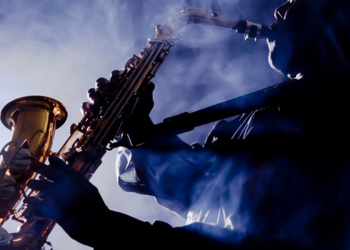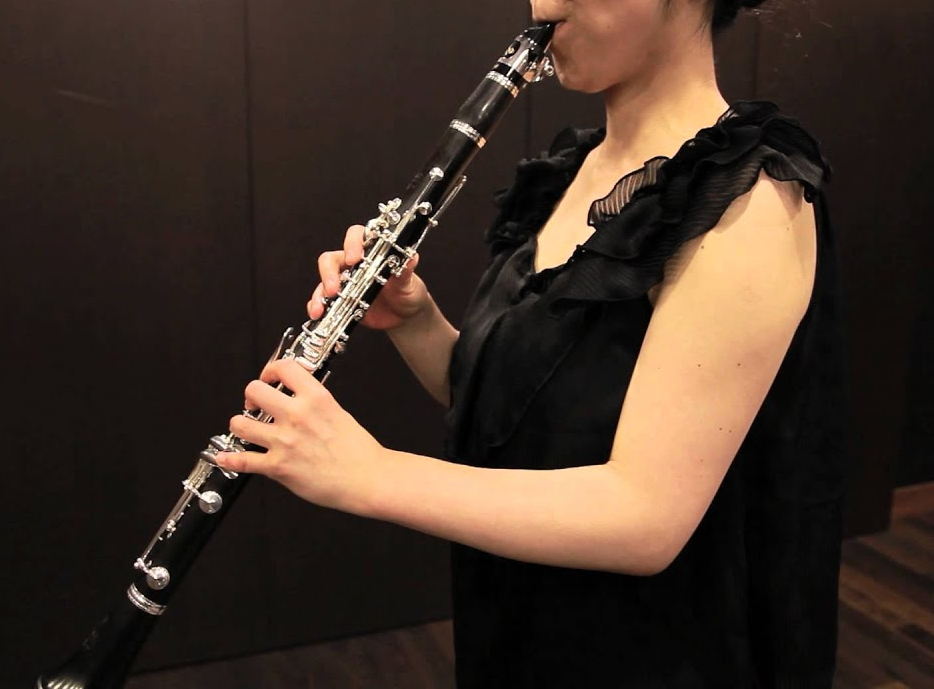
The clarinet has one of the most expressive voices in music, capable of sounding joyful, smoky, haunting, elegant, and wildly energetic all at once. From the golden age of jazz to the grand stages of classical concert halls, legendary clarinet players have pushed the instrument far beyond its traditional boundaries. Their unforgettable performances helped shape swing, bebop, orchestral music, film scores, and modern jazz, leaving behind recordings that still captivate listeners today. Whether delivering lightning fast improvisations, velvety lyrical melodies, or dramatic orchestral solos, the greatest clarinetists brought unmistakable personality and emotion to every note. Their artistry transformed the clarinet into one of the most beloved and versatile instruments in music history.
1. Benny Goodman
Benny Goodman stands at the center of clarinet history as one of the most famous instrumentalists in American music. Known as the King of Swing, Goodman brought the clarinet into the spotlight during the big band era, turning it into a lead voice capable of commanding dance halls, radio broadcasts, and concert stages. His signature recording Sing Sing Sing remains one of the most electrifying performances of the swing age, driven by explosive drums, blazing ensemble work, and Goodman’s crisp, athletic clarinet lines. The song became a defining statement of 1930s jazz energy, and Goodman’s playing gave it sharpness, speed, and irresistible personality.
Goodman’s greatest recordings include Let’s Dance, Moonglow, Stompin’ at the Savoy, Don’t Be That Way, and Air Mail Special. His tone was bright, focused, and incredibly precise, but he also knew how to make a phrase swing with relaxed authority. What made Goodman so popular was his ability to blend classical discipline with jazz freedom. He could play with dazzling control, then burst into improvisations that felt spontaneous and alive.
Beyond his recordings, Goodman helped bring jazz to major concert spaces, most famously Carnegie Hall. His integrated groups with musicians such as Teddy Wilson, Lionel Hampton, and Charlie Christian also helped push American music forward. Goodman’s clarinet became a symbol of swing itself, and his influence remains enormous among jazz and classical clarinetists alike.
2. Artie Shaw
Artie Shaw was one of the most elegant and intellectually restless clarinet players of the swing era. While Benny Goodman often represented precision and driving swing power, Shaw brought a more mysterious, romantic, and polished tone to the instrument. His legendary recording of Begin the Beguine became one of the defining hits of the late 1930s, transforming Cole Porter’s sophisticated melody into a sweeping big band masterpiece. Shaw’s clarinet rises through the arrangement with grace and cool confidence, giving the performance a sense of glamour that still feels timeless.
Shaw’s best known recordings include Stardust, Frenesi, Nightmare, Moonglow, and Concerto for Clarinet. His playing was technically brilliant, but never merely decorative. He had a liquid tone that could feel dreamy one moment and cutting the next. His phrasing often carried a searching quality, as though he was always trying to push beyond the expected boundaries of dance band music.
Shaw was also a complex figure who often resisted the machinery of fame. He valued artistic growth, experimented with string sections and unusual arrangements, and refused to be trapped by commercial expectations. His clarinet style remains one of the most beautiful in jazz history. For listeners drawn to elegance, sophistication, and emotional cool, Artie Shaw’s recordings are essential documents of clarinet artistry.
3. Sidney Bechet
Sidney Bechet was one of early jazz’s most passionate voices, and although he is often associated with the soprano saxophone, his clarinet playing was equally historic. Bechet brought a wide vibrato, intense emotional force, and deeply personal phrasing to every melody he touched. His famous composition Petite Fleur became one of his most beloved pieces, admired for its haunting lyricism and unmistakable New Orleans spirit. Even when performed on clarinet by later musicians, the piece carries Bechet’s signature blend of sweetness, melancholy, and glowing melodic power.
Bechet’s important recordings include Si Tu Vois Ma Mère, Summertime, Blue Horizon, Egyptian Fantasy, and Les Oignons. His playing never sounded timid. He projected like a singer with a huge emotional range, bending notes and shaping phrases with dramatic conviction. In early jazz ensemble settings, Bechet could dominate the texture with a tone that seemed to leap out of the band.
What makes Bechet so popular among jazz lovers is his unmistakable individuality. He was not simply playing lines. He was declaring a feeling. His music carried the sound of New Orleans, Paris, blues, dance, romance, and memory all at once. His clarinet work helped define jazz as personal expression, and his influence can be heard in generations of traditional jazz, swing, and modern improvisation.
4. Acker Bilk
Acker Bilk became one of the most recognizable clarinet players in popular music through the enormous success of Stranger on the Shore. With its gentle melody, warm clarinet tone, and dreamy string arrangement, the recording became a rare instrumental hit that crossed national and stylistic boundaries. Bilk’s sound was instantly identifiable: breathy, intimate, slightly smoky, and deeply sentimental without becoming overly dramatic. He made the clarinet feel like a voice speaking directly to the listener.
Bilk emerged from the British traditional jazz scene, but Stranger on the Shore gave him a broader audience far beyond jazz clubs. His other well known recordings include Aria, Buona Sera, Summer Set, and That’s My Home. While he did not play with the blazing speed of swing virtuosos, his gift was melody. He understood the emotional power of a simple phrase, a rounded note, and a carefully placed vibrato.
His popularity rests on accessibility and sincerity. Many listeners who never followed jazz or classical clarinet still know the sound of Stranger on the Shore. Bilk proved that the clarinet could become a pop instrument of tenderness and nostalgia. His playing carried warmth rather than flash, and that warmth gave him a lasting place among the most beloved clarinet players of all time.
5. Woody Herman
Woody Herman was a major clarinetist, saxophonist, singer, and bandleader whose name is inseparable from the evolution of big band jazz. While his orchestras were famous for their full ensemble fire, Herman’s clarinet gave many performances their sharp, lively personality. Four Brothers remains one of the best known pieces associated with his Second Herd, a band that helped move big band jazz toward the modern language of bebop and cool jazz. The piece became a classic because of its sleek saxophone writing, rhythmic drive, and youthful sense of adventure.
Herman’s recorded legacy includes Woodchopper’s Ball, Apple Honey, Northwest Passage, Bijou, and Four Brothers. His clarinet playing had a punchy, extroverted quality that fit perfectly with the hot swing tradition, yet his musical curiosity kept him moving with the times. He embraced modern arrangements, younger soloists, and a bolder harmonic language than many older bandleaders were willing to explore.
What makes Herman especially important is that he was both a performer and a builder of musical environments. His bands became launching pads for remarkable players and arrangers, and his leadership helped keep large ensemble jazz vibrant after the classic swing era. His clarinet voice carried energy, wit, and directness. Woody Herman remains popular not only for his own playing, but for the explosive music his bands brought into the world.
6. Jimmy Giuffre
Jimmy Giuffre was one of the most original clarinet voices in modern jazz, known for subtlety, space, and quiet invention. His piece The Train and the River became a signature work, especially through performances with the Jimmy Giuffre Three. The music has a gentle folk flavored quality, with clarinet lines that move like conversation rather than traditional jazz display. Giuffre’s sound was dry, intimate, and thoughtful, offering a striking contrast to louder, more extroverted jazz styles.
Giuffre’s important works include Four Brothers, which he composed for Woody Herman, along with The Train and the River, Western Suite, Jesus Maria, and Fusion. He was an arranger, saxophonist, clarinetist, and composer who helped carve out a unique place between cool jazz, chamber jazz, folk influence, and early free improvisation. His clarinet playing avoided cliché. Rather than filling every space, he allowed silence and texture to matter.
What makes Giuffre popular among musicians is his fearless independence. He showed that the clarinet did not need to shout to be compelling. It could murmur, question, breathe, and wander. His music rewards close listening, revealing emotional depth through restraint and careful sound design. For listeners interested in the poetic side of jazz clarinet, Jimmy Giuffre remains one of the essential figures.
7. Pete Fountain
Pete Fountain brought the New Orleans clarinet tradition to a huge popular audience with a tone that was warm, relaxed, and instantly charming. His version of Just a Closer Walk With Thee became one of his signature performances, blending spiritual feeling, easy swing, and a rich melodic sound. Fountain had a way of making the clarinet feel friendly and human, as though every phrase came with a smile and a story. His playing was polished, but it never lost the casual grace of New Orleans music.
Fountain’s best loved recordings include Basin Street Blues, Do You Know What It Means to Miss New Orleans, When the Saints Go Marching In, Lazy River, and Just a Closer Walk With Thee. He became a familiar television presence, nightclub favorite, and ambassador of traditional jazz. His sound was smoother than some earlier New Orleans players, but it retained the city’s melodic warmth and rhythmic ease.
What made Fountain so popular was his ability to connect. He did not play to impress only musicians. He played to move audiences. His clarinet tone was full, sweet, and deeply approachable. Whether performing a hymn, a blues, or a jazz standard, Pete Fountain made the instrument sing with comfort, nostalgia, and unmistakable New Orleans soul.
8. Buddy DeFranco
Buddy DeFranco was one of the first great bebop clarinetists, a musician who brought the instrument into the modern jazz language with dazzling fluency. His performance of Autumn Leaves shows his elegant tone, harmonic imagination, and ability to move through chord changes with effortless sophistication. At a time when saxophone and trumpet dominated bebop, DeFranco proved that the clarinet could handle the speed, complexity, and angular phrasing of modern jazz.
DeFranco’s major recordings include Autumn Leaves, Moonlight in Vermont, Sweet Georgia Brown, Memories of You, and his many small group sessions with leading jazz musicians. His playing was clean, fast, and harmonically adventurous. Unlike many swing era clarinetists, DeFranco developed a language closer to Charlie Parker and Dizzy Gillespie, translating bebop’s sharp turns into clarinet lines that remained smooth and controlled.
His importance goes beyond technical skill. DeFranco kept the clarinet relevant during a period when the instrument was no longer central to jazz fashion. He gave the clarinet a modern voice, one built on advanced harmony, rhythmic flexibility, and serious improvisational command. For players who want to hear how the clarinet can thrive in bebop and post swing jazz, Buddy DeFranco remains one of the most important figures in the instrument’s history.
9. Eddie Daniels
Eddie Daniels is one of the rare clarinet players equally admired in jazz and classical music. His performance of Mozart’s Clarinet Concerto reveals a musician with extraordinary control, warmth, and lyrical beauty, while his jazz work shows improvisational fire and harmonic sophistication. Daniels has long been praised for the purity of his tone, the precision of his technique, and his ability to move between styles without sounding like a visitor in either world.
His best known recordings and performances include Mozart’s Clarinet Concerto, Concerto for Jazz Clarinet, Breakthrough, Memos from Paradise, and many jazz standards. In classical repertoire, Daniels plays with elegance and polish. In jazz, he brings fluid lines, rhythmic lift, and a modern sense of harmony. Few clarinetists have balanced these worlds so naturally, and that versatility has made him one of the most respected musicians of his generation.
What makes Daniels popular is the completeness of his artistry. He can dazzle with speed, but his deeper gift is expression. Every note feels centered, shaped, and intentional. His clarinet sound is both brilliant and singing, capable of classical refinement and jazz spontaneity. Eddie Daniels helped expand expectations for what a modern clarinetist could be, making him essential in any discussion of the instrument’s greatest players.
10. Richard Stoltzman
Richard Stoltzman is one of the most influential American classical clarinetists, admired for his expressive freedom, distinctive tone, and willingness to cross musical boundaries. His performances often bring a vocal, almost spiritual quality to the clarinet, allowing phrases to bend and breathe with unusual emotional intensity. The linked performance of Frederick Speck’s Clarinet Concerto reflects Stoltzman’s commitment to modern repertoire and his gift for making contemporary music feel vivid and personal.
Stoltzman’s best known work includes Mozart’s Clarinet Concerto, Brahms clarinet sonatas, Copland’s Clarinet Concerto, Messiaen’s Quartet for the End of Time, and collaborations that move into jazz, new music, and chamber settings. He became widely admired through his recordings and performances with ensembles such as Tashi, helping bring chamber music to wider audiences. His sound is often described as unusually flexible, with a wide expressive palette that can be tender, ecstatic, playful, or deeply meditative.
What makes Stoltzman so popular is his individuality. He does not sound like a purely academic classical player. He brings risk, color, and personality to the music. His artistry helped redefine the clarinet as a deeply expressive solo voice. For listeners who value emotion as much as polish, Richard Stoltzman remains one of the most compelling clarinetists of all time.
11. Sabine Meyer
Sabine Meyer is one of the most celebrated classical clarinetists in the world, known for her luminous tone, refined phrasing, and extraordinary command of the instrument. Her performances of Mozart’s Clarinet Concerto are especially admired because they combine elegance, warmth, and deep stylistic understanding. Mozart’s final concerto demands beauty without sentimentality, technical assurance without display, and Meyer brings all of those qualities with remarkable grace.
Meyer’s repertoire includes Mozart, Weber, Brahms, Schumann, Nielsen, and a wide range of chamber music. She is also closely associated with the basset clarinet, an instrument that allows certain classical works to be performed with a richer lower range closer to what Mozart originally imagined. Her playing has a singing quality that feels both pure and personal. Every phrase seems carefully shaped, yet never stiff.
Her career also holds historical importance because she became one of the first women to join the Berlin Philharmonic, a moment that brought her major public attention. Beyond that controversy, her artistry established her as a world class soloist and chamber musician. Sabine Meyer’s clarinet sound is graceful, glowing, and unmistakably refined. She remains a model for classical players who seek beauty, precision, and emotional depth in equal measure.
12. Martin Fröst
Martin Fröst is one of the most charismatic clarinetists of the modern era, admired for his technical brilliance, theatrical presence, and intensely expressive performances. His interpretation of the Adagio from Mozart’s Clarinet Concerto shows his ability to make the clarinet sound almost weightless, with phrases that float, shimmer, and breathe. Fröst’s tone is clear and flexible, but what truly sets him apart is his imagination. He treats performance as an entire artistic experience, not just a display of instrumental skill.
Fröst’s major repertoire includes Mozart, Nielsen, Copland, Brahms, Weber, contemporary concertos, folk inspired projects, and innovative staged performances. Pieces such as Peacock Tales and his collaborations with modern composers reveal a performer willing to expand the boundaries of classical presentation. He combines movement, lighting, drama, and sound in ways that make the clarinet feel visually and emotionally alive.
What makes Fröst so popular is the sense of discovery in his music making. He can deliver standard repertoire with breathtaking polish, then turn to new works with fearless curiosity. His clarinet playing is virtuosic, poetic, and unmistakably modern. For audiences who want to hear where the instrument can go in the twenty first century, Martin Fröst is one of the most exciting figures in the world.
13. Julian Bliss
Julian Bliss is a brilliant British clarinetist known for combining classical excellence with a strong love for jazz and swing. His performance of Sing Sing Sing with the Julian Bliss Septet shows his connection to the Benny Goodman tradition, but it also reveals his own dazzling control, clean articulation, and youthful energy. Bliss has a sharp, focused tone that can cut through a jazz ensemble with excitement while still retaining elegance and precision.
Bliss gained attention at a young age as a classical prodigy, performing major concertos and recitals with remarkable maturity. Over time, he expanded his public identity through recordings, chamber music, educational work, and the Julian Bliss Septet, which celebrates swing era repertoire with fresh energy. His popular performances include Mozart, Weber, Brahms, Copland, and Goodman inspired jazz pieces such as Sing Sing Sing and Moonglow.
What makes Bliss especially appealing is his ability to communicate across audiences. Classical listeners admire his control and musicianship, while jazz and swing fans respond to his rhythmic vitality. He bridges tradition and modern presentation with natural charm. Julian Bliss represents a new generation of clarinetists who understand history but refuse to remain confined by it. His playing is bright, stylish, and full of personality.
14. Sharon Kam
Sharon Kam is an internationally admired clarinetist known for her rich tone, expressive depth, and powerful command of classical repertoire. Her performance of Mozart’s Clarinet Concerto demonstrates the qualities that have made her one of the most respected players of her generation: warmth, clarity, patience, and a beautifully shaped melodic line. Mozart’s concerto can reveal everything about a clarinetist, and Kam approaches it with a balance of elegance and emotional sincerity.
Kam has performed a wide repertoire that includes Mozart, Weber, Brahms, Spohr, Copland, and contemporary works. She is especially praised for her ability to bring dramatic life to familiar pieces without distorting their style. Her sound has body and glow, with a vocal quality that allows slow movements to unfold naturally. In faster passages, she plays with precision and lightness, making technical demands feel musical rather than mechanical.
What makes Kam popular is the emotional honesty of her performances. She does not rely on exaggerated gestures. Instead, she lets phrasing, tone, and musical architecture create the impact. Her clarinet voice is dignified, expressive, and deeply human. For listeners exploring great classical clarinet players, Sharon Kam offers a superb example of modern artistry rooted in tradition, intelligence, and heartfelt communication.
15. Anat Cohen
Anat Cohen has become one of the most beloved modern jazz clarinetists, admired for her warm tone, lyrical improvisation, and joyful musical range. Her interpretation of La Vie en Rose shows her gift for turning a familiar melody into something intimate, colorful, and deeply personal. Cohen’s clarinet sound is full and expressive, with a vocal warmth that draws from jazz, Brazilian music, klezmer, swing, and global folk traditions.
Cohen’s recordings include Clarinetwork, Poetica, Happy Song, Notes from the Village, and collaborations with the Anzic Orchestra and Trio Brasileiro. She has a rare ability to move between styles while keeping a recognizable voice. Whether playing a Benny Goodman inspired swing tune, a choro melody, a ballad, or a modern jazz original, Cohen brings generosity and emotional openness to the music.
What makes her popular is the sense of joy in her playing. She can improvise with sophistication, but she never loses the direct feeling of song. Her clarinet seems to smile, sigh, dance, and speak. In a modern jazz world where the clarinet is less common than saxophone or trumpet, Anat Cohen has helped restore the instrument’s presence with grace, imagination, and undeniable charm.

Samuel Moore is a frequent contributor to Singers Room. Since 2005, Singersroom has been the voice of R&B around the world. Connect with us via social media below.