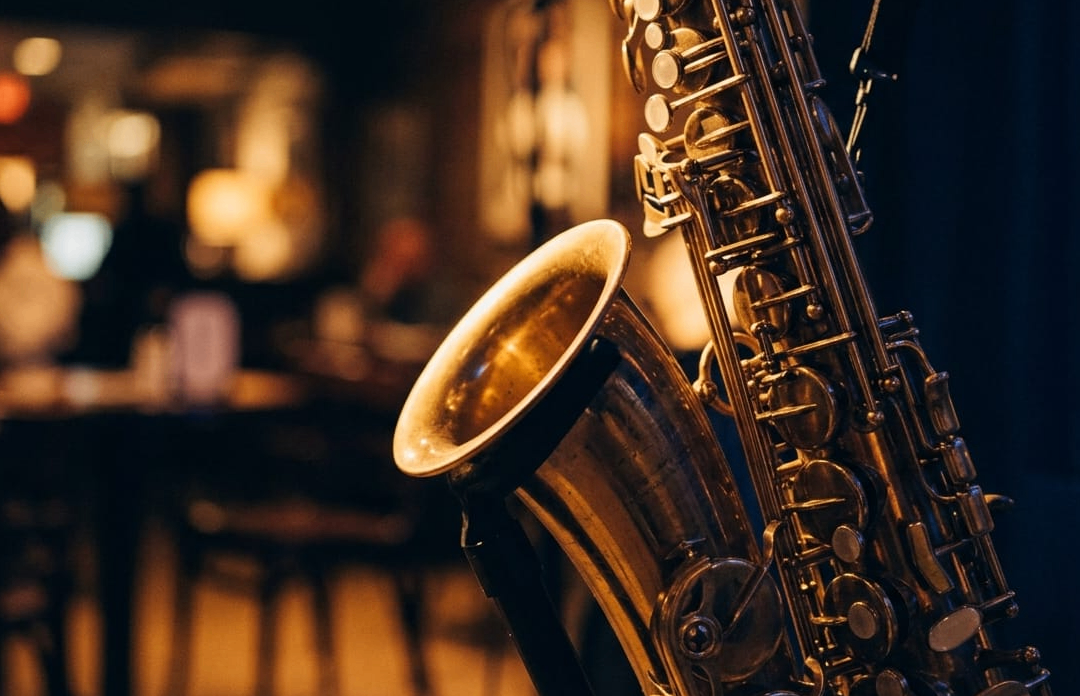
From smoky jazz clubs and soulful blues halls to roaring rock stages and smooth contemporary radio hits, the saxophone has delivered some of the most unforgettable sounds in music history. Few instruments can match its ability to shift from raw power to heartbreaking tenderness within a single note. The greatest saxophone players did more than master technique. They created signature styles that transformed jazz, rhythm and blues, rock, pop, and soul music forever. Whether unleashing fiery improvisations or crafting melodies that feel timeless and deeply emotional, these legendary musicians turned the saxophone into one of the most expressive voices in modern music and inspired generations of performers around the world.
1. John Coltrane
John Coltrane remains one of the most powerful and spiritually searching saxophone players in music history. His sound on tenor saxophone could be fierce, tender, prayerful, and astonishingly complex, often within the same performance. Born in North Carolina, Coltrane rose through the bands of Dizzy Gillespie, Miles Davis, and Thelonious Monk before becoming a monumental bandleader in his own right. His most celebrated works include Giant Steps, Naima, My Favorite Things, Blue Train, Impressions, and the deeply moving suite A Love Supreme. Each piece shows a different side of his genius, from harmonic daring to devotional intensity.
Giant Steps is one of the most famous saxophone recordings ever made because it sounds like a brilliant mind racing through a maze of chords with total conviction. Coltrane’s solo is fast, disciplined, and overflowing with invention, but it never feels like empty virtuosity. It represents a musician pushing jazz language into new territory. Later, on A Love Supreme, his playing became more openly spiritual, filled with cries, chants, and searching melodic lines. John Coltrane made the saxophone feel like a direct extension of the soul, turning improvisation into a form of exploration, discipline, and transcendence.
2. Charlie Parker
Charlie Parker, often called Bird, changed the direction of jazz so completely that every modern saxophone player still stands in his shadow. As one of the central creators of bebop, Parker brought a new speed, harmonic sophistication, rhythmic agility, and melodic daring to the alto saxophone. His sound was bright, urgent, and beautifully controlled, filled with lines that seemed to twist through chord changes with impossible ease. His landmark recordings include Ko Ko, Ornithology, Now’s the Time, Yardbird Suite, Donna Lee, Confirmation, and Billie’s Bounce.
Ko Ko is one of Parker’s defining achievements because it captures the revolutionary spark of bebop at full strength. The performance is quick, fearless, and packed with fresh ideas, yet Parker’s phrasing remains lyrical beneath the velocity. He had a remarkable ability to transform familiar chord structures into completely new melodic landscapes. Even his blues playing carried an advanced harmonic imagination that gave old forms new life. Parker’s influence reached far beyond jazz clubs. His vocabulary became a foundation for generations of improvisers, composers, and instrumentalists. Charlie Parker made the alto saxophone speak with unmatched intelligence and fire, proving that technical brilliance could become a language of emotional urgency and artistic freedom.
3. Sonny Rollins
Sonny Rollins is one of the most admired tenor saxophone players in jazz, known for his huge tone, fearless improvisational logic, and ability to build solos that feel like complete stories. Born in Harlem, Rollins came of age during the bebop era and quickly earned respect from giants such as Thelonious Monk, Miles Davis, Bud Powell, and Max Roach. His essential recordings include St. Thomas, Oleo, Airegin, Doxy, Saxophone Colossus, Tenor Madness, and The Bridge. His playing combines muscular swing with humor, intelligence, and a commanding sense of structure.
St. Thomas is perhaps his most widely recognized piece, built on a Caribbean folk melody that Rollins transformed into a jazz standard. The tune is joyful and instantly memorable, but the magic lies in how Rollins improvises with rhythmic freedom and melodic confidence. He can repeat a small phrase, reshape it, stretch it, and turn it into something new, making the solo feel spontaneous yet carefully built. His tone is broad and unmistakable, full of warmth and authority. Rollins also became legendary for his willingness to step away from public performance in order to study and grow. Sonny Rollins represents the saxophonist as a thinker, storyteller, and adventurer, always searching for deeper possibilities inside a melody.
4. Stan Getz
Stan Getz became famous for one of the most beautiful tenor saxophone tones in all of jazz. Often described as warm, airy, and lyrical, his sound could float above a rhythm section with effortless elegance. Getz first gained attention in the big band era, then became a leading voice in cool jazz and later helped bring bossa nova to a worldwide audience. His best known recordings include The Girl from Ipanema, Desafinado, Corcovado, Early Autumn, Blood Count, and collaborations with João Gilberto, Astrud Gilberto, Oscar Peterson, and Chet Baker.
The Girl from Ipanema remains the performance most closely connected to his name because it introduced millions of listeners to the soft sophistication of bossa nova. Getz’s saxophone does not overpower the song. It glides through it, offering a tone that feels sunlit, romantic, and perfectly measured. His phrasing is relaxed but never casual, elegant but never cold. He understood how to make understatement emotionally persuasive. While some saxophonists became famous through explosive power, Getz proved that restraint could be just as unforgettable. His solos often sound like melodies being discovered in real time. Stan Getz made the tenor saxophone sing with a velvet touch, creating music that remains graceful, intimate, and globally beloved.
5. Cannonball Adderley
Cannonball Adderley brought joy, blues feeling, gospel warmth, and dazzling fluency to the alto saxophone. Born Julian Adderley in Florida, he became one of the most beloved jazz musicians of the hard bop and soul jazz eras. His playing was technically brilliant, yet it always felt welcoming and human. He could blaze through bebop lines with breathtaking command, then turn around and play a blues phrase that sounded like a conversation on a front porch. His essential recordings include Mercy, Mercy, Mercy, Work Song, This Here, Jive Samba, Autumn Leaves, and his legendary contribution to Miles Davis’s Kind of Blue.
Mercy, Mercy, Mercy became a surprise hit and remains one of the defining soul jazz recordings. Although Joe Zawinul wrote the tune, Cannonball’s band gave it life through groove, personality, and communal energy. Adderley’s alto voice could be bright and conversational, always carrying a sense of uplift. His solos felt intelligent without sounding academic, and his spoken introductions helped audiences feel included in the music. He had a rare ability to bridge serious jazz artistry and popular appeal. Cannonball Adderley made the alto saxophone sound joyful, soulful, and deeply generous, proving that sophistication and accessibility could exist beautifully together.
6. Lester Young
Lester Young transformed tenor saxophone playing with a light, relaxed, and poetic style that stood apart from the heavier sound of earlier players. Nicknamed Pres, he became one of the defining voices of the Count Basie orchestra and one of Billie Holiday’s most sensitive musical partners. His phrasing seemed to float across the beat, creating a conversational swing that influenced generations of saxophonists. His classic recordings include Lester Leaps In, These Foolish Things, Jumpin’ with Symphony Sid, Tickle Toe, Polka Dots and Moonbeams, and his unforgettable work with Holiday on songs such as All of Me and Fine and Mellow.
Lester Leaps In captures the buoyant side of his artistry. The performance moves with effortless swing, and Young’s lines seem to dance rather than charge. He favored melodic clarity, rhythmic ease, and a cool emotional quality that later shaped the sound of modern jazz. His influence can be heard in Stan Getz, Zoot Sims, Paul Desmond, and many others who admired his graceful approach. Young’s music often carries a sense of quiet vulnerability beneath its elegance. Lester Young made the tenor saxophone lighter, freer, and more personal, opening a path toward a more lyrical kind of jazz expression.
7. Coleman Hawkins
Coleman Hawkins is often regarded as the first great tenor saxophone master in jazz. Before Hawkins, the saxophone was not always viewed as a leading solo instrument in serious jazz settings. He changed that through a huge tone, advanced harmonic knowledge, and a commanding presence that gave the tenor saxophone new authority. Known as Hawk, he came out of the swing era but remained open to modern developments, later embracing bebop musicians and younger innovators. His most famous recordings include Body and Soul, Picasso, Bean and the Boys, Stuffy, and collaborations with Thelonious Monk, Dizzy Gillespie, and Max Roach.
Body and Soul is one of the most important saxophone recordings ever made. Hawkins barely states the melody in a conventional way. Instead, he builds a rich improvisation from the song’s harmony, creating a performance that helped point jazz toward a more advanced future. His tone is full, dramatic, and authoritative, yet the solo remains elegant and emotionally compelling. Hawkins showed that a saxophonist could think like a composer in real time. His influence stretches across swing, bebop, and beyond. Coleman Hawkins gave the tenor saxophone its first great heroic voice, turning it into a serious vehicle for harmonic depth and improvisational grandeur.
8. Wayne Shorter
Wayne Shorter was one of the most imaginative saxophonists and composers in modern jazz. His playing on tenor and soprano saxophone was mysterious, concise, and deeply poetic, often suggesting more than it stated outright. Shorter first gained major attention with Art Blakey’s Jazz Messengers, then became a crucial member of Miles Davis’s second great quintet, and later helped shape fusion through Weather Report. His greatest compositions include Footprints, Speak No Evil, Infant Eyes, Nefertiti, JuJu, Black Nile, and Adam’s Apple.
Footprints is one of Shorter’s most famous pieces because it feels both ancient and futuristic. The melody is simple enough to remember, but the atmosphere is shadowy, open, and rhythmically elastic. Shorter’s saxophone voice does not overwhelm the listener with endless notes. He chooses phrases that feel symbolic, almost like clues in a larger dream. His compositions became standards because they offered musicians rich emotional and harmonic landscapes without locking them into obvious patterns. As a soloist, he valued storytelling, shape, and surprise. Wayne Shorter made the saxophone sound philosophical, cinematic, and full of mystery, creating a body of work that continues to challenge and inspire modern musicians.
9. Kenny G
Kenny G is one of the most commercially successful saxophone players of all time, bringing the soprano saxophone into mainstream pop culture with a smooth, polished, and instantly recognizable sound. Born Kenneth Gorelick in Seattle, he developed a lyrical style centered on long, flowing melodies, clear tone, and romantic atmosphere. While jazz critics have often debated his place in the genre, his popularity with global audiences is undeniable. His biggest songs include Songbird, Silhouette, Forever in Love, The Moment, Going Home, and Sentimental.
Songbird is the recording that made Kenny G a household name. Its gentle soprano sax melody is simple, smooth, and immediately memorable, giving the song a serene emotional quality that appealed to listeners far beyond traditional jazz circles. The tune helped define the sound of smooth jazz in the late twentieth century and became one of the rare instrumental hits to cross into broad popular consciousness. Kenny G’s strength lies in creating melodies that feel accessible, romantic, and easy to recognize after only a few notes. His music has been used in weddings, radio playlists, television moments, and countless personal memories. Kenny G made the saxophone a mainstream pop instrument again, proving that instrumental music could still reach a massive worldwide audience.
10. Grover Washington Jr.
Grover Washington Jr. was a key figure in the rise of smooth jazz, soul jazz, and jazz funk, yet his musicianship ran much deeper than any single label. He played tenor, alto, soprano, and baritone saxophones with a warm tone, melodic grace, and rhythmic confidence that made his recordings both sophisticated and widely appealing. Born in Buffalo, Washington helped create a bridge between jazz improvisation, rhythm and blues, funk, and adult contemporary music. His best known works include Mister Magic, Winelight, Just the Two of Us, Let It Flow, Knucklehead, and Inner City Blues.
Mister Magic remains one of his defining recordings because it captures his ability to make a groove feel luxurious and deep at the same time. The saxophone line is smooth, confident, and beautifully shaped, floating over a rhythm section that feels both relaxed and irresistible. Washington’s playing had a vocal quality, allowing listeners to follow his phrases as if he were singing through the horn. His collaboration with Bill Withers on Just the Two of Us brought his sound to an even broader audience, blending pop songwriting with jazz sophistication. Grover Washington Jr. made the saxophone feel warm, stylish, and emotionally direct, helping define the sound of contemporary instrumental soul.
11. David Sanborn
David Sanborn became one of the most recognizable alto saxophone voices in modern popular music, known for a bright, piercing tone filled with blues feeling, soul intensity, and jazz fluency. His sound could cut through a band with remarkable emotional force, making him a favorite not only as a solo artist but also as a session musician for major singers and bands. Sanborn worked with artists such as David Bowie, Stevie Wonder, James Taylor, Paul Simon, and the Rolling Stones, while also building a successful solo career. His notable recordings include Maputo, Chicago Song, Straight to the Heart, Run for Cover, and The Dream.
Maputo, recorded with Bob James, stands as one of Sanborn’s most beloved performances. The track moves with elegance and ease, combining smooth jazz polish with soulful melodic phrasing. Sanborn’s alto sound is instantly identifiable, slightly gritty at the edges, yet beautifully controlled. He had a gift for making instrumental lines feel like vocal hooks, which helped his music reach audiences who might not normally follow jazz. His blues rooted phrasing gave even polished studio productions a human edge. David Sanborn made the alto saxophone a vital voice in modern soul, jazz, and pop, shaping the sound of countless recordings through his passionate and unmistakable tone.
12. Ornette Coleman
Ornette Coleman was one of the boldest innovators in jazz history, a saxophonist whose ideas challenged traditional harmony, structure, and expectations. Playing alto saxophone with a raw, vocal, and deeply personal sound, Coleman helped launch the free jazz movement and changed the way musicians thought about improvisation. His music was controversial when it first appeared, but it later became recognized as one of the great breakthroughs in twentieth century art. His major works include Lonely Woman, Ramblin’, Peace, Eventually, Free Jazz, Broadway Blues, and Law Years.
Lonely Woman is perhaps his most famous composition, and it remains haunting because of its emotional directness. The melody sounds suspended in grief, while the rhythm section moves with a strange, floating urgency. Coleman’s saxophone tone is not polished in the conventional sense. It is human, crying, searching, and unmistakably his own. He believed that musicians could improvise together without being confined by standard chord progressions, opening a new world of collective expression. His approach influenced jazz, rock, classical experimenters, and avant garde artists across generations. Ornette Coleman made the saxophone a symbol of radical freedom, proving that beauty could exist beyond familiar rules and formal boundaries.
13. Dexter Gordon
Dexter Gordon was one of the great tenor saxophone storytellers, known for his large tone, relaxed phrasing, sly humor, and commanding sense of swing. Standing physically tall and playing with a sound to match, Gordon helped bring bebop language to the tenor saxophone while keeping a warm, blues touched personality at the center of his music. His career stretched from the swing era through bebop, hard bop, European jazz scenes, and a celebrated late career revival. His essential recordings include Cheese Cake, Body and Soul, Fried Bananas, Go, Our Man in Paris, and One Flight Up.
Cheese Cake from the album Go captures Gordon’s charisma perfectly. The tune swings hard, and his tenor lines unfold with confidence, wit, and a deep rhythmic pocket. Gordon often played slightly behind the beat, giving his phrases an easy, conversational quality. He could quote other melodies inside solos, turning improvisation into a playful dialogue with jazz history. His sound was robust but never clumsy, sophisticated but never stiff. He also gained wider recognition through his acting role in Round Midnight, which reflected his real life stature as a jazz elder. Dexter Gordon made the tenor saxophone sound cool, expansive, and wonderfully human, leaving behind recordings that remain essential for anyone who loves hard swinging jazz.
14. Gerry Mulligan
Gerry Mulligan brought unusual elegance, wit, and melodic imagination to the baritone saxophone, an instrument often associated with supporting roles rather than front line leadership. Mulligan changed that perception by making the baritone sound agile, lyrical, and conversational. A major figure in cool jazz, he was also an arranger, composer, and bandleader with a refined sense of texture. His most famous works include Bernie’s Tune, Line for Lyons, Walkin’ Shoes, Jeru, Festive Minor, and collaborations with Chet Baker, Paul Desmond, Ben Webster, and Concert Jazz Band ensembles.
Bernie’s Tune helped define Mulligan’s early sound, especially through his famous piano less quartet with Chet Baker. Without a chordal instrument filling every space, Mulligan created a fresh chamber like approach where saxophone and trumpet lines intertwined with lightness and clarity. His baritone tone was warm and flexible, never heavy for its own sake. He could swing with ease, craft memorable counter melodies, and leave room for the music to breathe. Mulligan’s intelligence as an arranger shaped every phrase he played, making his solos feel naturally organized. Gerry Mulligan made the baritone saxophone graceful, witty, and central to modern jazz, proving that the instrument could lead with charm as well as power.
15. Michael Brecker
Michael Brecker was one of the most influential tenor saxophonists of the modern era, admired for his stunning technique, harmonic command, rhythmic precision, and powerful tone. He moved comfortably through jazz, fusion, funk, rock, and studio music, becoming a model for countless saxophonists who followed. As a member of the Brecker Brothers and as a solo artist, he helped define the sound of contemporary jazz saxophone. He also appeared on recordings by Paul Simon, Joni Mitchell, Steely Dan, James Taylor, Herbie Hancock, and many others. His important works include Itsbynne Reel, Some Skunk Funk, Delta City Blues, Nothing Personal, and Song for Bilbao.
Itsbynne Reel shows Brecker’s extraordinary blend of intellect and fire. The lines are technically demanding, but the performance never feels mechanical. His phrasing has energy, shape, and a fierce sense of forward motion. Brecker could navigate complex harmony with astonishing clarity while maintaining a deep groove. His sound was big, focused, and modern, often using extended techniques and advanced patterns without losing emotional intensity. For many players, studying Brecker became almost a rite of passage because his vocabulary set a new standard for post bop and fusion saxophone. Michael Brecker made the modern tenor saxophone sound fearless, athletic, and harmonically limitless, leaving a legacy that continues to shape advanced jazz playing today.

Edward Tomlin is a frequent contributor to Singers Room. Since 2005, Singersroom has been the voice of R&B around the world. Connect with us via social media below.