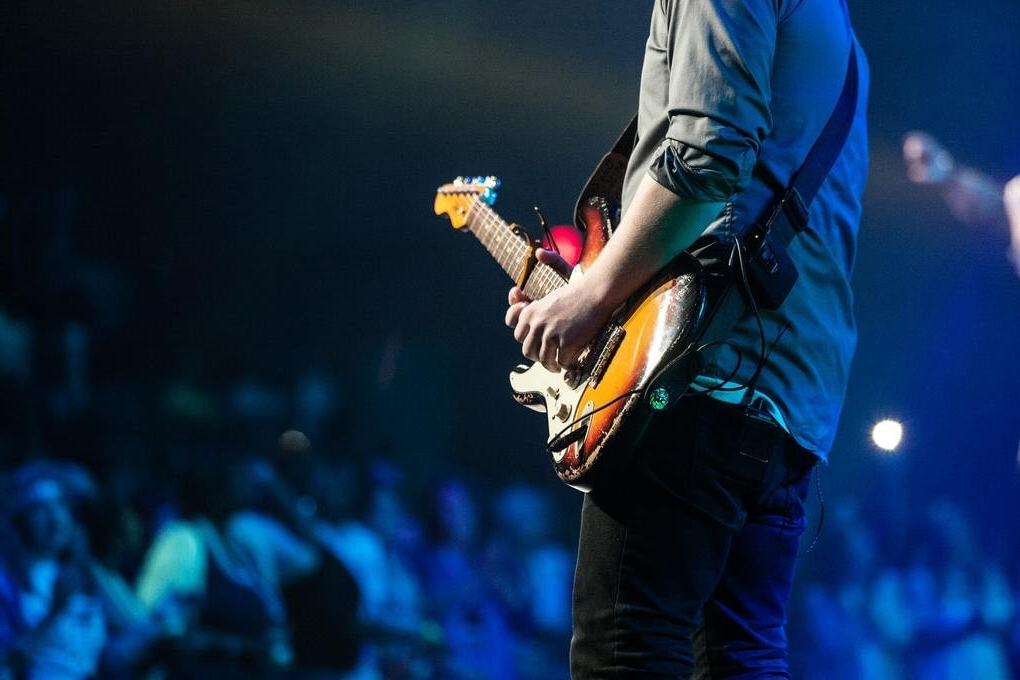
From blazing solos and soulful blues bends to delicate acoustic melodies and thunderous rock riffs, the guitar has shaped the sound of modern music like few instruments ever have. The most popular guitar players of all time turned six strings into a powerful form of expression, creating unforgettable songs, revolutionary techniques, and performances that inspired generations of musicians. Some became legends through speed and technical brilliance, while others mastered emotion, tone, and feel with just a few perfectly placed notes. Across rock, blues, jazz, country, and beyond, these artists transformed the guitar into a voice capable of passion, rebellion, heartbreak, and pure musical magic, leaving behind riffs and solos that continue to echo through music history.
1. Jimi Hendrix
Jimi Hendrix remains the most mythic guitar player in popular music history, a visionary who transformed the electric guitar into an instrument of fire, color, feedback, soul, and imagination. Before Hendrix, the guitar was already central to blues and rock. After Hendrix, it seemed capable of speaking in entirely new languages. His greatest songs include Purple Haze, Voodoo Child, Little Wing, Foxy Lady, Hey Joe, and his legendary interpretation of All Along the Watchtower. Voodoo Child captures the sheer force of his playing, with wah soaked riffs, explosive bends, and a tone that feels both earthy and cosmic. Hendrix fused blues phrasing with psychedelic experimentation, making distortion, feedback, and studio effects feel expressive rather than chaotic. His hands seemed to bend sound itself, turning solos into storms of emotion and rhythm. He was also a gifted singer and songwriter, often overlooked because his guitar work was so revolutionary. Hendrix’s popularity endures because his music still sounds alive with danger and possibility. Every riff feels like a door opening into another dimension, proving that one guitarist with fearless imagination can permanently change the sound of modern music.
2. Eric Clapton
Eric Clapton became one of the most popular guitar players of all time through a career rooted in blues devotion, rock sophistication, and emotional restraint. From his early days with The Yardbirds and John Mayall’s Bluesbreakers to Cream, Derek and the Dominos, and his solo career, Clapton helped introduce generations of listeners to the expressive power of blues guitar. His most famous songs include Layla, Wonderful Tonight, Tears in Heaven, Cocaine, Crossroads, and White Room. Layla remains one of his defining achievements, driven by a passionate guitar riff and a sense of romantic desperation that gives the song lasting emotional urgency. Clapton’s playing is known for its vocal quality. His bends, vibrato, and phrasing often sound like a singer shaping a sorrowful line. He does not always overwhelm with speed, but he understands tone and emotional placement with extraordinary depth. His acoustic work later revealed another side of his musicianship, especially in songs of grief and reflection. Eric Clapton’s popularity rests on the way he carried blues tradition into rock stardom while maintaining a recognizable personal voice. His guitar sounds elegant, wounded, soulful, and deeply connected to the roots of modern popular music.
3. Jimmy Page
Jimmy Page became a towering figure in guitar history as the sonic architect of Led Zeppelin, one of rock’s most powerful and influential bands. As a player, producer, arranger, and riff creator, Page shaped a sound that combined blues, folk, hard rock, psychedelia, and mythic atmosphere. His most famous guitar moments include Stairway to Heaven, Whole Lotta Love, Kashmir, Black Dog, Heartbreaker, and Since I’ve Been Loving You. Stairway to Heaven remains his most widely celebrated performance, moving from delicate acoustic picking to one of the most famous electric guitar solos in rock history. Page’s genius lies in contrast. He could be graceful and mysterious, then suddenly brutal and thunderous. His riffs often feel carved from ancient stone, yet his arrangements are filled with subtle layers and studio imagination. He made the guitar feel orchestral, using texture, dynamics, alternate tunings, and overdubs to create a sound bigger than ordinary blues rock. His playing could be loose, fiery, and unpredictable, which gave Led Zeppelin its sense of danger. Jimmy Page remains popular because his guitar work helped define the grandeur of classic rock, turning riffs and solos into legends that continue to inspire players across generations.
4. Eddie Van Halen
Eddie Van Halen changed rock guitar forever by bringing dazzling technique, joyful energy, and mechanical imagination into a sound that was instantly recognizable. As the driving musical force behind Van Halen, Eddie made the guitar feel playful, explosive, and futuristic. His most famous songs include Eruption, Jump, Panama, Ain’t Talkin’ Bout Love, Hot for Teacher, and Runnin’ with the Devil. Jump became one of the band’s biggest hits, but the fire of Eddie’s guitar identity is present across the entire Van Halen catalog, especially in his solos and rhythm work. His tapping technique became legendary, yet his greatness was never only about speed. Eddie had swing, humor, tone, and an incredible sense of musical excitement. His riffs bounced with rhythmic life, and his solos often sounded like fireworks launched from a blues foundation into outer space. He also built and modified guitars and amplifiers to chase the sound in his head, making him an inventor as much as a performer. Eddie Van Halen’s popularity endures because he made virtuosity feel fun rather than cold. His playing smiles, screams, races, and explodes, reminding listeners that technical brilliance can still feel full of personality and joy.
5. B.B. King
B.B. King is one of the most beloved guitar players in history because he proved that one perfectly placed note can say more than a hundred fast ones. Known as the King of the Blues, King developed a guitar voice so distinctive that his instrument, Lucille, seemed to sing beside him. His most famous songs include The Thrill Is Gone, Every Day I Have the Blues, Sweet Little Angel, Rock Me Baby, and How Blue Can You Get. The Thrill Is Gone remains his signature recording, filled with sorrowful elegance, smooth orchestration, and guitar phrases that ache with restraint. King’s vibrato is one of the most recognizable sounds in music. He did not need complex chord work or dazzling speed to command attention. Instead, he created drama through timing, tone, bends, and emotional silence. His call and response between voice and guitar became a model for generations of blues and rock players. Artists from Eric Clapton to Stevie Ray Vaughan absorbed lessons from his phrasing. B.B. King’s popularity endures because his playing feels deeply human. He made the guitar cry, laugh, plead, and testify, turning blues expression into a universal language of heartbreak and resilience.
6. Stevie Ray Vaughan
Stevie Ray Vaughan brought blues guitar roaring back into popular consciousness with a sound that was fierce, soulful, muscular, and deeply rooted in tradition. Emerging from Texas, Vaughan fused influences from Albert King, Jimi Hendrix, Buddy Guy, Lonnie Mack, and countless blues masters into a style that felt both reverent and explosive. His most famous songs include Pride and Joy, Texas Flood, Cold Shot, Crossfire, Scuttle Buttin’, and his moving version of Little Wing. Pride and Joy remains one of his signature tracks, driven by a swinging blues shuffle, sharp vocal delivery, and guitar tone thick enough to fill an entire room. Vaughan played with enormous physical intensity, often attacking the strings with heavy gauge power while maintaining remarkable control. His solos could blaze with speed, but they always carried blues feeling at the center. He understood the emotional weight of a bend, the drama of dynamics, and the importance of groove. His life and career were tragically cut short, but his influence remains huge among blues and rock guitarists. Stevie Ray Vaughan’s popularity endures because his playing feels like lightning running through old blues wood, wild, passionate, respectful, and unforgettable.
7. Carlos Santana
Carlos Santana became one of the most popular guitar players of all time by creating a sound that blends Latin rhythm, blues feeling, rock power, jazz color, and spiritual warmth. From his breakthrough performance with Santana at Woodstock to decades of global success, his guitar tone has remained instantly identifiable. His greatest songs include Black Magic Woman, Oye Como Va, Evil Ways, Samba Pa Ti, Europa, and Smooth. Smooth introduced Santana to a new generation, pairing his lyrical guitar with a sleek pop rock groove and a memorable vocal performance by Rob Thomas. Santana’s playing is distinctive because his notes seem to glow. His sustain, vibrato, and melodic phrasing give the guitar a voice that feels passionate and spiritual. He does not simply solo over rhythm. He converses with it, especially when surrounded by percussion, organ, bass, and Latin grooves. His music often feels celebratory even when it is deeply soulful. Santana opened doors for Latin rock on a massive scale, proving that cross cultural fusion could become a powerful global sound. Carlos Santana remains popular because his guitar speaks with warmth, fire, and unmistakable identity. His solos feel less like displays and more like prayers set to rhythm.
8. Slash
Slash became one of the most recognizable guitar players in rock history through unforgettable riffs, blues drenched solos, and an image as iconic as his sound. As the lead guitarist for Guns N’ Roses, he helped restore grit, danger, and classic guitar hero energy to late eighties rock. His most famous songs include Sweet Child O’ Mine, Welcome to the Jungle, Paradise City, November Rain, Don’t Cry, and Patience. Sweet Child O’ Mine remains his signature moment, built around one of rock’s most beloved opening guitar lines and a solo that rises with both melody and emotional force. Slash’s playing is rooted in blues and hard rock rather than technical flash for its own sake. His bends are wide, his tone is thick, and his phrasing has a dramatic vocal quality. He can deliver snarling riffs that sound street tough, then turn around and play melodic solos that feel surprisingly tender. His top hat, Les Paul guitar, and low slung stage presence became part of rock mythology, but the music backs up the image. Slash remains popular because his guitar work sounds dangerous, romantic, and timeless. He represents the enduring appeal of the rock guitarist as both storyteller and outlaw.
9. Brian May
Brian May is one of the most distinctive guitar players in rock, known for his orchestral tone, melodic imagination, and essential role in the sound of Queen. Playing his homemade Red Special guitar, May created a voice that was rich, singing, layered, and instantly recognizable. His most famous songs with Queen include Bohemian Rhapsody, We Will Rock You, Somebody to Love, Killer Queen, Brighton Rock, and Keep Yourself Alive. Bohemian Rhapsody remains one of the band’s grandest achievements, with May’s guitar entering like a majestic rock opera voice after Freddie Mercury’s dramatic vocal sections. May’s genius is not only in solos, but in arrangement. He often stacked guitar harmonies like choirs, creating textures that sounded almost symphonic. His solos are memorable because they are singable, carefully shaped, and emotionally placed within the song. He could also produce massive riffs, as heard in We Will Rock You, where a simple guitar entrance becomes a moment of pure stadium power. Brian May’s popularity endures because his playing served Queen’s theatrical vision while maintaining a unique identity. His guitar can sound royal, tender, explosive, playful, or cosmic, making him one of rock’s most imaginative musicians.
10. Chuck Berry
Chuck Berry is one of the foundational guitar players in rock and roll, a songwriter and performer whose riffs, rhythms, and stage presence helped define the language of popular guitar music. Before Berry, guitar had already played a vital role in blues and country. With Berry, it became the engine of youth culture. His most famous songs include Johnny B. Goode, Roll Over Beethoven, Maybellene, Rock and Roll Music, Sweet Little Sixteen, and Memphis Tennessee. Johnny B. Goode remains his eternal calling card, opening with one of the most important guitar introductions ever recorded. Berry’s playing combined blues bends, country brightness, rhythmic drive, and a sense of forward motion that made his songs feel unstoppable. His lyrics celebrated cars, dancing, teenage life, ambition, and the new world of rock and roll with wit and precision. Nearly every major rock guitarist owes something to Berry’s double stops, riffs, and rhythmic attack. His duck walk became legendary, but his true legacy is musical architecture. Chuck Berry’s popularity endures because he gave rock guitar its vocabulary. Every time a guitarist launches into a ringing riff full of swagger and rhythm, Berry’s influence is still present.
11. Keith Richards
Keith Richards became one of rock’s most influential guitar players by making rhythm guitar feel dangerous, loose, and unforgettable. As the riff master of The Rolling Stones, Richards helped shape a sound rooted in blues, early rock and roll, country, soul, and streetwise attitude. His greatest songs include Satisfaction, Jumpin’ Jack Flash, Brown Sugar, Start Me Up, Gimme Shelter, and Paint It Black. Paint It Black shows the Stones exploring darker colors, while Richards’ broader legacy lives in riffs that feel immediately physical. His guitar style is less about polished perfection and more about groove, feel, and the mysterious push and pull between players. Richards often works with open tunings, especially open G, creating ringing chord shapes that became central to the Stones’ identity. He understands that a riff can carry an entire song if it has the right swing. His playing locks with drums and bass in a way that makes the band sound both relaxed and unstoppable. Keith Richards remains popular because he embodies rock rhythm at its most essential. He does not simply play guitar parts. He creates grooves, attitudes, and openings for Mick Jagger’s vocals to strut through. His sound is ragged, timeless, and full of life.
12. David Gilmour
David Gilmour is one of the most beloved guitar players in rock because his solos feel like emotional landscapes rather than displays of speed. As the guitarist and vocalist for Pink Floyd, Gilmour helped create a sound that was atmospheric, spacious, melancholic, and deeply expressive. His most famous performances include Comfortably Numb, Wish You Were Here, Shine On You Crazy Diamond, Time, Money, and High Hopes. Comfortably Numb contains one of the most celebrated guitar solos in rock history, a soaring statement of isolation, release, and emotional grandeur. Gilmour’s greatness comes from his sense of tone and pacing. He rarely plays more notes than necessary. Instead, he bends, sustains, and shapes phrases until they seem to hang in the air. His guitar work often feels vocal, almost human, carrying sadness, beauty, and distance in every note. Within Pink Floyd’s conceptual albums, his playing provided emotional clarity, turning abstract themes into direct feeling. Gilmour also contributed warm vocals and elegant songwriting, adding balance to the band’s darker visions. David Gilmour’s popularity endures because listeners remember how his solos make them feel. His guitar does not chase attention. It reaches slowly, deeply, and permanently into the heart.
13. Mark Knopfler
Mark Knopfler became one of the most distinctive guitar players of all time through fingerstyle technique, dry tone, narrative songwriting, and understated brilliance. As the leader of Dire Straits, Knopfler created music that blended rock, blues, country, folk, and pub band restraint into something elegant and instantly recognizable. His most famous songs include Sultans of Swing, Money for Nothing, Romeo and Juliet, Brothers in Arms, Walk of Life, and Tunnel of Love. Sultans of Swing remains his signature guitar showcase, filled with clean, fluid lines that dance across the rhythm with effortless precision. Knopfler’s fingerpicked electric style gives his playing a snap and clarity that sets him apart from pick driven rock guitarists. He often sounds relaxed, but every phrase is carefully placed. His solos are melodic stories, not explosions, and they often mirror the observational quality of his lyrics. Knopfler writes about working musicians, lovers, soldiers, gamblers, and ordinary people with a novelist’s eye for detail. His guitar becomes another narrator, adding mood and character. Mark Knopfler’s popularity endures because he proves that quiet mastery can be just as compelling as volume. His playing is tasteful, lyrical, intelligent, and unmistakably his own.
14. Tony Iommi
Tony Iommi is one of the most important guitar players in heavy music history, widely credited with helping create the sound of heavy metal through his work with Black Sabbath. His riffs are dark, massive, ominous, and unforgettable, forming the foundation for generations of metal, doom, hard rock, and alternative heavy bands. Songs such as Iron Man, Paranoid, War Pigs, Black Sabbath, Children of the Grave, and Sweet Leaf show his genius for creating riffs that feel both simple and monumental. Paranoid remains one of Black Sabbath’s most famous tracks, driven by a fast, urgent guitar figure that helped bring the band’s heavy sound to a wider audience. Iommi’s style was partly shaped by a factory accident that damaged his fingertips, leading him to use lighter strings and lower tunings. That adaptation helped create a darker, heavier tone that became central to Sabbath’s identity. His playing is not flashy in a conventional way, but his riffs have enormous atmosphere and power. He understood how repetition, tension, and tone could create dread and excitement. Tony Iommi’s popularity endures because he gave heavy music its blueprint. His guitar sounds like thunder, machinery, ritual, and rebellion.
15. Prince
Prince is often celebrated as a singer, songwriter, producer, and performer, but he was also one of the most electrifying guitar players in popular music. His style fused funk rhythm, rock fire, blues phrasing, soul drama, and fearless showmanship into a sound that could be sensual, explosive, playful, or spiritual. Songs such as Purple Rain, When Doves Cry, Kiss, Let’s Go Crazy, Little Red Corvette, and Computer Blue reveal his wide musical universe. Purple Rain remains his great guitar anthem, building from a gospel like ballad into an emotional solo that feels like grief and transcendence pouring through the amplifier. Prince’s guitar playing was never separate from his total artistry. He understood rhythm as deeply as melody, often placing sharp funk guitar parts inside grooves with surgical precision before unleashing solos that burned with rock intensity. His performances could be theatrical, but the musicianship underneath was serious and commanding. He absorbed Hendrix, James Brown, Sly Stone, blues, gospel, and Minneapolis funk, then turned those influences into something unmistakably personal. Prince remains popular as a guitar player because he made the instrument feel like an extension of desire, freedom, and imagination. His best solos do not simply impress. They ignite.

Edward Tomlin is a frequent contributor to Singers Room. Since 2005, Singersroom has been the voice of R&B around the world. Connect with us via social media below.