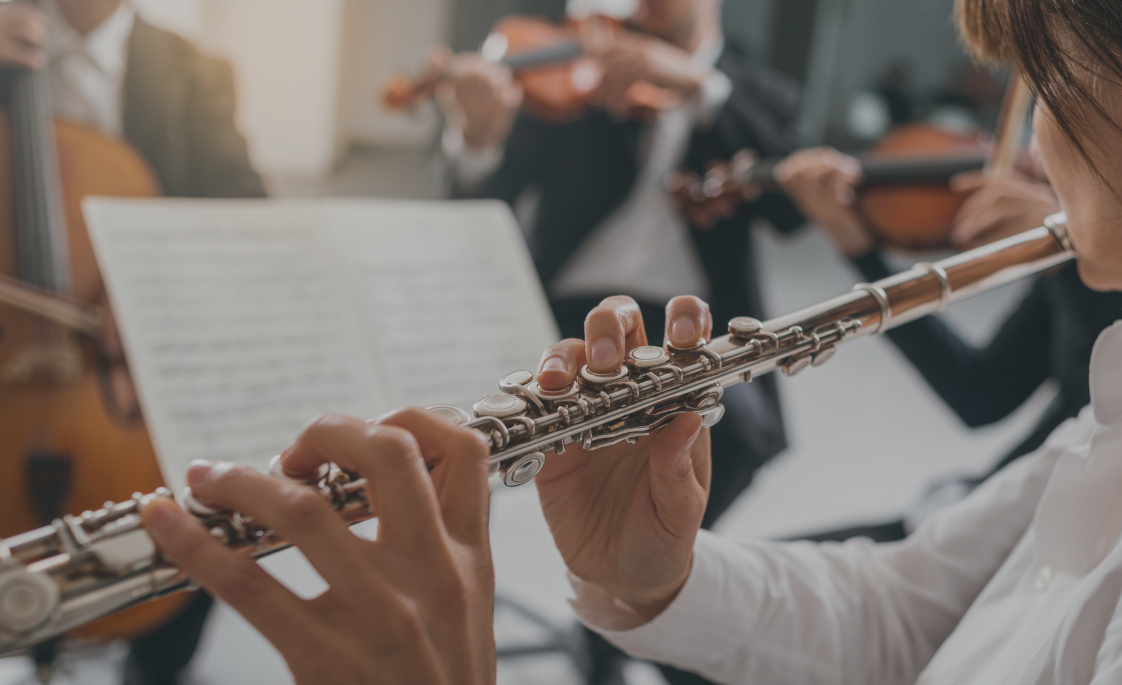
Elegant, expressive, and capable of breathtaking agility, the flute has enchanted listeners for centuries with its pure and unmistakable sound. Whether soaring above a symphony orchestra, gliding through jazz improvisations, or adding emotional depth to folk and popular music, the instrument carries a unique ability to sound both delicate and powerful at the same time. Across generations, extraordinary flute players transformed the instrument into a captivating solo voice, pushing technical boundaries while creating performances filled with beauty, passion, and personality. From classical virtuosos to jazz innovators and crossover stars, these musicians helped shape the history of modern music and proved why the flute remains one of the world’s most beloved instruments.
1. James Galway
James Galway is one of the most famous flute players in the world, a musician whose golden tone made the instrument instantly recognizable to audiences far beyond classical concert halls. His performance of The Pink Panther captures the charm, elegance, and playful brilliance that helped make him a household name. Galway has always had a rare ability to make the flute sound both polished and deeply personal, with a tone that glows rather than merely shines. His recordings of Mozart, Bach, Vivaldi, Debussy, and popular melodies brought the flute into living rooms around the world, introducing countless listeners to the instrument’s expressive beauty. What makes Galway special is not only technical command, but the graceful ease with which he shapes every phrase. His playing can feel witty, romantic, pastoral, or dazzling depending on the music, and he never loses that unmistakable singing quality. James Galway helped turn the flute into a star instrument, proving that it could command the same public affection as the violin or piano. Whether performing concertos, film themes, Irish melodies, or beloved light classics, he brings a warmth that feels generous and inviting, making him one of the most beloved flute players of all time.
2. Jean Pierre Rampal
Jean Pierre Rampal was one of the most influential flute players in history, widely credited with restoring the flute to a major place in twentieth century solo performance. His recording of Mozart’s Flute Concerto No. 1 in G Major shows the qualities that made him legendary: elegance, clarity, sparkle, and a refined sense of classical style. Rampal’s tone was bright but never brittle, graceful but never weak. He understood how to make the flute sing with charm while also projecting authority as a solo voice. Before his rise, the flute was often treated primarily as an orchestral color, but Rampal helped prove that it could sustain a major international solo career. His catalog includes Bach sonatas, Vivaldi concertos, Mozart concertos, French works, chamber music, and numerous collaborations that expanded the instrument’s audience. Rampal’s playing had an aristocratic beauty, full of poise, balance, and effortless musical conversation. He brought old world refinement to everything he touched, yet his performances never felt cold. His phrasing had warmth, wit, and natural breath. For generations of flutists, Rampal remains a model of how to combine technical brilliance with charm, taste, and a deep love for melody.
3. Ian Anderson
Ian Anderson changed the public image of the flute by bringing it into progressive rock with wild theatricality, rhythmic aggression, and unmistakable personality. As the frontman of Jethro Tull, he turned the flute from a delicate orchestral instrument into a swaggering rock weapon. Locomotive Breath remains one of the band’s most famous songs, driven by blues rock force, dramatic tension, and Anderson’s instantly recognizable flute presence. His playing is not polished in the classical sense, but that is exactly the point. Anderson’s flute bites, growls, gasps, and dances around the band’s arrangements with rebellious energy. Songs such as Aqualung, Bouree, Living in the Past, and Thick as a Brick showed how the instrument could thrive in rock settings without losing its eccentric charm. Ian Anderson made the flute dangerous, clever, and theatrical. His one legged stage stance became iconic, but the deeper achievement was musical. He gave rock music a sound that no other major band possessed. His flute lines could be jazzy, folk inspired, bluesy, or medieval in flavor, creating a unique identity that still separates Jethro Tull from nearly every other classic rock act.
4. Herbie Mann
Herbie Mann was one of the most popular jazz flute players of all time, a restless musical explorer who helped bring the flute into soul jazz, Latin jazz, funk, world music, and crossover recordings. His classic Memphis Underground is one of his defining works, blending jazz improvisation with deep groove, Southern soul flavor, and a loose rhythmic heat that made the flute feel earthy and physical. Mann did not treat the flute as a fragile instrument. He made it groove, shout, and dance. His tone could be breathy, bluesy, warm, or sharp depending on the setting, and he had an instinct for surrounding himself with musicians who brought rhythmic fire. Recordings such as Comin’ Home Baby, Push Push, Hold On, I’m Coming, and Memphis Underground helped establish him as a major commercial force in jazz. Herbie Mann expanded the flute’s popular vocabulary. He moved through Afro Cuban music, Brazilian sounds, Middle Eastern influences, rhythm and blues, and funk with curiosity and confidence. While critics sometimes debated his crossover instincts, audiences loved the accessibility and energy of his records. Mann made the flute feel streetwise, soulful, cosmopolitan, and ready for the dance floor.
5. Rahsaan Roland Kirk
Rahsaan Roland Kirk was one of the most imaginative and fearless multi instrumentalists in jazz, and his flute playing carried the same volcanic creativity that defined his entire musical world. Serenade to a Cuckoo is one of his most beloved flute performances, a piece that later inspired other musicians and became a touchstone for jazz flute lovers. Kirk’s flute sound could be playful, spiritual, blues soaked, and wildly inventive, often enhanced by vocalized effects, rhythmic breathing, and an earthy sense of swing. He was famous for playing multiple horns, but his flute work deserves special attention because he approached the instrument as a living voice rather than a polite color. His music could move from deep blues to avant garde exploration, from lyrical melody to explosive improvisation, all with unmistakable character. Kirk made the flute sound free. He refused to accept boundaries between jazz history, street parade energy, gospel feeling, and experimental sound. Songs such as Serenade to a Cuckoo, My Girl, Bright Moments, and Volunteered Slavery show his ability to make familiar musical materials feel completely new. His flute playing remains a reminder that originality often begins with fearless imagination.
6. Emmanuel Pahud
Emmanuel Pahud is one of the most admired classical flute players of the modern era, celebrated for his refined tone, dazzling technique, and extraordinary musical intelligence. His performance of Mozart’s Flute Concerto in G Major reveals a player who combines elegance with brilliant control. Pahud’s sound is clear, flexible, and luminous, capable of floating through lyrical phrases while also articulating fast passages with sparkling precision. As principal flutist of the Berlin Philharmonic, he became part of one of the world’s most prestigious orchestral traditions, yet his solo career has been equally impressive. He has performed and recorded works by Bach, Mozart, Debussy, Nielsen, Ibert, Jolivet, Takemitsu, and many contemporary composers, giving the flute a modern voice rooted in classical excellence. Pahud’s artistry feels effortless, but never casual. Every phrase is shaped with purpose, every color carefully chosen, every breath part of the musical architecture. He represents a kind of twenty first century virtuosity that values both brilliance and substance. Whether performing baroque elegance, French impressionist color, or demanding modern repertoire, Emmanuel Pahud makes the flute sound sleek, poetic, and endlessly alive.
7. Hubert Laws
Hubert Laws is one of the most important flute players in jazz and crossover music, a master whose playing combines classical technique, improvisational sophistication, and soulful melodic feeling. His version of Feel Like Making Love shows the smooth, expressive side of his artistry, turning a familiar groove into a graceful flute feature full of warmth and polish. Laws emerged from a rich musical background and became known for moving comfortably among jazz, classical, rhythm and blues, pop, and studio recording worlds. His albums for CTI Records, including Morning Star, Crying Song, The Rite of Spring, and In the Beginning, helped define a polished jazz fusion sound where the flute could be both elegant and rhythmically engaging. Hubert Laws gave the jazz flute sophistication without removing its soul. His technique allowed him to handle classical transcriptions and complex improvisation, but his tone always retained warmth and emotional accessibility. He could glide over lush arrangements, dig into a funky phrase, or bring chamber like clarity to ambitious material. For many listeners, Laws represents the perfect meeting point between virtuosity and smooth musical pleasure, making him one of the most popular and respected flute players of all time.
8. Bobbi Humphrey
Bobbi Humphrey is one of the most important flute players in soul jazz and jazz funk, a groundbreaking artist who brought warmth, groove, and melodic elegance to the instrument. Her classic Harlem River Drive remains a signature recording, filled with smooth rhythm, urban atmosphere, and a flute sound that feels both relaxed and emotionally direct. Humphrey made history as one of the first major female instrumental stars associated with Blue Note Records, and her success helped open doors in a field often dominated by male players. Her music blended jazz improvisation with soul, funk, rhythm and blues, and early seventies groove culture, making the flute feel stylish and contemporary. Albums such as Blacks and Blues, Satin Doll, and Fancy Dancer showed her gift for accessible melodies and polished arrangements. Bobbi Humphrey made the flute cool in a distinctly soulful way. She did not simply imitate bebop language or classical purity. She found a lane where the instrument could float over bass lines, shimmer through string arrangements, and speak with a voice that was sensual, strong, and unmistakably modern. Her influence remains important in jazz funk, smooth jazz, and sample based music culture.
9. Jeanne Baxtresser
Jeanne Baxtresser is one of the most respected orchestral flute players and teachers in modern classical music, widely admired for her exquisite tone, musical discipline, and influential educational work. Her performance and teaching of Gluck’s Dance of the Blessed Spirits highlights the qualities that made her such an important artist: purity of line, expressive restraint, and a floating sound that seems to suspend time. Baxtresser served as principal flute of the New York Philharmonic, a position that placed her at the center of the orchestral world. In that role, she performed the great flute solos of the symphonic repertoire with elegance, consistency, and deep stylistic understanding. Her recordings of orchestral excerpts became essential study materials for countless flute students, not merely because they demonstrate accuracy, but because they reveal how to turn brief orchestral moments into meaningful musical statements. Baxtresser’s artistry is a model of refinement. She understands that beauty on the flute comes from breath, tone, phrase direction, and imagination. Her influence as a teacher may be as significant as her performing career, since generations of flutists have learned from her approach to sound, preparation, and musical responsibility. She represents orchestral flute playing at its highest level.
10. Julius Baker
Julius Baker was one of the most influential American flute players of the twentieth century, admired as both a superb orchestral musician and a legendary teacher. His performances of Bach, Mozart, and American works display a tone that is focused, elegant, and deeply musical. Baker served as principal flute of the New York Philharmonic and also performed with other major ensembles, shaping the sound of American orchestral flute playing for decades. His artistry combined precision with a natural singing quality, and he had a way of making difficult passages sound poised rather than forced. In music such as Bach sonatas or Mozart concertos, Baker emphasized clarity, balance, and clean musical architecture. His impact on flute history is enormous because he taught so many major players. Through his work at institutions such as Juilliard and Curtis, he helped form the next generations of professional flutists. Baker’s students carried his influence into orchestras, universities, and solo careers around the world. His playing was never about theatrical flash. It was about sound, line, discipline, and taste. Julius Baker remains a central figure because he helped define what serious American flute playing could be: polished, expressive, and grounded in complete musical integrity.
11. Marcel Moyse
Marcel Moyse was one of the most important flute players and teachers in history, a French master whose influence still shapes flute pedagogy around the world. His performances and studies emphasized tone, breath, expression, and the idea that the flute should imitate the beauty and flexibility of the human voice. Moyse was associated with the great French flute tradition, and his approach to melody was built on nuance, elegance, and emotional sincerity. His exercises, especially works focused on tone development and melodic interpretation, remain essential materials for serious players. In pieces connected to the French repertoire, such as works by Fauré, Debussy, and Gaubert, Moyse’s musical values are especially clear. He believed that technique had meaning only when it served expression. Moyse taught flutists how to sing through the instrument. His legacy is not simply a set of recordings, but an entire philosophy of sound. He urged players to listen deeply, shape phrases naturally, and seek beauty in every note. Many of the world’s greatest flutists were influenced directly or indirectly by his teaching. Marcel Moyse remains a towering name because he helped define the soul of modern flute playing.
12. Greg Pattillo
Greg Pattillo became famous for transforming the flute through beatboxing, bringing the instrument into a fresh world of rhythm, groove, and internet age virtuosity. His performance of Inspector Gadget became one of his most widely recognized showcases, combining melody, percussion, breath effects, and rhythmic vocal sounds into a single dazzling performance. Pattillo’s style changed how many young listeners viewed the flute. Instead of sounding only delicate or classical, the instrument suddenly became funky, physical, and surprisingly percussive. As a member of Project Trio, he helped create a genre blending approach that crosses classical music, hip hop, jazz, pop, and chamber performance. Pattillo made the flute feel modern and streetwise without abandoning musicianship. His beatbox technique is impressive, but his appeal also comes from his sense of arrangement, humor, and musical communication. He opened a path for players who wanted to explore extended techniques in ways that audiences could immediately enjoy. For students, his work can be inspiring because it proves that innovation does not require rejecting tradition. It means expanding the instrument’s voice. Greg Pattillo brought the flute into viral culture while also giving it a new rhythmic identity.
13. Nestor Torres
Nestor Torres is one of the most celebrated Latin jazz flute players, known for his passionate tone, rhythmic energy, and ability to blend jazz improvisation with Caribbean warmth. His music often carries the brightness of salsa, the sophistication of jazz harmony, and the emotional directness of a singing melody. A performance such as Dance of the Phoenix captures his fiery personality and lyrical command, showing how the flute can soar over Latin rhythms with both elegance and heat. Torres was born in Puerto Rico and developed a style that reflects classical training, jazz fluency, and deep cultural rhythm. His recordings include romantic ballads, dance charged Latin grooves, and smooth jazz influenced material, giving him broad appeal among instrumental music fans. Nestor Torres makes the flute sound passionate and radiant. His tone is clear and expressive, often rising above percussion and harmony with a joyful intensity. He has the technical skill to dazzle, but he also understands how to make melody memorable. His popularity comes from that balance of virtuosity and feeling. In his hands, the flute becomes a voice of celebration, longing, elegance, and rhythmic life.
14. Matt Molloy
Matt Molloy is one of the most admired flute players in Irish traditional music, known for his driving rhythm, subtle ornamentation, and extraordinary command of the wooden flute. As a member of The Chieftains and earlier groups such as The Bothy Band, Molloy helped bring Irish flute playing to international audiences while preserving the music’s deep regional character. His performances of reels, jigs, and airs show a style built on lift, pulse, and expressive detail. Unlike classical silver flute playing, Irish wooden flute tradition depends heavily on breath rhythm, cuts, rolls, crans, and a tone that can be both earthy and bright. Molloy’s playing is full of momentum, but never rushed. He has a remarkable ability to make dance tunes feel alive with internal swing. Matt Molloy made the Irish flute a global voice. His recordings with The Chieftains introduced many listeners to the instrument’s power, while his solo albums remain essential for players who want to understand phrasing and ornamentation in traditional music. His sound carries the warmth of sessions, the elegance of old melodies, and the vitality of living folk culture. For Irish flute lovers, Molloy is a master of both energy and taste.
15. Sirena Huang
Sirena Huang is an accomplished flutist whose performances reflect the modern classical flute tradition at a high level, combining technical polish, expressive control, and a bright, graceful tone. Her interpretations of works connected to composers such as Mozart, Chaminade, and Poulenc reveal the instrument’s lyrical charm and sparkling agility. A piece like Chaminade’s Concertino for Flute is a natural showcase for her kind of artistry because it demands elegance, speed, and romantic color in equal measure. Huang’s playing often emphasizes clean articulation and a singing upper register, allowing fast passages to feel light rather than heavy. She represents the generation of modern flute players shaped by international competitions, conservatory training, and global performance opportunities. Her artistry points toward the future of the flute, where technical excellence must be joined with personality and communication. In a crowded field of brilliant young performers, her appeal lies in the combination of poise and brightness. She shows how the flute can remain rooted in classical tradition while still sounding fresh to contemporary audiences. Through performances that highlight beauty, discipline, and expressive flow, Sirena Huang stands among the notable flute voices carrying the instrument forward.

Edward Tomlin is a frequent contributor to Singers Room. Since 2005, Singersroom has been the voice of R&B around the world. Connect with us via social media below.