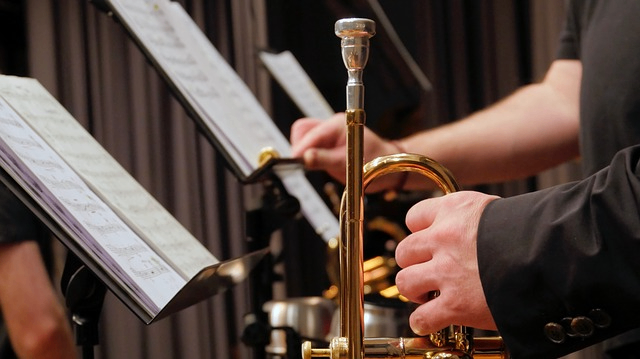
From blazing jazz improvisations and soulful ballads to triumphant orchestral themes and electrifying big band performances, the trumpet has long been one of music’s most powerful and expressive instruments. The greatest trumpet players of all time turned breath and brass into pure emotion, delivering performances filled with passion, precision, energy, and unforgettable personality. Some became legends through dazzling technical mastery and lightning fast solos, while others captivated audiences with warm tone, lyrical beauty, and timeless melodic phrasing. Across jazz, classical music, blues, Latin music, and popular entertainment, these iconic musicians pushed the trumpet far beyond its traditional role and helped shape the sound of entire musical eras. Their influence still echoes through every bold and brilliant note played today.
1. Louis Armstrong
Louis Armstrong is one of the most popular trumpet players of all time because he changed the sound, spirit, and direction of modern music. Born in New Orleans, Armstrong grew from difficult early circumstances into a musician whose influence reached jazz, popular song, blues, swing, and entertainment culture across the world. His trumpet playing was bold, bright, rhythmically alive, and deeply personal. Before Armstrong, jazz often emphasized collective ensemble playing. After Armstrong, the soloist became a central figure, and the trumpet became a voice of personality, invention, and emotional authority. His greatest songs include West End Blues, Potato Head Blues, Heebie Jeebies, When the Saints Go Marching In, La Vie En Rose, Hello, Dolly!, and What a Wonderful World. What a Wonderful World became one of his most beloved recordings, with his gravelly vocal warmth carrying a message of tenderness and hope. Yet his trumpet legacy is just as essential, especially in early masterpieces where his phrasing opened new possibilities for jazz improvisation. Armstrong could make a high note feel triumphant, a blues phrase feel human, and a melody feel like speech. His joy was never shallow. It carried resilience, humor, pain, and wisdom. Every major jazz trumpeter owes something to the path Louis Armstrong cleared.
2. Miles Davis
Miles Davis is one of the most influential trumpet players in music history, not because he stayed in one style, but because he kept changing the future. Born in Illinois, Davis emerged from the bebop world of Charlie Parker and Dizzy Gillespie, then became a leading force in cool jazz, hard bop, modal jazz, orchestral jazz, fusion, and electric experimentation. His major recordings include So What, Freddie Freeloader, Blue in Green, All Blues, Milestones, Round Midnight, Flamenco Sketches, and later electric works such as Bitches Brew. So What is one of his signature pieces, built around spacious modal harmony and a relaxed groove that gives Davis room to play with extraordinary restraint. His trumpet tone could be smoky, lonely, cool, and piercing without relying on constant force. Davis understood the power of silence. He could leave space in a phrase and make that space feel as meaningful as the notes themselves. His use of the Harmon mute gave him an unmistakable sound, intimate and almost vocal. As a bandleader, he also discovered and elevated generations of major musicians. Davis made the trumpet a symbol of modern elegance, risk, and reinvention. His popularity endures because his music always seems to point forward, even decades after it was recorded.
3. Dizzy Gillespie
Dizzy Gillespie was one of the great architects of bebop, a trumpet virtuoso whose brilliance, humor, and rhythmic imagination changed jazz forever. Born in South Carolina, Gillespie helped transform swing era language into something faster, more harmonically complex, and more adventurous. Alongside Charlie Parker, he became central to the bebop revolution, pushing improvisation into new territory with daring melodic lines and advanced chord movement. His most famous songs include A Night in Tunisia, Salt Peanuts, Groovin’ High, Con Alma, Manteca, and Birks Works. A Night in Tunisia remains one of his signature compositions, a thrilling blend of exotic atmosphere, rhythmic tension, and bebop fire. Gillespie’s trumpet style was dazzling, full of high notes, quick turns, rhythmic surprises, and fearless harmonic exploration. His puffed cheeks and bent trumpet became iconic, but the image never overshadowed the musical substance. He was also a major force in bringing Afro Cuban rhythms into jazz, especially through collaborations that helped create Latin jazz as a powerful modern language. Gillespie could make complex music feel joyful, mischievous, and explosive. He was both scholar and entertainer, innovator and showman. His popularity rests in that rare combination of technical mastery, intellectual daring, and irresistible personality.
4. Chet Baker
Chet Baker became one of the most recognizable trumpet players in jazz through a sound that was fragile, lyrical, intimate, and hauntingly beautiful. Born in Oklahoma and raised partly in California, Baker rose to fame in the cool jazz movement of the 1950s, especially through his work with Gerry Mulligan and his own vocal recordings. His major songs include My Funny Valentine, I Fall in Love Too Easily, But Not for Me, Let’s Get Lost, Time After Time, and There Will Never Be Another You. My Funny Valentine became his signature piece, capturing the emotional essence of his trumpet style. Baker did not play with the blazing force of Dizzy Gillespie or the structural authority of Miles Davis. His gift was vulnerability. His lines often sound as if they are barely holding together, yet that delicacy gives them devastating emotional power. Baker’s trumpet tone was soft, breathy, and melodic, with a singing quality that matched his understated vocals. His life was troubled, marked by addiction and instability, but his best recordings have a timeless late night glow. He made jazz feel private, romantic, wounded, and deeply human. Chet Baker remains popular because his music speaks to loneliness with unusual grace, making quiet emotion feel unforgettable.
5. Wynton Marsalis
Wynton Marsalis is one of the most celebrated trumpet players of the modern era, admired for his extraordinary command of both jazz and classical music. Born in New Orleans into the famous Marsalis musical family, he emerged in the early 1980s as a prodigy with remarkable technique, historical knowledge, and ambition. Marsalis became known for helping revive interest in acoustic jazz while also proving himself as a classical virtuoso with performances of works by Haydn, Hummel, and other major composers. His jazz recordings include Black Codes, J Mood, Think of One, The Majesty of the Blues, and large scale works such as Blood on the Fields. His performance of the Haydn Trumpet Concerto shows his classical brilliance, with sparkling articulation, clear tone, elegant phrasing, and fearless control. Marsalis’ trumpet sound can be bold and ringing, but also refined and lyrical. He has been a major advocate for jazz education, tradition, swing, blues feeling, and cultural preservation. Some listeners know him through concert halls, others through jazz clubs, recordings, television appearances, and his leadership at Jazz at Lincoln Center. His popularity comes from more than technical excellence. Marsalis represents the trumpet as a serious artistic voice across multiple traditions, carrying both discipline and deep respect for musical history.
6. Clifford Brown
Clifford Brown is one of the most beloved trumpet players in jazz, even though his life and career were tragically brief. Born in Delaware, Brown became a leading figure in hard bop during the 1950s, especially through his partnership with drummer Max Roach. His playing combined technical brilliance, warm tone, melodic imagination, and emotional generosity. Unlike some jazz legends whose lives were shaped by destructive habits, Brown was widely admired for his discipline, kindness, and seriousness of purpose. His major recordings include Joy Spring, Daahoud, Sandu, Parisian Thoroughfare, Brownie Speaks, and Gerkin for Perkin. Joy Spring is one of his most famous compositions, written with a bright melodic charm that reflects both his optimism and his sophistication. Brown’s trumpet tone was full, clean, and glowing, with a natural authority that made difficult lines sound effortless. He could play fast with remarkable clarity, but his ballad work showed equal depth. His influence on later trumpeters is enormous, especially on players who value melodic structure, harmonic intelligence, and beautiful sound. Brown died in a car accident at only twenty five, but the recordings he left behind remain central to jazz study and listening. Clifford Brown’s popularity endures because his music radiates youthful brilliance, warmth, and grace.
7. Lee Morgan
Lee Morgan was one of the brightest trumpet stars of hard bop, a player whose fire, swagger, and soulful instincts made him one of Blue Note Records’ defining voices. Born in Philadelphia, Morgan was a prodigy who joined Dizzy Gillespie’s big band as a teenager and later became an essential member of Art Blakey’s Jazz Messengers. His recordings combine bebop vocabulary, blues feeling, gospel energy, and streetwise confidence. His most famous songs include The Sidewinder, Ceora, Search for the New Land, Totem Pole, Speedball, and Candy. The Sidewinder became a major jazz hit, driven by a funky groove, catchy trumpet theme, and a mood that felt stylish, modern, and instantly memorable. Morgan’s trumpet sound was bright, brash, and full of personality. He could attack a phrase with biting confidence, then turn around and play a ballad with surprising tenderness. His improvisations often have a dramatic shape, building excitement while staying rooted in melody and swing. Morgan’s life ended tragically when he was killed at only thirty three, but his influence remained powerful. He helped make hard bop feel both serious and accessible, intellectual and earthy. Lee Morgan remains popular because his music has attitude, elegance, groove, and unforgettable trumpet charisma.
8. Freddie Hubbard
Freddie Hubbard was one of the most powerful and versatile trumpet players of the post bop era, known for his brilliant tone, fearless range, and ability to thrive in many musical settings. Born in Indianapolis, Hubbard arrived in New York and quickly became one of the most in demand trumpeters of his generation. He played on landmark recordings with artists such as Art Blakey, John Coltrane, Ornette Coleman, Herbie Hancock, Eric Dolphy, and Wayne Shorter, while also building a major solo career. His essential songs include Red Clay, Little Sunflower, First Light, Sky Dive, Open Sesame, and Hub Tones. Red Clay became one of his signature recordings, blending jazz, funk, soul, and electric era energy into a track that still feels alive and contemporary. Hubbard’s trumpet playing could be explosive, muscular, and technically dazzling, but he also had a strong melodic sense. He moved comfortably through hard bop, modal jazz, avant garde sessions, fusion, and more commercial jazz styles. His sound had a burnished brilliance, and his solos often surged with confidence and momentum. Hubbard’s popularity comes from his ability to combine virtuosity with groove. He was a trumpeter’s trumpeter, but his best recordings also connect directly with listeners through energy, color, and sheer musical excitement.
9. Maynard Ferguson
Maynard Ferguson became one of the most famous trumpet players in popular big band and jazz fusion circles because of his astonishing upper register, explosive showmanship, and high energy arrangements. Born in Canada, Ferguson first gained attention as a young virtuoso before joining Stan Kenton’s orchestra and later leading his own bands. He became known for making the trumpet sound almost superhuman, soaring into high notes with power, accuracy, and theatrical flair. His best known recordings include Gonna Fly Now, MacArthur Park, Birdland, Chameleon, Rocky II Disco, and Give It One. Gonna Fly Now, his version of the theme from Rocky, became his most famous mainstream hit and perfectly captures his appeal. It is triumphant, brassy, athletic, and built for maximum lift. Ferguson’s music often blurred the line between jazz, pop, funk, and big band spectacle. Critics sometimes focused on the flash, but his command of breath, embouchure, range, and bandleading was extraordinary. He inspired generations of young trumpet players who heard those stratospheric notes and wanted to experience that thrill for themselves. Maynard Ferguson’s popularity rests in excitement. He made trumpet playing feel like a high wire act, full of risk, power, and crowd pleasing brilliance.
10. Arturo Sandoval
Arturo Sandoval is one of the most dazzling trumpet players of the modern age, a Cuban born virtuoso whose music combines jazz, Afro Cuban rhythm, classical technique, bebop language, and breathtaking range. Sandoval was deeply influenced by Dizzy Gillespie, who became both mentor and friend, and he carried that bebop spirit into a Latin jazz context with extraordinary energy. His most important performances include A Night in Tunisia, There Will Never Be Another You, Flight to Freedom, Sandunga, Be Bop, and Trumpet Evolution. His performances of A Night in Tunisia are especially famous because they show his ability to combine blazing speed, rhythmic precision, high note power, and joyful musical personality. Sandoval’s trumpet sound is brilliant and commanding, capable of extreme intensity but also lyrical beauty. He can play jazz improvisation, classical concert music, ballads, film themes, and Cuban dance rhythms with equal confidence. His life story, including his move from Cuba to the United States, has added to his symbolic stature as an artist associated with freedom and artistic ambition. Sandoval’s popularity comes from the sheer thrill of hearing someone push the trumpet to its limits while still making music that feels passionate and alive. He is both a virtuoso technician and a deeply expressive performer.
11. Herb Alpert
Herb Alpert is one of the most commercially successful trumpet players of all time, known for his warm tone, catchy melodies, and major role in bringing instrumental pop to a wide audience. Born in Los Angeles, Alpert rose to fame with Herb Alpert and the Tijuana Brass, a group whose sound mixed pop, jazz, mariachi inspired color, easy listening charm, and upbeat arrangements. His biggest songs include The Lonely Bull, A Taste of Honey, Tijuana Taxi, Spanish Flea, This Guy’s in Love with You, and Rise. Rise became one of his major late career hits, a smooth, sensual instrumental built around a relaxed groove and an elegant trumpet line. Alpert’s playing is not about bebop complexity or high note fireworks. Its appeal lies in tone, melody, and feel. He knows how to make a trumpet line memorable enough for listeners to hum after one hearing. Beyond performance, Alpert co founded A&M Records, helping shape the careers of many major artists and becoming a significant figure in the music business. His popularity reflects a different side of trumpet history, where the instrument becomes accessible, stylish, and radio friendly. Herb Alpert made trumpet music part of everyday popular culture, proving that instrumental records could be charming, sophisticated, and massively successful.
12. Doc Severinsen
Doc Severinsen became one of America’s most recognizable trumpet players through his long association with The Tonight Show, where his dazzling sound, colorful outfits, and commanding presence made him a household name. Born in Oregon, Severinsen developed into a superb technical player with a brilliant tone, exceptional range, and deep knowledge of big band and popular music. As leader of The Tonight Show Band, he brought high level musicianship into millions of homes, introducing mainstream audiences to the excitement of live brass performance. His best known pieces include MacArthur Park, Begin the Beguine, Georgia on My Mind, In the Mood, and many big band showpieces. His performances of MacArthur Park became especially associated with his powerful high register playing and dramatic flair. Severinsen could deliver technical fireworks, but he also had musical command and professional polish. He represented the tradition of the great studio, television, and bandstand trumpeter, a player who could read anything, lead a band, entertain a crowd, and still dazzle serious musicians. His popularity came from visibility, charisma, and skill. Doc Severinsen made trumpet playing glamorous, exciting, and accessible to television audiences, while earning lasting respect from brass players who understood just how demanding his style could be.
13. Maurice André
Maurice André is one of the most celebrated classical trumpet players of all time, a French virtuoso who helped bring the trumpet to the front of the concert stage as a solo instrument. Born in Alès, France, André came from a mining family and rose through extraordinary talent, discipline, and musical elegance. He became especially famous for his work on the piccolo trumpet, which allowed him to perform Baroque repertoire with clarity, brilliance, and expressive refinement. His important recordings include works by Haydn, Hummel, Telemann, Vivaldi, Bach, Marcello, and many other composers. His performance of the Marcello Trumpet Concerto in D minor demonstrates the singing quality that made him legendary. André’s sound was bright but never harsh, agile but never mechanical. He brought a vocal sense of phrasing to classical trumpet playing, shaping long lines with grace and warmth. His influence on trumpet education and performance is immense. Many modern classical trumpeters learned from his recordings, his tone, and his approach to articulation. André also expanded public interest in trumpet repertoire, proving that the instrument could be lyrical, noble, intimate, and dazzling in a concert setting. His popularity endures because his playing has both technical purity and emotional beauty, making the trumpet sound elegant, expressive, and timeless.
14. Harry James
Harry James was one of the most famous trumpet players and bandleaders of the swing era, known for his brilliant tone, romantic phrasing, and dazzling technical ability. Born into a circus family, James developed extraordinary trumpet skills at a young age and later became a star with Benny Goodman before launching his own hugely successful orchestra. His most popular recordings include You Made Me Love You, Ciribiribin, Trumpet Blues and Cantabile, I’ve Heard That Song Before, Sleepy Lagoon, and Two O’Clock Jump. You Made Me Love You became one of his signature recordings, showcasing the warm, singing trumpet tone that made him beloved by audiences far beyond jazz circles. James could play with tremendous speed and power, but his ballad style was equally important. He made the trumpet sound romantic, polished, and glamorous, perfectly suited to dance halls, radio broadcasts, and wartime popular culture. His orchestra also featured major vocalists, including Helen Forrest and a young Frank Sinatra, helping shape the sound of popular entertainment in the 1940s. James’ popularity was enormous in his era, and his influence extended to trumpeters who admired both his technique and his showmanship. Harry James made the trumpet a star voice in big band music, capable of both spectacle and sentiment.
15. Clark Terry
Clark Terry was one of jazz’s most admired trumpet and flugelhorn players, loved for his warm tone, playful imagination, technical mastery, and generous spirit. Born in St. Louis, Terry worked with some of the greatest ensembles in jazz, including the bands of Count Basie and Duke Ellington. He later became a familiar television presence and an important mentor to younger musicians. His best known pieces include Mumbles, Perdido, Serenade to a Bus Seat, In a Mist, and many performances with Oscar Peterson and major big bands. Mumbles became his most famous novelty and showpiece, combining comic vocal sound, rhythmic brilliance, and jazz sophistication. Yet Terry was far more than a humorous performer. His trumpet and flugelhorn playing were models of swing, clarity, and melodic invention. He had a sound that could be bright and joyful on trumpet, then soft and buttery on flugelhorn. Terry’s phrasing was full of personality, often witty without ever becoming shallow. He influenced generations of musicians not only through recordings, but through teaching and mentorship. His kindness became part of his legend, especially in later life as he continued encouraging young players. Clark Terry’s popularity endures because his music radiates intelligence, warmth, humor, and humanity. He made virtuosity feel friendly, swinging, and full of life.

Samuel Moore is a frequent contributor to Singers Room. Since 2005, Singersroom has been the voice of R&B around the world. Connect with us via social media below.