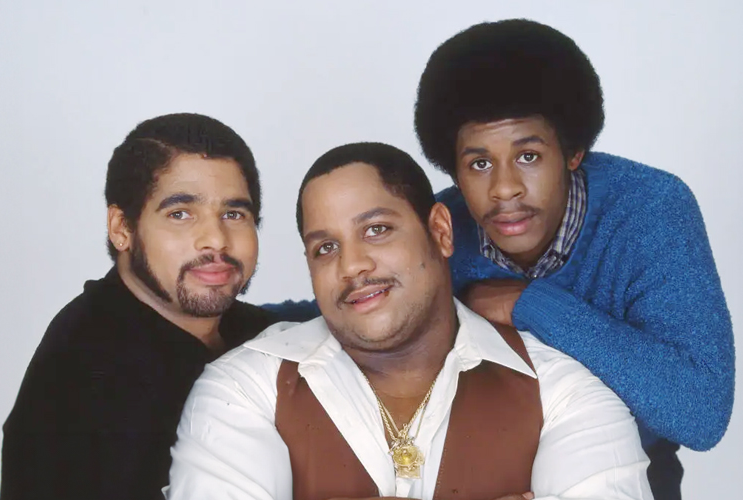
Before hip hop became a global cultural force, The Sugarhill Gang helped introduce rap music to mainstream audiences with energy, humor, rhythm, and unforgettable style. Emerging at a time when hip hop was still growing out of block parties and DJ culture in New York, the group transformed the sound of the streets into chart dominating records that changed music history forever. Their songs blended funky grooves, playful storytelling, party atmosphere, and rapid fire rhymes that felt fresh and revolutionary to listeners around the world. While many artists later expanded and reinvented hip hop, The Sugarhill Gang remains one of the genre’s foundational acts, proving that rap music could dominate radio, clubs, and pop culture alike. Their most popular songs still capture the excitement, creativity, and joyful spirit of hip hop’s earliest golden era.
1. Rapper’s Delight
“Rapper’s Delight” is the Sugarhill Gang song that changed the direction of popular music. Before this record, hip hop lived most vividly at parties, parks, community centers, and clubs, where DJs and MCs created excitement in real time. This single brought that energy into living rooms, radio stations, and record stores across the world. Its famous bass groove, borrowed from the spirit of disco and funk, gave listeners an irresistible foundation, while Wonder Mike, Big Bank Hank, and Master Gee delivered rhymes that felt playful, stylish, and completely new to mainstream audiences.
The track is long, loose, and full of personality, which is part of its charm. It does not move like a traditional pop single. It feels more like a party captured on record, with each MC stepping forward to display confidence, humor, rhythm, and verbal flair. “Rapper’s Delight” became historic because it proved rap could sell, travel, and command attention far beyond the neighborhoods where hip hop culture was born. Its impact cannot be overstated. Even listeners who know only a few lines understand its place in music history. The song is fun, but it is also revolutionary. It opened doors for an entire art form, making The Sugarhill Gang permanent figures in the story of hip hop’s rise.
2. Apache Jump On It
“Apache Jump On It” is one of The Sugarhill Gang’s most enduring party records, a track that has lived several lives through dance floors, sports arenas, television moments, and pop culture memory. Built around the famous “Apache” groove, the song has a festive, chant driven energy that makes it instantly recognizable. Unlike the more sprawling narrative style of “Rapper’s Delight”, this track thrives on repetition, crowd participation, and pure physical motion. It is a record made to move bodies before anything else.
The song’s appeal comes from its playful command of rhythm. The Sugarhill Gang understood that early hip hop was not only about lyrical complexity; it was about presence, timing, and the ability to energize a room. The vocal chants are direct and memorable, turning the track into something almost ritualistic in party settings. “Apache Jump On It” became especially famous with later generations because it was so easy to revive. The groove feels open, bright, and instantly communal, inviting listeners to dance, shout, and participate. Its continued popularity shows how deeply early hip hop was connected to celebration. The track may not carry the historical shock of their debut single, but it remains one of their most beloved recordings because it captures hip hop at its most communal and joyful. It is music as movement, humor, and shared release.
3. 8th Wonder
“8th Wonder” stands as one of The Sugarhill Gang’s most important follow up records, proving that the group could deliver another memorable slice of early hip hop after the massive breakthrough of “Rapper’s Delight”. The track has a tighter, more polished feel, with a groove that reflects the evolving sound of Sugar Hill Records and the growing confidence of recorded rap. Its title alone carries ambition, presenting the group as a marvel of entertainment, rhythm, and verbal showmanship. The performance is lively, theatrical, and packed with the playful boastfulness that defined much of early MC culture.
What makes “8th Wonder” so fascinating is how it captures hip hop during a transitional moment. Rap records were still new to much of the public, and artists were experimenting with how to translate the excitement of live party routines into the studio. The Sugarhill Gang leaned into character, callouts, and rhythmic momentum, creating a track that feels like a staged performance as much as a song. The groove gives the rhymes room to breathe, while the voices carry the confidence of entertainers determined to keep the crowd with them. The record remains popular among old school hip hop fans because it preserves the sound of an art form discovering its commercial language. It is funky, charming, historically rich, and full of the early rap spirit that made Sugar Hill such a crucial label.
4. Showdown
“Showdown” is a major old school hip hop event because it brings The Sugarhill Gang together with Grandmaster Flash and The Furious Five, two foundational forces connected to the early recorded rise of rap music. The very concept feels like a meeting of giants from the Sugar Hill universe, with different voices, styles, and energies sharing space over a long, groove heavy arrangement. The song captures the competitive spirit that has always fueled hip hop, but it does so with a sense of celebration rather than hostility. It is about display, presence, and proving who can command the microphone.
The record works as a time capsule of early rap performance. Each voice enters with personality, carrying the influence of party MC traditions where endurance, crowd connection, and rhythmic control mattered deeply. “Showdown” does not sound like later battle rap, where lyrical aggression became sharper and more personal. Instead, it feels like a grand stage presentation, with crews showing their skills in a format designed to excite listeners. The groove is steady and expansive, giving the performers plenty of room to stretch out. For fans of early hip hop history, the track remains fascinating because it documents a moment when rap crews were still defining what recorded competition could sound like. It is popular not only for its music, but for its lineup, its ambition, and its place in the broader story of hip hop becoming a recorded cultural force.
5. Sugarhill Groove
“Sugarhill Groove” is a vivid example of how The Sugarhill Gang helped build rap music from the materials of funk, disco, party chants, and live performance tradition. The song moves with an easy, danceable pulse, placing groove at the center of the experience. In early hip hop, the beat was not just background. It was the foundation of the entire social event, the reason people gathered, danced, and responded to the MCs. This track understands that completely. The title itself feels like a declaration of identity, tying the group directly to the label and sound that helped introduce rap records to a global audience.
The vocal performances are loose, friendly, and full of old school charm. The Sugarhill Gang’s strength was never about sounding severe or untouchable. Their records often carried the atmosphere of a party where personality mattered as much as technical sharpness. “Sugarhill Groove” reflects that spirit beautifully. The rhymes ride the rhythm with an entertainer’s instinct, giving listeners room to enjoy the musical flow without being overloaded. The track remains significant because it captures the early rap recording format before the genre became more album focused, street documentary driven, or lyrically dense. This was hip hop as public celebration, rooted in community rhythm and microphone charisma. For listeners who appreciate the earliest commercial chapter of rap, “Sugarhill Groove” remains a stylish and enjoyable reminder of how much the groove shaped everything.
6. Kick It Live From 9 to 5
“Kick It Live From 9 to 5” captures The Sugarhill Gang working in a period when hip hop records were becoming more rhythmically varied, more structured, and more connected to the everyday language of working life and party escape. The title suggests endurance, labor, and performance all at once, as if the group is turning the daily grind into a stage for rhyme and rhythm. That idea fits the early hip hop ethos beautifully. Rap was built from resourcefulness, from making celebration out of limited spaces and making style out of ordinary experience.
The track has the feel of a live routine shaped for record, which is one of the defining qualities of The Sugarhill Gang’s catalog. The group’s delivery is energetic and crowd conscious, emphasizing flow, callout energy, and the ability to keep momentum alive. “Kick It Live From 9 to 5” may not have the universal name recognition of their biggest classics, but it remains an important part of their old school identity. The groove gives the song a sturdy foundation, while the rhymes preserve the good natured confidence of early commercial rap. There is a strong sense of performance craft here, the kind that comes from understanding how to hold attention over an extended beat. For fans exploring beyond the obvious hits, this track shows The Sugarhill Gang continuing to refine their party rooted sound while staying faithful to the communal spirit that made them famous.
7. Passion Play
“Passion Play” shows The Sugarhill Gang leaning into a smoother and more sensual side of early hip hop, proving that the group’s appeal was not limited to party chants and historic novelty. The track carries a warm rhythm and a more relaxed mood, giving the MCs room to explore romance, charm, and personality. In the context of early rap records, that approach is important. Hip hop was still defining how many subjects it could hold, and songs like this helped demonstrate that MCs could move from party rocking to flirtation without losing the groove.
The beauty of “Passion Play” lies in its atmosphere. The performance is less explosive than “Apache Jump On It” and less monumental than “Rapper’s Delight”, but it has its own inviting character. The Sugarhill Gang sound comfortable over the track, using voice and rhythm to create a mood that feels playful and grown. The production reflects the period beautifully, with funk and soul textures supporting a rap style still closely tied to live entertainment. The record remains appealing because it captures an early example of hip hop’s romantic lane before later generations expanded that space dramatically. It is not trying to be aggressive or revolutionary in the obvious sense. Instead, it shows range, charm, and musical adaptability. For listeners interested in the fuller Sugarhill Gang catalog, “Passion Play” is a rewarding reminder that early rap could be smooth as well as explosive.
8. Livin’ In the Fast Lane
“Livin’ In the Fast Lane” presents The Sugarhill Gang in a later phase, when hip hop had already begun changing rapidly and the group was navigating a landscape very different from the one they helped open. The song’s title reflects speed, ambition, pressure, and the restless atmosphere of urban life. Compared with the carefree party mood of their earliest recordings, this track feels more connected to motion and modern tension. It shows the group adapting to a sharper era while still maintaining their recognizable old school foundation.
The rhythm has a driving quality that suits the subject perfectly. The performance suggests movement through a world where everything is happening quickly, and where success, danger, fun, and pressure may all share the same road. “Livin’ In the Fast Lane” is significant because it highlights the challenge faced by many early rap pioneers. The genre they helped introduce did not stand still. By the mid nineteen eighties, hip hop was becoming more competitive, more experimental, and more lyrically focused. The Sugarhill Gang’s continued recordings from this period reveal artists trying to remain active within a culture that was accelerating around them. The song remains interesting and enjoyable because it captures that sense of transition. It has groove, personality, and a theme that still feels familiar. Life moves fast, and The Sugarhill Gang turn that speed into a rhythmic statement.
9. Troy
“Troy” is one of the deeper cuts in The Sugarhill Gang’s catalog that remains worth attention because it reflects the group’s later development beyond their most famous early singles. The track has a distinctive old school feel, built around an extended groove and a performance style that values presence, rhythm, and storytelling energy. While many casual listeners know the group mainly for one or two monumental songs, recordings like “Troy” reveal how they continued working within the evolving language of rap as the genre grew more crowded and stylistically diverse.
The appeal of “Troy” comes from its sense of character. Early hip hop often thrived on names, personas, playful references, and performance identity, and this track sits comfortably within that tradition. The Sugarhill Gang use the beat as a platform for personality, keeping the mood lively while maintaining the extended structure common to many early rap records. It is a reminder that hip hop’s first commercial era often favored groove and duration over the compact radio structures that would become more common later. The track gives listeners a window into the group’s persistence after the first wave of fame. It may not carry the cultural weight of “Rapper’s Delight”, but it contributes to the fuller picture of The Sugarhill Gang as more than a historic footnote. They were working artists in a young genre, still exploring rhythm, voice, and audience connection.
10. The Lover in You
“The Lover in You” is a smooth and fascinating entry in The Sugarhill Gang’s catalog, showing how early hip hop could flirt with romance, funk, and personality driven storytelling. The song stands apart from the group’s most famous party anthems because it is more focused on charm and emotional attitude than sheer crowd rocking momentum. That does not mean it lacks rhythm. On the contrary, its groove provides a warm and stylish setting for the MCs to explore a more intimate mood while still staying connected to the old school rap tradition.
The track is important because it points toward a lane that hip hop would later develop in countless ways: the romantic rap record. Long before love themed rap became a major commercial category, early groups were already testing how spoken rhythm, flirtation, and danceable production could work together. “The Lover in You” captures that experimentation with the relaxed confidence of a group that understood entertainment. The performance is playful rather than overly serious, which suits The Sugarhill Gang’s personality. Their style always carried a sense of public fun, even when the subject matter shifted. This song remains a rewarding listen because it expands the picture of what the group could do. It reminds listeners that early hip hop was not one dimensional. It could be humorous, historic, competitive, funky, romantic, and stylish, often within the same artist’s catalog.

Edward Tomlin is a frequent contributor to Singers Room. Since 2005, Singersroom has been the voice of R&B around the world. Connect with us via social media below.