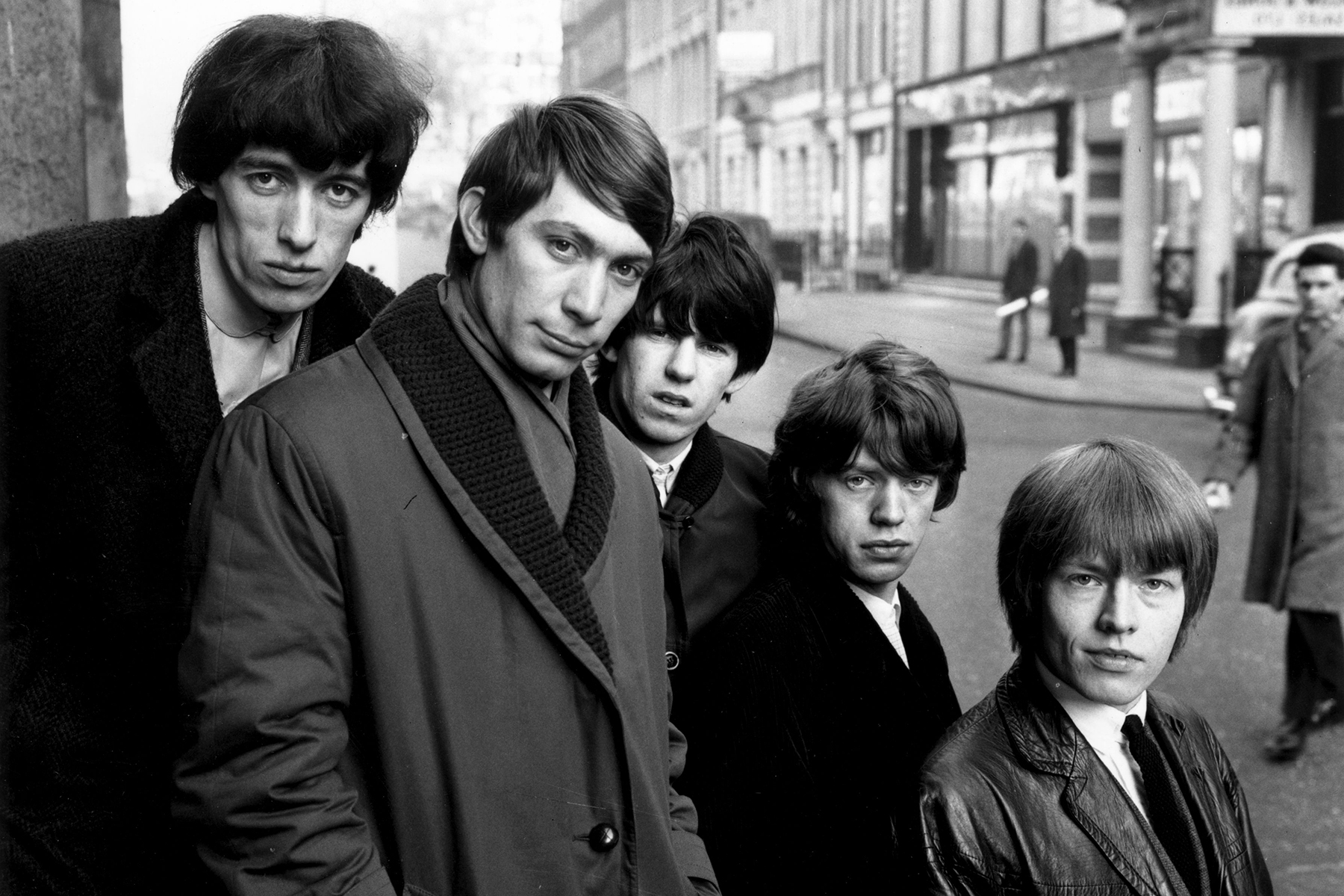
Swagger, grit, and a rebellious spirit that refuses to age—The Rolling Stones built a legacy on attitude as much as sound. Rooted in blues but sharpened by rock and roll edge, their music pulses with raw energy, sharp lyrics, and unforgettable riffs. From sneering anthems to soulful ballads, they mastered the art of sounding dangerous yet irresistibly catchy. Each song feels like a moment captured in motion, restless, bold, and alive. This collection dives into the tracks that defined their enduring impact, where charisma, rhythm, and rock mythology collide to create some of the most iconic songs ever recorded.
1. Satisfaction
Satisfaction is the sound of rock and roll discovering the full power of dissatisfaction and turning it into a weapon. Built around one of Keith Richards’ most famous riffs, the song has the blunt force of an idea that arrived fully formed. That fuzz guitar line is more than a hook. It is a sneer, a siren, and a cultural alarm bell. Mick Jagger’s vocal gives the song its bite, delivering frustration with advertising, romance, social pressure, and modern noise as if he is both bored by it all and furious enough to tear through it.
What makes Satisfaction so enduring is its clarity. The song does not need elaborate poetry to make its point. It captures a feeling so common and so combustible that the title phrase became part of the language. The Rolling Stones transformed restlessness into anthem. Charlie Watts keeps the beat steady and unflashy, Bill Wyman locks down the pulse, and Brian Jones adds to the band’s tense, compact attack. Everything works in service of attitude.
The record helped define The Rolling Stones as the darker, sharper alternative to polished pop innocence. It sounded impatient, adult, and unmistakably physical. Decades later, Satisfaction remains popular because it still feels immediate. Its rebellion is not tied to one era. Anyone who has felt sold to, talked at, tempted, bored, or denied can hear themselves inside that riff. It is rock music reduced to its most essential nerve.
2. Gimme Shelter
Gimme Shelter is one of the most chilling recordings in rock history, a song that seems to hear disaster before it arrives. From the opening guitar figure, Keith Richards creates an atmosphere of dread, beauty, and gathering storm. The sound is not merely dark. It is weathered, haunted, and cinematic. Mick Jagger enters with a vocal that feels both alarmed and strangely controlled, singing of war, violence, and survival as if the world outside the studio has begun to crack open.
The song’s power grows from its sense of inevitability. Charlie Watts plays with grim precision, Bill Wyman and the rhythm track create a deep undertow, and the arrangement widens without ever losing its menace. Then Merry Clayton enters and turns the record into something almost apocalyptic. Her vocal is one of the greatest guest performances in rock, a raw and shattering cry that pushes the song beyond commentary into direct human terror.
Gimme Shelter is often associated with the end of the sixties dream, but its reach is larger than that. It captures the feeling of living in a world where danger is close, shelter is fragile, and peace may be only a temporary illusion. The Rolling Stones never sounded more serious, more atmospheric, or more prophetic. The song remains popular because it does not age like a period piece. It still sounds like a warning coming over the horizon.
3. Paint It Black
Paint It Black is The Rolling Stones at their most hypnotic and shadow drenched, a song that turns grief into motion. The famous sitar line gives the track its instantly recognizable character, but the instrument is not used as exotic decoration alone. It becomes part of the song’s emotional machinery, circling the listener with a restless, almost obsessive energy. Mick Jagger’s vocal is taut and dramatic, presenting a mind overwhelmed by loss, alienation, and the desire to erase color from the world.
The rhythm is crucial. Charlie Watts drives the song forward with a pulse that feels urgent and ceremonial, while the band creates a dense, swirling atmosphere around him. The genius of Paint It Black is that it makes despair move fast. Instead of sinking into a slow lament, the song gallops through darkness, giving grief the shape of panic rather than stillness.
The lyrics are stark and visual. Red doors, blackened colors, passing cars, and funeral imagery create a world where perception itself has been altered by sorrow. That is why the song remains so powerful. It does not simply say the narrator is sad. It shows the whole world being repainted by pain.
Paint It Black remains one of the band’s most popular tracks because it combines rock intensity, psychological drama, and adventurous arrangement into something unforgettable. It is mysterious, forceful, and emotionally severe, a dark jewel in the Stones catalog.
4. Sympathy for the Devil
Sympathy for the Devil is one of The Rolling Stones’ most daring creations, a song that turns historical horror, theatrical wit, and rhythmic sophistication into a chilling rock classic. Mick Jagger sings from the perspective of the devil, but the performance is not a simple shock tactic. It is a mirror held up to human violence. The narrator appears at moments of cruelty and upheaval, yet the song’s unsettling implication is that evil is not an outside visitor. It is woven into history, power, and human choice.
The groove is hypnotic, built on a samba inspired rhythm that gives the track an elegant, ritualistic pulse. The percussion and piano create movement, while the famous background chants add a sinister communal quality. What makes Sympathy for the Devil so brilliant is the contrast between its danceable surface and its disturbing intelligence. It seduces the listener while asking uncomfortable questions.
Keith Richards’ guitar work gives the song its sharp edge, especially in the biting solo that cuts through the rhythm with controlled fire. Jagger’s vocal is playful, cruel, charismatic, and theatrical all at once. He performs the role with enough charm to make the listener uneasy, which is exactly the point.
The song remains popular because it rewards both casual and deep listening. It works as a groove, a character piece, a historical meditation, and a dark piece of rock theater. Few bands could make danger sound this elegant.
5. Jumpin’ Jack Flash
Jumpin’ Jack Flash is The Rolling Stones returning to raw rock and roll force with magnificent confidence. After a period of psychedelic experimentation, the band reemerged with a track that sounded earthy, dangerous, and completely alive. The riff is thick, dirty, and instantly memorable, carrying the feel of something dragged out of the mud and set on fire. Mick Jagger’s vocal turns the title character into a survivor, a creature of hardship, chaos, and unstoppable momentum.
The song’s greatness lies in its toughness. Jumpin’ Jack Flash sounds like resilience wearing a grin. The lyrics are strange and vivid, full of storms, spikes, and rough birth imagery, but the chorus erupts with triumphant simplicity. It is all right now, not because life is easy, but because the narrator has endured what should have broken him.
Keith Richards’ guitar tone is central to the track’s identity. It is not clean or polite. It scrapes, growls, and pushes. Charlie Watts gives the song its disciplined swing, while the rest of the band locks into a groove that feels both loose and exact. That combination is one of the Stones’ defining secrets.
Jumpin’ Jack Flash remains one of their most beloved songs because it captures the band’s essential mythology. It is blues rooted, riff driven, sly, defiant, and built for the stage. Few songs announce survival with such swagger.
6. You Can’t Always Get What You Want
You Can’t Always Get What You Want is one of The Rolling Stones’ grandest statements, a song that transforms disappointment into communal wisdom. It begins with choir voices, creating an almost sacred atmosphere before gradually widening into a piece that blends rock, gospel, folk, and philosophical resignation. Mick Jagger sings with a tone that is observant rather than desperate, moving through scenes of parties, protests, prescriptions, and human need with the eye of someone trying to understand what desire really means.
The song’s famous refrain has become a cultural proverb, but its power comes from the way the band earns it musically. The track does not simply tell listeners to accept disappointment. It turns acceptance into release. The arrangement builds patiently, adding acoustic guitar, piano, horns, drums, and layered voices until the song feels like a procession.
Charlie Watts plays with understated authority, and the gradual entrance of the full band gives the track its emotional lift. The performance has looseness, but also purpose. It never feels overworked, even as it becomes enormous. That balance of casual texture and grand design is classic Stones.
You Can’t Always Get What You Want remains popular because it speaks to one of life’s hardest lessons without bitterness. The song recognizes frustration, hunger, illusion, and compromise, then finds a strange grace inside them. It is not simple comfort. It is hard earned perspective set to a magnificent groove.
7. Start Me Up
Start Me Up is one of The Rolling Stones’ most durable late period anthems, a song that proves how little they needed to create maximum impact when the groove was right. Keith Richards’ opening riff is instantly recognizable, lean and bright, with just enough swagger to announce the band before Mick Jagger even begins singing. The track has the feel of a machine roaring awake, but a very human machine, full of looseness, humor, and appetite.
The brilliance of Start Me Up is its economy. Nothing is overcrowded. The guitars interlock with relaxed precision, Charlie Watts gives the song a crisp and unfussy pulse, and Bill Wyman’s bass provides the low end movement that keeps everything grounded. The Stones make simplicity sound luxurious. Every part sits exactly where it should, creating a groove that feels effortless but is actually the product of decades of band chemistry.
Jagger’s vocal is all charisma and physicality. He plays with the lyric, leans into the innuendo, and treats the song like a stage already lit. The chorus is built for instant recognition, but the real pleasure is in the pocket. The band sounds confident enough to avoid overstatement.
Start Me Up remains popular because it captures The Rolling Stones as masters of controlled swagger. It is sleek, punchy, and endlessly reusable in arenas, broadcasts, and playlists because it delivers exactly what the title promises: ignition.
8. Brown Sugar
Brown Sugar is one of The Rolling Stones’ most famous and most controversial songs, a track whose irresistible musical force exists alongside lyrics that have long invited criticism and discomfort. As a recording, it is a blistering example of the band’s early seventies power. The riff is loose, dirty, and unforgettable, with Keith Richards and Mick Taylor helping create a guitar attack that feels both ragged and perfectly placed. Charlie Watts drives the song with crisp authority, giving the track its swaggering forward motion.
Mick Jagger’s vocal is full of sneer and energy, but modern listeners often hear the song through a more complicated lens because of its references to slavery, exploitation, and sexual violence. That tension is now inseparable from the song’s legacy. It remains a major Stones recording, but it is also a reminder that rock and roll history includes material that must be heard critically as well as musically.
Musically, Brown Sugar is almost impossible to deny. The saxophone break adds heat, the chorus lands with instant force, and the whole band sounds reckless in the most controlled way. It captures the Stones’ gift for making rhythm feel dangerous and celebratory at once.
The song remains popular because of its riff, energy, and historical place in the band’s catalog, but its continued discussion also reflects how audiences reconsider classic music over time. It is a powerful record, a complicated artifact, and one of the Stones’ most debated signatures.
9. Wild Horses
Wild Horses is one of The Rolling Stones’ most tender and emotionally exposed songs, a ballad that trades swagger for weary devotion. The song moves slowly, with a country soul influence that gives it a wide open, dust colored feeling. Keith Richards and Mick Taylor create guitar textures that feel both fragile and spacious, while Charlie Watts plays with gentle restraint. Nothing in the arrangement demands attention. Instead, everything makes room for the ache at the center.
Mick Jagger’s vocal is unusually vulnerable. He does not sing as a seducer, provocateur, or rock star myth. He sings like someone caught between love, regret, distance, and surrender. The phrase wild horses couldn’t drag me away works because it sounds both romantic and wounded. It suggests loyalty, but also helplessness, as if attachment has become stronger than choice.
The beauty of the song lies in its ambiguity. It can sound like a love song, a farewell, a confession, or a memory that refuses to fade. That openness has helped it endure across generations. It is specific enough to hurt, but broad enough for listeners to place their own stories inside it.
Wild Horses remains popular because it reveals the Stones’ softer power. Beneath all the riffs and danger, they could write with remarkable delicacy. This song proves that their emotional range was far wider than their reputation for rebellion alone might suggest.
10. Angie
Angie is one of The Rolling Stones’ most haunting ballads, a song that turns romantic ending into something graceful, wounded, and strangely beautiful. Built around a delicate acoustic guitar figure and a melody of aching simplicity, the track shows the band at their most restrained. Rather than leaning on blues swagger or rock aggression, they allow the sadness to breathe. The result is a song that feels intimate even though it became one of their biggest hits.
Mick Jagger’s vocal is central to its emotional force. He sings with theatrical sensitivity, but the performance never feels empty. There is a real sense of weariness in the way he shapes the title name, as though the relationship has already slipped beyond rescue. Angie captures the moment when love remains, but the future has disappeared. That emotional contradiction gives the song its staying power.
The arrangement is elegant and understated. Piano, strings, and guitar add color without overwhelming the vocal. The band resists the temptation to turn the song into a grand power ballad. Its strength comes from restraint, from the feeling of people speaking softly after everything loud has already happened.
Angie remains popular because it shows The Rolling Stones in a mode of melancholy sophistication. It is tender, polished, and deeply memorable. In a catalog known for riffs, rebellion, and swagger, this song stands apart as one of their most affecting portraits of goodbye.

Samuel Moore is a frequent contributor to Singers Room. Since 2005, Singersroom has been the voice of R&B around the world. Connect with us via social media below.