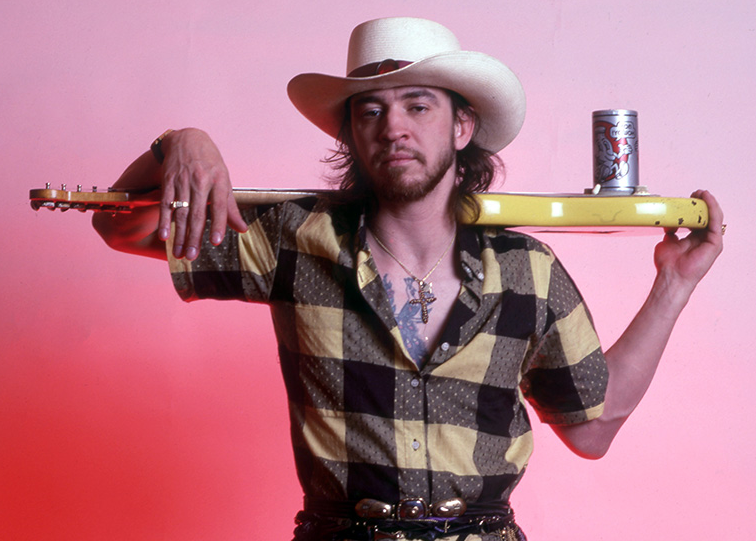
Explosive guitar solos, deep Texas blues grooves, and unstoppable passion made Stevie Ray Vaughan one of the greatest guitar players ever to step onto a stage. Blending the raw soul of classic blues with rock intensity and fiery technical skill, Vaughan revived blues music for a new generation during the 1980s while honoring legends like Albert King, Muddy Waters, and Jimi Hendrix. His playing could roar with thunderous energy one moment and ache with heartbreaking emotion the next, always delivered with astonishing feel and authenticity. Whether tearing through electrifying blues rock anthems or slowing things down for emotional ballads, Stevie Ray Vaughan brought unmatched intensity to every performance. These unforgettable songs showcase the power, soul, and musical brilliance that turned him into a lasting icon of blues and rock history.
1. Pride And Joy
“Pride And Joy” is the Stevie Ray Vaughan song that introduced millions of listeners to his fiery Texas blues personality. From the first guitar lick, the track announces itself with swing, confidence, and unmistakable tone. Vaughan’s Stratocaster sound is thick, bright, and muscular, but what truly makes the recording special is the feel. Every note snaps with authority, yet nothing feels mechanical. He plays with the relaxed command of someone who has absorbed decades of blues language and transformed it into his own vocabulary. The shuffle rhythm gives the song a joyful bounce, while the guitar fills answer the vocal with sharp, expressive bite.
Vocally, Vaughan sings with warmth and swagger. He does not have to compete with his guitar because the two parts seem to come from the same emotional source. “Pride And Joy” is a love song, but it is also a celebration of groove, tone, and blues tradition. The lyrics are direct and affectionate, yet the real romance is in the sound itself. Vaughan makes devotion feel like movement, like a dance floor filling up in a hot Texas club. The song became one of his most popular recordings because it is instantly accessible without sacrificing blues credibility. It remains a perfect gateway into his artistry: soulful, energetic, technically brilliant, and overflowing with personality.
2. Texas Flood
“Texas Flood” is one of Stevie Ray Vaughan’s most dramatic blues performances, a slow burning showcase for the enormous emotional force he could summon from a guitar. The song moves at a patient pace, giving every bend, pause, and vocal phrase room to breathe. Vaughan’s playing is not merely fast or loud. It is vocal in the deepest blues sense. His notes cry, plead, snarl, and rise with the intensity of someone turning weather into feeling. The title image suggests overwhelming natural force, and the performance lives up to it. His guitar sounds like rain, thunder, heartbreak, and survival all at once.
What makes “Texas Flood” so powerful is the balance between control and abandon. Vaughan can unleash torrents of notes, but he always understands where the emotion needs to land. The rhythm section gives him a strong foundation, steady enough to hold the storm while loose enough to let the performance stretch. His vocal adds another layer of grit, reminding listeners that he was not just a guitar hero but a deeply rooted blues singer. The song became one of his essential signatures because it captures the grandeur of electric blues at full emotional scale. “Texas Flood” remains popular because it feels like a complete journey, moving from sorrow to fire to release, all carried by one of the most expressive guitar voices in modern music.
3. Cold Shot
“Cold Shot” is one of Stevie Ray Vaughan’s most memorable songs because it combines a bruised romantic lyric with a groove so relaxed and infectious that the heartbreak almost smiles through the pain. The rhythm has a laid back Texas shuffle feel, giving Vaughan plenty of space to phrase both vocally and instrumentally. His guitar tone is clean enough to sting and dirty enough to ache, perfectly matching the emotional temperature of the song. Every lick sounds like a short sentence from someone who has been disappointed but still has enough style to stand tall.
The brilliance of “Cold Shot” lies in its understated power. The song is not built on furious speed or dramatic explosions. Instead, it rides a cool pocket, letting the groove carry the emotional weight. Vaughan’s vocal delivery is weary, conversational, and slightly amused, as if the narrator has been hurt before and recognizes the pattern all too well. The guitar fills are masterful because they never overcrowd the lyric. They slip between the lines, adding bite, regret, and personality. The track became one of Vaughan’s most popular recordings partly because it is so easy to feel. The hook is strong, the rhythm is irresistible, and the mood is pure blues wisdom. “Cold Shot” proves that Vaughan could be dazzling without needing to overwhelm, making heartbreak sound smooth, sharp, and unforgettable.
4. Crossfire
“Crossfire” is one of Stevie Ray Vaughan’s biggest late career songs, a driving blues and soul influenced track that showed his music could reach a wider radio audience without losing its bite. The song has a strong, punchy groove, filled with horn powered energy and a sense of urgency that separates it from some of his more traditional blues performances. Vaughan’s guitar still cuts through with unmistakable authority, but the arrangement gives the track a broader, more contemporary feel. It sounds like a musician fully aware of his roots while pushing his sound toward a larger stage.
The lyric captures pressure, frustration, and the feeling of being caught in forces beyond one’s control. Vaughan delivers it with conviction, bringing a survivor’s edge to every line. “Crossfire” arrived during a powerful period in his life and career, and the performance carries that sense of renewal. The groove is tight, the chorus is direct, and the guitar work remains fierce without dominating the entire arrangement. That balance helped make it one of his most commercially successful songs. It is accessible, but never shallow. The track shows Vaughan as more than a blues traditionalist. He could translate the blues into a modern format while preserving emotional truth and instrumental fire. “Crossfire” remains popular because it feels urgent, polished, and alive, powered by a musician playing with purpose and hard earned clarity.
5. Little Wing
“Little Wing” is one of Stevie Ray Vaughan’s most beloved instrumental performances, a deeply respectful interpretation of Jimi Hendrix’s classic that becomes something profoundly personal in Vaughan’s hands. Without a vocal, every emotional shade must come through the guitar, and Vaughan answers that challenge with breathtaking sensitivity. He does not treat the song as a chance to simply display technique. Instead, he turns it into a meditation on melody, tone, and feeling. The performance moves with patience, allowing phrases to bloom slowly and then fall away with aching beauty.
What makes “Little Wing” so special is the way Vaughan honors Hendrix while speaking in his own voice. The influence is clear, but the sound is unmistakably SRV: thicker, bluesier, and soaked in Texas soul. His bends are wide and vocal, his vibrato is intense, and his phrasing feels almost conversational. The song has a floating quality, as if the guitar is singing through memory rather than following a strict path. It became one of Vaughan’s most popular recordings because it reveals the emotional depth beneath his reputation for power. Here, the fire is present, but it is controlled by tenderness. “Little Wing” remains essential because it proves that Vaughan’s greatness was not only in speed or force. It was in touch, tone, restraint, and the ability to make a guitar sound heartbreakingly human.
6. Couldn’t Stand The Weather
“Couldn’t Stand The Weather” is a ferocious example of Stevie Ray Vaughan’s ability to combine blues tradition with rock intensity and rhythmic sophistication. The song hits with a stormy force, driven by a sharp riff and a performance that feels tense from the very beginning. Vaughan’s guitar tone is thick and aggressive, cutting through the arrangement with a sense of danger. The rhythm has a restless push, matching the song’s theme of tension, instability, and emotional pressure. It is one of those tracks where the music seems to embody the title before the lyric fully settles in.
Vaughan’s vocal is gritty and urgent, but the guitar remains the primary narrator. He plays with explosive confidence, moving between tight rhythmic figures and blazing lead passages that never lose their blues grounding. “Couldn’t Stand The Weather” is popular because it captures the full force of Double Trouble as a unit. The band sounds lean, tough, and locked into a groove that can handle Vaughan’s intensity without being swallowed by it. The song also demonstrates his gift for drama. He could create the feeling of a storm using tone, attack, and rhythmic pressure rather than studio gimmickry. “Couldn’t Stand The Weather” remains one of his essential songs because it is both technically thrilling and emotionally convincing, a powerful reminder that Vaughan’s blues could roar with the force of hard weather rolling across the Texas sky.
7. The Sky Is Crying
“The Sky Is Crying” is one of Stevie Ray Vaughan’s most moving blues interpretations, a performance that shows his deep connection to the emotional language of the masters who came before him. Originally associated with Elmore James, the song gives Vaughan a classic blues framework, and he fills it with aching tone, patient phrasing, and enormous feeling. From the first guitar lines, the atmosphere is heavy with sorrow. His bends seem to hang in the air like rain clouds, each one shaped with precision and pain. Few modern guitarists could make grief sound this vivid.
The greatness of “The Sky Is Crying” lies in Vaughan’s respect for space. He does not rush to impress the listener. He lets the slow blues form breathe, using silence and sustain as expressive tools. His vocal is raw and sincere, but the guitar often says even more. The notes do not merely decorate the song. They deepen the weather of it. The recording became one of his most popular and admired performances because it distills his relationship with the blues into something pure and reverent. Vaughan was never just copying older styles. He was channeling them through his own body, his own tone, and his own emotional intensity. “The Sky Is Crying” remains unforgettable because it feels like heartbreak translated directly into electric guitar.
8. Love Struck Baby
“Love Struck Baby” is one of Stevie Ray Vaughan’s most joyful and high energy recordings, a burst of Texas blues excitement that helped introduce his sound with youthful fire. The song moves fast, swinging with the energy of early rock and roll, jump blues, and electric Texas guitar tradition. Vaughan sounds thrilled to be playing, and that enthusiasm is contagious. His guitar lines leap, snap, and race through the arrangement with dazzling precision, but the performance never becomes cold or showy. It feels like a celebration, powered by rhythm, romance, and sheer musical appetite.
The lyric is playful and direct, capturing the dizzy feeling of being overwhelmed by attraction. Vaughan’s vocal has a bright, eager quality that suits the song perfectly. He is not trying to sound mysterious or wounded here. He sounds alive, excited, and ready to let the band burn. “Love Struck Baby” is especially important because it shows how naturally Vaughan could connect blues history with rock and roll momentum. The song has the spirit of the fifties, the guitar fire of the eighties, and the timeless swing of great bar band music. It remains popular because it captures the lighter side of his artistry. While he could play with devastating emotional depth, he could also make blues feel like pure motion and fun. “Love Struck Baby” is fast, sharp, charming, and full of electricity.
9. Life By The Drop
“Life By The Drop” is one of Stevie Ray Vaughan’s most intimate recordings, beloved because it offers a rare acoustic glimpse of an artist usually associated with roaring electric tone. The song feels personal, reflective, and gently weathered, with Vaughan’s voice carrying a sense of friendship, memory, and hard won perspective. There is no need for a blazing solo or thunderous rhythm section. The power comes from closeness. The acoustic guitar gives the performance a front porch honesty, making it sound like a conversation between old companions who have survived different roads.
The lyric centers on time, change, and connection, all delivered with a warmth that feels especially poignant in Vaughan’s catalog. “Life By The Drop” became deeply meaningful to fans because it reveals his humanity so plainly. He sings with gratitude, humility, and a trace of melancholy, suggesting the wisdom of someone who understood struggle and renewal. The playing is tasteful and unforced, with every small guitar movement serving the mood. This is not the explosive SRV of the festival stage. This is the reflective musician, sitting with memory and letting the song speak simply. Its popularity has grown because listeners hear sincerity in every phrase. “Life By The Drop” remains essential because it shows that Vaughan’s soul did not depend on volume. Even quietly, he could make a song feel profound.
10. Riviera Paradise
“Riviera Paradise” is one of Stevie Ray Vaughan’s most elegant and emotionally sophisticated instrumentals, a graceful closing statement that reveals a softer, jazz touched side of his musical personality. The song moves slowly and beautifully, with a clean tone and fluid phrasing that feel almost weightless compared with his more explosive blues performances. Vaughan plays with remarkable sensitivity, allowing notes to drift, glow, and resolve with quiet confidence. The piece has a late night atmosphere, as if the music is unfolding in a peaceful room after the noise of the world has faded.
What makes “Riviera Paradise” so special is its restraint. Vaughan had all the firepower a guitarist could want, but here he chooses elegance, patience, and mood. The rhythm section supports him with subtlety, creating a gentle foundation that lets his melodic imagination breathe. His phrasing is deeply expressive, filled with bends, slides, and soft accents that suggest both blues feeling and jazz sophistication. The song became a fan favorite because it expands the idea of who Stevie Ray Vaughan was. He was not only a blues powerhouse. He was a musician of nuance, capable of beauty as well as thunder. “Riviera Paradise” remains one of his most admired recordings because it feels peaceful without becoming passive, technically refined without losing soul, and emotionally rich without needing a single word.

Samuel Moore is a frequent contributor to Singers Room. Since 2005, Singersroom has been the voice of R&B around the world. Connect with us via social media below.