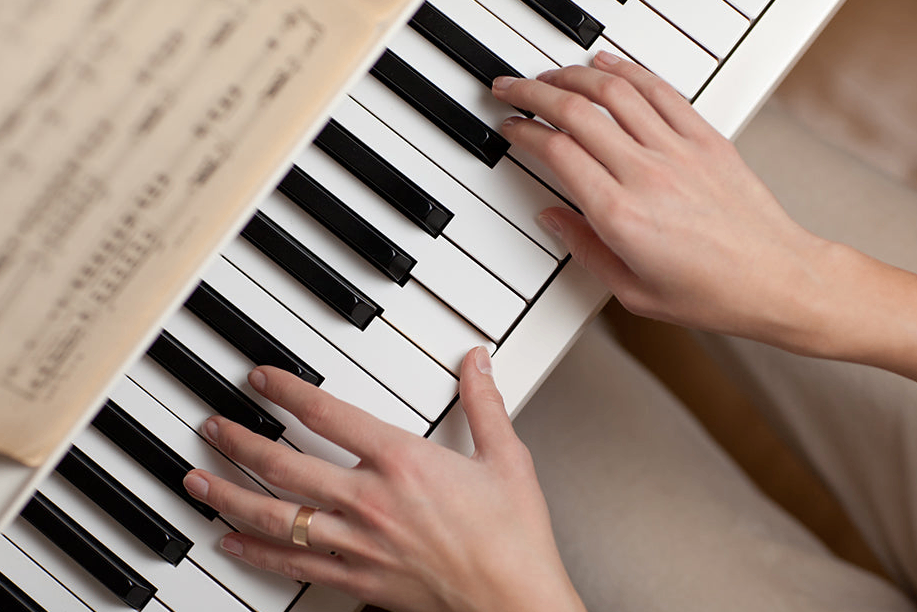
The piano has shaped some of the most emotional and unforgettable songs ever written, giving music a timeless voice capable of expressing joy, heartbreak, passion, drama, and pure beauty through a single instrument. From classical masterpieces and soulful ballads to rock anthems and modern pop classics, piano driven songs have a unique ability to feel intimate while still sounding grand and cinematic. The greatest piano songs stay with listeners because of their melodies, emotional depth, and the powerful atmosphere created by every carefully placed note. Whether performed in concert halls, smoky bars, stadiums, or quiet living rooms, these legendary songs continue to inspire audiences through the universal language of the piano.
1. John Lennon, Imagine
John Lennon’s Imagine is one of the most famous piano songs ever written, a composition whose power comes from simplicity, sincerity, and an instantly recognizable melody. The song begins with gentle piano chords that feel almost weightless, setting the stage for Lennon’s calm vocal and idealistic lyric. There is no need for musical excess here. The piano gives the song its moral and emotional center, allowing every word to land with clarity. It sounds peaceful, but beneath that peace is a bold vision of unity, compassion, and a world freed from division.
As a former member of The Beatles, John Lennon had already helped change popular music through songs such as Help, Strawberry Fields Forever, Come Together, and All You Need Is Love. His solo catalog explored political thought, personal confession, romance, and spiritual searching, with tracks such as Instant Karma, Jealous Guy, Mind Games, and Watching the Wheels. Still, Imagine remains his most universal statement. The piano part is not technically flashy, but that is exactly why it works. It feels like anyone could sit down and begin dreaming through those chords. Few songs have used the piano so gently while carrying such a vast emotional and cultural message.
2. Billy Joel, Piano Man
Billy Joel’s Piano Man is one of the definitive piano songs in popular music, a barroom ballad that turned the image of the working musician into a lasting American myth. The song moves in a swaying rhythm, supported by piano, harmonica, and vivid storytelling. Joel does not simply sing about a bar. He fills it with characters, each carrying private disappointments, dreams, and small rituals of escape. The piano becomes both instrument and narrator, the sound that gathers everyone together for a few minutes of shared feeling.
What makes Piano Man so beloved is its empathy. Billy Joel writes about ordinary people with tenderness, humor, and melancholy. The song’s chorus feels communal, which is why it has become such a favorite in concerts, bars, and singalong settings. Joel’s catalog is filled with piano based classics, including Just the Way You Are, New York State of Mind, Scenes from an Italian Restaurant, She’s Always a Woman, and Honesty. He also wrote energetic pop and rock hits like Uptown Girl and We Didn’t Start the Fire, but Piano Man remains the song most closely tied to his identity. It captures his gift for melody and character, proving that a piano can turn a crowded room into a story.
3. Queen, Bohemian Rhapsody
Queen’s Bohemian Rhapsody is one of the most extraordinary piano songs in rock history, a theatrical masterpiece that begins with intimate piano balladry before exploding into opera, hard rock, and dramatic resolution. Freddie Mercury’s piano playing gives the song its emotional foundation, especially in the opening section where confession, mystery, and vulnerability unfold with haunting elegance. The chords feel classical in ambition, yet the melody remains deeply human, pulling listeners into a story that has fascinated generations.
The brilliance of Bohemian Rhapsody is that it refuses ordinary song structure while still becoming wildly popular. Mercury wrote with fearless imagination, and Queen had the musical ability to bring every strange turn to life. Brian May’s guitar, Roger Taylor’s drums, and John Deacon’s bass all become essential as the song expands, but the piano remains the starting point, the place where the drama first takes shape. Queen’s catalog includes monumental hits such as Somebody to Love, We Are the Champions, Don’t Stop Me Now, Killer Queen, and Under Pressure. Still, Bohemian Rhapsody stands apart as their most ambitious work. It is not just a song with piano. It is a piano born epic, a piece where the instrument opens the door to one of rock music’s greatest acts of imagination.
4. The Beatles, Let It Be
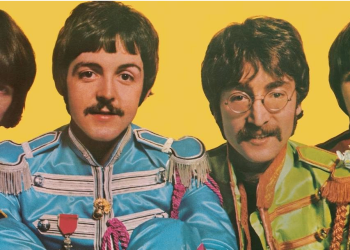
The Beatles’ Let It Be is one of the most beloved piano ballads of all time, a song that carries comfort, spirituality, and emotional release through a simple yet unforgettable piano progression. Written and sung by Paul McCartney, the track feels like a hymn without belonging strictly to church music. The piano chords move with calm authority, creating a sense of reassurance that supports the lyric’s message of acceptance. It is music for difficult moments, a song that seems to place a hand on the listener’s shoulder.
The greatness of Let It Be lies in its ability to sound personal and universal at once. McCartney reportedly drew inspiration from a dream of his mother, Mary, and that intimate origin gives the song a tenderness that listeners can feel even without knowing the story. The Beatles created countless classics, including Hey Jude, Yesterday, Something, Come Together, and Here Comes the Sun, but Let It Be occupies a special emotional space in their catalog. It arrived near the end of the group’s journey, which gives it an added sense of farewell and reflection. The piano is not ornamental. It is the heart of the song, guiding the melody like a prayer and making peace sound possible.
5. Elton John, Your Song
Elton John’s Your Song is one of the most graceful piano songs in pop history, a tender ballad that introduced many listeners to the emotional partnership between Elton John’s melodies and Bernie Taupin’s lyrics. The song is modest in its message, yet deeply moving in execution. It is not filled with grand declarations or complicated imagery. Instead, it captures the awkward beauty of trying to express love honestly. Elton’s piano gives the track warmth, intimacy, and melodic elegance from the first notes.
What makes Your Song timeless is its sincerity. Elton John sings as someone slightly overwhelmed by feeling, searching for the right words and finding that the song itself is the gift. His piano playing is gentle but expressive, shaping the emotional flow without crowding the vocal. Elton’s catalog is one of the richest in popular music, including piano driven classics such as Tiny Dancer, Rocket Man, Levon, Sorry Seems to Be the Hardest Word, and Candle in the Wind. He also became a master of theatrical pop through songs like Bennie and the Jets and Crocodile Rock. Yet Your Song remains one of his purest creations. It proves that a piano, a melody, and a sincere lyric can create a love song that never ages.
6. Adele, Someone Like You
Adele’s Someone Like You is one of the most emotionally devastating piano ballads of the twenty first century, a song that turns heartbreak into a moment of quiet public confession. The arrangement is strikingly bare, centered on repeating piano figures that leave Adele’s voice exposed. That simplicity is crucial. There is nowhere for the emotion to hide. Every phrase feels direct, wounded, and painfully honest, as if the listener has walked into the middle of a private goodbye.
The power of Someone Like You comes from the tension between restraint and emotional collapse. Adele does not oversing the song early on. She allows the sadness to gather slowly, which makes the later moments feel even more powerful. Her catalog includes major songs such as Rolling in the Deep, Hello, Set Fire to the Rain, Easy on Me, and When We Were Young, all of which show her gift for transforming personal pain into universal drama. Still, Someone Like You remains one of her signature recordings because of how much it accomplishes with piano and voice alone. It is a song about acceptance that still aches with longing. The piano does not decorate the heartbreak. It measures it, chord by chord, until the feeling becomes unforgettable.
7. Alicia Keys, Fallin’
Alicia Keys’s Fallin’ is one of the most striking piano based R&B songs of the modern era, a debut single that announced her as a serious musician, vocalist, and songwriter. The track is built around a stark piano figure that immediately sets a mood of emotional conflict. Keys sings about being trapped in a cycle of love and pain, rising and falling through devotion, frustration, desire, and confusion. The piano gives the song its gravity, grounding the performance in soul tradition while still sounding fresh for its time.
The brilliance of Fallin’ lies in its balance of classical discipline, gospel influence, and contemporary R&B feeling. Alicia Keys arrived at a moment when mainstream music was full of glossy production, yet this song placed musicianship at the center. Her voice moves from intimate phrasing to powerful release, while the backing vocals add a church like intensity. Keys continued to build a major catalog with songs such as If I Ain’t Got You, You Don’t Know My Name, No One, Diary, and Girl on Fire. Still, Fallin’ remains a defining statement because it captures her essence so clearly. It is emotional, melodic, piano led, and deeply soulful. Few debut songs have introduced an artist with such confidence and identity.
8. Coldplay, Clocks
Coldplay’s Clocks is one of the most recognizable piano driven songs of the 2000s, built around a cascading piano riff that feels both urgent and dreamlike. The repeating pattern gives the song its identity, creating a sense of motion that never fully settles. Chris Martin’s vocal floats above the arrangement with yearning and uncertainty, while the band gradually builds atmosphere around the piano. The result is a track that feels expansive, emotional, and instantly memorable.
The genius of Clocks is that its piano riff functions almost like a heartbeat. It repeats, circles, and pulls the listener forward, giving the song a hypnotic quality. Coldplay became one of the biggest bands of their generation by blending alternative rock, pop melody, and atmospheric emotion. Their catalog includes major songs such as Yellow, The Scientist, Fix You, Viva la Vida, and Paradise, but Clocks holds a special place because of how strongly its piano part defines the whole recording. The song is not a traditional ballad, nor is it a straightforward rock anthem. It exists somewhere between reflection and momentum. That ambiguity is part of its beauty. The piano sounds like time passing, memory looping, and emotion rising just beyond language.
9. Beethoven, Für Elise
Ludwig van Beethoven’s Für Elise is one of the most famous piano pieces ever composed, a work whose opening melody has become instantly recognizable across cultures and generations. Written in the early nineteenth century and published after Beethoven’s death, the piece is technically known as a bagatelle, yet its reach has been anything but small. The opening theme is delicate, mysterious, and slightly bittersweet, making it one of the first classical melodies many young piano students encounter and one of the pieces listeners never forget.
The enduring popularity of Für Elise comes from its unusual combination of accessibility and emotional depth. The main melody sounds simple enough to hum, but the piece carries a subtle dramatic tension as it moves through contrasting sections. Beethoven, one of the central figures in Western classical music, created monumental works such as the Moonlight Sonata, Symphony No. 5, Symphony No. 9, and Pathétique Sonata. His music expanded the expressive possibilities of composition, moving from classical balance toward romantic intensity. Für Elise may not be his grandest work, but it is one of his most beloved. Its piano melody feels intimate, almost like a private thought preserved in sound. That intimacy is why it remains a cornerstone of piano culture, loved by beginners, professionals, and casual listeners alike.
10. Yiruma, River Flows in You
Yiruma’s River Flows in You is one of the most popular contemporary piano pieces in the world, a gentle instrumental that has become especially beloved among modern piano students, romantic playlists, and listeners drawn to peaceful melodies. The piece is built around flowing arpeggios and a lyrical theme that feels calm, reflective, and emotionally open. It does not rely on virtuosic display. Instead, its beauty comes from touch, pacing, and the way the melody seems to move like water.
The appeal of River Flows in You lies in its simplicity and emotional clarity. Yiruma, a South Korean pianist and composer, became internationally known for creating piano music that bridges classical influence, popular accessibility, and meditative atmosphere. His catalog includes pieces such as Kiss the Rain, May Be, Love Me, and When the Love Falls, all of which reflect his gift for melody and mood. River Flows in You became his signature work because it feels personal without needing words. Many listeners associate it with romance, memory, and quiet longing. The piano line is delicate but memorable, making it one of the most frequently learned modern pieces. It proves that a piano song does not need grand orchestration or lyrical storytelling to become deeply meaningful. Sometimes a flowing melody is enough.
11. Vanessa Carlton, A Thousand Miles
Vanessa Carlton’s A Thousand Miles is one of the most instantly recognizable piano pop songs of the early 2000s, famous for its bright, rushing piano figure and sweeping romantic feeling. The song begins with a piano pattern that immediately creates movement, almost like the soundtrack to someone running toward a memory. Carlton’s vocal is earnest and youthful, giving the track a sense of longing that connects strongly with listeners. It is polished pop, but the piano gives it personality and emotional lift.
What makes A Thousand Miles so enduring is the way its piano part becomes the song’s signature voice. Even before the vocal enters, the melody is already telling the story. Vanessa Carlton emerged as a singer, songwriter, and pianist at a time when piano based pop was experiencing a fresh wave of visibility. Her catalog includes songs such as Ordinary Day, White Houses, Nolita Fairytale, and Carousel, but A Thousand Miles remains her defining hit. The song’s dramatic strings and soaring chorus amplify the piano’s urgency, making it feel cinematic and heartfelt. It has also enjoyed a long cultural afterlife through films, covers, and nostalgic affection. Its lasting charm comes from emotional directness, a memorable piano hook, and the feeling of wanting to cross any distance for someone who matters.
12. John Legend, All of Me
John Legend’s All of Me is one of the most popular piano ballads of the modern era, a love song built around vulnerability, devotion, and a simple piano accompaniment that places the vocal at the center. The song became a wedding favorite and global hit because of its direct emotional language. Legend sings not about perfect love in an abstract way, but about loving another person completely, including their flaws, moods, and complexities. The piano supports that message with warmth and restraint.
The strength of All of Me lies in its sincerity. John Legend’s voice has a smooth, gospel touched quality, and the sparse arrangement allows every phrase to feel intimate. He had already established himself as a major R&B and soul artist with songs such as Ordinary People, Used to Love U, Save Room, Tonight, and Love Me Now. Yet All of Me became his most universally known song because it captures romance in a form that feels accessible and genuine. The piano part is not complicated, but it is beautifully effective, giving the song room to breathe. It is the kind of ballad that works in arenas, weddings, and quiet rooms because its emotional message is clear. The piano becomes the sound of commitment, steady and unguarded.
13. The Fray, How to Save a Life
The Fray’s How to Save a Life is one of the most memorable piano rock songs of the 2000s, a track that combines emotional urgency with a simple, repeating piano figure. The song became widely known for its reflective tone and its association with moments of crisis, regret, and the difficulty of helping someone in pain. Isaac Slade’s vocal carries vulnerability and frustration, making the song feel like a conversation replayed too late. The piano provides the emotional pulse, steady and unresolved.
The greatness of How to Save a Life comes from its narrative ambiguity. The lyric suggests a failed attempt to reach someone, but it leaves enough space for listeners to connect it to friendships, family, addiction, grief, or personal regret. The Fray built their identity around piano centered alternative rock, with songs such as Over My Head, You Found Me, Never Say Never, and Look After You showing their gift for emotionally direct melodies. How to Save a Life remains their signature because it captures their sound at its most focused. The arrangement grows gradually, but the piano remains central, giving the song both intimacy and drive. It is a song that many listeners remember not just because of the melody, but because of where it met them emotionally.
14. Lady Gaga, Shallow
Lady Gaga and Bradley Cooper’s Shallow is one of the most powerful modern piano led ballads, a song that moves from quiet uncertainty into full emotional release. Featured in A Star Is Born, the track begins with an intimate exchange before expanding into a soaring chorus that showcases Gaga’s remarkable vocal strength. The piano gives the song its dramatic foundation, supporting the feeling of two people searching for honesty, connection, and escape from surface level existence.
The power of Shallow lies in its structure. It starts almost conversationally, then rises into a moment that feels overwhelming and cathartic. Lady Gaga had already proven herself as a pop innovator through songs such as Bad Romance, Poker Face, Born This Way, Paparazzi, and Million Reasons. With Shallow, she reaffirmed her ability to deliver classic ballad emotion with complete conviction. Bradley Cooper’s rough vocal tone adds grounding contrast, making Gaga’s explosive entrance even more dramatic. The piano is essential because it keeps the song rooted even as the vocal performance climbs higher. It is not merely a movie song. It became a standalone modern classic because the emotional stakes feel real. As a piano ballad, it captures vulnerability, ambition, fear, and release in one unforgettable arc.
15. Scott Joplin, The Entertainer
Scott Joplin’s The Entertainer is one of the most famous piano compositions in American music, a ragtime classic that brought syncopated joy, elegance, and rhythmic wit to generations of listeners. Written in 1902, the piece became widely known again in the twentieth century through its use in film and popular culture, but its musical brilliance was already clear from the start. The piano melody is playful, precise, and full of character, making it instantly recognizable after only a few notes.
The importance of The Entertainer lies in its role as a cornerstone of ragtime, a style that helped shape later developments in jazz, popular song, and piano performance. Scott Joplin, often called the King of Ragtime, composed major works such as Maple Leaf Rag, Solace, Elite Syncopations, and the opera Treemonisha. His music combined formal structure with lively syncopation, creating pieces that were both technically crafted and deeply entertaining. The Entertainer remains his most widely recognized work because it captures ragtime’s charm so completely. The left hand keeps the rhythm steady while the right hand dances with bright melodic invention. It is joyful without being careless, sophisticated without feeling distant. As a piano song, it represents a vital bridge between classical technique, popular entertainment, and the rhythmic future of American music.

Samuel Moore is a frequent contributor to Singers Room. Since 2005, Singersroom has been the voice of R&B around the world. Connect with us via social media below.