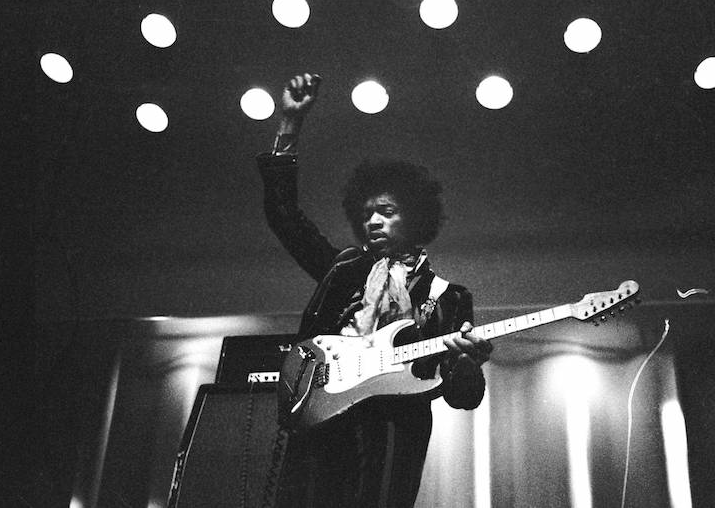
Few musicians transformed the sound of rock music as radically as Jimi Hendrix. With his explosive guitar work, fearless experimentation, and electrifying stage presence, Hendrix redefined what the electric guitar could do and inspired generations of musicians across rock, blues, funk, and psychedelic music. His songs blended raw emotion, soulful blues roots, cosmic imagination, and technical brilliance into a style that still feels revolutionary decades later. Whether delivering scorching guitar solos, dreamy psychedelic soundscapes, or deeply emotional ballads, Hendrix created music that pushed far beyond the limits of traditional rock songwriting. Even with a tragically short career, his catalog remains filled with timeless classics that continue to influence artists and captivate listeners around the world. The songs on this list represent the unforgettable recordings that helped establish Jimi Hendrix as one of the greatest and most innovative musicians in music history.
1. All Along the Watchtower
“All Along the Watchtower” is one of Jimi Hendrix’s most celebrated recordings, a song that transformed Bob Dylan’s original composition into a storm of electric prophecy. Hendrix did not merely cover the song. He rebuilt it from the inside, turning its mysterious language into a widescreen vision of tension, danger, and spiritual unease. The guitar work is astonishing, not because it is flashy for its own sake, but because every bend, slide, and burst of distortion seems to deepen the drama of the lyric. His playing feels like wind, fire, thunder, and human anxiety all speaking through the same instrument.
The arrangement is lean but explosive, with a rhythm section that keeps the track moving forward while Hendrix paints across it with supernatural confidence. His vocal performance is direct and urgent, giving the song a sense of narrative momentum without ever explaining too much. That mystery is essential. The listener feels pulled into a world of watchmen, princes, thieves, and approaching chaos.
“All Along the Watchtower” remains one of Hendrix’s most popular songs because it captures his genius as an interpreter. He could take another writer’s song and make it feel as though it had been waiting for his guitar all along. It stands as one of rock’s greatest reinventions.
2. Purple Haze
“Purple Haze” is the sound of Jimi Hendrix announcing a new electric language. From the opening riff, the song feels unstable, thrilling, and completely unlike the rock music that came before it. Its famous guitar figure is sharp, strange, and instantly recognizable, creating a mood that seems to blur blues, psychedelia, and science fiction into one compact explosion. Hendrix’s voice enters with a mixture of confusion, seduction, and wild imagination, giving the lyric an otherworldly feeling that perfectly matches the guitar’s distorted color.
The song’s brilliance lies in how much it accomplishes in such a short space. The rhythm section is tight and aggressive, but Hendrix’s guitar makes the track feel limitless. His use of distortion, feedback, and bending tones creates the sensation of sound expanding beyond normal musical boundaries. It is not just a song about altered perception. It sounds like altered perception.
“Purple Haze” became one of Hendrix’s signature songs because it turned the electric guitar into a psychedelic force of nature. The track is raw enough to feel dangerous, catchy enough to become a classic, and innovative enough to remain astonishing decades later. It captures the wild energy of the late sixties while still sounding futuristic, proving why Hendrix changed the vocabulary of rock guitar forever.
3. Voodoo Child Slight Return
“Voodoo Child Slight Return” is one of the most powerful guitar statements ever recorded, a track that sounds less like a traditional rock song and more like a ritual of electricity. The wah wah opening alone is enough to identify Hendrix instantly. It speaks, growls, laughs, and snarls before the full band even enters. When the groove drops in, the song becomes a massive blues rock force, rooted in tradition but amplified into something mythic. Hendrix takes the language of the blues and stretches it until it feels cosmic.
His vocal performance is cool, commanding, and full of supernatural swagger. The lyric presents Hendrix almost as a magical figure, someone capable of bending mountains, oceans, and reality itself. Yet the true magic is in the guitar. Every phrase sounds alive, with bends that cry, chords that roar, and solos that seem to rip through the room. Mitch Mitchell’s drumming adds rolling momentum, while Noel Redding’s bass gives the track weight and grit.
“Voodoo Child Slight Return” remains one of Hendrix’s most popular songs because it captures him at full elemental power. It is blues, rock, psychedelia, and pure sonic spectacle fused together. Few recordings better demonstrate why Hendrix is so often regarded as the greatest electric guitarist of all time.
4. Hey Joe
“Hey Joe” was Jimi Hendrix’s breakthrough single, and it remains one of the most important recordings in his career. The song itself had existed before Hendrix, but his version turned it into something darker, slower, heavier, and far more emotionally charged. Instead of racing through the story, Hendrix lets the drama unfold with brooding patience. The result is a performance filled with tension, regret, and fatalism. Every guitar phrase seems to speak from the shadows around the lyric.
Hendrix’s vocal delivery is restrained but gripping. He does not overplay the story. He lets its grim momentum carry itself, adding just enough vocal color to make the character feel haunted and doomed. The guitar work is central to the song’s power. The fills between the vocal lines are elegant and piercing, almost like emotional commentary. His solos show his blues roots clearly, but they also reveal the expressive freedom that would soon make him revolutionary.
“Hey Joe” remains popular because it introduced Hendrix as an artist who could make familiar material sound completely transformed. It is not the wildest song in his catalog, but it is one of the most atmospheric. The recording presents him as a guitarist of uncommon taste, control, and imagination, capable of turning a murder ballad into a slow burning rock classic.
5. Foxey Lady
“Foxey Lady” is one of Jimi Hendrix’s most instantly recognizable songs, a swaggering blast of desire, attitude, and electric confidence. The opening feedback and sliding guitar figure set the tone immediately, creating a sense of tension before the riff locks in with muscular force. It is a song built on sensual energy, but what makes it unforgettable is how completely Hendrix turns that energy into sound. The guitar does not simply accompany the lyric. It prowls, teases, and pounces.
Hendrix’s vocal performance is playful and commanding, full of charisma without sounding polished in a conventional pop sense. The rhythm section drives the track with a heavy, grounded feel, giving Hendrix space to stretch his guitar into sharp bursts of color. The riff is simple but devastatingly effective, proving that Hendrix understood the power of repetition when paired with tone, timing, and personality.
“Foxey Lady” remains a classic because it captures Hendrix’s erotic blues rock style at its most direct. The song is bold, physical, and unmistakably theatrical, but it never feels empty. Beneath the surface swagger is a master musician shaping mood through sound with absolute precision. It became one of his great live showcases as well, giving him room to extend the tension, play with the audience, and turn a compact studio track into a full stage experience.
6. Little Wing
“Little Wing” is one of Jimi Hendrix’s most beautiful songs, a brief but deeply poetic piece that reveals his gentler and more lyrical side. The track does not rely on overwhelming volume or extended soloing. Instead, it glows. The guitar introduction is one of the most delicate and expressive passages in rock history, filled with chordal movement, subtle embellishments, and a tone that feels almost weightless. Hendrix plays as if he is painting light across the strings.
The lyric presents an almost dreamlike figure, part muse, part angel, part symbol of comfort and imagination. Hendrix’s vocal performance is tender and understated, giving the song a fragile emotional center. The arrangement is compact, yet every detail matters. The glockenspiel like touches, fluid guitar phrasing, and gentle rhythm section all contribute to an atmosphere that feels suspended between blues, soul, and psychedelia.
“Little Wing” remains beloved because it proves Hendrix’s greatness was not only about power. His sensitivity, melodic imagination, and harmonic sophistication are on full display. The song feels intimate, but it also seems to open into something vast and spiritual. Many guitarists have covered it, studied it, and adored it, but the original still carries a unique magic. It is a small song with an enormous emotional horizon.
7. The Wind Cries Mary
“The Wind Cries Mary” is one of Jimi Hendrix’s most soulful and atmospheric songs, a recording that shows his gift for emotional restraint. Unlike the fiery attack of “Purple Haze” or the monumental force of “Voodoo Child Slight Return,” this track moves with a gentle, blues soaked elegance. The guitar tone is warm and expressive, carrying a sense of melancholy that perfectly suits the lyric. Hendrix plays with remarkable space, allowing notes to hang in the air rather than filling every moment.
The song’s words are poetic and elusive, filled with images of broken scenes, memory, and loneliness. Hendrix’s vocal delivery is calm and reflective, as though he is singing after an argument, after the noise has faded, when only the emotional residue remains. The chorus has a haunting simplicity, turning the name Mary into something carried by the wind, fragile and unresolved.
“The Wind Cries Mary” remains one of Hendrix’s most popular songs because it reveals his depth as a songwriter. It is not a guitar stunt. It is a mood, a confession, and a miniature blues poem. His playing is dazzling in its taste rather than its speed, reminding listeners that true virtuosity can be quiet, graceful, and emotionally precise. It stands as one of his most enduring works of tenderness and restraint.
8. Crosstown Traffic
“Crosstown Traffic” is one of Jimi Hendrix’s punchiest and most accessible songs, a tight burst of funk rock energy that shows his ability to craft a concise, radio friendly track without sacrificing personality. The song moves with a restless urban rhythm, using the metaphor of traffic to describe romantic frustration, impatience, and emotional congestion. It is clever, lively, and filled with the kind of rhythmic bite that would later become central to funk rock and hard rock alike.
The production is bright and compressed, with a driving groove that keeps the song moving forward at high speed. Hendrix’s guitar work is sharp and economical, serving the song rather than overwhelming it. One of the track’s distinctive features is its playful use of kazoo like textures, which adds a mischievous edge to the arrangement. His vocal performance is confident and slightly teasing, perfectly matching the lyric’s mixture of irritation and attraction.
“Crosstown Traffic” remains popular because it captures Hendrix’s sense of humor and groove. It is not as cosmic as some of his psychedelic epics, but it proves how effective he could be in a compact format. The song is catchy, muscular, and rhythmically alive, showing that Hendrix’s innovation was not limited to long solos. He could make a short rock single feel inventive from start to finish.
9. Fire
“Fire” is one of Jimi Hendrix’s most energetic songs, a compact blast of rock, soul, and rhythm that remains a favorite among fans for its speed, attitude, and explosive guitar work. The track moves with a fast, driving pulse, pushed forward by Mitch Mitchell’s restless drumming and Hendrix’s razor sharp guitar attack. It is one of those songs that feels instantly alive, built for motion, heat, and stage performance. The groove is urgent, but it still swings, showing how deeply Hendrix’s music was connected to blues and R&B even at its most aggressive.
Hendrix’s vocal delivery is playful, flirtatious, and full of personality. The lyric is direct and cheeky, giving the song a sense of fun that balances the intensity of the performance. The guitar parts are fierce but controlled, with chords and fills that snap through the rhythm like sparks. Nothing is wasted. The song gets in, burns bright, and leaves a lasting mark.
“Fire” remains popular because it captures Hendrix in pure kinetic form. It is not one of his most mysterious or expansive tracks, but it is one of his most immediately thrilling. The song shows how effectively he could merge showmanship, musicianship, humor, and raw physical energy into a rock performance that still sounds electrifying.
10. Red House
“Red House” is one of Jimi Hendrix’s greatest blues performances, a song that reveals the depth of his roots and the extraordinary expressiveness of his guitar language. While Hendrix is often celebrated for psychedelic innovation, “Red House” reminds listeners that his imagination was grounded in the blues. The song follows a familiar blues structure, but in Hendrix’s hands it becomes a vehicle for tone, phrasing, humor, heartbreak, and improvisational fire. Every note feels personal.
His vocal performance is relaxed and soulful, carrying the story with a conversational ease. The lyric has classic blues themes of love, loss, and romantic trouble, but Hendrix brings it alive through timing and attitude. The guitar, however, is the true storyteller. His bends cry, his runs answer the vocal lines, and his tone moves from sweet to biting with astonishing control. He treats the instrument as a second voice, capable of sighing, laughing, pleading, and raging.
“Red House” remains beloved because it shows Hendrix as a bluesman of remarkable emotional intelligence. It is not about speed or spectacle. It is about feeling, touch, and the ability to make a guitar speak with human complexity. Among his most popular songs, it stands as a crucial reminder that behind the psychedelic icon was a musician deeply connected to the oldest emotional language of electric blues.

Samuel Moore is a frequent contributor to Singers Room. Since 2005, Singersroom has been the voice of R&B around the world. Connect with us via social media below.