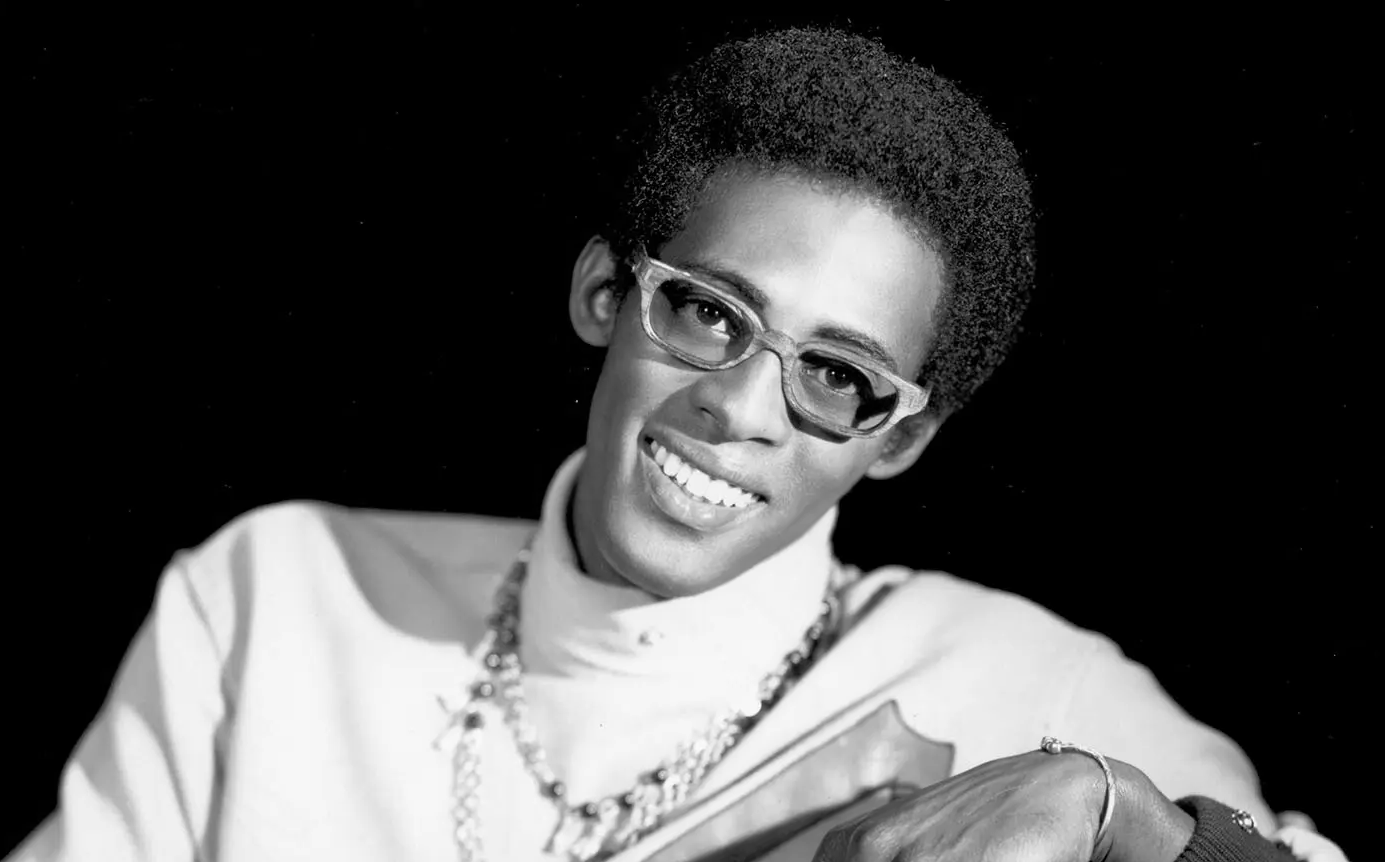
Few voices in soul music cut as deep and unforgettable as David Ruffin. With a gritty, pleading tone that could ache, soar, and command attention all at once, Ruffin brought raw emotion to every lyric he touched. Whether leading The Temptations or forging his own path as a solo artist, his performances carried an intensity that felt lived-in and real. His songs don’t just play—they testify, confess, and resonate long after the final note fades. This collection explores the tracks that defined his legacy, capturing the passion, pain, and power of one of soul’s most distinctive voices.
1. My Girl
My Girl is the song that turned David Ruffin’s voice into one of the most recognizable instruments in soul music. As the lead singer of The Temptations on this classic, Ruffin delivered a performance that feels effortless on the surface but is full of emotional craft. The famous opening bass notes and guitar figure set a scene of instant warmth, yet it is Ruffin who gives the song its sunlight. His vocal does not push too hard. It smiles. It glides. It sounds like love has made the world simpler, brighter, and more generous.
What makes My Girl so enduring is the purity of its emotional design. The lyrics are direct, almost childlike in their clarity, but Ruffin gives them adult richness through tone and phrasing. He sings happiness with the conviction of someone who knows how rare it is. Every line carries lift, and every melodic turn seems to open another window. The Temptations’ harmonies surround him with elegance, creating a perfect frame for his grainy, pleading, unmistakably human lead.
Ruffin’s greatness often came from pain and urgency, but My Girl shows how powerfully he could communicate joy. There is no strain in the performance, no theatrical excess, no unnecessary ornament. He trusts the melody and lets his voice glow inside it. The result is one of the most beloved soul recordings ever made, a song that remains timeless because it captures love at its most uncomplicated and radiant.
2. Ain’t Too Proud to Beg
Ain’t Too Proud to Beg is David Ruffin at full emotional voltage, a performance that turns romantic desperation into a soul music masterclass. The song is built on pleading, but Ruffin never makes the narrator sound weak. Instead, he gives the plea a fierce dignity. His voice cracks, stretches, and surges with urgency, making every line feel like it is being pulled from the deepest part of the chest. This is not polished heartbreak. This is a man standing at the edge of losing everything and refusing to pretend he is fine.
The Temptations’ backing vocals provide structure and elegance, but Ruffin is the flame at the center. His lead vocal is raw in the best possible sense, filled with grit, pressure, and astonishing control. The genius of Ain’t Too Proud to Beg is that it makes vulnerability sound powerful. Ruffin understands that begging, in this context, is not humiliation. It is testimony. It is proof that love has become too important for pride to survive.
The rhythm section gives the track relentless forward motion, while the call and response format heightens the drama. Ruffin works against the groove, then rides it, then bursts through it with those unmistakable cries that made him such a singular presence. Few singers could make a simple romantic appeal feel this urgent. The song remains popular because it captures soul music’s central promise: emotion so direct, physical, and honest that the listener cannot stand outside it.
3. My Whole World Ended
My Whole World Ended is one of David Ruffin’s most important solo recordings, and it announced that his voice could command attention beyond The Temptations’ polished group framework. The song begins from devastation, but Ruffin does not simply sing sadness. He dramatizes emotional collapse with the intensity of a man watching the ground disappear beneath him. His voice carries that familiar grain and ache, but here it is placed in a setting that gives him room to stretch, plead, and testify with extraordinary force.
The arrangement is classic Motown in its sense of momentum, but the emotional temperature is pure Ruffin. The strings and rhythm section create a sweeping backdrop, while his vocal cuts through with wounded authority. What makes My Whole World Ended so powerful is the way Ruffin makes heartbreak feel total. The title might sound dramatic on paper, but when he sings it, the phrase becomes completely believable. He sounds as though the loss has rearranged reality itself.
There is a fascinating tension in the performance. Ruffin is clearly broken by the story, yet vocally he is commanding every second. That contrast defines much of his greatness. He could sound wounded and dominant at the same time. The song remains one of his most beloved solo moments because it captures him stepping into the spotlight alone with no loss of grandeur. If anything, the loneliness in the lyric makes his voice feel even larger.
4. Walk Away from Love
Walk Away from Love is David Ruffin’s great later career triumph, a record that proves his voice could adapt to the smoother soul textures of the 1970s without losing its essential ache. Produced with elegance and movement, the song has a polished sophistication that differs from the rougher Motown urgency of his 1960s work. Yet at its center is the same unmistakable Ruffin sound: bruised, commanding, and emotionally exposed. He sings like a man who has made a decision with his head while his heart is still arguing loudly.
The arrangement glides with disco era soul refinement, giving the track a graceful pulse. But Ruffin prevents it from becoming merely stylish. He turns the act of leaving into a moral and emotional struggle. The phrase walk away from love might suggest control, but his delivery reveals the cost of that control. He sounds determined, but not untouched. There is a tremor of regret beneath the confidence, which makes the performance deeply compelling.
What stands out is his phrasing. Ruffin knew how to lean into a line just enough to expose its pain without breaking the song’s momentum. He balances smoothness and grit with the instincts of a master soul singer. Walk Away from Love remains popular because it captures a grown up kind of heartbreak, the kind where leaving may be necessary even when love has not disappeared. Ruffin makes that contradiction sound unforgettable.
5. I Wish It Would Rain
I Wish It Would Rain is one of David Ruffin’s most devastating performances with The Temptations, a song where sorrow is not hidden but staged against the natural world. The central image is brilliant: a man so broken that he wants rain to fall, not for romance or beauty, but to conceal his tears from public view. Ruffin understands the shame, pride, and loneliness inside that image. He sings with a depth of hurt that feels almost too intimate, yet the performance remains grand enough to fill a room.
The arrangement is lush and mournful, with strings and harmonies creating a gray emotional atmosphere. The Temptations support him beautifully, but Ruffin’s lead vocal is where the song truly lives. His voice turns heartbreak into weather. Every phrase seems heavy with clouds, and every rise in intensity feels like thunder gathering behind the words. He does not merely ask for rain. He needs it as cover, as companion, as mercy.
What makes the recording so powerful is Ruffin’s ability to merge masculine pride with open vulnerability. The narrator does not want the world to see him cry, yet the song itself becomes a public confession. That contradiction gives the performance extraordinary tension. Ruffin sounds wounded, exposed, and still magnificently strong. I Wish It Would Rain remains one of the great soul ballads because it understands heartbreak as both private collapse and universal language.
6. Since I Lost My Baby
Since I Lost My Baby is a masterclass in emotional contrast, and David Ruffin’s lead vocal is the reason the song cuts so deeply. On the surface, the arrangement has the grace and bounce of classic Motown elegance. The rhythm moves, the background harmonies sparkle, and the melody is beautifully shaped. Yet the lyric describes a life that has lost its meaning after love has vanished. Ruffin stands at the center of that contradiction, singing sadness inside a polished, almost buoyant musical frame.
His vocal is less explosive than on some of his most famous performances, but it is no less powerful. He sounds dazed by loss, as if the world is still functioning around him while his inner life has gone silent. The brilliance of Since I Lost My Baby is that it captures depression without stopping the music from moving. Ruffin’s phrasing gives each line a subtle ache, especially when he contrasts outward normalcy with inward emptiness.
The Temptations’ harmonies deepen the mood, offering smooth support that makes Ruffin’s rougher emotional texture stand out even more. This is one of the great examples of how Motown could make sorrow danceable without making it shallow. The song remains popular because it describes a feeling many listeners know well: the strange unreality of carrying heartbreak through ordinary days. Ruffin gives that emotional dislocation a voice full of dignity, beauty, and quiet devastation.
7. I Know I’m Losing You
I Know I’m Losing You finds David Ruffin in a darker, more suspicious emotional landscape than many earlier Temptations hits. The song is built around recognition, not surprise. The narrator can feel love slipping away before anyone says it aloud. Ruffin delivers that realization with fierce intensity, making the performance feel like a confrontation with an invisible truth. His voice is urgent, gritty, and restless, perfectly matched to the track’s tense arrangement.
The groove has a harder edge than the group’s sweeter romantic material. The guitars bite, the rhythm pushes, and the atmosphere feels charged with unease. Ruffin’s vocal turns emotional intuition into alarm. He sounds like a man reading every silence, every glance, every change in tone, and understanding what they mean before he wants to admit it. That psychological precision gives the song its enduring power.
What makes I Know I’m Losing You such a standout is the way it fuses soul drama with almost rock like aggression. The Temptations’ backing parts add pressure around Ruffin, while he drives the lead with mounting desperation. He does not sound resigned. He sounds panicked, wounded, and angry that the truth is becoming impossible to deny.
The song remains popular because it captures a specific stage of heartbreak: the moment before the ending is official, when the heart already knows. Ruffin makes that moment feel electric, painful, and unforgettable.
8. Beauty Is Only Skin Deep
Beauty Is Only Skin Deep showcases David Ruffin’s ability to deliver a moral message with charm, rhythm, and unmistakable soul authority. The song could easily have become a simple lesson about character over appearance, but Ruffin gives it warmth and personality. He sings with the assurance of a man who has learned something through experience, not someone merely repeating advice. His voice has grit, but it also has a smile in it, which keeps the performance lively and engaging.
The arrangement has the unmistakable Motown polish: crisp rhythm, bright accents, and background vocals that frame the lead with elegance. What makes the song work is Ruffin’s balance of wisdom and playfulness. He never turns the message into a lecture. Instead, he makes it swing. The lyric’s central idea is direct, but the performance gives it color and life. He sounds amused, convinced, and emotionally present.
As with many Temptations recordings from this period, the group’s harmonies are essential. They answer and support Ruffin, creating a conversational dynamic that gives the song momentum. But the lead vocal remains the defining force. Ruffin’s phrasing turns simple lines into memorable declarations, and his tonal roughness adds substance to a song that might otherwise feel too neat.
Beauty Is Only Skin Deep remains popular because it is catchy, wise, and wonderfully performed. It captures Ruffin’s gift for making even straightforward material feel vivid, soulful, and unmistakably alive.
9. I Could Never Love Another
I Could Never Love Another is one of David Ruffin’s most emotionally exposed performances with The Temptations, and it carries the gravity of a final confession. The song is rooted in devotion after loss, but Ruffin sings it with such intensity that it feels less like a promise and more like a wound speaking aloud. His voice has that familiar rasp and pressure, yet here it is used with aching control. He does not rush the feeling. He lets it unfold in long, painful waves.
The arrangement gives the song a solemn, dramatic beauty. The background harmonies surround Ruffin like memories, while the lead vocal moves through grief, loyalty, and disbelief. The power of I Could Never Love Another lies in its absolute emotional commitment. Ruffin makes the title sound not like romantic exaggeration, but like a fact carved into the soul. He sings as though love has become permanent precisely because it has been broken.
There is a deep maturity in the performance. The narrator is not bargaining, not raging, not trying to impress anyone. He is simply stating the truth of his emotional condition. Ruffin’s genius is making that statement dramatic without making it artificial. Every phrase seems to carry personal history.
The song remains treasured by soul fans because it captures Ruffin’s ability to transform heartbreak into high art. It is elegant, wounded, and overwhelming in the best way. Few singers have ever made devotion sound so heavy with consequence.
10. Statue of a Fool
Statue of a Fool is one of David Ruffin’s most haunting solo performances, a song that gives regret a physical form. The image at the center is unforgettable: a monument to foolishness, standing as a permanent reminder of love mishandled and pain earned too late. Ruffin was uniquely suited to this kind of material because his voice carried both grandeur and damage. He could sound like a man confessing from the ruins, yet still make that confession beautiful.
The arrangement is smooth and melancholy, allowing Ruffin’s vocal to dominate without needing excessive ornament. What makes Statue of a Fool so compelling is the dignity he brings to shame. He does not dodge responsibility in the performance. He stands inside it. Every line feels weighted by hindsight, and his tone suggests that the real punishment is not public humiliation, but private understanding.
Ruffin’s phrasing is superb. He stretches certain words just enough to let the regret settle, then pulls back before the emotion becomes melodrama. That discipline is easy to overlook because the voice itself is so naturally dramatic. Yet the performance works because he knows when to burn and when to hold the flame low.
The song remains popular among dedicated Ruffin listeners because it represents the soul ballad as confession. Statue of a Fool is not simply about losing love. It is about recognizing one’s own part in the loss, and Ruffin makes that recognition sound devastating, noble, and deeply human.

Samuel Moore is a frequent contributor to Singers Room. Since 2005, Singersroom has been the voice of R&B around the world. Connect with us via social media below.