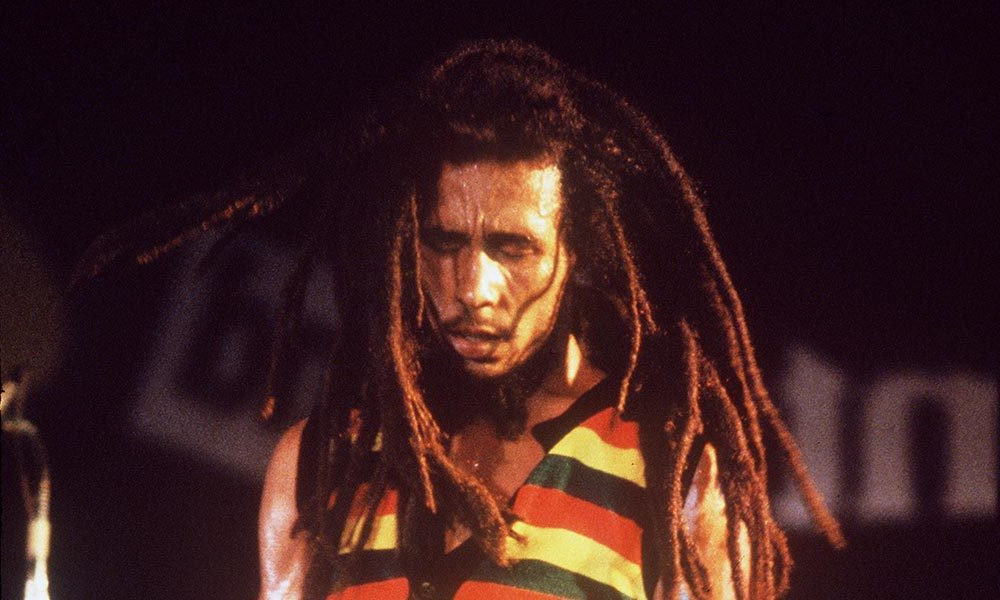
Few artists have shaped the sound and spirit of modern music quite like Bob Marley. With a voice that carried both struggle and hope, and rhythms that seemed to pulse with the heartbeat of Jamaica itself, his songs have transcended generations, borders, and cultures. From anthems of resistance to timeless love ballads, Marley’s catalog is more than music—it’s a movement. Whether you’re a lifelong fan or just beginning to explore his legacy, the following collection dives into the most beloved and influential tracks that continue to inspire millions worldwide. Turn up the volume, feel the groove, and rediscover the magic that made Bob Marley a legend.
1. No Woman, No Cry
No Woman, No Cry stands as one of Bob Marley’s most emotionally powerful recordings, a song that feels less like a performance and more like a shared memory passed between generations. Its greatness lies in the way it balances pain with comfort. Marley does not deny hardship, poverty, or sorrow. Instead, he sings through them with a calm, almost spiritual assurance that better days can still be imagined. The famous live version from London gives the song its most beloved shape, with the crowd, the organ, and Marley’s voice all blending into something deeply communal.
What makes No Woman, No Cry so enduring is its human warmth. The song speaks to people who have endured struggle, loss, displacement, or uncertainty, yet it never collapses into despair. Marley’s delivery is gentle but commanding, filled with the authority of someone who has lived the words rather than simply written them. The arrangement moves slowly, almost like a hymn, giving every phrase room to breathe. It is reggae as remembrance, reggae as consolation, reggae as testimony. More than a classic song, it is a shelter. Few recordings in popular music have offered so much comfort with such grace.
2. One Love
One Love is perhaps Bob Marley’s most universally recognized anthem, a song whose message is so clear and radiant that it has traveled far beyond reggae into the broader language of world culture. Built on a bright, rolling groove and a chorus that feels instantly communal, the track captures Marley’s ability to turn spiritual conviction into popular song without diluting its meaning. It is joyful, but not shallow. Beneath its easy singalong surface is a serious plea for unity, forgiveness, and collective renewal.
The brilliance of One Love comes from its balance of simplicity and depth. Marley invites people to gather together, but he does so with the weight of history behind him. The song carries echoes of gospel, ska, roots reggae, and soul, all folded into a rhythm that feels warm and welcoming. His vocal performance is relaxed yet purposeful, offering hope without sounding naive. That is why the song has become a global symbol of peace. It can fill stadiums, soundtrack celebrations, and still feel intimate when played quietly in a room. Few songs express the dream of human connection with such effortless beauty. One Love remains Marley at his most open hearted and enduring.
3. Redemption Song
Redemption Song is one of Bob Marley’s most profound works, and its power comes from its striking simplicity. Stripped of the full reggae band sound that made him famous, the song places Marley’s voice and acoustic guitar at the center, creating an atmosphere that feels private, urgent, and timeless. It is not merely a song of protest. It is a meditation on freedom, memory, mortality, and the responsibility of the individual spirit. Every line feels carved from experience.
What separates Redemption Song from many other classics in Marley’s catalog is its almost prophetic quality. The performance has the intimacy of a final statement, yet its message is expansive enough to belong to everyone. Marley draws from the language of liberation and self determination, transforming political struggle into a deeply personal call for inner emancipation. His voice is weathered, calm, and fearless, carrying no excess ornamentation. The melody is direct, but it lingers long after the song ends. It is folk music, freedom music, and spiritual testimony all at once. For many listeners, Redemption Song is the clearest evidence that Marley was not only a reggae icon but one of the great moral voices in modern music. It remains devastating, beautiful, and eternally relevant.
4. Three Little Birds
Three Little Birds is one of Bob Marley’s most beloved songs because it offers reassurance in its purest musical form. From the first gentle pulse of the rhythm, the track feels like sunlight entering a room. Marley’s vocal is calm, warm, and almost conversational, giving the listener a sense that the comfort being offered is personal. The song has often been described as simple, but its simplicity is exactly what makes it so powerful. It turns hope into something memorable, singable, and emotionally direct.
The charm of Three Little Birds lies in its effortless sense of peace. There is no grand arrangement, no dramatic vocal display, no unnecessary complexity. Instead, Marley and the Wailers create a groove that sways with quiet confidence. The melody feels childlike in the best possible way, open enough for anyone to carry. Yet the song is not empty optimism. Coming from Marley, reassurance always has depth, because he understood struggle intimately. That knowledge gives the song its soul. It feels like advice from someone who knows fear but refuses to let fear have the final word. Decades after its release, Three Little Birds remains a global comfort song, a small masterpiece of serenity that continues to calm hearts across languages and generations.
5. Could You Be Loved
Could You Be Loved is Bob Marley at his most danceable, but beneath the irresistible groove is a song filled with wisdom, resilience, and subtle warning. Released during the later phase of his career, it shows Marley and the Wailers expanding their sound with a sleeker, more international feel while still holding firmly to reggae’s rhythmic foundation. The bass line is hypnotic, the guitar accents are crisp, and the chorus lands with the force of a universal question. It is music made for movement, but also for reflection.
What makes Could You Be Loved so fascinating is the tension between celebration and caution. The track invites joy, yet Marley’s words remind listeners to guard their hearts, preserve their identity, and resist forces that try to shape or diminish them. His vocal performance is agile and confident, riding the groove with remarkable ease. The backing harmonies add brightness, giving the song a communal lift that makes it feel larger than a typical pop single. This is one of Marley’s great crossover triumphs, a recording that can ignite a dance floor while still carrying his philosophical core. Could You Be Loved proves that Marley never had to choose between message and melody. In his hands, both could move the body and awaken the mind.
6. Is This Love
Is This Love is one of Bob Marley’s sweetest and most enduring love songs, a recording that glows with tenderness without becoming overly sentimental. The rhythm is relaxed and inviting, built around a supple reggae groove that gives the song its gentle sway. Marley’s vocal is affectionate, sincere, and beautifully understated. He does not oversing. He simply lets the feeling rise naturally, which makes the song all the more convincing. It is romantic music with soul, patience, and emotional maturity.
The magic of Is This Love comes from its sense of closeness. The song feels domestic in the most beautiful way, concerned not with grand declarations but with care, shelter, and devotion. Marley presents love as something lived day by day, something expressed through presence rather than spectacle. The Wailers support that mood perfectly, surrounding him with warm harmonies, fluid bass, and guitar lines that shimmer lightly around the vocal. The track’s appeal has never faded because it captures love as both spiritual and physical, both dreamy and grounded. It is easy to hear why it became one of Marley’s signature songs. Is This Love remains a rare kind of classic, intimate enough for two people and universal enough for the whole world.
7. Buffalo Soldier
Buffalo Soldier is one of Bob Marley’s most historically resonant songs, blending an unforgettable melody with a powerful meditation on displacement, survival, and identity. The song refers to Black soldiers who served on the American frontier, but Marley transforms that historical reference into something broader and more symbolic. In his hands, the Buffalo Soldier becomes a figure of forced movement, endurance, and cultural memory. The track is catchy enough to be instantly recognizable, yet its subject matter gives it serious weight.
Musically, Buffalo Soldier has a bright, almost buoyant quality, which makes its deeper implications even more striking. Marley had a gift for placing difficult histories inside melodies that people could carry with them, and this song is a perfect example. The rhythm is steady and accessible, while the vocal hook gives the track a communal force. Marley’s delivery is neither angry nor detached. It is reflective, compassionate, and quietly insistent. He invites listeners to remember people who were caught in systems larger than themselves, people who fought, wandered, and survived under conditions not of their own making. That balance of historical consciousness and musical immediacy is why Buffalo Soldier remains one of Marley’s most popular songs. It teaches while it grooves, and it remembers while it sings.
8. Jamming
Jamming is Bob Marley’s celebration of music as communion, a track that captures the joy of gathering, playing, dancing, and sharing energy through rhythm. From the opening groove, the song feels effortless, as though the band has tapped into a current that was already flowing before the recording began. The bass is deep and elastic, the drums are crisp, and the guitars create that unmistakable reggae skank that gives the song its lift. Marley’s voice sits inside the groove with relaxed authority.
What makes Jamming so memorable is that it works on several levels at once. On the surface, it is a feel good song about making music together, but it also carries Marley’s broader sense of unity and spiritual freedom. Jamming is not just entertainment here. It becomes an act of connection, resistance, and shared joy. The track feels communal without being chaotic, loose without losing focus. Every element serves the rhythm, and the rhythm serves the message. It is one of those Marley songs that can transform a room almost instantly, inviting people to move, smile, and participate. Jamming remains a perfect example of how Bob Marley made celebration feel meaningful. It is light on its feet, rich in spirit, and endlessly replayable.
9. Get Up, Stand Up
Get Up, Stand Up is one of Bob Marley’s most direct and electrifying calls to action, a song that places resistance at the center of the reggae tradition. Written with Peter Tosh, it carries the force of a chant, a sermon, and a street protest all at once. The groove is firm and grounded, giving the song a marching quality without sacrificing musical swing. Marley’s voice is commanding, but not distant. He sounds like someone standing among the people rather than above them.
The enduring strength of Get Up, Stand Up lies in its refusal to soften its message. This is not vague encouragement. It is a demand for dignity, rights, and consciousness. The song challenges passivity and insists that liberation requires action in the present world. That urgency has made it one of Marley’s most important political anthems, embraced by activists, musicians, and ordinary listeners seeking courage. The Wailers’ performance is lean and forceful, with every part contributing to the song’s sense of momentum. There is no wasted motion. Marley turns the refrain into something almost ritualistic, easy to remember and impossible to ignore. Get Up, Stand Up remains a defining example of reggae as a music of struggle, faith, and fearless public speech.
10. I Shot The Sheriff
I Shot The Sheriff is one of Bob Marley’s most intriguing and narratively rich songs, a roots reggae classic built around tension, accusation, and moral ambiguity. The song tells a story that feels like a folk ballad filtered through Jamaican rhythm, with Marley taking on the role of a man caught between self defense, suspicion, and authority. Its popularity grew even wider after Eric Clapton recorded his famous version, but Marley’s original carries a sharper edge and a deeper sense of atmosphere.
The genius of I Shot The Sheriff is in how it combines storytelling with political resonance. On one level, it is a dramatic tale about a man accused of violence. On another, it reflects Marley’s recurring concerns with oppression, power, and survival under unjust systems. The rhythm is taut and memorable, with the band creating space around Marley’s vocal so that every phrase lands with impact. He sings with controlled intensity, never overplaying the drama, which makes the story feel even more compelling. The song’s chorus is instantly recognizable, yet the verses keep pulling the listener back into the mystery. I Shot The Sheriff remains one of Marley’s most durable songs because it offers more than a hook. It offers character, conflict, rhythm, and a lingering question that refuses to disappear.

Samuel Moore is a frequent contributor to Singers Room. Since 2005, Singersroom has been the voice of R&B around the world. Connect with us via social media below.