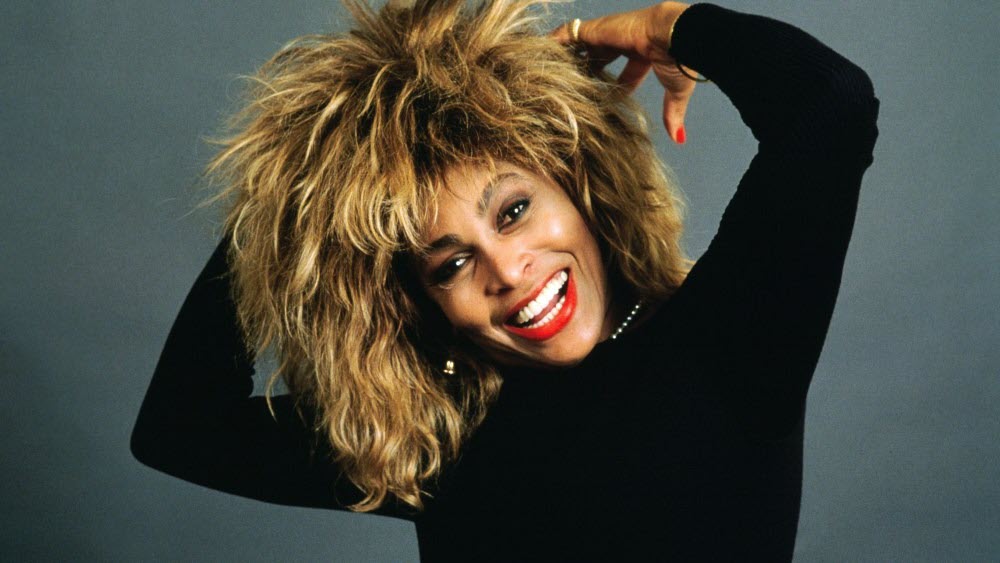
Tina Turner wasn’t just a singer—she was a firestorm of talent, power, and resilience. With a voice that could shake stadiums and a stage presence that mesmerized millions, Tina blazed her own trail through the worlds of rock, soul, and pop. From her early days in the Ike & Tina Turner Revue to her triumphant rise as a solo icon, she became a symbol of strength, independence, and raw, electrifying energy. Her music told stories of heartbreak, survival, and unbreakable spirit—all delivered with that unmistakable raspy roar that could move mountains.
In this article, we’re counting down the top 10 most popular Tina Turner songs of all time—the timeless hits that turned her into the Queen of Rock ‘n’ Roll and earned her a well-deserved spot in music history. These songs are more than just chart-toppers; they’re anthems of empowerment, passion, and soul, each one etched into the hearts of fans around the world. Whether you’re dancing to her fierce rhythms or crying to her heart-wrenching ballads, Tina’s music leaves a mark that never fades. Get ready to relive the magic, the power, and the legend. These are the songs that define Tina Turner—unforgettable, unstoppable, and utterly iconic.
1. The Best (1989)
Released in 1989, “The Best” is more than just a power ballad—it’s a full-blown anthem of admiration and strength. Originally recorded by Bonnie Tyler, the song found its ultimate form in Tina Turner’s voice. With its triumphant melody and soaring chorus, it became a celebration of excellence, whether in love, life, or sheer personal empowerment. Tina’s performance is explosive yet dignified, rising over rock guitars and sweeping synths with unparalleled authority. The song became a global hit and a staple at sports events, commercials, and motivational moments everywhere. Tina’s version gave it a new identity—when she sang “You’re simply the best,” it felt like both a declaration and a challenge. It’s a song that uplifts, inspires, and demands to be played at full volume.
2. River Deep – Mountain High (1966)
Few songs in music history have the emotional intensity and sonic grandeur of “River Deep – Mountain High.” Released in 1966 and produced by Phil Spector, the song was a landmark of the “Wall of Sound” era. Although it initially underperformed in the U.S., it became a massive hit in Europe and has since been hailed as one of the greatest pop records ever made. Tina Turner’s vocal performance is nothing short of volcanic—layered over an avalanche of instruments, she sings of love with a ferocity that shakes the soul. The lyrics compare feelings to childhood innocence, but Tina’s delivery makes them feel epic. Despite its tumultuous backstory—including Spector’s obsessive production methods—the song became a touchstone for artists across genres. It’s a masterpiece that showcased Tina’s ability to elevate any song into something mythic.
3. Steamy Windows (1989)
“Steamy Windows,” released in 1989, is a sultry, blues-rock romp that simmers with swagger and heat. Penned by Tony Joe White, the song tells a playful tale of passion in the front seat of a car, but Tina elevates it beyond cheeky storytelling. With growling vocals and a swampy guitar riff, she channels raw desire with a wink and a snarl. The production is gritty and tight, blending Southern rock with a hint of funk. It didn’t top the charts like some of her other hits, but it became a fan favorite and live show staple, thanks to its irresistible groove and Tina’s magnetic energy. “Steamy Windows” proved that even in her late 40s, Turner could out-sex, out-rock, and outshine performers half her age.
4. What’s Love Got to Do with It (1984)
Released in 1984, “What’s Love Got to Do with It” marked a defining moment in Tina Turner’s career—her triumphant solo resurgence after years of personal and professional struggle. With its smooth, synth-driven production and emotionally detached lyricism, the song captures a raw vulnerability that connected deeply with audiences. Turner’s raspy, expressive voice delivers every line with a blend of world-weariness and strength, transforming what could have been a typical pop ballad into a timeless anthem of independence. Written by Graham Lyle and Terry Britten, it almost went to another artist—until Tina made it her own. The song soared to No. 1 on the Billboard Hot 100 and earned her three Grammy Awards, including Record of the Year. Its success wasn’t just commercial—it was symbolic. Tina had finally stepped out of Ike Turner’s shadow and into her own as a musical powerhouse.
5. Nutbush City Limits (1973)
“Nutbush City Limits,” released in 1973, is Tina Turner’s funky, autobiographical ode to her Tennessee hometown. Written entirely by Tina herself, the song combines funk-rock grooves with gospel-rooted vocals and a driving rhythm that feels like a runaway train. It’s fast, it’s fierce, and it’s full of character. The lyrics paint a vivid picture of small-town life—strict rules, church on Sundays, and dancing on the weekends. Despite its seemingly narrow subject, the song resonates universally, celebrating both roots and rebellion. It was a major hit in Europe and remains a live favorite, often featuring elaborate dance routines. The track also showcased Tina’s songwriting talents, often overshadowed by her vocal prowess. It’s raw, rhythmic, and irresistibly catchy—proof that even the smallest towns can inspire songs with global power.
6. I Don’t Wanna Fight (1993)
“I Don’t Wanna Fight,” released in 1993 for the What’s Love Got to Do with It biopic soundtrack, is a soulful, contemplative ballad that captures the emotional exhaustion of conflict. Written by Lulu, Billy Lawrie, and Steve DuBerry, the song gave voice to the pain of letting go without giving in to bitterness. Tina’s performance is tender yet resilient, navigating the melody with controlled emotion and depth. The arrangement is understated, letting her voice carry the weight of the lyrics. Charting highly worldwide, it became one of her final major hits and a fitting theme for the film that chronicled her turbulent life. It’s a moment of quiet strength, showing another side of Tina—less fire, more grace, but just as powerful.
7. Private Dancer (1984)
“Private Dancer,” released in 1984, is a haunting, introspective ballad that reveals the complexities of desire, disillusionment, and survival. Written by Mark Knopfler of Dire Straits, the song was initially intended for his band but took on new life in Tina Turner’s hands. Her delivery is understated yet emotionally charged, portraying a dancer grappling with the emptiness behind the performance. The arrangement is sleek and moody, with jazzy guitar lines and a melancholic saxophone solo that echoes the song’s emotional isolation. As the title track of her comeback album, “Private Dancer” stood out for its storytelling and vulnerability. It didn’t just showcase Tina as a rock-and-soul powerhouse—it introduced her as a nuanced interpreter of complex material. The song reached the Top 10 in multiple countries and remains one of her most artistically daring recordings.
8. Proud Mary (1971)
Tina Turner’s 1971 rendition of “Proud Mary,” recorded with then-husband Ike Turner, revolutionized the original by Creedence Clearwater Revival. What begins as a slow, soulful intro—”We never ever do nothing nice and easy”—erupts into a high-octane, rock-and-soul explosion. Tina’s electrifying vocals and commanding stage presence transformed the song into a live-show centerpiece. Her growling delivery, matched with fiery instrumentation and synchronized dance routines, created a version that became more iconic than the original. It reached the Top 5 on the Billboard Hot 100, earning Tina her first Grammy Award. While the song was a joint effort, it was Tina’s unmatched energy and charisma that turned “Proud Mary” into a genre-defying classic, cementing her legacy as the Queen of Rock ‘n’ Roll.
9. Better Be Good to Me (1984)
“Better Be Good to Me,” released in 1984, is Tina Turner at her defiant best. With a gritty rock beat and a chorus that dares you not to shout along, the song is an electrifying demand for respect in a relationship. Originally written by the band Spider, it was reimagined for Tina’s Private Dancer album. Her performance is a mix of vulnerability and power, navigating emotional tension with a voice that simmers before exploding. The production is rooted in ’80s rock but carries a funk undercurrent, giving it both edge and groove. It climbed into the Top 5 on the U.S. charts and earned her another Grammy. More than just a hit, it became an emblem of Tina’s post-Ike persona—a woman who’d been through the fire and emerged strong, self-assured, and unwilling to settle for anything less than she deserved.
10. We Don’t Need Another Hero (Thunderdome) (1985)
Released in 1985 as the theme for Mad Max Beyond Thunderdome, “We Don’t Need Another Hero” is a cinematic, emotionally sweeping anthem that perfectly mirrored the dystopian film it represented. Tina Turner, who also starred in the movie as the fierce Aunty Entity, delivered a performance that was both regal and deeply human. The song builds slowly, with airy synths and tribal percussion, before launching into a chorus that feels like a cry for peace and dignity in a broken world. Written by Terry Britten and Graham Lyle, it reached No. 2 on the Billboard Hot 100 and became a global smash. Turner’s commanding presence makes every word resonate—this isn’t just a soundtrack cut, it’s a statement. In an era of flashy pop, this was a ballad with real emotional heft and powerful social undertones.

Samuel Moore is a frequent contributor to Singers Room. Since 2005, Singersroom has been the voice of R&B around the world. Connect with us via social media below.









