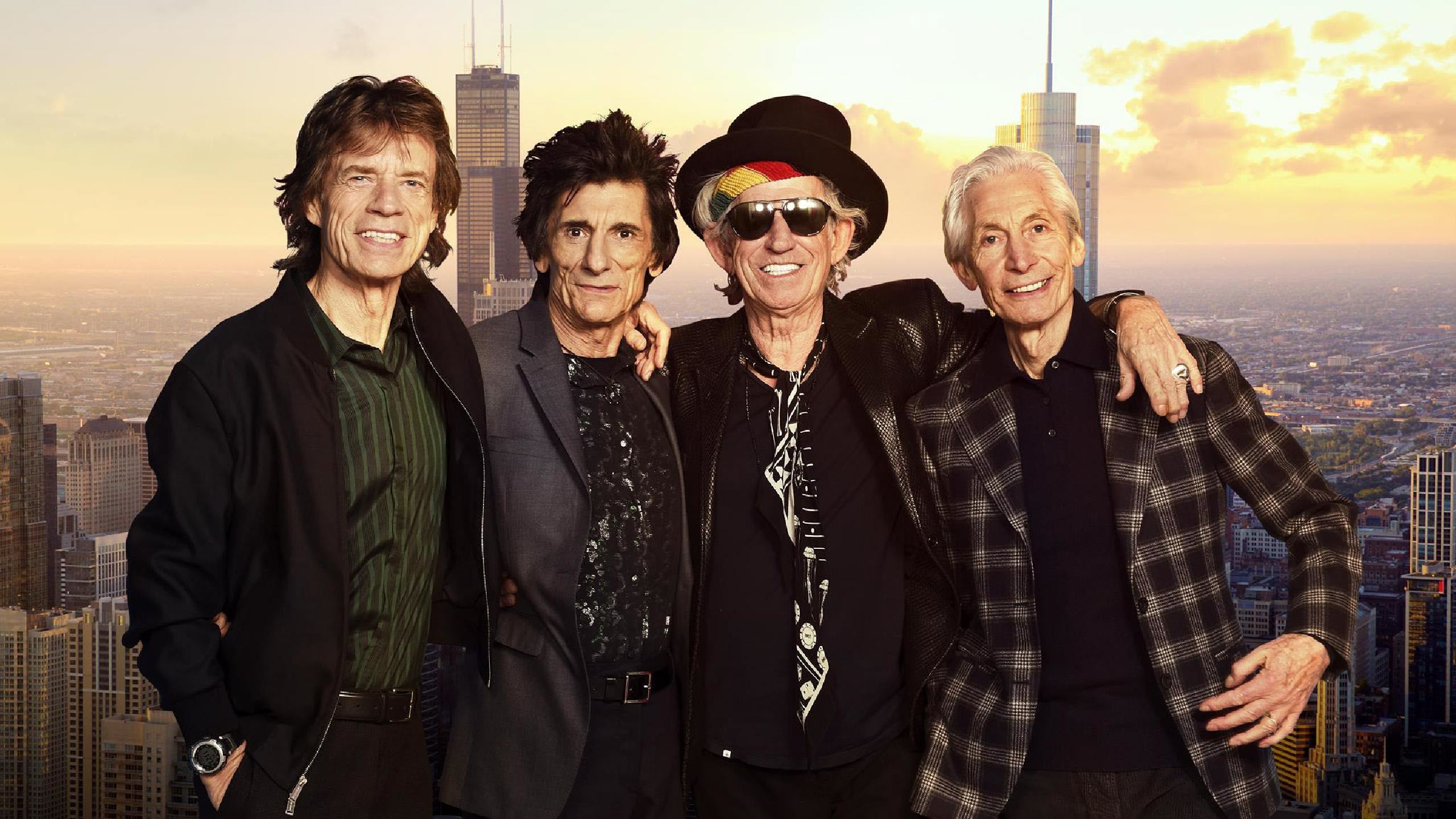
Few bands have left a mark on rock and roll quite like The Rolling Stones. With a career spanning over six decades, the Stones have become synonymous with rebellion, swagger, and timeless sound. From gritty blues roots to stadium-shaking anthems, they’ve redefined what it means to be a rock band—breaking boundaries, challenging norms, and delivering hit after hit. Their catalog is vast, but some songs have risen above the rest, becoming cultural touchstones that continue to ignite generations of fans. These aren’t just tunes—they’re anthems of revolution, heartbreak, lust, and life itself. Whether it’s the distorted snarl of a guitar riff, the pounding of Charlie Watts’ drums, or Mick Jagger’s unmistakable voice, the Stones know how to grab your soul and never let go. In this article, we’re counting down the Top 10 Most Popular The Rolling Stones Songs of All Time, based on impact, legacy, and sheer unforgettable power. So crank up the volume, pour yourself a drink, and get ready to revisit the tracks that turned five scrappy Brits into rock royalty. These are the songs that defined an era, inspired millions, and proved that rock and roll is far from dead. Let the countdown begin!
1. “(I Can’t Get No) Satisfaction” – 1965
When The Rolling Stones released “(I Can’t Get No) Satisfaction” in 1965, they didn’t just score a hit—they sparked a rock revolution. The song’s fuzz-soaked guitar riff, famously conceived by Keith Richards in the middle of the night, kicks off a track that became a global anthem of teenage angst and cultural frustration. With Mick Jagger’s snarl dripping with rebellion, the lyrics rail against commercialism, sexual frustration, and social conformity—all themes that struck a nerve with a restless youth. It wasn’t just a catchy tune; it was a statement. “Satisfaction” exploded onto the charts, giving the Stones their first U.S. No. 1 and catapulting them to international stardom. Its blend of raw energy, biting satire, and rock swagger turned it into more than a hit—it became a symbol of the ‘60s counterculture. Over the decades, the song’s power hasn’t dimmed. Its insistent beat and jagged edge still feel urgent, still shout with the same fire. It remains one of the most recognizable and influential rock songs ever recorded, and a cornerstone in the foundation of modern rock music.
2. “Paint It Black” – 1966
In 1966, The Rolling Stones dove into darker, more experimental territory with “Paint It Black,” a song that marked a major shift in their sound and style. The track opens with an eerie, droning sitar riff, played by Brian Jones, which instantly sets a haunting tone. Drawing inspiration from Eastern music, the band fused psychedelic elements with a raw rock foundation, creating a sound that felt both exotic and visceral. Lyrically, “Paint It Black” is steeped in grief and despair, painting a portrait of someone drowning in sorrow and wishing to see the world fade into black. Charlie Watts’ pounding drums drive the song forward with a relentless urgency, echoing the emotional turmoil at its core. Released during the height of the Vietnam War and social upheaval, the song resonated deeply with a generation grappling with loss and existential dread. It reached No. 1 on both the U.S. and U.K. charts, becoming the first chart-topping hit to feature a sitar prominently. “Paint It Black” remains one of the Stones’ most powerful and enduring tracks—a song that taps into universal feelings of darkness and longing with unflinching honesty.
3. “Sympathy for the Devil” – 1968
“Sympathy for the Devil,” released in 1968, is one of The Rolling Stones’ most audacious and lyrically rich works. Opening Beggars Banquet, the song is a bold narrative voiced by none other than the Devil himself, recounting humanity’s darkest moments through a chilling lens. With samba-inspired rhythms, conga drums, and a hypnotic groove, the music contrasts sharply with the grim historical references in the lyrics—from the crucifixion of Christ to the Russian Revolution. Mick Jagger delivers a charismatic, sinister performance, blurring the line between theatrical persona and unsettling realism. Rather than glorifying evil, the song forces listeners to confront the idea that cruelty and corruption are deeply human traits, not supernatural ones. It was a risky artistic move, and one that sparked both outrage and acclaim. Over time, “Sympathy for the Devil” has been recognized as a masterpiece of songwriting and arrangement, highlighting the Stones’ willingness to challenge norms and push rock music into complex philosophical territory. The song remains a haunting, unforgettable experience—one that dances on the edge of darkness while holding up a mirror to the world.
4. “Gimme Shelter” – 1969
“Gimme Shelter,” released in 1969, is often hailed as the quintessential Rolling Stones song—and for good reason. Born out of an era plagued by war, civil unrest, and cultural upheaval, the track opens with Keith Richards’ ghostly guitar riff, a sound that seems to echo the chaos of the times. Mick Jagger delivers an ominous vocal performance, but it’s backup singer Merry Clayton who delivers the song’s emotional climax. Her thunderous cry of “Rape, murder! It’s just a shot away!” remains one of the most chilling moments in rock history, recorded in just a few takes during a late-night session. The song wasn’t released as a single, yet it quickly became one of the band’s most celebrated and enduring tracks. “Gimme Shelter” captures the fear and fury of the late ‘60s, offering a bleak yet urgent portrait of a world teetering on the edge. Its themes still resonate today, making it more than just a protest song—it’s a haunting, prophetic cry for refuge and peace in a world spinning out of control. Decades later, it still hits with the force of a lightning strike.
5. “Angie” – 1973
When “Angie” was released in 1973, it revealed a softer, more emotional side of The Rolling Stones. Known for their gritty rock swagger, the band surprised fans with this tender ballad—led by a gentle acoustic guitar, Nicky Hopkins’ elegant piano, and Mick Jagger’s vulnerable vocals. The song is a heart-wrenching goodbye, a portrait of a relationship slowly unraveling with grace and sadness. Speculation about who inspired “Angie” ran wild—Angela Bowie? Keith Richards’ newborn daughter?—but its emotional core transcends any one muse. It struck a universal chord, earning the Stones a No. 1 hit in the U.S. and major success worldwide. “Angie” demonstrated the band’s range, showing they could craft introspective love songs just as well as rebellious anthems. It’s a song full of longing and resignation, painted with delicate musical brushstrokes. Mick Taylor’s subtle guitar work adds depth without overwhelming the melody. Even decades later, “Angie” holds up as one of the band’s most beautiful compositions—a reminder that behind the rock-and-roll bravado, The Rolling Stones were also capable of stunning emotional nuance and lyrical sincerity.
6. “Start Me Up” – 1981
When “Start Me Up” hit the airwaves in 1981, it was a loud and clear reminder that The Rolling Stones still had the magic touch. Originally conceived as a reggae-inspired jam during the Some Girls sessions in the late ‘70s, the song evolved into a swaggering, guitar-driven anthem that defined the band’s sound for a new decade. Keith Richards’ opening riff is instantly recognizable—crisp, punchy, and endlessly replayable. Mick Jagger delivers one of his most playful performances, packed with innuendo and unshakable bravado. As the lead single from Tattoo You, “Start Me Up” roared to life on charts worldwide and quickly became a concert favorite. Its driving beat and infectious hook turned it into a staple of arenas, commercials, and sports events—anywhere a blast of raw rock energy was needed. Despite being nearly two decades into their career, the Stones proved they could still churn out hits that felt vital and fresh. “Start Me Up” captures the joy and spectacle of classic rock in its purest form. It’s loud, it’s cheeky, and it refuses to grow old—just like the band themselves.
7. “Jumpin’ Jack Flash” – 1968
“Jumpin’ Jack Flash” marked a powerful return to form for The Rolling Stones in 1968, stripping away psychedelic experimentation in favor of gritty blues-rock swagger. The track kicks off with a thunderous guitar riff that feels like a shot of adrenaline—urgent, aggressive, and unmistakably Stones. Keith Richards and Mick Jagger co-wrote the song during a period of creative renewal, and the result was nothing short of explosive. Jagger’s lyrics, “I was born in a crossfire hurricane,” conjure up an image of resilience in the face of chaos, setting the tone for a song that’s as defiant as it is electrifying. Though released as a standalone single, “Jumpin’ Jack Flash” became a permanent fixture in their live shows and helped reestablish their raw, bluesy identity after the flower-power detours of 1967. The song’s stripped-down sound—fuzzy guitars, stomping rhythm, and snarling vocals—made it a cornerstone of the band’s transition into their most celebrated era. More than just a hit, “Jumpin’ Jack Flash” was a rallying cry for rock and roll rebellion, proving the Stones still had plenty of bite.
8. “Wild Horses” – 1971
“Wild Horses,” released in 1971 on the Sticky Fingers album, is a hauntingly beautiful ballad that reveals a deeply emotional side of The Rolling Stones. Unlike their harder-edged hits, this track is all vulnerability—built on gentle acoustic guitars, subtle country influences, and aching lyrics about love, loss, and the pull of the past. Written by Mick Jagger and Keith Richards, with help from Gram Parsons’ country stylings, the song is a poetic meditation on longing. The line “Wild horses couldn’t drag me away” is simple, yet loaded with feeling—it’s a pledge of love, resistance, and quiet sorrow. The arrangement is soft and restrained, with Mick Taylor’s delicate guitar licks and Nicky Hopkins’ understated piano adding rich emotional layers. “Wild Horses” stands as one of the Stones’ most cherished songs, not because it’s loud or flashy, but because it’s honest. It touches the heart with its raw sincerity and timeless message. Over 50 years later, it still resonates with listeners who’ve loved deeply and hurt quietly. It’s a song that doesn’t need to shout to be unforgettable.
9. “You Can’t Always Get What You Want” – 1969
Closing out their 1969 album Let It Bleed, “You Can’t Always Get What You Want” is one of The Rolling Stones’ most ambitious and philosophical songs. It opens with the soaring harmonies of the London Bach Choir—a surprising and powerful choice that sets an almost spiritual tone. Then Mick Jagger enters, delivering lines that reflect both personal disappointment and broader social disillusionment. As the song unfolds, it gradually builds into a triumphant crescendo of brass, drums, and choral voices. The phrase “You can’t always get what you want, but if you try sometimes, you just might find you get what you need” has become one of the most enduring refrains in rock history—part lament, part life lesson. Whether heard as a reflection on the turbulent late ‘60s or as a personal anthem for anyone facing adversity, its message is timeless. Musically, it bridges gospel, rock, and orchestral grandeur, showcasing the Stones’ adventurous spirit. It’s a song that grows with each listen—layered, thoughtful, and deeply human. “You Can’t Always Get What You Want” is more than a closer—it’s a cinematic statement of truth and resilience.
10. “Brown Sugar” – 1971
When “Brown Sugar” burst onto the scene in 1971 as the lead single from Sticky Fingers, it did so with a swagger and edge that perfectly captured The Rolling Stones’ brand of rock and roll. The track opens with a riff that’s pure gold—raw, catchy, and unforgettable. Keith Richards’ guitar is on fire, Charlie Watts drives the beat with unrelenting power, and Bobby Keys delivers a blazing saxophone solo that elevates the song to another level. Mick Jagger’s vocals are full of grit and swagger, though the lyrics—centered around controversial themes—have sparked debate since the song’s release. Still, the sheer musical force of “Brown Sugar” is hard to deny. It’s a full-throttle rocker that exemplifies the Stones at their most dangerous and dynamic. With its bluesy roots, explosive energy, and irreverent attitude, the song quickly became a staple of their live performances. It topped the charts and helped define the early ’70s sound of the band. Controversial? Certainly. But “Brown Sugar” remains a powerful, electrifying piece of rock history—an unapologetic anthem that continues to provoke, thrill, and groove more than 50 years later.

Samuel Moore is a frequent contributor to Singers Room. Since 2005, Singersroom has been the voice of R&B around the world. Connect with us via social media below.







