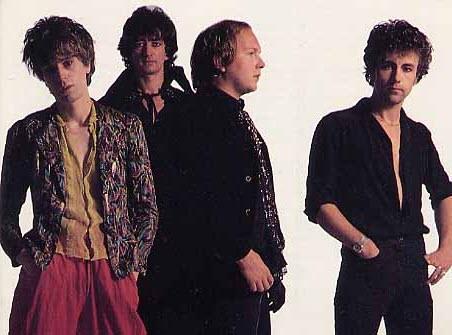
When it comes to the eclectic sounds of the late ’70s and early ’80s, few bands capture the essence of that era quite like The Only Ones. Blending punk rock energy with melodic sensibilities, their music transcends genres and continues to resonate with fans today. Formed in 1976, this British band quickly carved out a niche for themselves with their unique sound, characterized by haunting lyrics and infectious hooks.
From anthemic hits that defined a generation to deep cuts that showcase their lyrical prowess, The Only Ones have left an indelible mark on the music scene. Their songs explore themes of love, loss, and existential angst, all wrapped in a captivating musical package. As we dive into the top 10 most popular The Only Ones songs of all time, prepare to revisit classics that not only shaped the band’s legacy but also influenced countless artists that followed. Whether you’re a longtime fan or new to their music, this list promises to ignite your passion for their timeless tracks. Get ready to relive the magic and discover why The Only Ones remain an enduring force in rock history!
1. Another Girl, Another Planet (1977)
“Another Girl, Another Planet” is perhaps The Only Ones’ most enduring anthem, the song that defined their legacy and cemented their place in rock history. Released in 1977, it’s a perfect marriage of jangly, melodic guitars and lyrics that balance longing, romance, and a touch of melancholy. On the surface, it’s a love song about yearning for someone unattainable, but many fans have interpreted it as a metaphor for addiction and the intoxicating highs and lows of desire. Peter Perrett’s vocals deliver every line with a fragile yet defiant charm, sounding both vulnerable and detached, which only adds to the song’s allure. The guitar work, especially the sparkling riffs, gives the track a bright and driving energy, countering the bittersweet themes in the lyrics. The chorus is instantly memorable, the kind of hook that etches itself into your memory after just one listen. “Another Girl, Another Planet” became more than a punk-era song—it evolved into a timeless piece of alternative rock, covered by numerous artists and still cherished by new generations. Its mix of romantic mystery, restless energy, and sheer catchiness ensures it remains one of those rare songs that never loses its spark.
2. Breaking Down (1978)
“Breaking Down,” released in 1978, shows a more introspective and emotionally layered side of The Only Ones. Where many of their tracks pulse with punkish urgency, this one slows the tempo just enough to allow the lyrics—and the ache behind them—to breathe. The song dives deep into themes of disillusionment, self-doubt, and the slow unraveling of one’s sense of stability. Peter Perrett’s voice carries a haunted quality here, almost as if he’s confiding in the listener, letting them in on a private confession. The instrumentation is deceptively rich: guitars build in tension, then spill into brief, soaring solos that echo the song’s emotional turmoil. There’s an undercurrent of restlessness that makes “Breaking Down” hit harder than a simple lament—it’s the sound of someone on the edge, teetering between reflection and collapse. Yet, despite its heaviness, the melody draws you in, wrapping deep, conflicted feelings in a tune you can’t forget. This ability to blend accessible hooks with raw, vulnerable lyricism is exactly what set The Only Ones apart. “Breaking Down” isn’t just a song—it’s a moment of quiet reckoning, the kind of track that lingers in your head long after it’s over.
3. The Whole of the Law (1978)
“The Whole of the Law” is one of The Only Ones’ most evocative and powerful songs, released in 1978 at the height of their creative momentum. It opens with a driving rhythm that instantly pulls you into its world, setting the stage for a narrative that feels both urgent and reflective. Lyrically, the song grapples with themes of freedom, individuality, and the cost of living authentically in a society that often demands conformity. Peter Perrett’s vocal delivery is striking—equal parts defiant and wistful—giving the lyrics a resonance that feels personal, as if he’s daring you to embrace your true self. The guitars weave between raw punk energy and melodic flourishes, a hallmark of the band’s unique sound. As the track progresses, the chorus rises up like an anthem, begging to be shouted along with, while the verses hold moments of poetic intimacy. There’s something liberating about the song’s message—it’s not just about rejecting rules, but about reclaiming your own narrative. “The Whole of the Law” feels timeless, not because it avoids the rawness of its era, but because it captures a truth that will always resonate: the struggle to live freely and honestly, no matter the cost.
4. No Peace for the Wicked (1979)
“No Peace for the Wicked,” released in 1979, dives headfirst into darker emotional territory, showing The Only Ones’ ability to weave depth and mood into their music. The title alone hints at a haunting theme, and the song delivers with lyrics that explore guilt, regret, and the lingering shadows of past choices. Peter Perrett’s voice, with its fragile and almost haunted tone, gives the track a deeply personal feel, as if he’s sharing a confession whispered late at night. The instrumentation is deliberately moody—guitars shimmer and bend, bass lines throb with tension, and the drums keep a steady, almost relentless pulse. The song doesn’t wallow in despair, though; instead, it has an atmospheric beauty that draws the listener in, offering reflection rather than hopelessness. The dynamic shifts—moments of quiet introspection breaking into surges of emotion—make it feel alive and unpredictable. “No Peace for the Wicked” is more than just a song; it’s an experience, inviting listeners to confront their own demons and wrestle with their own questions. It’s this balance of vulnerability and artistry that makes it such a standout, a song that lingers in the mind long after the last note fades.
5. Lovers of Today (1978)
“Lovers of Today,” released in 1978, captures the reckless rush of young love with a mix of tenderness and urgency. From its very first notes, the song feels like an anthem for anyone who’s ever been caught up in the whirlwind of romance—the kind that feels all-consuming, even if fleeting. The upbeat tempo and vibrant guitar riffs give it a playful energy, while Peter Perrett’s slightly languid vocals add a layer of yearning beneath the brightness. The lyrics celebrate passion but also hint at the bittersweet reality that love, especially youthful love, can be messy and fleeting. There’s a sense of rebellion here too—the idea of being “lovers of today” suggests living fully in the moment, rejecting caution and embracing the now. The instrumentation is pure The Only Ones: a fusion of punk bite, melodic hooks, and just enough rawness to keep it from feeling polished. Over the decades, “Lovers of Today” has remained one of their most beloved tracks, not because it’s perfect love song fluff, but because it captures the contradictions of real love—joy mixed with vulnerability, hope tinged with a bit of heartbreak—all wrapped up in an irresistible tune.
6. (What’s So Funny ‘Bout) Peace, Love and Understanding (1978)
Originally written by Nick Lowe, “(What’s So Funny ‘Bout) Peace, Love and Understanding” has been covered by many, but The Only Ones’ 1978 version adds their own unique punch. They inject the song with a raw, punk-tinged energy that transforms it from a folk-rock plea into an urgent call to arms. The lyrics pose a simple yet powerful question: why should peace, love, and understanding be seen as naive or laughable? It’s a message that has remained heartbreakingly relevant for decades. Peter Perrett’s vocals bring a sense of sincerity to the words—there’s a mix of frustration and hope in his delivery, as though he’s grappling with the world’s cynicism but refusing to give in to it. The guitars ring bright and insistent, the rhythm section keeps the song driving forward, and the whole track radiates a sense of purpose. What’s striking is how The Only Ones manage to honor the song’s core sentiment while infusing it with their own edge. Their version doesn’t just ask the question; it demands that we listen. It’s both a protest and a plea, proof that music can be both beautifully melodic and fiercely confrontational at the same time.
7. You and Me (1978)
“You and Me,” released in 1978, is a softer, more intimate moment in The Only Ones’ catalog—a song that feels like a quiet conversation between two people who’ve shared everything and still can’t get enough of each other. The melody is warm and unhurried, carried by gentle guitar work and a rhythm that feels almost like a heartbeat. Peter Perrett’s vocals are understated but deeply expressive, imbuing every line with a sense of vulnerability and sincerity. The lyrics paint a picture of closeness and connection, touching on the quiet moments of love—the glances, the shared silences, the unspoken understanding that builds over time. It’s not the fiery infatuation of “Lovers of Today,” but something deeper and steadier, though still tinged with a little fragility. The instrumentation complements this mood perfectly, creating an atmosphere that feels almost like a soft embrace. “You and Me” stands out because it’s proof that The Only Ones could do more than punk energy and jagged edges—they could also strip things back and let pure emotion take center stage. It’s a song that feels personal, like a secret shared between the band and whoever happens to be listening.
8. The Beast (1979)
“The Beast,” released in 1979, is one of The Only Ones’ most raw and ferocious tracks—a song that grabs you by the collar and refuses to let go. Right from the opening riff, there’s an intensity that signals this isn’t going to be a polite ride. The song dives headfirst into themes of desire, chaos, and the wilder, more primal urges that lurk beneath the surface of human behavior. Peter Perrett’s vocals are sharp and biting here, his delivery teetering between seduction and menace. The guitars snarl and bite, the bass rumbles with a dark energy, and the drums pound like a racing pulse. There’s a dangerous allure to “The Beast,” as if the song itself is daring you to give in to your instincts, to embrace the messiness and abandon the restraint. It’s a perfect example of The Only Ones’ ability to walk the line between punk aggression and artful storytelling—there’s plenty of grit, but also a sense of deliberate craft behind every note. “The Beast” isn’t just a track; it’s a visceral experience, a reminder that rock and roll at its best is supposed to make you feel a little wild inside.
9. Out There in the Night (1979)
“Out There in the Night,” also from 1979, takes listeners on a journey into something more mysterious and cinematic. The song feels like it belongs to a world lit only by neon and moonlight—a place where danger and adventure are always just around the corner. The instrumentation sets that mood perfectly: guitars weave shimmering, slightly eerie lines over a steady, pulsing rhythm, creating a sense of movement, like a car ride through an empty city at midnight. Peter Perrett’s vocals add to the intrigue—there’s a detached coolness to his delivery, as though he’s narrating a dream or a memory that’s already slipping away. Lyrically, it hints at uncertainty and exploration, the kind of restlessness that makes you want to chase after something, even if you’re not sure what it is. “Out There in the Night” stands out because of its atmosphere—it’s a song you don’t just hear, you feel yourself pulled into its world. It’s proof that The Only Ones weren’t afraid to play with mood and tone, creating music that could be both edgy and hauntingly beautiful.
10. I Don’t Want to Talk About It (1978)
“I Don’t Want to Talk About It,” released in 1978, is a stunningly vulnerable track that strips away bravado and lays raw emotion bare. The title says it all—sometimes the pain is too much to articulate, and this song captures that feeling perfectly. Peter Perrett’s voice is at its most fragile here, almost breaking in places, as if the lyrics themselves are too heavy to carry. The words are simple but devastating, exploring heartbreak, loss, and the silence that can feel louder than words. The instrumentation mirrors that emotional weight: soft, melancholic guitar lines, a gentle rhythm, and a minimal arrangement that leaves space for the ache in the vocals to fully resonate. What’s remarkable is how deeply relatable it feels—anyone who has ever sat in silence with grief or regret will recognize themselves in this song. “I Don’t Want to Talk About It” isn’t dramatic or overblown; it’s quietly powerful, the kind of track that stops you in your tracks and makes you just listen. It closes like an unresolved conversation, leaving you with the same lingering ache it describes—a timeless testament to The Only Ones’ emotional honesty.

Edward Tomlin is a frequent contributor to Singers Room. Since 2005, Singersroom has been the voice of R&B around the world. Connect with us via social media below.









