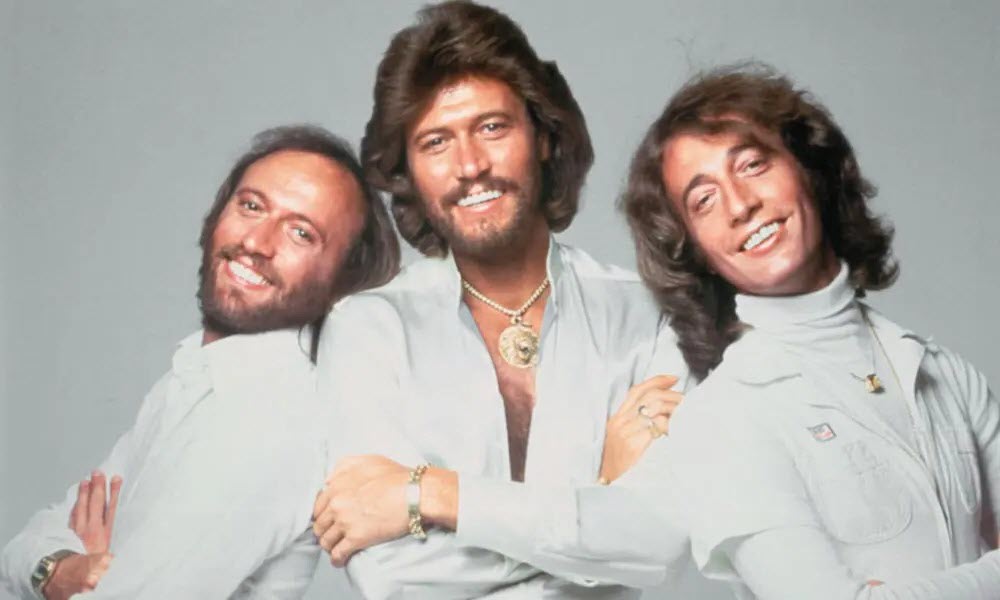
The Bee Gees, a musical trio that transcended generations, crafted a unique sound that blended pop, rock, and disco into timeless hits. With their unmistakable harmonies and poignant lyrics, Barry, Robin, and Maurice Gibb captured the hearts of millions around the globe. From the dance floors of the ’70s to the playlists of today, their music has remained a staple in popular culture.
As we dive into the top 10 most popular Bee Gees songs of all time, prepare to relive the magic of their chart-topping anthems. This list not only highlights their commercial success but also showcases the emotional depth and artistry that defined their career. Whether you’re a lifelong fan or a newcomer to their music, these tracks offer a rich tapestry of sound that evokes nostalgia and joy. Each song tells a story, blending infectious melodies with powerful themes of love, heartbreak, and resilience. Join us as we celebrate the legacy of one of music’s greatest acts, exploring the songs that have left an indelible mark on the world and continue to resonate with listeners across all ages. Get ready to groove and sing along with the Bee Gees!
1. Stayin’ Alive (1977)
“Stayin’ Alive” isn’t just a song—it’s a cultural phenomenon and an anthem of survival. Released in 1977 as part of the Saturday Night Fever soundtrack, it instantly became the heartbeat of the disco era. The track’s thumping bassline, tight rhythm, and unforgettable falsetto vocals from the Bee Gees create an unstoppable groove that still makes people want to hit the dance floor. But beneath its irresistible beat, the lyrics carry a deeper message—one of grit and determination to keep going, even when life gets tough. Lines like “Life goin’ nowhere, somebody help me” reveal the struggles hiding behind the glitter and lights of disco, giving the song an unexpected emotional weight. The Bee Gees perfectly balanced the tension between hardship and hope, turning “Stayin’ Alive” into something bigger than just a party song—it’s a statement about resilience. It became a global hit, topping charts and cementing the Bee Gees as disco icons, but its legacy has only grown over time. From dance clubs to movie soundtracks to CPR training videos, “Stayin’ Alive” has become timeless. It’s not just music you hear; it’s music you feel, a rhythm that reminds you to keep moving, keep dancing, and most importantly—keep surviving.
2. How Deep Is Your Love (1977)
“How Deep Is Your Love,” released in 1977, is one of the Bee Gees’ most tender and enduring ballads, a love song that feels as warm and comforting as a gentle embrace. Written for the Saturday Night Fever soundtrack, it stood out amid the disco frenzy as a moment of stillness and intimacy. The melody flows like a soft river, and the Bee Gees’ signature harmonies are at their most delicate here, layering emotion over every line. The lyrics are both vulnerable and profound, asking the timeless question: How deep is your love? It’s not just a declaration—it’s an invitation to explore trust, connection, and devotion. The song’s soothing arrangement, with its understated instrumentation and mellow groove, draws listeners in, creating a sense of closeness as if it’s being sung directly to you. Over the years, “How Deep Is Your Love” has become a staple at weddings and romantic moments, a soundtrack for love stories both new and old. It proved that the Bee Gees weren’t just masters of disco—they were masters of emotion, able to craft songs that touch the heart as much as they move the body.
3. Night Fever (1977)
When you think of disco in its prime, “Night Fever” is one of the first songs that comes to mind. Released in 1977, it perfectly captures the magic, excitement, and sensuality of nightlife in the disco era. From the moment that lush intro begins, with its shimmering strings and smooth groove, you’re transported to a dance floor under spinning lights. The Bee Gees’ falsetto vocals glide effortlessly over the beat, creating an atmosphere that’s both glamorous and hypnotic. The lyrics celebrate the irresistible pull of the night—the music, the movement, the freedom found when the world sleeps and the dance floor comes alive. Featured prominently on the Saturday Night Fever soundtrack, “Night Fever” became a defining anthem of the disco explosion, dominating charts and nightclubs alike. But its appeal goes beyond the era—it’s still the kind of song that makes you want to sway, move, and lose yourself in the rhythm. The Bee Gees captured a cultural moment, but they also created something timeless: a song that celebrates the joy of the night and the power of music to bring people together under its spell.
4. Jive Talkin’ (1975)
“Jive Talkin’,” released in 1975, marked a pivotal shift for the Bee Gees—a bold leap into funkier, dance-driven sounds that would eventually define their career. Before this track, the brothers were largely known for their soft rock and ballads, but “Jive Talkin’” changed everything. With its choppy guitar riff, infectious rhythm, and playful energy, it became their first major foray into disco. The lyrics are cheeky and fun, a lighthearted take on dishonesty in relationships—calling out someone’s “jive talkin’” and their smooth-talking ways. What makes the song so irresistible is the groove: a blend of funk and disco that makes your head nod and feet tap almost unconsciously. The Bee Gees’ harmonies are tighter and sharper here, delivering the words with a wink and a swagger that feels completely fresh. “Jive Talkin’” didn’t just give the Bee Gees a hit—it gave them a new identity. It laid the groundwork for the disco dominance that would come just a few years later, showing that they could reinvent themselves and still top the charts. Nearly 50 years later, the song still feels alive, playful, and impossibly catchy.
5. To Love Somebody (1967)
“To Love Somebody,” released in 1967, is one of the Bee Gees’ most soulful and enduring songs—a ballad that feels deeply personal and universal all at once. Written by Barry and Robin Gibb, it wasn’t crafted as a disco anthem or a pop hit, but as a heartfelt expression of longing and love unfulfilled. From the opening chords, the song sets a mood of vulnerability, and Barry’s lead vocal is drenched in emotion, raw and pleading. The lyrics are beautifully simple: There’s a light, a certain kind of light, that never shone on me. It’s about wanting to be loved fully and deeply, and the ache of knowing that love might never be returned. The arrangement is restrained, allowing the emotion to lead, with gentle strings and a soulful undercurrent that makes it feel timeless. Over the decades, “To Love Somebody” has been covered by dozens of artists—from Nina Simone to Michael Bolton—which speaks to its universality. But no one has ever captured the yearning quite like the Bee Gees did in that original recording, making it one of the most powerful and enduring love songs of all time.
6. Massachusetts (1967)
“Massachusetts,” released in 1967, is a beautifully melancholic song that captures the longing for home and the bittersweet ache of nostalgia. Written by the Gibb brothers, it tells the story of someone who left Massachusetts searching for something more, only to realize that their heart still belongs to the place they left behind. The melody is tender and wistful, carried by soft harmonies that are both delicate and haunting. The lyrics are simple yet evocative—“Feel I’m going back to Massachusetts”—a single line that holds layers of regret, hope, and reflection. At the time, it marked a new chapter for the Bee Gees, showcasing their ability to tell deeply human stories through music. It became their first number-one hit in the UK, cementing their status as master songwriters. What makes “Massachusetts” so powerful is how relatable it remains—everyone has a “Massachusetts” of their own, a place they think of when life feels heavy. Decades later, its gentle melody still stirs that same longing, making it one of the Bee Gees’ most timeless and touching songs.
7. Tragedy (1979)
“Tragedy,” released in 1979, is one of the Bee Gees’ most dramatic and emotionally charged songs—a storm of heartbreak wrapped in disco brilliance. The song explodes from the very first note, with a powerful mix of pounding drums, pulsing synths, and haunting falsetto vocals. It’s not just a breakup song—it’s a catastrophe of love, a full-on emotional collapse. The chorus hits like a tidal wave: “Tragedy! When the feeling’s gone and you can’t go on…” It’s desperate, raw, and unforgettable. The Bee Gees manage to balance that intensity with immaculate production, layering harmonies and creating a sound that’s as big and cinematic as the emotions it conveys. “Tragedy” became a massive hit, topping charts and proving that the Bee Gees could take disco beyond the dance floor, into darker, more emotional territory. Even today, it’s a song that grabs you by the heart and won’t let go—a reminder that the best pop songs can also be the most devastating.
8. More Than a Woman (1977)
“More Than a Woman,” released in 1977, is one of the most romantic songs the Bee Gees ever recorded—a silky, heartfelt ode to love that transcends the ordinary. Written for the Saturday Night Fever soundtrack, it has all the hallmarks of a disco classic—the steady beat, the smooth groove—but there’s an intimacy to it that sets it apart. The Bee Gees’ harmonies float effortlessly, like a warm breeze, as they sing about a love so deep it can’t be fully expressed with words. The melody is soft and hypnotic, drawing you in and wrapping you in its warmth. The lyrics celebrate the kind of love that feels rare, transformative, and lasting—“More than a woman to me,” they sing, and you can hear the awe in their voices. The song became iconic not just because of its role in Saturday Night Fever but because it taps into a universal feeling: the wonder of finding someone who changes your world. Even decades later, “More Than a Woman” remains a slow-dance staple, a song that feels as tender and timeless as love itself.
9. I Started a Joke (1968)
“I Started a Joke,” released in 1968, is one of the Bee Gees’ most haunting and enigmatic songs—a ballad steeped in melancholy and introspection. Robin Gibb’s lead vocal is fragile and haunting, carrying the weight of lyrics that feel like a confession, a parable, and a riddle all at once. “I started a joke which started the whole world crying,” he sings, and from that opening line, you’re pulled into a strange, beautiful sadness. The song feels almost otherworldly, with its delicate orchestration and dreamlike atmosphere. Interpretations of the lyrics vary—some hear it as a reflection on fame, others as a meditation on unintended consequences, and some even see spiritual undertones—but the emotional impact is universal. It’s a song about regret, misunderstanding, and the deep loneliness that can come from feeling disconnected from the world. “I Started a Joke” has been covered by many, but none match the vulnerability of the original. It’s the kind of song that lingers long after it ends, a quiet ache that stays with you.
10. You Should Be Dancing (1976)
“You Should Be Dancing,” released in 1976, is pure disco fire—a track that practically commands you to get up and move. From the very first beat, it’s an adrenaline rush of rhythm, with a driving bassline, sharp guitar riffs, and relentless energy. The Bee Gees’ falsetto vocals soar, playful and urgent, repeating the irresistible refrain: “You should be dancing… yeah!” It’s not just an invitation—it’s an order, and one you can’t resist. The song became a massive hit, topping charts and dominating dance floors, and it remains one of the defining tracks of the disco era. But what makes “You Should Be Dancing” so enduring is that it’s not just about the music—it’s about the feeling. It captures the joy of losing yourself in a song, the rush of movement, the connection between music and freedom. Even decades later, you can hear it in a club, at a wedding, or in a movie, and it still has the same effect—it makes you smile, it makes you move, and it reminds you why we dance in the first place.

Edward Tomlin is a frequent contributor to Singers Room. Since 2005, Singersroom has been the voice of R&B around the world. Connect with us via social media below.









