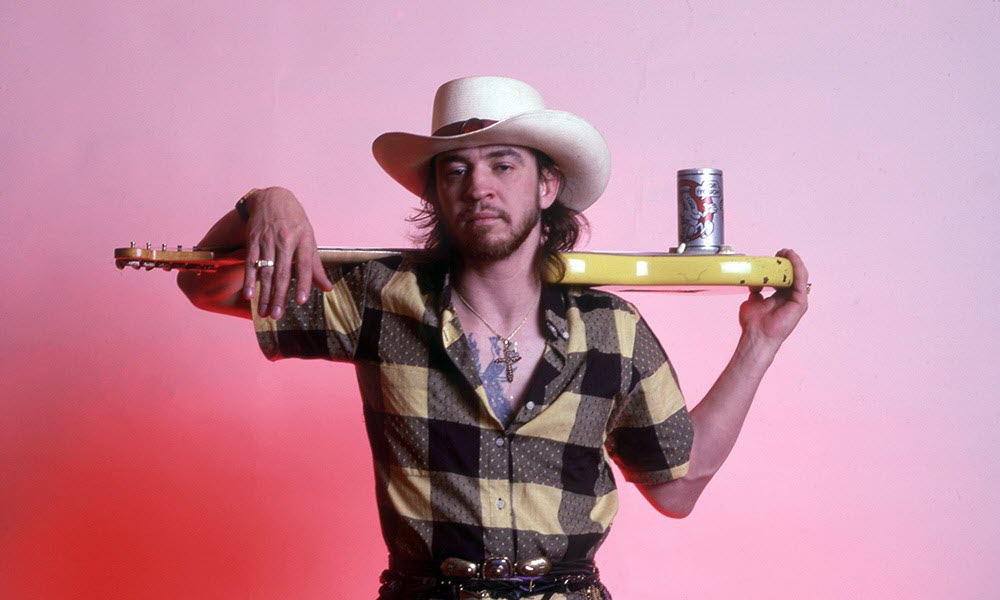
Stevie Ray Vaughan, the legendary Texas blues guitarist, left an indelible mark on the music world with his electrifying performances and soul-stirring sound. His unique fusion of blues, rock, and jazz, coupled with his passionate guitar work, captivated audiences and inspired countless musicians. As we dive into the top 10 most popular Stevie Ray Vaughan songs of all time, prepare to be transported through a sonic journey that showcases his extraordinary talent and emotional depth.
From his groundbreaking debut album Texas Flood to his posthumous releases, Vaughan’s discography is a treasure trove of blues mastery. Hits like “Pride and Joy” and “Texas Flood” not only highlight his technical prowess but also his ability to convey raw emotion through music. Each track tells a story, reflecting both the struggles and triumphs of life.
Join us as we explore these timeless classics, celebrating the artistry of a man who forever changed the landscape of blues music. Whether you’re a lifelong fan or new to his sound, this list promises to ignite your passion for the music of Stevie Ray Vaughan. Get ready to groove, reminisce, and feel the powerful energy that defines his remarkable legacy!
1. Pride and Joy (1983)
“Pride and Joy” is one of Stevie Ray Vaughan’s most beloved tracks, and for good reason—it’s an electrifying blend of blues, soul, and unfiltered emotion. Released in 1983 on his groundbreaking debut album Texas Flood, the song immediately established Vaughan as a force to be reckoned with. It’s a love song at its core, celebrating a woman who brings meaning, happiness, and inspiration to his life. But Vaughan doesn’t just tell us he loves her—he shows it with his guitar. The bright, skipping shuffle rhythm and clean, punchy guitar tone add a bounce to the track that feels alive with joy. His vocals are confident and affectionate, capturing the warmth of genuine devotion. And then there’s that unforgettable guitar solo—fluid, energetic, and so full of character that it practically sings on its own. “Pride and Joy” isn’t just a song—it’s a declaration. It reflects the heart of blues while radiating personal pride, making it a timeless tune that remains a favorite for fans and guitarists alike. It’s an ideal introduction to Vaughan’s signature style: a seamless fusion of technical mastery, raw feeling, and a whole lot of Texas swagger.
2. Texas Flood (1983)
“Texas Flood” is more than just a blues song—it’s an emotional downpour. Released in 1983 as the title track of Vaughan’s debut album, this track quickly became a staple of his live performances and a defining piece of his legacy. The song starts with a slow, aching blues groove, setting the tone for a tale of heartbreak, loneliness, and relentless sorrow. Vaughan’s voice is drenched in pain, singing about a love that has gone cold and a life overwhelmed by trouble. But it’s his guitar that tells the deeper story—howling, bending, and crying with every phrase. His solos surge like a storm, capturing the inner turmoil of a man left behind. Each note is deliberate, steeped in emotion, and full of that unmistakable Texas blues grit. Even as the lyrics describe the literal rain, the song’s emotional weight is what really soaks in. “Texas Flood” showed the world that Stevie Ray Vaughan wasn’t just another guitarist—he was a blues storyteller with a soul-deep connection to the music. It remains one of his most powerful and haunting performances, a perfect example of how the blues can say everything without saying much at all.
3. Cold Shot (1984)
“Cold Shot” shows off Stevie Ray Vaughan’s sense of humor and groove, blending his fiery blues style with a funky, rhythmic twist. Released in 1984 on the album Couldn’t Stand the Weather, this track offers a lighter, almost playful take on heartbreak. The lyrics tell the story of a man whose once-loving relationship has suddenly turned icy. “Once she was pretty / Now she’s just pretty cold”—Vaughan delivers these lines with a smirk, giving the song a sardonic edge. But what makes “Cold Shot” so memorable is its irresistible groove. The bass and drums lay down a thick, toe-tapping rhythm, while Vaughan’s guitar chimes in with tight, staccato riffs and bursts of sharp licks. There’s no flashy solo here—just a confident, laid-back swagger that oozes cool. It’s the kind of song that makes you nod along without realizing it. While many blues songs are drenched in sorrow, “Cold Shot” keeps things upbeat, even in the face of rejection. That contrast is part of its charm. It proves that Vaughan didn’t need to shred at full speed to make a statement—sometimes, less is more, and a little sarcasm goes a long way.
4. Little Wing (1985)
Stevie Ray Vaughan’s take on “Little Wing” is nothing short of magical. Originally written and performed by Jimi Hendrix, this 1985 instrumental version—released posthumously on The Sky Is Crying—turns the already iconic song into an even more expressive piece. Vaughan strips away the lyrics and lets his guitar do all the talking, telling a story through tone, bends, and phrasing alone. Every note feels intentional, glowing with reverence and emotion. It’s as if Vaughan is both honoring Hendrix and speaking in his own voice. His interpretation is delicate, soaring, and deeply personal. Unlike some of his high-octane tracks, “Little Wing” floats like a dream—unhurried, graceful, and full of feeling. The dynamics shift like waves, building and retreating with breathtaking control. You can feel the tenderness in each swell, the ache in each pause. Vaughan shows that he wasn’t just a master of blues fire—he also understood beauty, nuance, and restraint. This version of “Little Wing” stands as one of his most transcendent recordings, a breathtaking display of guitar artistry that reaches into the soul and reminds us just how expressive an instrument can be in the hands of a true master.
5. Crossfire (1989)
“Crossfire” is a powerful, hard-hitting blues-rock anthem that captures Stevie Ray Vaughan at his most intense and energetic. Released in 1989 as part of the In Step album, this track brings together a driving rhythm, punchy basslines, and Vaughan’s signature searing guitar tone to create a sound that feels both urgent and explosive. Lyrically, the song explores the feeling of being caught in life’s chaos, a reflection of Vaughan’s own struggles and triumphs at the time. His impassioned vocals ride the groove with a confidence that mirrors his personal renewal after overcoming addiction. What makes “Crossfire” stand out is how tight the entire ensemble plays—Double Trouble’s rhythm section locks in behind Vaughan’s dynamic solos, making each section feel like a burst of raw momentum. The chorus is incredibly catchy and anthemic, a crowd favorite during live performances. It’s blues at its most contemporary—gritty, soulful, and loaded with emotional weight. “Crossfire” not only shows Vaughan’s growth as an artist but also cements his place as a force in modern blues music, bridging the traditional roots of the genre with the raw power of rock.
6. The Sky Is Crying (1991)
Stevie Ray Vaughan’s version of “The Sky Is Crying” is one of the most emotive and haunting blues ballads in his catalog. Released posthumously in 1991 on the album of the same name, this track serves as a fitting tribute to his unparalleled ability to make the guitar weep and wail with soul. Originally written by Elmore James, Vaughan breathes new life into it with a slow, deliberate tempo that allows each note to linger in the air. His guitar tone is rich and expressive, delivering licks that feel like cries from the heart. Vaughan’s vocals are restrained yet loaded with emotion, as he sings of sorrow, longing, and the kind of pain that only the blues can fully express. The song captures a stormy emotional landscape, both literally and figuratively—his guitar mimics the falling rain and thunderous heartache of the lyrics. What makes this rendition truly unforgettable is its honesty. There’s no flash or overplaying here, just raw feeling laid bare. “The Sky Is Crying” is more than just a cover—it’s a master class in soul, tone, and restraint, showing the depth of Vaughan’s artistry and the lasting power of the blues.
7. Scuttle Buttin’ (1984)
“Scuttle Buttin’” is an electrifying instrumental that explodes with energy from the very first note. Featured on the 1984 album Couldn’t Stand the Weather, this track is one of Stevie Ray Vaughan’s fastest and most technically impressive performances. Clocking in at under two minutes, it’s a short burst of brilliance that leaves a lasting impression. There are no lyrics—just pure, unfiltered guitar fireworks. Vaughan flies up and down the fretboard with astonishing speed and precision, blending elements of Texas blues, rock, and boogie-woogie into a whirlwind of sound. The rhythm section supports his every move with relentless drive, making the entire track feel like a runaway train you can’t help but jump on. What makes “Scuttle Buttin’” especially thrilling is its combination of showmanship and soul—it’s flashy, yes, but never loses that deeply rooted blues feeling. For many guitar players, this song is a benchmark of technical skill, while for fans, it’s simply a fun and exhilarating ride. It showcases Vaughan’s natural talent and unmatched command of his instrument, making it a highlight of his live shows and a favorite among guitar aficionados.
8. Voodoo Child (Slight Return) (1984)
Stevie Ray Vaughan’s rendition of “Voodoo Child (Slight Return)” is nothing short of a sonic explosion. Released on his 1984 album Couldn’t Stand the Weather, this cover pays homage to Jimi Hendrix while stamping Vaughan’s signature style all over it. The track is raw, gritty, and full of swagger. From the moment the opening riff kicks in, Vaughan makes it clear that this is going to be more than just a tribute—it’s a celebration of guitar mastery. He attacks each phrase with fiery determination, letting his Stratocaster scream, growl, and sing with expressive power. The rhythm section lays down a solid groove, giving Vaughan space to stretch out into extended solos that feel like spiritual journeys. His tone is thick and aggressive, yet always under control. What makes this version so remarkable is that Vaughan channels Hendrix’s psychedelic fire while grounding it in the earthier tones of Texas blues. His performance is both reverent and fiercely original. “Voodoo Child (Slight Return)” becomes not just a Hendrix cover, but a showcase of how two guitar legends—one gone, one thriving—could intersect through shared passion and endless creativity.
9. Wall of Denial (1989)
“Wall of Denial” is one of Stevie Ray Vaughan’s most introspective and emotionally charged songs. Released in 1989 on the album In Step, the track explores themes of inner struggle, self-deception, and the journey toward redemption—echoing Vaughan’s personal battles with addiction and his road to recovery. Musically, it’s driven by a gritty, slow-burning groove that allows the message to unfold with weight and gravity. The lyrics are direct and honest, speaking of the ways we hide from truth and the cost of living behind emotional walls. Vaughan’s vocals are commanding, yet tinged with a quiet vulnerability that makes every word hit home. His guitar playing is equally intense—moody, soulful, and at times explosive, reflecting the emotional peaks and valleys of the song. The instrumental breaks give him room to pour his heart into every bend and slide. “Wall of Denial” isn’t about flash or speed—it’s about feeling, growth, and the pain that often precedes healing. It’s a song that speaks to anyone who’s faced a turning point in life, and it remains one of Vaughan’s most powerful testaments to the transformative power of music.
10. Life by the Drop (1991)
“Life by the Drop” is a heartfelt acoustic ballad that showcases a more intimate, reflective side of Stevie Ray Vaughan. Released posthumously in 1991 on the album The Sky Is Crying, this song holds a special place in his discography—not only for its gentle, stripped-down arrangement but also for the emotional weight it carries. Written by Vaughan’s longtime friend Doyle Bramhall, the lyrics tell the story of friendship, sobriety, and the passage of time. Unlike the fiery solos he’s known for, Vaughan opts for a clean acoustic tone, letting the simplicity of the chords and melody speak volumes. His vocals are warm, sincere, and tinged with the wisdom of someone who’s seen both darkness and light. There’s a bittersweet quality to the song, especially knowing it was one of the last recordings released after his untimely death. It’s a song of redemption, gratitude, and the fleeting nature of life—“Life by the drop” becomes a metaphor for savoring each moment. Quiet and unassuming, yet deeply resonant, “Life by the Drop” reminds us that even guitar legends can speak the loudest when they play soft and speak from the soul.

Edward Tomlin is a frequent contributor to Singers Room. Since 2005, Singersroom has been the voice of R&B around the world. Connect with us via social media below.









