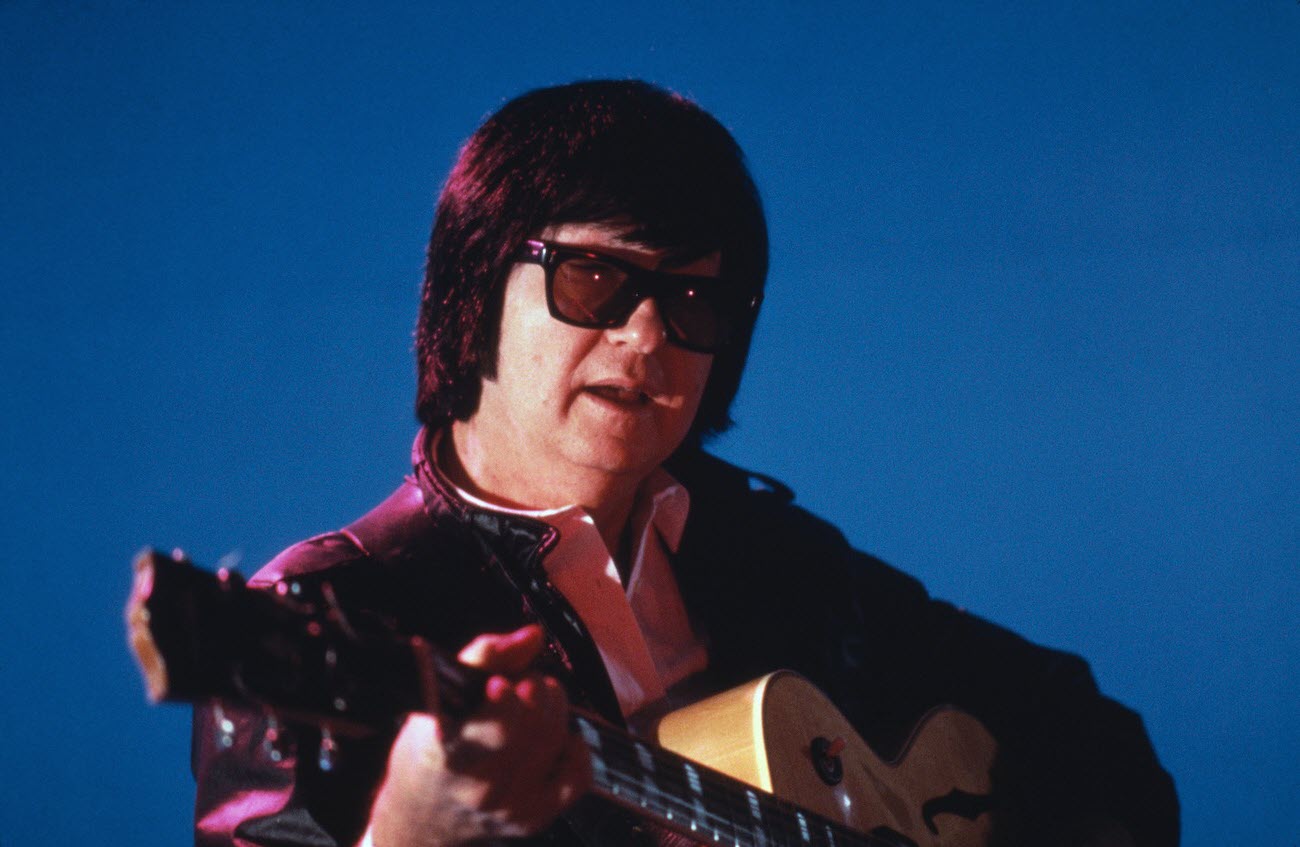
Roy Orbison, the enigmatic voice of rock and roll, captivated audiences with his haunting melodies and emotional lyrics. With a career spanning over four decades, Orbison’s music transcends generations, blending elements of rock, pop, and country in a way that only he could master. Known for his distinctive tenor voice and trademark sunglasses, Orbison’s songs often explore themes of love, heartbreak, and longing, resonating deeply with listeners.
From chart-topping hits to timeless classics, Orbison’s catalog is a treasure trove of musical gems. His ability to convey raw emotion through his powerful vocals has earned him a special place in the hearts of fans worldwide. Whether you’re a lifelong devotee or a newcomer to his music, there’s no denying the impact of his work.
In this article, we’ll take a closer look at the top 10 most popular Roy Orbison songs of all time. Each track not only showcases his extraordinary talent but also tells a story that continues to touch the soul. Join us as we celebrate the man behind the music, exploring the unforgettable songs that have solidified Roy Orbison’s legacy as one of the greatest artists in music history.
1. “Oh, Pretty Woman” (1964)
Few songs have the instant recognition of “Oh, Pretty Woman.” Released in 1964, this iconic hit opens with one of the most unforgettable guitar riffs in rock history, instantly pulling listeners into its playful, flirtatious energy. Roy Orbison’s smooth yet commanding vocals narrate the story of a man captivated by the beauty of a woman passing by, mixing admiration with the hopeful longing of someone wondering if his affection might be returned. The upbeat tempo and lighthearted tone contrast with Orbison’s often melancholy catalog, giving this track a joyful spark that set it apart. Upon release, it shot straight to No. 1, becoming an international sensation and solidifying Orbison as a rock and roll legend. The song’s charm lies in its simplicity—it’s catchy, relatable, and brimming with personality. Decades later, “Oh, Pretty Woman” remains a cultural staple, featured in countless movies, commercials, and covers, with its timeless riff still guaranteed to turn heads and bring smiles.
2. “Crying” (1961)
“Crying” is one of Roy Orbison’s most emotional and haunting ballads, a song that feels like heartbreak set to music. Released in 1961, it showcases Orbison’s extraordinary vocal range, moving from gentle whispers to soaring high notes that feel almost operatic. The lyrics are raw and vulnerable, telling the story of running into a lost love and being overcome by emotion—so much so that the narrator literally breaks down crying. The orchestration builds behind Orbison, starting delicately before swelling into a powerful climax, mirroring the song’s emotional intensity. “Crying” became one of Orbison’s signature songs and an enduring anthem for anyone who’s ever struggled to hide the pain of lost love. Over the years, it’s been covered by countless artists, but few can match Orbison’s ability to make every note ache with sincerity. It’s a ballad that still brings chills, a timeless reminder of music’s power to capture the deepest human emotions.
3. “Only the Lonely” (1960)
“Only the Lonely” marked a turning point in Roy Orbison’s career and in pop music itself. Released in 1960, the song established his signature style: lush orchestration, dramatic melodies, and heart-wrenching emotion. Orbison’s rich voice, full of ache and longing, carries the weight of the lyrics—an anthem for anyone who’s felt isolated by heartbreak. The haunting melody lingers long after the song ends, while the layered harmonies and strings give it a cinematic feel, almost like the soundtrack to a bittersweet movie scene. “Only the Lonely” wasn’t just a hit; it was a declaration of Orbison’s artistry, a song that dared to be vulnerable in an era dominated by upbeat rock ‘n’ roll. It climbed the charts and made Orbison a household name, laying the foundation for the many emotional ballads to come. More than six decades later, it remains a timeless classic, still able to speak to the universal experience of loneliness.
4. “In Dreams” (1963)
“In Dreams” is a song that feels like stepping into a dreamscape—haunting, surreal, and achingly beautiful. Released in 1963, the track is one of Roy Orbison’s most unique creations, not just because of its ethereal melody but also its unusual structure. It doesn’t follow the traditional verse-chorus format; instead, it unfolds like a series of emotional waves, each one building on the last. Orbison’s voice glides effortlessly across the melody, painting a vivid picture of longing and love found only in dreams. There’s a bittersweetness to it, as the dream of love is fleeting, slipping away when morning comes. The lush instrumentation wraps around his voice, creating an otherworldly atmosphere that lingers long after the song ends. “In Dreams” has been immortalized in pop culture, perhaps most famously in David Lynch’s Blue Velvet, but its impact goes far beyond film. It’s a piece of art that proves Orbison could take the deepest emotions and turn them into something magical.
5. “Pretty Paper” (1963)
With “Pretty Paper,” released in 1963, Roy Orbison offered more than just a Christmas song—he gave listeners a heartfelt story wrapped in seasonal warmth. Written by Willie Nelson and brought to life by Orbison’s rich, tender voice, the song tells of a street vendor selling ribbons and paper during the holidays. Behind the festive image lies a poignant reminder of those struggling or overlooked during what is supposed to be the most joyful time of year. Orbison’s delivery is soft and compassionate, almost as if he’s inviting listeners to slow down and notice the quiet moments amid the holiday rush. The gentle melody and simple arrangement give the song a timeless quality, one that makes it a staple every December. “Pretty Paper” isn’t just about Christmas cheer—it’s about empathy, kindness, and the reminder that even small gestures of generosity can make a difference.
6. “Running Scared” (1961)
“Running Scared” is a masterclass in musical tension and release. Released in 1961, it begins softly, almost timidly, with Orbison singing about his fear of losing his lover to another man. The instrumentation is sparse at first, but as the song progresses, the drama builds—the tempo quickens, the arrangement swells, and Orbison’s voice climbs higher and higher. By the time the song hits its climactic final note, it’s almost impossible not to get chills. What makes “Running Scared” so powerful is its structure; it feels like an emotional crescendo, mirroring the anxiety and desperation of the lyrics. The song was a hit, but more importantly, it showcased Orbison’s incredible control as a vocalist and his ability to inject real suspense into a three-minute pop song. Decades later, “Running Scared” still feels gripping, a reminder of how Orbison could turn a simple story of love and fear into a breathtaking musical moment.
7. “You Got It” (1989)
After years away from the spotlight, Roy Orbison made an unforgettable comeback with “You Got It” in 1989. Co-written with Tom Petty and Jeff Lynne, the song blends classic Orbison charm with a modern pop-rock sheen, introducing his legendary voice to a whole new generation. The lyrics are simple and joyful, celebrating a love so complete that the narrator would do anything for the person he adores. Orbison’s delivery is as strong as ever, his voice soaring effortlessly over the bright, upbeat production. “You Got It” was released just months after his passing, becoming a bittersweet reminder of his enduring talent. It shot up the charts worldwide, proving that Orbison’s magic hadn’t faded with time. Even today, it feels both nostalgic and fresh—a bridge between the golden age of rock and roll and the modern pop era.
8. “Blue Bayou” (1963)
“Blue Bayou” is one of those songs that instantly transports you somewhere else—a place of calm waters, warm breezes, and bittersweet memories. Released in 1963, Roy Orbison’s tender vocals paint a vivid picture of someone longing to return to a simpler, more peaceful life. The melody is smooth and lilting, like the ebb and flow of the tide, while the lyrics ache with homesickness and yearning. There’s a wistful beauty to the song, a sense that the narrator is dreaming of something just out of reach. The arrangement is understated but lush, allowing Orbison’s voice to carry the emotion. Over the years, “Blue Bayou” has been covered by countless artists, including Linda Ronstadt, but Orbison’s original remains definitive. It’s a song that speaks to anyone who’s ever longed for home—or for a love they left behind.
9. “Dream Baby (How Long Must I Dream)” (1962)
“Dream Baby (How Long Must I Dream)” is Roy Orbison at his most playful and upbeat. Released in 1962, the track is a lively blend of rockabilly and pop, with a driving rhythm that practically begs you to tap your feet. Orbison’s voice, full of charm and energy, tells the story of a man longing for love, caught between dreams and reality. The lyrics are simple but irresistible, capturing the giddy feeling of infatuation. Unlike some of Orbison’s more somber ballads, “Dream Baby” is light and fun, showing another side of his artistry. It became a hit and remains a fan favorite, a reminder that Orbison could just as easily make you smile and dance as he could break your heart. The song’s infectious energy has helped it endure for decades, still sounding fresh every time it plays.
10. “It’s Over” (1964)
“It’s Over” is one of Roy Orbison’s most dramatic and heart-wrenching songs—a grand, sweeping ballad about the finality of heartbreak. Released in 1964, it features one of Orbison’s most powerful vocal performances, with his voice soaring to operatic heights as he delivers the devastating message: the relationship is done, and there’s no going back. The arrangement is cinematic, with strings and orchestration that make the song feel almost like a short film in sound. Every note is drenched in emotion, and by the time Orbison hits the final, shattering line, you feel the weight of the loss right along with him. “It’s Over” was a hit, but more importantly, it cemented Orbison’s reputation as one of music’s greatest interpreters of heartache. Even decades later, it remains one of the most powerful breakup songs ever recorded—a masterpiece of sadness, beauty, and closure.

Edward Tomlin is a frequent contributor to Singers Room. Since 2005, Singersroom has been the voice of R&B around the world. Connect with us via social media below.









