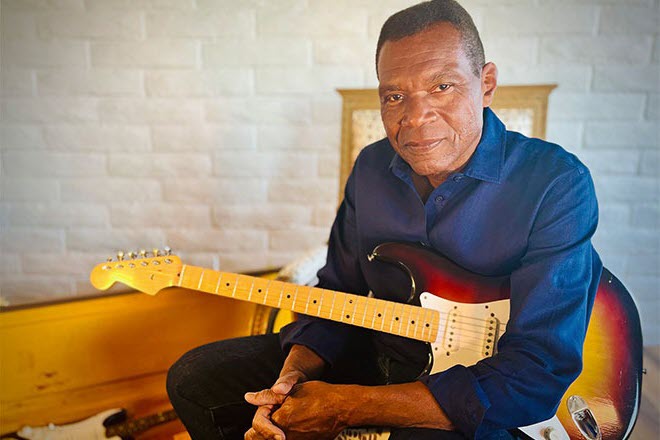
When it comes to blues music, few artists have left as indelible a mark as the Robert Cray Band. Fusing traditional blues with elements of rock and soul, Cray has captivated audiences for decades with his soulful guitar riffs and evocative lyrics. Since bursting onto the scene in the early 1980s, he has not only garnered critical acclaim but has also won multiple Grammy Awards, solidifying his place as a titan in the genre.
From heart-wrenching ballads to toe-tapping grooves, the Robert Cray Band’s discography is a treasure trove of musical brilliance. Their unique sound, characterized by Cray’s smooth vocals and masterful guitar work, has influenced countless musicians and continues to resonate with fans old and new.
In this article, we’ll explore the top 10 most popular songs by the Robert Cray Band, diving into what makes each track a standout. Whether you’re a lifelong fan or a newcomer eager to discover the magic of Cray’s music, this list promises to take you on a memorable journey through the heart and soul of one of blues music’s enduring legends. Get ready to vibe with the sounds that have defined generations!
1. “Smoking Gun” (1986)
“Smoking Gun” is the song that propelled Robert Cray into the mainstream and solidified his status as one of the great modern blues artists. Released in 1986 on his breakthrough album Strong Persuader, the track is a potent mix of blues grit and rock polish. The lyrics tell a story of betrayal and heartbreak, a man discovering evidence of his partner’s infidelity—the “smoking gun.” Cray’s voice is smooth and soulful, yet tinged with pain, giving weight to every line. His guitar work is equally captivating, weaving sharp, stinging riffs between verses, creating an atmosphere thick with tension. This wasn’t just another blues song; it had crossover appeal, landing heavy radio play and resonating with a wider audience who might not have been traditional blues fans. “Smoking Gun” earned Cray a Grammy nomination and became his signature track, the one that opened doors to bigger stages and broader recognition. Decades later, it still stands as a defining moment—not just for Cray, but for the blues in the 1980s—showing that the genre could stay vital and relevant while embracing contemporary sounds.
2. “Right Next Door (Because of Me)” (1986)
“Right Next Door (Because of Me)” from Strong Persuader is one of Robert Cray’s most emotionally charged songs, a masterclass in understated storytelling. The narrative unfolds from the perspective of a man who knows his affair has caused devastation—he can hear the neighbor’s heartbreak through the wall, “because of me.” The lyrics are raw and unflinching, capturing not just regret, but the weight of guilt. Cray’s voice, smooth yet deeply expressive, conveys every nuance of that remorse, making you feel the heaviness in his words. His guitar lines don’t just decorate the song—they sigh, cry, and confess along with him, adding another layer to the emotional depth. The groove is deceptively easygoing, a subtle contrast to the turmoil in the lyrics, and that tension makes the song even more powerful. It became a fan favorite and a staple in his live sets, showing how blues could still deliver gut-punch storytelling with elegance.
3. “Don’t Be Afraid of the Dark” (1988)
“Don’t Be Afraid of the Dark,” the title track from Cray’s 1988 album, is as much a reassurance as it is a groove. The song blends Cray’s signature blues foundation with a slick, soulful melody, creating something both comforting and infectious. The lyrics carry a message of vulnerability and encouragement—telling someone not to fear their feelings, or the unknown, but to step into it with openness. Cray’s delivery is warm and earnest, the kind of vocal that feels like a hand on your shoulder, steadying and reassuring. The instrumentation matches that mood: rich but restrained, with a rhythm that rolls smooth and easy, and guitar licks that feel like gentle sparks in the night. While the song’s title might suggest something ominous, its essence is anything but—it’s about connection, trust, and quiet strength. “Don’t Be Afraid of the Dark” became another showcase of Cray’s ability to bring tenderness to the blues, proving the genre could comfort as much as it could ache.
4. “I Guess I Showed Her” (1990)
“I Guess I Showed Her,” from the 1990 album Midnight Stroll, is one of Robert Cray’s finest storytelling moments, mixing humor, irony, and heartbreak in one smooth package. The song tells the tale of a man who, after a breakup, tries to prove he’s moved on—but as the lyrics unfold, it’s clear he hasn’t. There’s a sly wit in the writing, a bittersweet edge that makes you smile even as you feel the sting of regret. Cray’s voice carries that balance beautifully—smooth and soulful, but with an undercurrent of ache that hints at the truth beneath the bravado. The guitar riffs dance lightly around the verses, adding a conversational quality, like musical asides to the story. It’s a track that shows Cray’s growth as a songwriter—how he could tell a complete, nuanced story in just a few minutes, with humor and pain intertwined. “I Guess I Showed Her” is more than a breakup song; it’s a portrait of pride, vulnerability, and the messy, human space in between.
5. “The One in the Middle” (1988)
“The One in the Middle,” from Take Your Shoes Off, is a clever and irresistible tune that dives into the emotional chaos of love triangles and complicated relationships. The lyrics paint the picture of someone caught between two worlds, the “one in the middle,” and the story is told with a mix of wit and honesty. Cray’s vocal delivery is playful but also sympathetic—you hear the humor, but you also feel the tension. The melody is catchy, the kind that sticks in your head, while the guitar solos weave in and out, adding flashes of commentary to the tale. The song has an almost conversational feel, like Cray is sitting across from you, confiding this awkward, complicated situation with a sly smile. “The One in the Middle” shows Cray’s knack for turning everyday relationship messiness into something universally relatable—and irresistibly listenable.
6. “Phone Booth” (1995)
“Phone Booth,” from the 1995 album Some Rainy Morning, is one of Robert Cray’s most instantly infectious tracks—a blues number with an upbeat kick. The song takes the simple image of a phone booth and turns it into a metaphor for isolation and longing. Cray’s vocals are full of urgency and energy, and you can almost picture him, stranded and pleading, making that late-night call. The rhythm is lively, with a groove that’s impossible not to tap your foot to, while the guitar work sparkles with vibrant, playful licks. There’s a fun tension in the track: the lyrics suggest loneliness, but the music is so lively it makes you want to move. “Phone Booth” became a live favorite for a reason—it has that perfect mix of energy and story, and it brings a jolt of electricity to any setlist.
7. “Time Makes Two” (1999)
“Time Makes Two,” from Take Your Shoes Off, is one of Robert Cray’s most soulful ballads, a song that feels both timeless and deeply personal. The lyrics are reflective, exploring how love, patience, and the passing of time can transform a relationship. It’s not a flashy song—it’s slow, deliberate, and aching—but that’s exactly what makes it powerful. Cray’s voice is front and center, smooth yet full of emotion, as if every line is pulled straight from the heart. The guitar work is understated but stunning, each note bending and lingering like a quiet thought. This is Cray at his most vulnerable and most expressive, using space and silence as effectively as sound. “Time Makes Two” isn’t just a song—it’s a moment of stillness, a meditation on connection that leaves you thinking long after it ends.
8. “What You Gonna Do?” (1993)
“What You Gonna Do?” from I Was Warned is one of Robert Cray’s most playful, spirited tracks—a blues tune with a wink. The groove is irresistible, with a rhythm that makes you want to move, and the lyrics have a teasing, lighthearted tone. Cray poses the question over and over—what you gonna do?—and it feels both challenging and fun, like a musical dare. His guitar solos are bright and lively, weaving around the vocals like little bursts of mischief. It’s the kind of song that lights up a live show, getting audiences clapping along and smiling. While Cray is known for his emotional depth, “What You Gonna Do?” shows another side—his ability to have fun with the blues, to let it be playful and joyful while still staying true to the genre’s roots.
9. “Brought Up by the Blues” (2017)
“Brought Up by the Blues,” from Robert Cray’s later catalog, is a love letter to the genre that shaped him. Released in 2017, it’s reflective and deeply personal, as Cray looks back on his life and acknowledges how the blues has been both a teacher and a companion. The lyrics speak to his roots, the artists and experiences that molded his sound, and the music itself feels like an homage—rich, soulful, and steeped in tradition. Cray’s voice is warm and contemplative, and his guitar work feels reverent, each note carefully placed, as if he’s paying tribute to those who came before him. “Brought Up by the Blues” isn’t just a song; it’s a statement of identity, a reminder of why Cray matters—not just as a musician, but as a keeper of the blues flame.
10. “You Move Me” (2003)
“You Move Me,” from the 2003 album Time Will Tell, is one of Robert Cray’s most tender, romantic songs. It’s a ballad that feels like an intimate confession, a simple but powerful expression of love. The lyrics are heartfelt, describing the profound effect someone can have on your life, and Cray’s delivery is gentle but full of emotion—you can hear the sincerity in every word. The arrangement is lush, with soft instrumentation that frames his voice perfectly, while the guitar solos are subtle and tender, more like caresses than fireworks. “You Move Me” shows Cray’s softer side, the side that doesn’t just sing about heartbreak but about the joy of being moved, inspired, changed by love. It’s the kind of song that feels personal, like a quiet conversation, and that’s what makes it so powerful—it connects.

Edward Tomlin is a frequent contributor to Singers Room. Since 2005, Singersroom has been the voice of R&B around the world. Connect with us via social media below.









