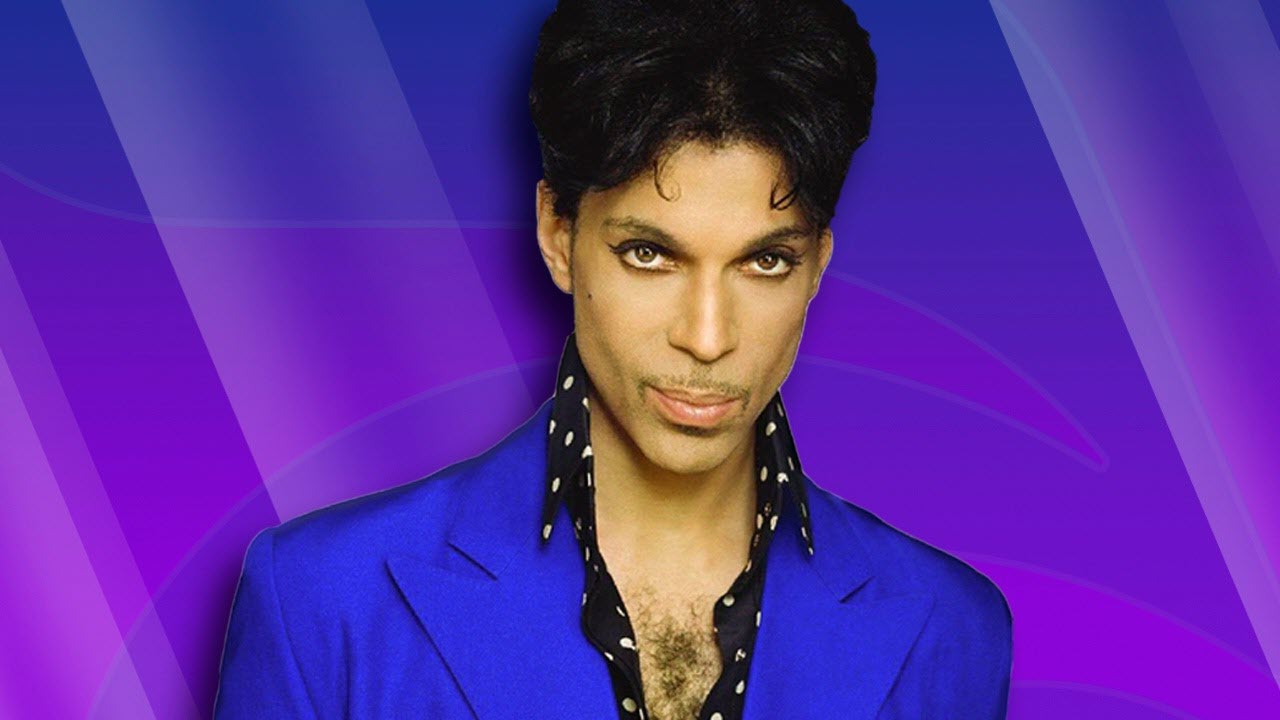
Few artists in music history have embodied innovation, sensuality, and sheer creative genius quite like Prince. A true iconoclast, Prince Rogers Nelson defied genre boundaries, racial norms, and industry expectations to craft a legacy that transcends generations. Whether he was shredding on guitar, dancing in high heels, or penning some of the most unforgettable lyrics of the 20th century, Prince was always ahead of his time—bold, unapologetic, and electrifyingly original. His music was a kaleidoscope of funk, rock, pop, R&B, and soul, infused with visionary production and boundless charisma.
In this article, we’re diving deep into the Top 10 Most Popular Prince Songs of All Time—tracks that not only ruled the charts but transformed the musical landscape. These aren’t just hits; they’re cultural milestones that defined decades, sparked movements, and turned a Minneapolis prodigy into a global phenomenon. From seductive slow jams to revolutionary anthems, each song on this list reveals a different facet of Prince’s genius.
Whether you’re a lifelong fan or just discovering his purple majesty, this countdown will take you on a thrilling ride through the soundscape of a legend. So dig out your vinyl, crank up the volume, and get ready to party like it’s 1999.
1. Purple Rain (1984)
Released in 1984 as the title track of both the film and the album Purple Rain, this song is often seen as the crowning achievement of Prince’s extraordinary career. “Purple Rain” is more than just a power ballad—it’s a soul-stirring fusion of rock, gospel, and R&B, anchored by Prince’s searing guitar solo and aching vocals. The lyrics unfold like a prayer, a haunting meditation on heartbreak, forgiveness, and emotional catharsis. The phrase “purple rain” itself is abstract and poetic—suggesting transformation, the cleansing of pain, and the mixing of love with sorrow. The song builds slowly, its intensity growing with each verse, culminating in a cathartic crescendo that leaves listeners breathless. It reached No. 2 on the Billboard Hot 100 and won Prince a Grammy, but its true legacy lies in its emotional power. Perhaps no moment captured its impact more than Prince’s legendary performance during the 2007 Super Bowl halftime show—played in an actual downpour, as if the heavens themselves bowed to the music. “Purple Rain” isn’t just a song; it’s an experience, a spiritual journey, and a towering symbol of Prince’s genius that continues to resonate with generations.
2. When Doves Cry (1984)
With “When Doves Cry,” Prince shattered pop conventions and rewrote the rules of radio in 1984. As the lead single from Purple Rain, this track was immediately striking for what it lacked—a bassline, one of pop music’s most fundamental elements. That bold omission gave the song its raw, edgy feel, amplifying its emotional intensity. Prince played every instrument on the track, weaving together icy synths, sharp drum machine rhythms, and a tortured guitar solo. Lyrically, it dives into the pain and confusion of a crumbling relationship, touching on inherited trauma, emotional dependence, and identity. The lines “Maybe I’m just like my father, too bold / Maybe you’re just like my mother, she’s never satisfied” speak volumes in just a few words. It was a commercial juggernaut, spending five weeks at No. 1 and becoming the top-selling single of 1984 in the U.S. But more than that, it was a defining moment in Prince’s career—proof that he could be avant-garde and accessible at the same time. “When Doves Cry” remains a masterpiece of emotional storytelling and musical innovation, still haunting, still vital, and still unlike anything else in pop history.
3. Kiss (1986)
Prince’s “Kiss,” released in 1986, is a masterclass in less-is-more funk. Originally written for the band Mazarati, Prince took the song back, stripped it down, and infused it with his signature flair. What resulted was one of his most iconic hits—a funky, minimal groove layered with falsetto vocals, teasing lyrics, and irresistible swagger. The track kicks off with a scratchy guitar riff and maintains a taut, playful rhythm throughout, never overwhelming with production but still impossible to ignore. Prince’s performance is flirtatious, cocky, and full of charm, turning lines like “You don’t have to be rich to be my girl” into declarations of universal desire. “Kiss” topped the Billboard Hot 100 and earned Prince a Grammy for Best R&B Performance by a Duo or Group with Vocals. It showcased his knack for reinvention, his fearless sense of style, and his ability to make bold musical choices feel effortless. Beyond its commercial success, “Kiss” endures as one of Prince’s most beloved songs—a cheeky, sexy groove that’s as cool now as it was in the ‘80s. It’s more than a hit—it’s Prince in his purest, funkiest form.
4. 1999 (1982)
When Prince released “1999” in 1982, he wasn’t just predicting a party—he was inviting the world to celebrate in the face of doom. The track, a standout on his breakthrough album of the same name, combined cold-war anxiety with a funky, irresistible beat. Beneath the catchy chorus and dancefloor energy lies a surprisingly dark message about looming nuclear destruction. Yet Prince delivered that message with such exuberance that it felt empowering rather than fatalistic. With its pulsing synths, tight Linn drum programming, and layered vocals from Prince and his bandmates Lisa Coleman and Dez Dickerson, “1999” was sonically ahead of its time. Although it originally peaked at No. 12, the track became a pop culture phenomenon, re-charting multiple times and becoming an anthem of the new millennium. The phrase “Party like it’s 1999” became a universal shorthand for living it up before the end. It also helped cement Prince’s crossover appeal, bringing funk, pop, and rock together in a way that defied racial and genre boundaries. “1999” remains a danceable doomsday prophecy—bold, joyful, and unmistakably Prince.
5. Little Red Corvette (1983)
“Little Red Corvette” marked a major breakthrough for Prince when it hit the airwaves in 1983. It was his first Top 10 hit, a genre-blending success that married rock sensibilities with synth-driven pop, wrapped around a metaphor-rich lyric about a fleeting romance. The titular car isn’t just a flashy vehicle—it symbolizes a beautiful but reckless lover, someone thrilling yet dangerous. Prince’s vocal delivery is equal parts seductive and cautionary, warning of emotional burnout from going “much too fast.” The track’s production was slick and modern, with shimmering keyboards and a steady drum machine beat that built momentum without overpowering the story. It also became one of the earliest music videos by a Black artist to be heavily played on MTV, breaking down racial barriers and expanding his reach. Peaking at No. 6 on the Billboard Hot 100, “Little Red Corvette” showcased Prince’s talent for crafting radio-ready hits that still brimmed with nuance and complexity. It’s not just a song about love—it’s about speed, vulnerability, and the price of chasing passion without brakes. Decades later, it still feels like a ride worth taking.
6. Raspberry Beret (1985)
“Raspberry Beret” stands out in Prince’s catalog as a burst of colorful, psychedelic pop that feels both nostalgic and fresh. Released in 1985 as the lead single from Around the World in a Day, it signaled a stylistic shift from the synth-heavy sound of Purple Rain to a more organic, Beatles-esque vibe. The song tells a whimsical coming-of-age story about a boy, a girl in a raspberry beret, and a romantic encounter in a barn “overcast with horses.” With its light string arrangements, infectious handclaps, and singalong chorus, the track radiates charm. Prince’s vocals are relaxed and tender, trading flamboyance for a more heartfelt tone. The song’s storytelling is vivid and cinematic, painting a world that’s both innocent and slightly mischievous. Commercially, it was a hit—peaking at No. 2 on the Billboard Hot 100—and it quickly became a fan favorite. “Raspberry Beret” proved that Prince didn’t have to be provocative or edgy to be captivating. Sometimes, all it takes is a great melody, a memorable character, and a splash of paisley-colored imagination.
7. Let’s Go Crazy (1984)
“Let’s Go Crazy” is Prince at his most explosive, delivering an electrifying anthem that kicks off the Purple Rain album with a bang. The track opens like a sermon, with Prince’s famous “Dearly beloved…” monologue setting the stage for a song that preaches joy, defiance, and celebration in the face of mortality. Then it erupts into a high-octane blend of funk, rock, and gospel energy, driven by fierce guitar riffs and frenetic keyboard lines. Lyrically, it urges listeners to “go crazy” rather than succumb to the “elevator” that tries to bring them down—a metaphor for death, depression, or societal control. The song’s climax features one of Prince’s most thrilling guitar solos, a fiery explosion of sound that sealed his reputation as a rock god as well as a funk master. “Let’s Go Crazy” became Prince’s second No. 1 single on the Billboard Hot 100 and a staple in his live shows. It’s more than just an opener—it’s a philosophy. It dares you to live boldly, love deeply, and dance like your life depends on it. In Prince’s world, going crazy isn’t losing control—it’s gaining freedom.
8. I Would Die 4 U (1984)
“I Would Die 4 U,” the fourth single from Purple Rain, is one of Prince’s most unique offerings—an energetic synth-pop declaration that straddles the line between romantic devotion and spiritual transcendence. Released in late 1984, the song is fast-paced, propulsive, and catchy as hell. But beneath the danceable exterior lies something deeper. Prince presents himself as a Christ-like figure—“I’m not a woman, I’m not a man, I am something that you’ll never understand”—blurring gender and divinity in a way that challenged pop norms. The track pulses with bright synths and crisp drum machine hits, making it a favorite for live shows, where Prince often led ecstatic, call-and-response crowd interactions. Though it peaked at No. 8 on the Billboard Hot 100, its true legacy lies in its layered message: love that transcends the physical, devotion that borders on divine, and a sound that’s both immediate and eternal. “I Would Die 4 U” is Prince in full cosmic mode—equal parts pop star, prophet, and dance-floor conjurer.
9. Cream (1991)
Sleek, sultry, and unapologetically confident, “Cream” is Prince at his most playful and self-assured. Released in 1991 on the Diamonds and Pearls album, it topped the Billboard Hot 100 and stands as one of his last No. 1 singles. Prince reportedly wrote it while looking at himself in the mirror—and that swagger is written into every note. Built on a silky blues-funk groove, the song’s guitar licks slink like a catwalk strut, while his vocals drip with sly charm and cheeky innuendo. Lines like “You’re so cool, everything you do is success” blur the line between seduction and self-empowerment. “Cream” is flirtation with a wink, confidence without cockiness. It’s also a great example of how Prince adapted his sound in the ‘90s—leaner, more polished, but still undeniably funky. The track became a staple in clubs and on radio, showing that Prince could evolve with the times without losing his magnetic edge. “Cream” is more than a song—it’s a vibe, an attitude, and a reminder that sometimes, the smoothest moves are the most powerful.
10. Sign o’ the Times (1987)
Released in 1987, “Sign o’ the Times” marked a bold shift for Prince—both musically and thematically. As the title track from his acclaimed double album, it traded the layered funk of earlier hits for a stark, minimalist arrangement: just a drum machine, a few synth lines, and Prince’s haunting vocals. The song doesn’t aim to comfort—it confronts. Prince tackles a laundry list of societal issues—AIDS, drug addiction, gang violence, and geopolitical tensions—with a detached but urgent tone. Each verse is like a news headline, a snapshot of a world teetering on the brink. Yet it’s not cynical—it’s clear-eyed and emotionally resonant, a wake-up call rather than a dirge. Reaching No. 3 on the Billboard Hot 100, “Sign o’ the Times” proved that a pop song could be a protest, a mirror to the chaos around us. It’s one of Prince’s most mature works, highlighting not only his musical brilliance but also his role as a cultural commentator. Even decades later, the song feels eerily current—a reminder that art can be both timely and timeless.

Samuel Moore is a frequent contributor to Singers Room. Since 2005, Singersroom has been the voice of R&B around the world. Connect with us via social media below.









